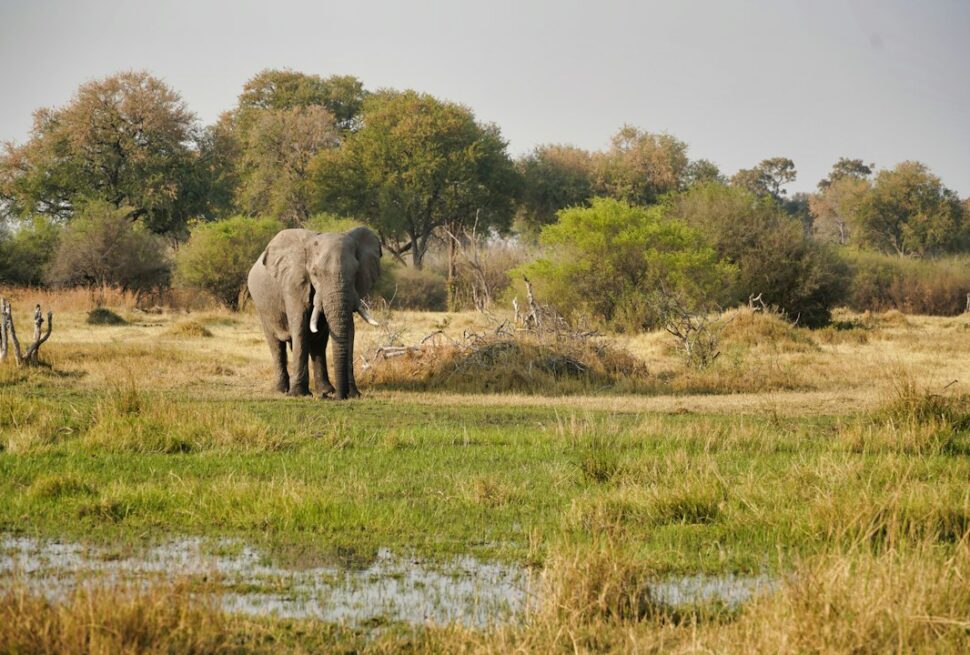
A Tanzania safari for seniors works best as a private, unhurried northern circuit trip: Tarangire, the Ngorongoro Crater and the central Serengeti over eight to ten days, with two or three nights per stop and one light-aircraft flight to cut out the longest drive. Done that way, age is rarely the limiting factor.
If you are organising the trip for a retirement club, an alumni group or three generations of one family, the worry is usually the same: will the drives, the bumps, the altitude and the early starts wear people out? This guide is written for the organiser. It covers the route, pacing, flights, rooms, health paperwork and costs, and shows how our family and multi-generation group safaris are shaped around the slowest walker rather than the fastest.

Quick Facts
- Best length: 8 to 10 days, with at least two nights in each place
- Gentlest route: Arusha, Tarangire, Karatu, Ngorongoro Crater, central Serengeti, then fly back to Arusha
- Longest drive avoided: Karatu to the central Serengeti is about 230 km and around 7 hours with stops
- Flight back: Seronera to Arusha takes about 1 to 1.5 hours by light aircraft
- Altitude to note: the Ngorongoro Crater rim sits above 2,200 m, so nights are cool
- Best months: June to October for dry roads and mild days; January and February for calving
- Group size: up to six per Land Cruiser, though four per vehicle is far more comfortable
What Makes a Tanzania Safari for Seniors Different?
A Tanzania safari for seniors differs from a standard trip mainly in pace, not in where you go. The same parks and the same animals are on offer; what changes is the number of hours in the vehicle each day, the number of hotel changes and how much walking each lodge asks of its guests.
Most northern circuit itineraries are built for speed, not for a Tanzania safari for seniors: a new lodge every night, a 6am start, a long transfer after lunch. That rhythm suits a fit couple in their thirties. For a group with an average age of 70, it means stiff backs, tired tempers and people skipping game drives they paid for. Two-night stops give everyone a slow morning when they want one, and the guide can still take the keen photographers out at dawn.
Ready to go? Book your customized safari instantly on WhatsApp — we'll take it from there.

Instantly on
Who usually travels on a senior group safari?
The groups who book a Tanzania safari for seniors with us tend to fall into three types. Retirement and social clubs often travel as 8 to 16 friends who already know each other. Alumni and church groups are usually larger and mixed in fitness. Multi-generation families bring grandparents, their children and grandchildren together, which means planning for both a 78-year-old and an 8-year-old in the same vehicle.
Each type needs something slightly different, but the common thread is choice. The best Tanzania safari for seniors lets people opt out of an activity without missing the trip, whether that is a sunrise drive, a cultural walk or a long afternoon in the crater.
Why does a private group beat joining a shared tour?
A private group beats a shared tour for older travellers because you control the pace of your Tanzania safari for seniors. On a seat-in-vehicle tour, strangers with different energy levels set the timetable, and nobody can ask the driver to head back early without upsetting someone else.
With your own vehicles and guide, a long lunch, a slower start or an early return to camp costs nothing in goodwill. The guide gets to know each person’s needs by day two, and the organiser has one contact for every change. For anyone planning a Tanzania safari for seniors, that flexibility matters more than any lodge upgrade.
Which Route Suits an Older Group Best?
The northern circuit is the natural choice for a Tanzania safari for seniors because the main parks are close together and the roads, though rough in places, are well used. The gentle version drives out from Arusha through Tarangire and the Ngorongoro highlands, spends time in the central Serengeti, then flies back instead of repeating the long road.

Arusha to Karatu, the farming town below the crater highlands, is about 2.5 to 3 hours by road. From Karatu to the central Serengeti is roughly 230 km, or around 7 hours with photo stops and lunch. That second leg is the hardest day on any Tanzania safari for seniors, so we split it with a crater day and fly the return from the Seronera airstrip to Arusha, which takes about 1 to 1.5 hours. Our guide to the best national parks in Tanzania explains what each park adds if you want to swap one in.
| Leg | Typical time | Comfort note for older travellers |
|---|---|---|
| Arusha to Karatu | About 2.5 to 3 hours | Mostly tarmac; easy with a game drive in Tarangire on the way |
| Karatu to central Serengeti | Around 7 hours with stops (about 230 km) | The bumpiest day; break it with plenty of stops and drive it only once |
| Crater rim to crater floor | A steep descent of about 600 m | Short but steep and rough; a cushion and a front seat help |
| Seronera to Arusha by air | About 1 to 1.5 hours | Replaces a full day on the road; soft bags and weight limits apply |
Is the Ngorongoro Crater hard going for seniors?
The Ngorongoro Crater is not physically demanding, because you stay in the vehicle, but the day is long and the tracks down are steep. According to the Tanzania Tourist Board’s crater page, the rim rises above 2,200 m and the walls drop about 600 m to a floor roughly 20 km across.
That height means cool, sometimes cold, evenings on the rim, so warm layers belong in every bag on a Tanzania safari for seniors. Few travellers feel real altitude effects at 2,200 m, but anyone with heart or lung conditions should mention it to their doctor. Our Ngorongoro crater lodges guide compares rim lodges with Karatu, which sits lower and is often warmer and quieter for an older group.
How Many Days Does a Senior Group Need in Tanzania?
A Tanzania safari for seniors needs eight to ten days to cover Tarangire, the Ngorongoro Crater and the Serengeti without rushing. Seven days is possible, but it forces one-night stops. Ten days allows a rest day after the long flight and an easy final night in Arusha before flying home.
A sample Tanzania safari for seniors at an easy pace
The outline below is a starting point we adapt to each group. It keeps drives short, never asks anyone to pack two mornings in a row, and leaves afternoons free for a nap or a slow sundowner.
| Days | Where | Pace |
|---|---|---|
| 1 to 2 | Arusha | Arrive, rest and recover from the long-haul flight |
| 3 to 4 | Tarangire | Short game drives among elephants and baobabs; two nights |
| 5 to 6 | Karatu and the Ngorongoro Crater | A lazy arrival day, then a crater day with a picnic lunch |
| 7 to 9 | Central Serengeti | One long drive in, then three nights with optional dawn drives |
| 10 | Fly to Arusha | Light aircraft back, day room, evening international flight |
Groups who want a beach finish can add three nights on Zanzibar, which we cover in our Zanzibar beach extension guide. If you prefer to start from an existing plan, the 8 Day Tanzania Safari through Tarangire, Manyara, the Serengeti and the Crater already gives three nights in the Serengeti, and we can slow it down further.
Flights, Vehicles and Rooms: What to Ask For
Flights, vehicles and rooms are where a Tanzania safari for seniors succeeds or fails, because these are the details people live with every hour. The right set-up is a light-aircraft leg with soft bags, a vehicle with spare seats, and rooms close to the main area with easy showers.

Light-aircraft flights and luggage
Coastal Aviation, one of the main scheduled carriers to the Serengeti airstrips, allows 15 kg of checked luggage per person in a soft-sided bag, plus a 5 kg personal item. Collapsible wheelchairs, walkers, canes and crutches are carried free and do not count against that allowance. If a traveller needs more weight for medical kit, a freight seat can be booked in advance (checked November 2026). Confirm the current rules before you pack, because airlines review them.
Vehicles and seating
A safari Land Cruiser seats up to six in the back, but on a Tanzania safari for seniors we suggest four, so each person has a window and room to stretch a leg. Ask for a vehicle with a portable step, and give front seats to anyone with back trouble, since the rear rows bounce most on rough tracks. Rotating seats each day keeps things fair in a larger group.
Rooms that suit older guests
On a Tanzania safari for seniors, room choice matters because many tented camps are spread out, with paths of 100 m or more between tents and the dining area. When we book, we ask for rooms nearest the main area, walk-in showers rather than bath-tub showers, and twin beds where friends share. At unfenced camps a staff member walks guests to their tents after dark, which reassures people who are new to the bush.

Single travellers are common on a Tanzania safari for seniors, and single supplements can add a lot to the bill. Some friends happily share twin rooms; others will pay for privacy. Ask each person early, because room counts drive the final price and the availability of the better-placed tents.
When Is the Best Time for Older Travellers?
The best time for a Tanzania safari for seniors is June to October, when roads are dry, days are mild and animals gather near water. January and February are a strong second choice, with calving herds in the southern Serengeti and short, sunny breaks between showers.

For a Tanzania safari for seniors, April and May are the months to avoid: they bring the long rains, muddy tracks and some camp closures, which is the hardest season for anyone who struggles with a bumpy ride. November has short rains that rarely last long. Our month-by-month guide to the best time of year to visit Tanzania covers each season in more detail, including where the migration is likely to be.
The dry months are also busy, so if your Tanzania safari for seniors has eight or more travellers, book 9 to 12 months ahead to secure enough rooms in the same camp. Shoulder months such as early June or late October are quieter and still dry.
Health, Insurance and Paperwork for a Senior Group
Health and paperwork need more lead time on a Tanzania safari for seniors than on a trip for younger travellers, because some vaccines carry higher risks with age and every traveller now needs Tanzania’s government entry insurance as well as their own cover. Start the conversation with each traveller’s doctor at least two months before departure.
Yellow fever and other vaccines
The CDC’s yellow fever guidance notes that adults aged 60 and over may have a higher risk of serious side effects from the vaccine, especially with a first dose, and should weigh the risk with a doctor. Whether a certificate is needed depends on your route into Tanzania, so check our yellow fever requirements for Kenya and Tanzania. Malaria tablets and repellent are still advised for every traveller.
Insurance and evacuation cover
Since 1 October 2026, every foreign visitor must buy Tanzania’s government inbound insurance before arrival: US$44 per adult, valid for up to 92 days, with 10% off the adult premium for groups of 10 or more adults (checked November 2026). It does not replace private cover. Each traveller still needs a policy with medical evacuation and no unworkable age limit; see our safari travel insurance page and the Flying Doctors evacuation service.
Visas are separate again. Most nationalities apply online, and our Tanzania visa guide walks through the eVisa. Ask every traveller to carry prescriptions in hand luggage with a written list of generic drug names.
What Does a Tanzania Safari for Seniors Cost per Person?
A Tanzania safari for seniors costs the same as any private northern circuit safari, plus whatever comfort upgrades the group chooses. Our own mid-range 8-day Tanzania itinerary starts from USD 3,395 per adult, and a lodge-based luxury version from USD 3,588 per adult, before flights and the extras below.
Park fees are a fixed slice of every Tanzania safari for seniors. The table shows an estimate for the 10-day route above, per adult, using fees published for 2026 (checked November 2026). See our full Tanzania park fees guide for the rules on 24-hour visits and seasonal rates.
| Fee | Rate (non-resident adult) | Estimate on this route |
|---|---|---|
| Tarangire | About US$59 per 24 hours | About US$59 to US$118 |
| Ngorongoro Conservation Area | US$70.80 per 24 hours | About US$142 to US$212 |
| Serengeti | US$82.60 per 24 hours in high season | About US$248 for three nights |
| Crater service fee | US$295 per vehicle per descent | About US$74 each with four per vehicle |
How group pricing works
Group pricing keeps a Tanzania safari for seniors affordable because the biggest costs are shared. The vehicle, guide, fuel and crater fee are charged per vehicle, so four guests split them four ways. Park fees and lodge rooms stay per person, which is why the per-head saving levels off after each vehicle is full. Larger groups can also unlock group rates at some lodges, and the government insurance discount applies from 10 adults. Our page on how to organise a group safari explains deposits, rooming lists and payment deadlines.
See our family and multi-generation group safaris
Private vehicles, two-night stops, rooms chosen for easy access and a Nairobi team that plans around every traveller’s pace.
A lodge-based alternative is the 8 day Serengeti, Ngorongoro and Lake Eyasi luxury safari, which uses full-board lodges and a final night in Arusha. Browse all our group safaris if your group mixes seniors with other interests.
Insider Tips
- Collect needs early: Before we hold rooms for your Tanzania safari for seniors, ask every traveller about mobility, diets, medicines and room sharing
- Pack light: Soft bags of 15 kg or less keep the flight option open
- Bring a cushion: A small inflatable seat cushion makes the Serengeti road far kinder
- Layer up: Crater rim evenings are cold; mornings on the plains are warm by 10am
- Plan rest days: Build in one afternoon with no activity in every second stop
- Name a deputy: Give one traveller in each vehicle the job of passing messages to the guide
Let us plan your group’s Tanzania safari
Tell us your dates, group size, rooming needs and any mobility concerns, and our Nairobi team will send a free tailor-made group itinerary and quote.
Frequently Asked Questions
Is a Tanzania safari suitable for seniors?
A Tanzania safari is suitable for most seniors who can climb into a vehicle and sit for a few hours, because game viewing happens from the vehicle. The key is pacing: two nights per stop, a flight instead of the longest road and rooms near the main area. Anyone with heart or lung issues should ask their doctor first.
How many days should a senior group spend on a Tanzania safari?
Plan eight to ten days if you want a Tanzania safari for seniors to feel relaxed. That covers Tarangire, the Ngorongoro Crater and the central Serengeti with two or three nights in each, plus a rest day after arrival. Shorter trips force one-night stops and long drives, which are the main causes of fatigue for older travellers.
Is there an age limit for light-aircraft flights in Tanzania?
Scheduled light-aircraft carriers in Tanzania do not usually set an upper age limit, but they do enforce luggage rules. Coastal Aviation allows 15 kg in a soft bag plus a 5 kg personal item, and carries collapsible wheelchairs, walkers and canes free (checked November 2026). Travellers who cannot climb a few aircraft steps should tell us early so we can plan around it.
Do seniors need the yellow fever vaccine for Tanzania?
Seniors need a yellow fever certificate for Tanzania only if their route makes it a requirement, which depends mainly on where they travel from or transit. The CDC notes that people aged 60 and over may face a higher risk of serious vaccine side effects, especially with a first dose, so each traveller should discuss the vaccine and any medical waiver with a doctor.
Is travel insurance compulsory for a Tanzania safari?
Travel insurance is effectively compulsory for a Tanzania safari. Since 1 October 2026 every foreign visitor must buy the government inbound insurance, US$44 per adult, before arrival (checked November 2026). That policy does not replace private cover, so older travellers should also hold insurance with medical evacuation and check that the policy has no age limit that would exclude them.
Final Thoughts
Tanzania is one of the easiest places in Africa to take an older group on safari, as long as the trip is built around two-night stops, short drives and a flight to replace the longest road. Get the rooms, vehicles and paperwork right, and the animals do the rest.
Share your group size, preferred month and any mobility needs, and we will draft a Tanzania safari for seniors that suits everyone in it.
Not sure how much driving your group can manage?
Chat with a Divulge Adventures safari consultant on WhatsApp for honest advice, a quick answer and a quote built around you.