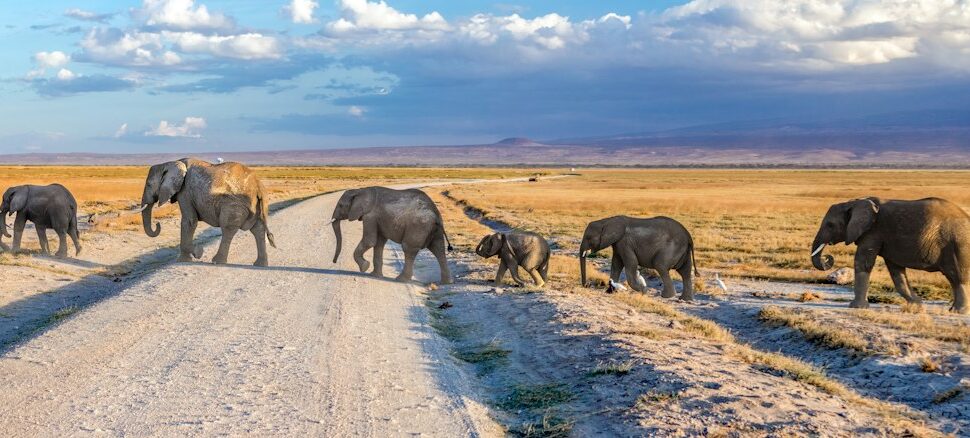
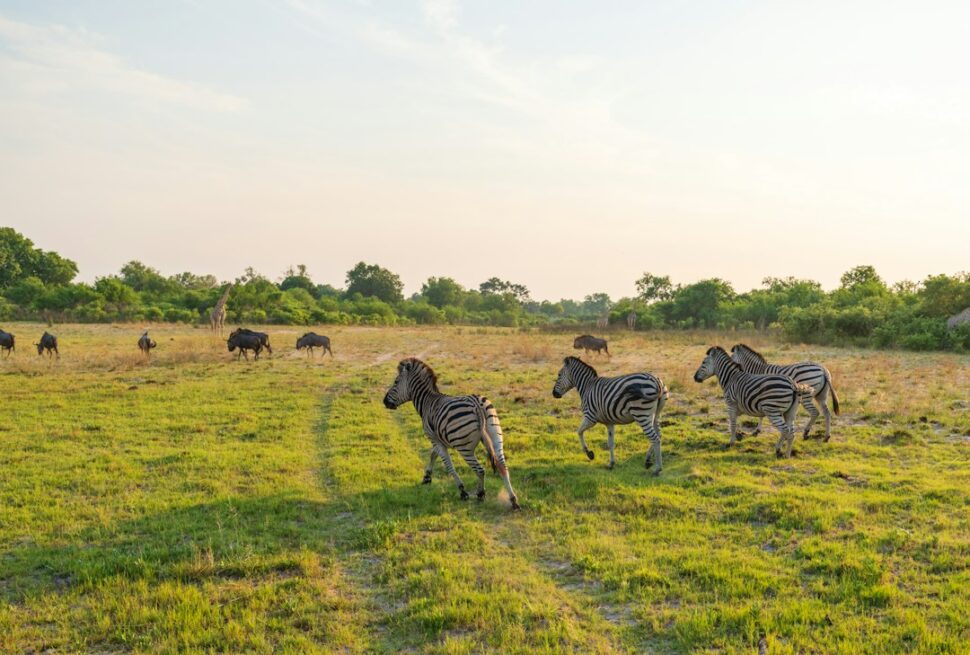
A Uganda volunteer trip with a safari at the end usually means seven to ten days with a partner school, clinic or conservation project, followed by four or five days of chimpanzees, a boat safari and, for those aged 15 and over, mountain gorillas. Planned as one journey, the safari rewards the team without overshadowing the work.
The difficult parts are rarely the animals. Group leaders lose sleep over the paperwork for unpaid work, the jump from a village guesthouse to a safari lodge, safeguarding, and long Ugandan road days with a tired team. This guide is written for the organiser of a school, university, church or charity group. It covers visas and passes, a sample 12-day plan, permits, vehicles and rooming, and how to choose a project you can defend, with our student and study tour safaris as the simplest way to put the safari half together.

Quick Facts
- Typical length: 12-16 days for a Uganda volunteer trip, of which 4-6 are safari days
- Tourist visa: US$50 single entry, applied for online (checked November 2026)
- Gorilla permit: US$800 per person for foreign non-residents, age 15 and over (checked November 2026)
- Chimpanzee permit, Kibale: US$300 per person, age 12 and over (checked November 2026)
- Driest months: June to August and December to February
- Longest drive: Kampala to Bwindi, about 550 km and 8-9 hours
- Group policy: one free place for every six paying travellers on our group trips
What Does a Uganda Volunteer Trip With a Safari Look Like?
A Uganda volunteer trip with a safari normally has two halves: a project week based in one town or village, then a circuit through two or three national parks. The project half is run by your partner organisation; the safari half is a private group trip with its own vehicles, guides and permits.
Most teams fly into Entebbe, rest for a night, then travel to the project. Common bases are the Jinja and Mukono area east of Kampala, the Fort Portal area near Kibale Forest, and the south-west around Kabale and Lake Bunyonyi, which sits close to Bwindi. The location of your project decides which parks fit a Uganda volunteer trip, because Uganda’s distances are long and the roads are slow in places.
Ready to go? Book your customized safari instantly on WhatsApp — we'll take it from there.

Instantly on
Matching the project base to the parks
A project near Jinja pairs naturally with Murchison Falls, which is about four and a half hours from Kampala by road, and with a Nile day on the water. A Fort Portal project sits on the doorstep of Kibale, so chimpanzee trekking can happen on the last morning of the project week. A south-western project puts Bwindi’s gorillas within a short drive, which saves the group a full day on the road compared with starting in Kampala.
Who these trips suit
The format works best for secondary school and university groups, church teams, medical and engineering student societies, and charity supporters visiting a project they already fund. A Uganda volunteer trip suits groups of 8 to 30 people. Below eight, the costs of vehicles and guides are shared by fewer people; above 30, lodges in Bwindi and Kibale become hard to fill in one property.
Do Volunteers Need a Special Pass in Uganda?
Uganda’s immigration website does not say directly whether unpaid volunteering counts as work. The tourist visa covers tourism, visits and similar purposes, while short contract work needs a Special Pass. Ask your host organisation to confirm in writing which document your team needs before anyone applies.
The tourist visa costs US$50, is single entry and is granted for up to three months (checked November 2026). The Special Pass on the Uganda immigration portal is described as a temporary pass for short contracts, and its listed fee is US$400 for three months (checked November 2026). Applications include a covering letter explaining the reason and length of stay, so a registered host organisation that writes that letter makes the process far smoother. Rules can change, so confirm both with the Directorate of Citizenship and Immigration Control before booking.
Yellow fever and other entry details
In October 2026 Uganda’s Ministry of Internal Affairs clarified that a yellow fever certificate is not a condition of entry. Uganda is still a yellow fever risk area, so speak to a travel clinic about the vaccine, and check the rules of any country you visit afterwards. Our East Africa Tourist Visa guide explains the shared visa if your team is also visiting Kenya or Rwanda.
How Should a Uganda Volunteer Trip Split Project and Safari Days?
A good Uganda volunteer trip puts the project first and the safari last. Volunteers arrive fresh for the work, build relationships while energy is high, and finish with the parks as a reward and a decompression before the flight. A safari in the middle breaks the rhythm of the project and is harder on the host community.

Plan at least one rest day inside the project week of any Uganda volunteer trip. Volunteers who have never worked in heat, at altitude in the south-west, or with long days of children’s activities tire quickly, and a tired team makes poor decisions.
A 12-day Uganda volunteer trip, day by day
This sample Uganda volunteer trip assumes a project in the Fort Portal area and a safari that finishes in Bwindi. It can be reversed for a south-western project.
| Days | Where | What happens |
|---|---|---|
| Day 1 | Entebbe | Arrival, welcome and safety briefing, early night |
| Day 2 | Road to Fort Portal | About 5-7 hours by road, with stops; meet the host team in the evening |
| Days 3-7 | Project base | Four project days and one rest day, run by the host organisation |
| Day 8 | Kibale | Chimpanzee trekking (12+) and the Bigodi Wetland walk for everyone |
| Day 9 | Queen Elizabeth | Drive past the crater lakes, afternoon Kazinga Channel boat cruise |
| Day 10 | To Bwindi | Morning game drive, then south to Bwindi |
| Day 11 | Bwindi | Gorilla trekking (15+); community or forest walk for younger members |
| Day 12 | Entebbe | Long drive or a domestic flight back for the evening departure |
The return from Bwindi to Entebbe is the hardest day of the Uganda volunteer trip by road. For tired teams, a domestic flight from an airstrip near the park replaces most of it, and we price both options so the group can choose. Our 10-day Uganda student study tour uses the same parks in a slightly different order and shows how the safari days flow.
See how we run study and volunteer group safaris
Private vehicles, driver guides who work with student and charity groups, permits booked early and a risk overview for leaders before you travel.
Which Safari Add-On Suits a Volunteer Team?
The best safari add-on for a volunteer team is the one closest to the project, with one highlight per day. Kibale’s chimpanzees, the Kazinga Channel in Queen Elizabeth National Park and Bwindi’s gorillas form the classic western circuit; Murchison Falls suits projects in the east and centre.

The Kazinga Channel boat cruise is the easiest win on a Uganda volunteer trip with a mixed group: no age limits beyond the boat operator’s rules, no fitness test, and close views of hippos, buffalo, elephants and water birds. Kibale suits groups with a science or conservation angle, and the community-run Bigodi Wetland walk gives everyone, including under-12s, a guided forest experience.
How many safari days are enough?
Four to five safari days is the sweet spot for a Uganda volunteer trip. Fewer than four and the drive time eats the wildlife time; more than six and the trip starts to feel like a holiday with a project attached, which can be hard to explain to supporters who funded the work. Our post on the best national parks in Uganda compares the options in more depth.
Gorilla and Chimpanzee Permits on a Uganda Volunteer Trip
Gorilla and chimpanzee permits are the biggest single costs of a Uganda volunteer trip safari, and they sell out first. A gorilla permit costs US$800 per foreign non-resident and a Kibale chimpanzee permit US$300, under the tariff that took effect in July 2026 (checked November 2026 against published Uganda Wildlife Authority rates).

Each habituated gorilla family can be visited by up to eight people a day, so a group of 16 treks to two families at the same time, with separate rangers. Treks last from one to six hours on steep, muddy trails, and porters can be hired to carry bags and help on the slopes. Our guide to group gorilla trekking in Uganda explains how larger parties are split. Check current rates on the Uganda Wildlife Authority website before you set the budget, because permits are paid at the rate in force on the trekking date.
Age limits for younger volunteers
Gorilla trekking is open only to people aged 15 and over, and chimpanzee trekking to those aged 12 and over. School groups with younger pupils on a Uganda volunteer trip need a parallel plan for that morning: a Batwa community visit near Bwindi, a guided forest walk or a relaxed lodge morning with a staff member. Tell us everyone’s age at the quote stage so permits are only bought for eligible travellers.
Vehicles, Rooming and Group Pricing for Volunteers
Teams on a Uganda volunteer trip travel best in 4×4 safari vehicles with pop-up roofs, each with its own driver guide. We usually plan around six or seven passengers per vehicle so everyone has a window, which means a team of 20 needs three vehicles plus luggage space for donated equipment if you are bringing any.
Rooming is the other big lever. Students normally share twins or triples, leaders take single rooms, and safeguarding rules usually require leaders to sleep near the students’ rooms. Mid-range lodges in Kibale and Bwindi have a limited number of rooms, so a group of 25 or more may be split between two neighbouring properties on gorilla nights.
How group pricing works
Prices for a Uganda volunteer trip depend on dates, numbers and room types, so every group is quoted personally. On our group trips the seventh place is free for every six paying travellers, which usually covers a leader. A 30-40% deposit holds rooms and permits, and the balance is due two to four weeks before travel. Each family or supporter can pay their own share directly, which saves the organiser from collecting money. Our page on how to organise a group safari walks through the booking steps.
Why a private group trip beats joining strangers
A private Uganda volunteer trip keeps the team together after the project, when people want to talk about what they saw. Your leaders control timings, rest days, phone rules and who sits where, and the itinerary bends around your project dates rather than a fixed departure. See the wider range of group safaris we plan for schools, clubs and families.
Choosing a Responsible Project in Uganda
The right project for a Uganda volunteer trip is run by Ugandans, asks for the skills your group actually has, and would carry on without you. Before signing up, ask the host what they need, who decides, and what happens after your team leaves. If the answers are vague, look elsewhere.
Child protection organisations have warned for years that short-term volunteering and visits at orphanages can harm children and even encourage children to be separated from their families. Choose schools, community health programmes, tree planting, conservation work or construction overseen by local tradespeople instead. Treat the work as learning and partnership rather than rescue.
Health, safety and safeguarding
Uganda is a malaria country, so everyone on a Uganda volunteer trip needs advice from a travel clinic, insect repellent and long sleeves for evenings. Insist on DBS or equivalent checks for adults working with children, a clear photo policy, and a rule that nobody is ever alone with a child. Good travel insurance with medical evacuation cover is essential for every traveller, leaders included.
Insider Tips
- Book permits first: Secure gorilla permits for your Uganda volunteer trip as soon as dates are fixed; rooms can be adjusted later, permits often cannot
- Get the letter early: Ask your host for a signed invitation letter that states the purpose of the visit
- Ship nothing blind: Ask the host what equipment they want before packing donations, and keep receipts for customs
- Budget the free afternoon: Plan one unstructured afternoon at a lodge after the project to let the team reflect
- Carry small notes: Bring clean, recent US dollar notes for tips and lodge extras, and keep shillings for local spending
- Brief the team on photos: Agree before departure when people may photograph children and how images will be shared
Let us plan the safari after your project
Tell us your project location, dates, group size and ages, and our Nairobi team will send a free tailor-made group itinerary and quote.
Frequently Asked Questions
How long should a Uganda volunteer trip with a safari be?
A Uganda volunteer trip with a safari works best at 12 to 16 days. That allows a travel day at each end, five to eight days on the project including a rest day, and four to five safari days. Shorter trips tend to cut the project, while longer ones suit university groups with more flexible terms.
Can volunteers in Uganda use a tourist visa?
Volunteers in Uganda should not assume a tourist visa is enough. The immigration website lists the tourist visa for tourism and visits and a Special Pass for short contract work, without stating where unpaid volunteering falls. Ask your host organisation to confirm the correct document in writing, and check with the immigration directorate before you apply.
Can under-15s join the safari part of a Uganda volunteer trip?
Under-15s can join most of the safari part of a Uganda volunteer trip, including game drives, the Kazinga Channel cruise and the Bigodi Wetland walk. They cannot trek gorillas, which requires a minimum age of 15, and chimpanzee trekking in Kibale requires age 12. We plan supervised alternatives for younger members on those mornings.
When is the best time for a Uganda volunteer trip?
The best time for a Uganda volunteer trip is June to August or December to February, the driest months for forest trekking and long road days. These months also match most school and university holidays. Uganda can be visited all year, though, and rain in the wetter months usually falls in heavy but short showers.
How many vehicles does a volunteer group need in Uganda?
A volunteer group in Uganda needs roughly one 4×4 safari vehicle for every six or seven people, so a team of 20 travels in three vehicles. That gives everyone a window seat and space for luggage. A larger team may also need a separate luggage vehicle if it is carrying donated equipment to the project.
Final Thoughts
The strongest Uganda volunteer trip puts a well-chosen, locally led project first and a short, unhurried safari second, with permits and paperwork settled months ahead. Get the project base right and the parks fall into place around it. Send us your project location and dates, and we will build the safari half around them.
Not sure which parks fit around your project dates?
Chat with a Divulge Adventures safari consultant on WhatsApp for honest advice, a quick answer and a quote built around you.