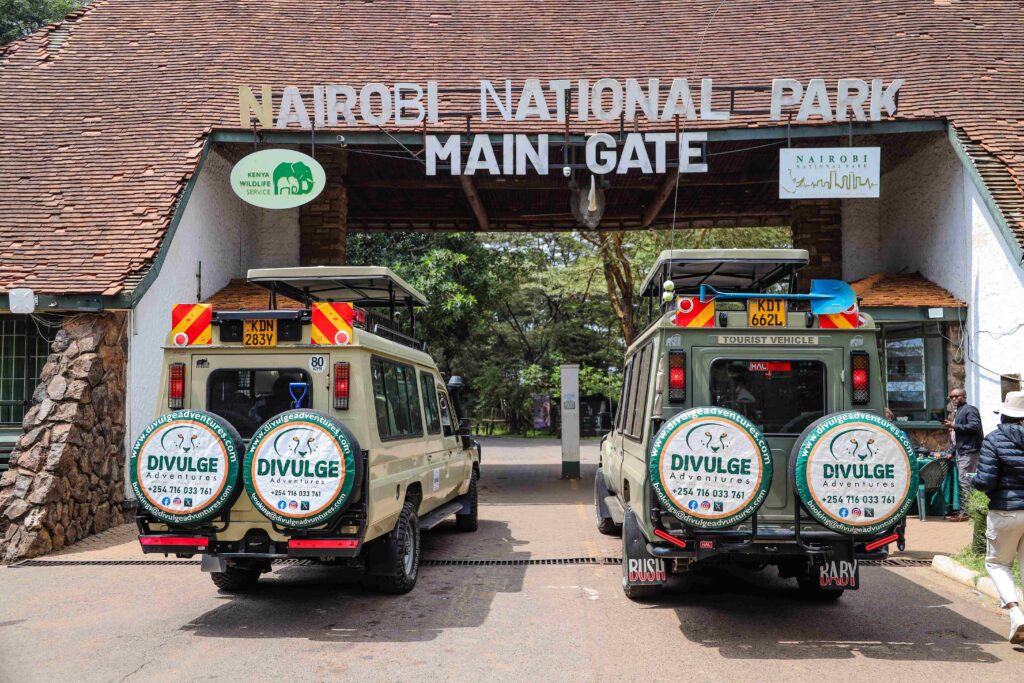
When travelers think about African safaris, they often imagine vast remote wilderness areas far away from urban life, where wildlife roams freely across endless plains untouched by modern development. However, Kenya offers something truly extraordinary and incredibly rare in the world of wildlife tourism , a fully protected national park located just minutes away from a bustling capital city.
Situated only a short drive from the heart of Nairobi, Nairobi National Park stands as one of Africa’s most unique conservation areas. It remains the only national park in the world located so close to a major capital city while still supporting free-roaming populations of lions, rhinos, giraffes, buffaloes, cheetahs, zebras, and hundreds of bird species.
For both local and international travelers, Nairobi National Park offers an unforgettable safari experience without requiring long-distance travel into remote wilderness regions. The remarkable contrast between wild animals roaming freely against the backdrop of city skyscrapers creates a visual experience unlike anywhere else on the continent.
For travelers visiting Kenya, this park remains one of the country’s most fascinating wildlife destinations.
The Unique Location of Nairobi National Park
What makes Nairobi National Park globally famous is its unusual location.
Unlike most safari parks situated deep within rural conservation zones, Nairobi National Park sits approximately seven kilometers south of Nairobi’s city center. Established in 1946, it was Kenya’s very first national park and remains one of the country’s most important conservation areas.The park covers approximately 117 square kilometers, making it relatively smaller than many other East African parks, yet incredibly rich in biodiversity.
Its proximity to urban development creates one of the world’s most fascinating wildlife contrasts.It is entirely possible to witness a pride of lions resting in open grasslands while modern city skyscrapers rise in the distance behind them.This rare combination of wilderness and urban life makes Nairobi National Park one of Africa’s most unusual safari destinations.
Few places in the world offer anything remotely similar.For travelers with limited time, it provides the opportunity to experience a genuine safari without leaving the city behind entirely.
Incredible Wildlife Found Inside the Park
Despite its relatively compact size, Nairobi National Park hosts an impressive variety of wildlife species.The park is particularly well known for protecting large populations of endangered black rhinos, making it one of Kenya’s most important rhino conservation areas.
Visitors frequently encounter:
- Lions
- Black rhinos
- White rhinos
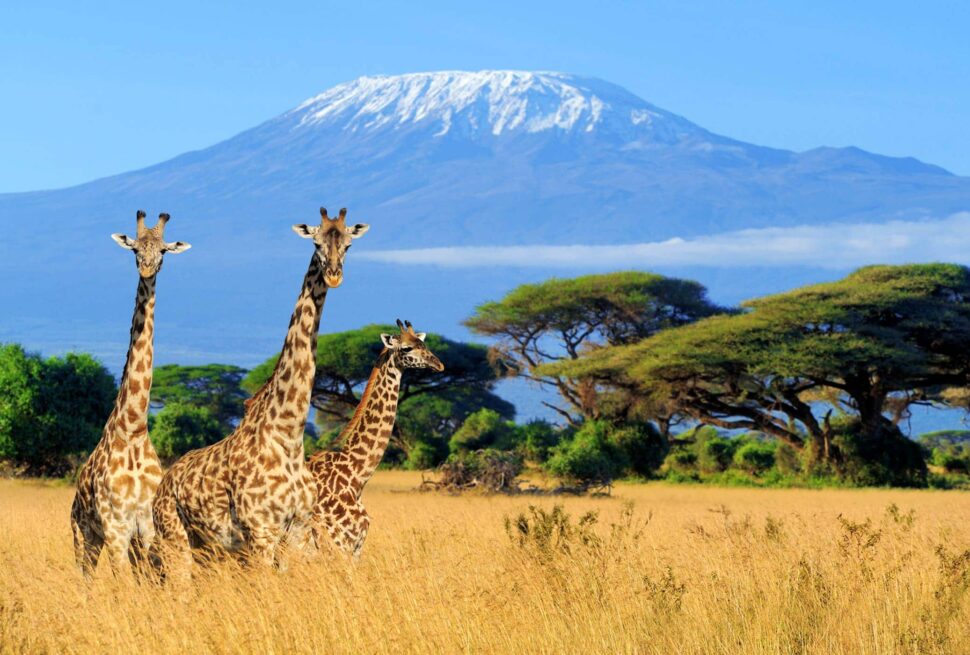
- Giraffes
- Buffaloes
- Zebras
- Cheetahs
- Hyenas
- Warthogs
- Elands
- Gazelles
- Ostriches
Although elephants are not found within Nairobi National Park due to its size and ecological limitations, the wildlife diversity remains extraordinary.Predator sightings are particularly exciting.Many visitors feel surprised by how wild the experience feels considering the park’s location so close to the cityThe fact that large predators like lions and cheetahs roam freely within sight of an urban skyline makes every game drive feel uniquely memorable.For photographers, the park creates stunning opportunities impossible to recreate elsewhere.
Why Nairobi National Park Is Perfect for First-Time Safari Travelers
For travelers visiting Kenya for the first time, Nairobi National Park serves as an ideal introduction to safari experiences.Traditional safaris often require domestic flights or long overland drives toward destinations like Maasai Mara National Reserve, Amboseli National Park, or Tsavo National Park.Nairobi National Park removes these logistical challenges completely.Travelers can leave their hotel in central Nairobi and begin spotting wildlife within a very short period.
This makes the park especially ideal for:
- Short layovers in Nairobi
- Business travelers with limited time
- First-time safari visitors
- Families traveling with children
- Budget-conscious travelers avoiding expensive domestic flights
The accessibility of the park allows visitors to experience Kenya’s wildlife without extensive planning.Even a half-day safari can deliver incredible sightings.This convenience has made Nairobi National Park one of Kenya’s most visited wildlife destinations.
The Famous Black Rhino Conservation Success Story
One of Nairobi National Park’s greatest conservation achievements involves protecting endangered black rhinos.The black rhinoceros population across Africa has declined dramatically over recent decades due to illegal poaching driven by demand for rhino horn.Kenya has invested heavily in protecting rhino populations, and Nairobi National Park has become one of the country’s most successful rhino sanctuaries.
Because the park is fenced on several sides and closely monitored by conservation authorities, rhino protection efforts remain stronger compared to larger remote ecosystems where monitoring becomes more difficult.Visitors often have excellent opportunities to observe black rhinos grazing peacefully in open grasslands.For wildlife enthusiasts, this remains one of the park’s biggest highlights.Seeing an endangered rhino in its natural environment often becomes one of the most meaningful safari experiences visitors remember.Conservation here plays a critical role in protecting one of Africa’s most threatened species.
Best Time to Visit Nairobi National Park
Although the park remains open throughout the year, certain seasons improve wildlife viewing opportunities significantly.
Kenya generally experiences two major dry seasons:
- January to March
- June to October
During dry periods, shorter vegetation and reduced water availability make animals easier to locate.Predators often become easier to spot because prey species gather around remaining water sources.Early mornings generally offer the best safari experience.Wildlife activity tends to increase during cooler temperatures shortly after sunrise.
Visitors traveling during rainy seasons may experience greener landscapes and fewer crowds, although dense vegetation can make wildlife slightly harder to find.Bird lovers often enjoy wetter months because migratory bird species become more abundant.The park offers rewarding experiences year-round.Timing simply influences the style of wildlife encounters visitors experience.
Bird Watching Opportunities
While large mammals attract most safari visitors, Nairobi National Park also offers exceptional birding experiences.The park supports more than 400 recorded bird species, making it a remarkable destination for bird enthusiasts.
Popular species commonly spotted include:
- Secretary birds
- Crowned cranes
- African fish eagles
- Kori bustards
- Ostriches
- Vultures
- Martial eagles
- Sunbirds
- Hornbills
Wetland areas inside the park create excellent habitats for water birds and migratory species depending on the season.Serious bird watchers often dedicate entire visits specifically to observing avian diversity.The park’s relatively open landscapes make bird identification easier compared to denser forest environments.For photographers specializing in bird photography, the opportunities remain outstanding.Wildlife diversity extends far beyond mammals alone.
Safari Activities Beyond Game Drives
Most visitors associate Nairobi National Park primarily with vehicle safaris, but the surrounding conservation area offers several fascinating experiences beyond traditional game drives.One popular destination nearby is the David Sheldrick Wildlife Trust, internationally known for rescuing orphaned baby elephants and rehabilitating them before release into protected wilderness areas.
Another important nearby attraction is the Giraffe Centre, where visitors learn about endangered Rothschild giraffe conservation.The park is also located near the Kenya Wildlife Service headquarters, where conservation education programs often take place.
Combining these experiences allows travelers to understand Kenya’s broader wildlife conservation efforts beyond simply observing animals.Safari tourism becomes far more meaningful when visitors understand the conservation work happening behind the scenes.Nairobi offers this educational dimension exceptionally well.
Photography Opportunities Unlike Anywhere Else
One reason photographers love Nairobi National Park is the surreal contrast between wilderness and modern city infrastructure.Capturing a giraffe walking across open grasslands while Nairobi skyscrapers rise in the distance creates images impossible to replicate elsewhere in Africa.Early morning light often produces especially dramatic photographs.Golden sunrise conditions combined with wildlife movement make the park exceptionally rewarding for photography enthusiasts.
Popular photography subjects include:
- Lions against urban skyline backdrops
- Giraffes silhouetted during sunrise
- Rhinos grazing on open plains
- Cheetahs moving through tall grass
- Birdlife near seasonal wetlands
Because the park is compact, photographers often encounter wildlife relatively quickly compared to larger safari destinations.This improves opportunities for capturing multiple species within shorter visits.Every drive offers new visual possibilities.The park’s unique geography makes every image instantly recognizable.
Why Nairobi National Park Matters for Conservation
As Nairobi continues expanding rapidly, Nairobi National Park represents a vital reminder that conservation and modern development must coexist carefully.Urban growth increasingly pressures wildlife migration routes surrounding the park.Protecting this ecosystem remains crucial not only for tourism but also for long-term biodiversity preservation.
The park symbolizes Kenya’s long-standing commitment to wildlife conservation.It demonstrates that even areas near large cities can continue protecting vulnerable species when proper conservation policies remain in place.Every park visit directly contributes to supporting ongoing conservation work.Tourism revenue helps fund anti-poaching operations, habitat protection, veterinary care, and educational conservation initiatives.
For many visitors, understanding this deeper conservation role transforms the safari experience.It becomes more than recreation.It becomes participation in protecting Africa’s natural heritage.
Conclusion
Nairobi National Park remains one of Africa’s most extraordinary wildlife destinations.Nowhere else can travelers witness lions, rhinos, giraffes, and cheetahs roaming freely against the backdrop of a modern capital city.
Its accessibility, remarkable biodiversity, strong conservation importance, and uniquely urban-wilderness setting make it one of Kenya’s most fascinating safari experiences.
Whether you are a first-time safari traveler, a photographer seeking rare landscapes, a family looking for an educational wildlife adventure, or simply someone wanting to experience Kenya’s incredible natural beauty without leaving the city behind, Nairobi National Park offers an unforgettable journey.Sometimes the most extraordinary wildlife experiences happen in the places travelers least expect.And Nairobi National Park proves exactly that.A true African safari can begin just minutes away from the city skyline.