Sunrise Over the Savannah: A 2026 Balloon Safari Guide
A hot air balloon safari transforms the traditional game drive into a breathtaking aerial adventure, offering panoramic views of the endless savannah. Few safari experiences rival the magic of drifting silently above the golden plains of the Masai Mara National Reserve as the African sun rises over the horizon.
For many travelers planning a Kenyan safari in 2026, the big question remains: Is a hot air balloon safari worth it? The short answer is yes—especially for travelers seeking a once-in-a-lifetime perspective of the Mara. However, understanding the costs, logistics, timing, and overall experience can help you decide whether this premium activity fits your travel goals and budget.
This guide explores everything you need to know about a hot air balloon safari, from the early morning wake-up calls to the famous champagne breakfast in the bush.
Why a Hot Air Balloon Safari Is So Special
Traditional game drives immerse you in the wildlife at ground level. However, a balloon safari offers something entirely different: perspective. Floating hundreds of feet above the plains gives you a cinematic view of the ecosystem that simply cannot be replicated from a safari vehicle.
Ready to go? Book your customized safari instantly on WhatsApp — we'll take it from there.
 Book
BookInstantly on
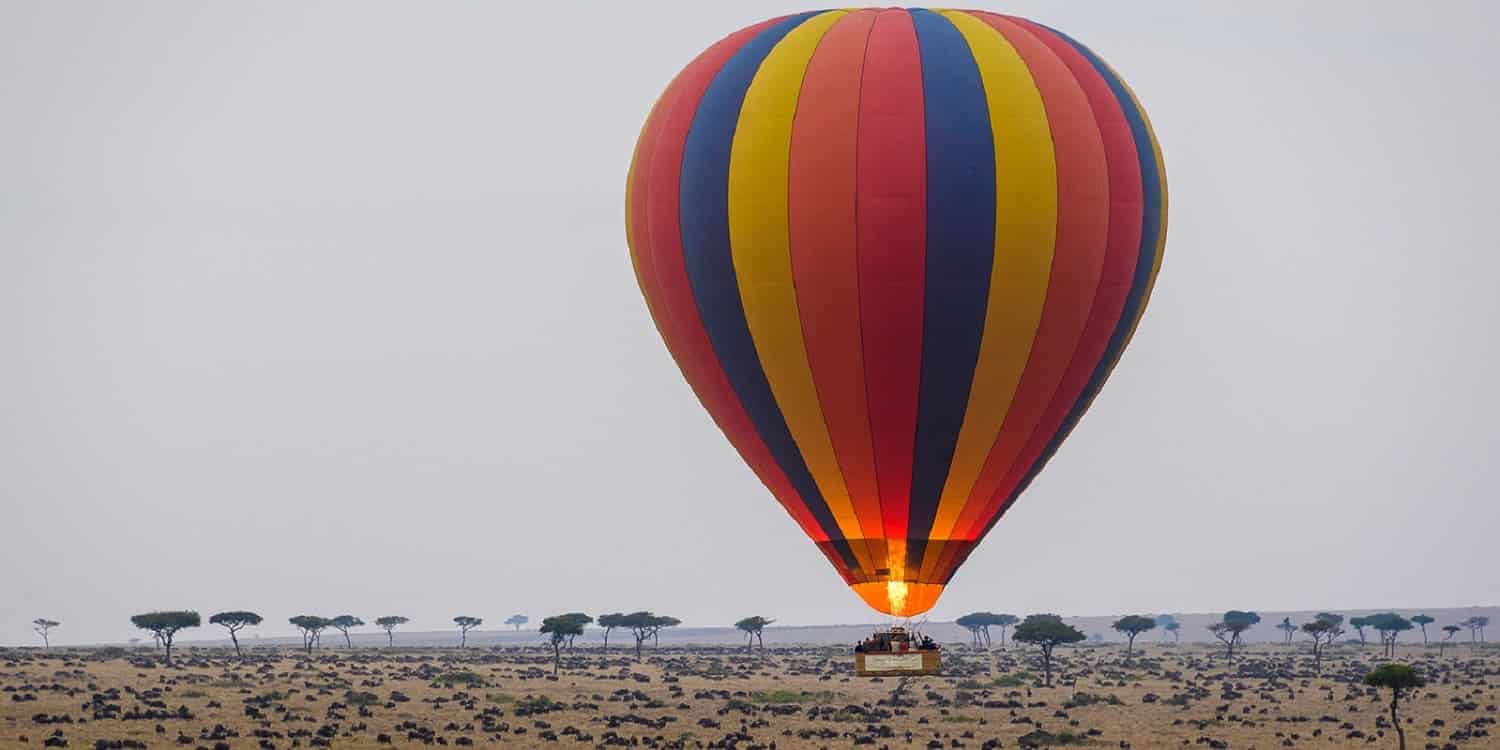
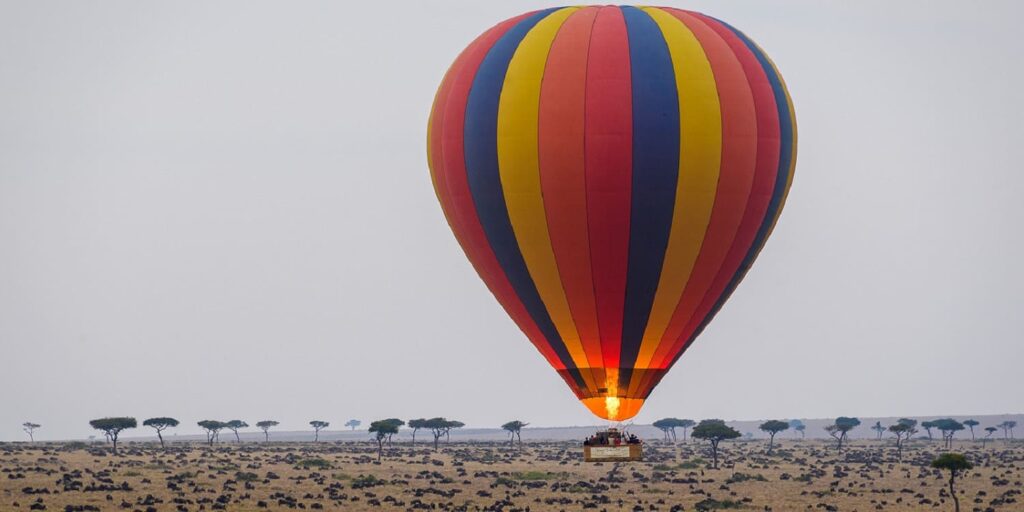
As dawn breaks, the Mara awakens beneath you. Herds of wildebeest stretch across the grasslands, elephants move slowly through acacia woodlands, and hippos retreat into the rivers after a night of grazing. The silence is part of the magic—aside from the occasional roar of the burner, the flight is peaceful and almost surreal. Unlike helicopters or small aircraft, balloons drift gently with the wind, creating a calm and immersive experience. Many travelers describe it as one of the most unforgettable moments of their lives.
The Logistics: 5:00 AM Wake-Up Calls and Pre-Flight Safety Briefings
A hot air balloon safari begins long before sunrise. Most camps and lodges in the Mara arrange wake-up calls between 4:30 AM and 5:00 AM. While this may sound extreme during a vacation, it is essential because flights launch at dawn when wind conditions are safest and most stable.
Guests are usually transferred from their lodges in specially arranged safari vehicles. Driving through the dark plains before sunrise already feels adventurous, as nocturnal animals are often still active.
Upon arriving at the launch site, travelers gather around the massive balloons as crews inflate them using powerful burners and fans. Watching the balloon slowly rise against the dark pre-dawn sky is an experience in itself.
Before boarding, pilots conduct a detailed safety briefing. Passengers are shown:
How to enter and exit the basket safely
Proper landing positions
What to expect during takeoff and landing
Safety precautions during the flight
Most balloons carry between 12 and 16 passengers, depending on the operator and basket configuration. The baskets are divided into compartments to ensure balance and comfort.
Despite concerns some travelers may have about heights, balloon rides are generally smooth and stable. Because the balloon moves with the wind rather than against it, there is very little sensation of motion.
What to Wear
Morning temperatures in the Mara can be surprisingly cold before sunrise, especially between June and August. Layered clothing is recommended, including:
- A light jacket or fleece
- Comfortable closed shoes
- Neutral safari colors
- Sunglasses and a hat
As the sun rises, temperatures warm quickly, making lightweight clothing more comfortable later in the morning.
The View from Above: Aerial Perspectives of the Great Migration and the Mara River
The highlight of any hot air balloon safari is undoubtedly the extraordinary aerial view. From above, the Mara reveals patterns and wildlife movements invisible from the ground. Rivers snake through the landscape, elephant trails become visible, and predator-prey interactions unfold naturally across vast distances. The Great Migration from the Sky If you visit between July and October, you may witness the legendary Great Migration from above. Millions of wildebeest, zebras, and gazelles move between Tanzania and Kenya in search of fresh grazing land.
Seeing these enormous herds from the air is astonishing. What appears massive from the ground becomes even more dramatic when viewed across miles of open savannah. One of the most iconic sights is the Mara River crossings. From the balloon, travelers may observe wildebeest gathering nervously along the riverbanks before plunging into crocodile-filled waters. Because balloons move silently, wildlife below often behaves naturally and undisturbed. This creates excellent photography opportunities for wildlife enthusiasts and content creators.
Wildlife Spotting Beyond the Migration
Even outside migration season, balloon safaris remain spectacular. Travelers commonly spot:
- Elephants moving in family groups
- Giraffes browsing treetops
- Lions resting after night hunts
- Hyenas returning to dens
- Hippos in river pools
- Buffalo herds crossing the plains
Bird enthusiasts also enjoy the aerial perspective, particularly around wetlands and river systems where birdlife is abundant.
Photography Tips -A balloon safari provides exceptional photography opportunities, but preparation matters.
For the best results:
- Bring a camera with image stabilization
- Use a zoom lens if possible
- Avoid changing lenses mid-flight
- Secure all equipment with straps
- Keep phones and cameras protected during landing
- Sunrise lighting across the savannah creates golden tones ideal for landscape photography.
The Champagne Breakfast: The Tradition of Dining in the Bush After Touchdown
One of the most beloved traditions associated with a hot air balloon safari is the post-flight champagne breakfast. After approximately one hour in the air, the balloon descends gently onto the plains. Ground crews arrive quickly, and passengers are often greeted with champagne or fresh juice immediately after landing.
This tradition dates back to the earliest balloon expeditions in Europe and Africa, where successful flights were celebrated with champagne. In the Mara, the experience becomes even more memorable because breakfast is usually served in the wilderness under acacia trees.
Depending on the operator, breakfast menus may include:
- Eggs cooked to order
- Sausages and bacon
- Pancakes
- Fresh fruits
- Kenyan coffee and tea
- Sparkling wine or champagne
Dining in the middle of the savannah while wildlife roams nearby creates an atmosphere unlike any ordinary breakfast experience. Some operators also provide certificates commemorating the flight, adding a fun souvenir element to the adventure.
Costs & Licensing: Understanding the KES 50,000 (~$380–$450) Operational Fees for 2026
A hot air balloon safari is considered one of the most premium safari activities in East Africa. Prices for 2026 are expected to range between KES 50,000 and KES 60,000 per person, approximately USD 380–450, depending on the operator, season, and package inclusions.
At first glance, many travelers wonder why balloon safaris are so expensive. The answer lies in the significant operational and licensing requirements involved. Operating a balloon safari in the Mara involves a variety of costs.
Why Balloon Safaris Cost So Much
Operating a balloon safari in the Mara involves:
- Specialized aviation equipment
- Highly trained licensed pilots
- Fuel and maintenance costs
- Safety compliance inspections
- Ground crew salaries
- Insurance coverage
- Park operation permits
- Transportation logistics
Is a Hot Air Balloon Safari Worth It? For most travelers visiting the Masai Mara National Reserve, the answer is a resounding yes. A hot air balloon safari combines adventure, luxury, photography, wildlife, and breathtaking scenery into one unforgettable sunrise experience.
The balloons themselves are extremely expensive to maintain and replace. In addition, operators must follow strict aviation and wildlife conservation regulations.
What Is Usually Included
Most balloon safari packages include:
- Lodge transfers
- The one-hour balloon flight
- Champagne breakfast
- Bush breakfast setup
- Flight certificate
Some luxury lodges even include balloon safaris within premium safari packages.
Is It Worth the Price?
Whether a hot air balloon safari is worth it depends largely on your travel priorities. For budget travelers focused primarily on game drives, the additional cost may feel difficult to justify. However, for honeymooners, photographers, first-time safari visitors, and travelers celebrating special occasions, the experience often becomes the highlight of the trip. Unlike many tourist activities, balloon safaris in the Mara offer a genuinely unique perspective that cannot easily be replicated elsewhere.
When to Book: Why These Flights Are Weather-Dependent and Require Flexible Travel Dates
Timing is critical when planning a hot air balloon safari.
Because balloons rely heavily on stable wind and weather conditions, flights are entirely weather-dependent. Strong winds, heavy rain, or poor visibility can result in cancellations, sometimes even minutes before scheduled takeoff.
Best Seasons for Balloon Safaris
The dry seasons generally provide the most reliable flying conditions:
- July to October
- January to February
These months also coincide with excellent wildlife viewing opportunities. The migration season between July and October is particularly popular, meaning flights often sell out months in advance.
Why You Should Book Early
Balloon operators have limited passenger capacity each morning. Unlike game drives, which can accommodate multiple vehicles daily, only a certain number of balloons can safely operate each sunrise.
Travelers visiting during peak safari months should ideally reserve balloon safaris:
3–6 months in advance for standard travel
6–12 months ahead for migration season
Keep Flexible Dates
Because cancellations can occur due to weather, experienced safari planners recommend scheduling the balloon safari early in your itinerary whenever possible.This allows operators to reschedule the experience on another morning if conditions are unsafe. Travel insurance that covers activity interruptions can also be beneficial, especially for international travelers.
Who Should Consider a Hot Air Balloon Safari?
A hot air balloon safari is particularly ideal for:
- Honeymooners
- Luxury travelers
- Wildlife photographers
- First-time safari visitors
- Families celebrating milestones
- Adventure seekers
It may be less suitable for travelers with:
- Severe fear of heights
- Mobility challenges affecting basket entry
- Extremely tight safari budgets
However, many people who initially feel nervous about heights report feeling surprisingly calm once airborne.
Conclusion
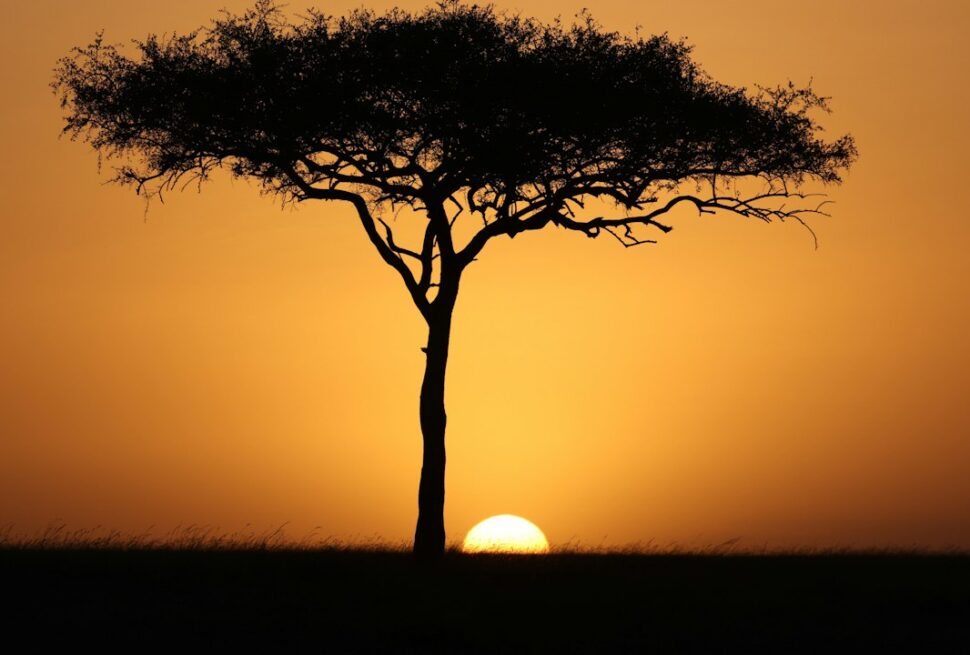
Watching the first rays of sunlight spread across the savannah while elephants wander below and distant lion calls echo through the plains is something few travel experiences can rival. If your safari budget allows room for one extraordinary splurge in 2026, floating above the Mara at sunrise may well be the experience that stays with you forever.
A hot air balloon safari combines adventure, luxury, photography, wildlife, and breathtaking scenery into one unforgettable sunrise experience. While the cost is undeniably high, the memories created often become the defining moment of an African safari. Watching the first rays of sunlight spread across the savannah while elephants wander below and distant lion calls echo through the plains is something few travel experiences can rival. If your safari budget allows room for one extraordinary splurge in 2026, floating above the Mara at sunrise may well be the experience that stays with you forever.