Beyond the Safari: Connecting with the Heart of Maasai Culture
For many travelers visiting Kenya, the dream of an African safari begins with images of lions resting beneath acacia trees, elephants crossing golden savannahs, and thousands of wildebeests moving dramatically across the plains during the Great Migration. Yet beyond the extraordinary wildlife and breathtaking landscapes lies another unforgettable part of the journey—discovering the richness of Maasai culture.
The Maasai people are among Africa’s most iconic Indigenous communities. Recognized worldwide for their vibrant red shukas, intricate beadwork, proud warrior traditions, and deep connection to nature, the Maasai have preserved their cultural identity for generations despite the rapid modernization happening around them.
Living across southern Kenya and northern Tanzania, particularly around the Masai Mara National Reserve and the Serengeti ecosystem, the Maasai continue to play an essential role in wildlife conservation and environmental stewardship. Their traditional knowledge of the land, wildlife behavior, weather patterns, medicinal plants, and grazing systems has helped protect East Africa’s ecosystems for centuries.
Today, travelers are increasingly seeking experiences that go beyond game drives and luxury lodges. Many visitors want meaningful cultural interaction, authentic storytelling, and deeper understanding of the communities that call these landscapes home.
Cultural immersion experiences offer travelers the opportunity to engage with Maasai culture traditions respectfully and responsibly. From visiting traditional villages known as manyattas to joining guided bush walks led by Maasai warriors, these encounters provide insight into a way of life deeply rooted in community, resilience, and coexistence with nature. However, meaningful cultural tourism requires sensitivity and respect. Authentic experiences should empower local communities, preserve traditions, and ensure tourism directly benefits the people sharing their culture.
Ready to go? Book your customized safari instantly on WhatsApp — we'll take it from there.
 Book
BookInstantly on
This guide explores the heart Maasai culturetraditions, the importance of sustainable cultural tourism, and what travelers can expect during authentic Maasai village visits in 2026.
The Role of the Maasai: Stewards of the Land and Wildlife Corridors
Long before the establishment of national parks and conservancies, the Maasai people lived across the grasslands of Kenya and Tanzania alongside some of Africa’s most famous wildlife species.
Traditionally semi-nomadic pastoralists, the Maasai depended heavily on cattle herding as the center of their social, cultural, and economic life. Their movement across the land followed seasonal grazing patterns and water availability, allowing the environment to recover naturally over time. Unlike intensive farming systems that permanently altered landscapes, traditional Maasai land use allowed wildlife and livestock to coexist across vast ecosystems.
Protectors of the Ecosystem
Today, the lands surrounding the Masai Mara National Reserve remain essential for wildlife conservation. Many migration routes used by wildebeests, zebras, elephants, giraffes, and predators pass through Maasai-owned lands outside the official reserve boundaries.
These wildlife corridors are crucial for maintaining ecological balance. Without them, animal populations would face habitat fragmentation, blocked migration routes, and increased human-wildlife conflict. The Maasai therefore play a major role in preserving one of the world’s most important wildlife ecosystems.
Conservancies and Community Conservation
In recent decades, many Maasai communities have partnered with conservation groups and safari operators to create conservancies that protect both wildlife and local livelihoods.
Conservancies such as:
- Mara North Conservancy
- Naboisho Conservancy
- Olare Motorogi Conservancy
operate on land leased from Maasai landowners.
Through tourism revenue, communities receive income while preserving open grazing lands and wildlife habitats instead of converting the land for agriculture or development. This model has become one of Africa’s strongest examples of community-based conservation.
Traditional Ecological Knowledge
The Maasai possess deep environmental knowledge that has been passed down through generations.
This includes understanding:
- Animal migration patterns.
- Weather changes.
- Medicinal plants.
- Water sources.
- Predator behavior.
- Livestock management.
Many safari guides in the Mara draw upon this traditional ecological knowledge to interpret the landscape for visitors.Travelers often discover that Maasai guides can identify animal tracks, explain bird calls, and predict weather changes with remarkable accuracy.
Visiting a Manyatta: What to Expect During an Authentic Village Visit
One of the most popular cultural experiences in the Mara region is visiting a traditional Maasai village, also known as a manyatta.
A manyatta is typically a fenced homestead made up of several small houses constructed using mud, sticks, grass, and cow dung. The design reflects generations of adaptation to the environment and lifestyle of pastoral living. Visiting a manyatta gives travelers an opportunity to learn directly from Maasai families about their traditions, daily routines, and community life.
Traditional Welcome
Many village visits begin with a warm welcome involving singing, chanting, and dancing.The rhythmic songs are an important part of Maasai culturestorytelling and celebration. Guests are often invited to join in, creating an atmosphere that feels lively and interactive .The experience allows travelers to connect with community members in a personal and memorable way.
Learning About Daily Life
During the visit, hosts may explain different aspects of Maasai life, including:
- Livestock keeping.
- Traditional diets.
- Family structures.
- Home construction techniques.
- Beadwork traditions.
- Roles of men and women within the community.
Visitors may also learn about how modernization and education are influencing younger generations while traditions continue to be preserved.
Exploring Traditional Homes
Guests are often invited inside a traditional Maasai home. The interiors are usually simple and practical, designed to protect families from harsh weather and wildlife.
Inside, visitors may see:
- Small cooking areas.
- Sleeping spaces.
- Low ceilings for insulation.
- Storage areas for household items.
The homes are carefully constructed to remain warm at night and cool during the day. For many travelers, stepping inside these homes provides insight into a completely different way of life.
Respectful Photography and Etiquette
Photography is one of the most sensitive aspects of cultural tourism.
Travelers should always:
- Ask permission before taking photos.
- Respect anyone who declines.
- Avoid intrusive photography.
- Listen carefully to guides.
- Dress modestly and respectfully.
- Approach interactions with curiosity and humility.
Authentic cultural experiences should focus on mutual respect rather than treating local communities as tourist attractions.
Avoiding Exploitative Experiences
Not every village visit offers meaningful cultural exchange. Some experiences can feel rushed, staged, or overly commercialized.
Choosing ethical and community-led tourism programs helps ensure:
- Communities control the experience.
- Traditions are shared respectfully.
- Revenue benefits local families directly.
- Cultural dignity is preserved.
Travelers should seek experiences focused on education, storytelling, and genuine interaction.
Traditions and Ceremonies: The Significance of the Jumping Dance (Adumu) and Warrior Transitions
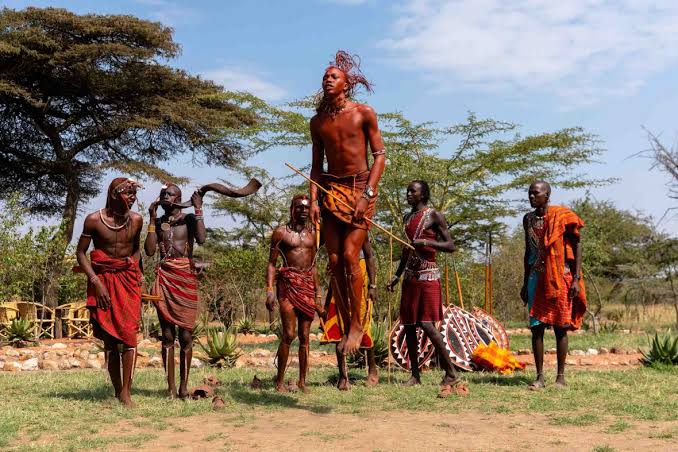
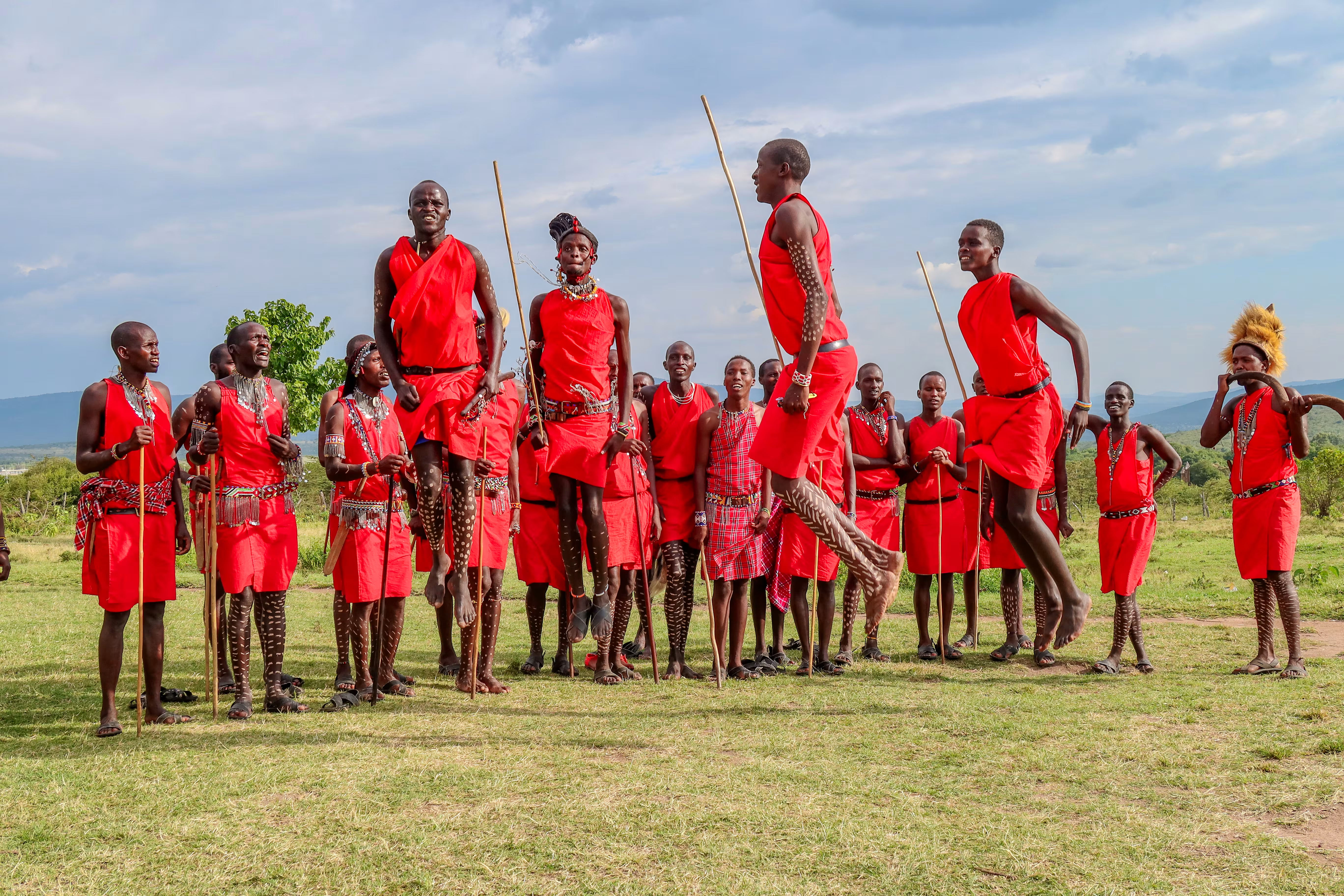
One of the most famous aspects of Maasai culture is the traditional jumping dance known as Adumu. This ceremonial dance is performed primarily by young Maasai warriors, also called morans.
The Meaning Behind Adumu
During Adumu, warriors stand in a circle while individuals take turns jumping vertically into the air. The dance is accompanied by deep rhythmic chanting and synchronized singing from the surrounding group.Although travelers often associate the dance with entertainment, Adumu carries important cultural meaning connected to strength, endurance, pride, and social identity.
Traditionally, young warriors competed to jump the highest without their heels touching the ground. The performance demonstrated physical fitness and stamina while strengthening bonds among warriors.
Warrior Life and Age Sets
Traditional Maasai society is structured through age groups known as age sets. As boys grow older, they pass through different stages marked by ceremonies and increasing responsibilities.
Becoming a moran historically involved:
- Community training.
- Survival skills.
- Livestock protection.
- Leadership education.
- Cultural instruction.
Warriors played a central role in protecting livestock and communities from threats.These transitions were celebrated through elaborate ceremonies involving elders, singing, feasting, and communal gatherings.
The Role of Elders
Elders hold an important place within Maasai society.
They are responsible for:
- Conflict resolution.
- Cultural guidance.
- Decision-making.
- Passing down traditions.
Wisdom and life experience are deeply respected within the community.
Beadwork and Symbolism
Maasai beadwork is not only decorative but also symbolic.
Different colors represent different meanings:
- Red symbolizes courage and unity.
- Blue represents the sky and energy.
- White symbolizes peace and purity.
- Green reflects health and land.
- Orange and yellow signify hospitality.
Jewelry designs can also indicate age, marital status, and social position. Purchasing authentic beadwork directly from Maasai artisans supports local livelihoods while preserving traditional craftsmanship.
Tradition in a Modern World
Although many Maasai traditions continue today, the culture is also evolving. Modern education, technology, urbanization, and tourism have influenced younger generations. Many Maasai people now balance traditional identity with contemporary lifestyles, creating a unique blend of heritage and modern adaptation.
Sustainable Cultural Tourism: Ensuring Your Visit Benefits the Community Directly
As interest in cultural tourism grows, ethical tourism practices become increasingly important.Responsible cultural tourism should empower communities rather than exploit them.
Why Community Ownership Matters
The best cultural experiences are those created and managed by Maasai communities themselves.
When communities control tourism activities, they can:
- Decide how traditions are presented.
- Protect cultural dignity.
- Set fair pricing.
- Ensure profits remain local.
This creates more authentic experiences for travelers while supporting sustainable development.
Supporting Education and Healthcare
Tourism revenue from cultural visits often funds important community programs such as:
- Schools and scholarships.
- Healthcare clinics.
- Clean water projects.
- Women’s empowerment initiatives.
- Youth development programs.
For many families, tourism provides income that supports education opportunities for children.
Women’s Empowerment Through Tourism
Many Maasai women earn income through:
- Beadwork sales.
- Handcrafted jewelry.
- Cultural demonstrations.
- Hospitality work.
Tourism creates economic opportunities that can strengthen financial independence within communities.
Protecting Cultural Heritage
Responsible tourism can also help preserve traditions that may otherwise disappear due to modernization pressures. By valuing cultural knowledge and traditional practices, tourism encourages younger generations to continue learning their heritage.
Responsible Visitor Behavior
Travelers can support sustainable cultural tourism by:
- Choosing community-led experiences.
- Purchasing locally made crafts.
- Avoiding aggressive bargaining.
- Respecting local customs.
- Approaching interactions with humility.
Meaningful cultural exchange should leave both visitors and hosts feeling respected and appreciated.
Walking with Warriors: Guided Bush Walks That Explain Traditional Medicine and Tracking
One of the most immersive ways to experience Maasai culture is through guided bush walks led by Maasai warriors or local guides. Unlike vehicle safaris, walking through the landscape allows travelers to experience the environment more slowly and intimately.
Traditional Tracking Skills
Maasai guides are highly skilled at reading the wilderness.
During bush walks, visitors may learn how to identify:
- Animal footprints.
- Predator tracks.
- Feeding signs.
- Bird calls.
- Territorial markings.
- Dung identification.
Even subtle details in the grass or soil can reveal which animals recently passed through the area.
Traditional Medicine and Plants
Many Maasai guides explain how plants are traditionally used for:
- Healing wounds.
- Treating illness.
- Reducing pain.
- Building shelters.
- Creating tools.
This knowledge has been developed over generations of close interaction with nature. For travelers, learning about traditional medicine offers a deeper understanding of how Indigenous communities have survived in challenging environments for centuries.
Understanding the Ecosystem
Bush walks also highlight smaller details often missed during game drives, such as:
- Insect behavior.
- Plant adaptations.
- Bird interactions.
- Soil changes.
- Seasonal differences.
These experiences reveal the complexity and interconnectedness of the Mara ecosystem.
A More Personal Safari Experience
Walking in the bush creates a very different emotional experience compared to being inside a safari vehicle. The sounds feel sharper, the smells stronger, and the awareness of nature becomes more immediate. For many travelers, guided walks become some of the most memorable moments of their safari.C
Conclusion
A journey to Kenya is not only about wildlife, it is also about understanding the people who have coexisted with these landscapes for generations.
Connecting with Maasai culture adds depth, humanity, and meaning to the safari experience. From visiting traditional manyattas and witnessing ceremonial dances to walking through the bush with Maasai guides, cultural immersion allows travelers to experience the Mara beyond photography and game drives.
Most importantly, responsible cultural tourism helps preserve traditions, support local communities, and protect the ecosystems that make the Mara so extraordinary. As travelers increasingly seek meaningful and authentic experiences in 2026, engaging respectfully with Maasai culture communities offers an unforgettable opportunity not just to observe a culture but to learn from it.