
Weather and Wildlife: When to Plan Your 2026 Mara Safari
The Masai Mara National Reserve remains one of Africa’s most iconic safari destinations, attracting travelers from around the world. One question that always comes up is: what is the best time to visit Masai Mara? Understanding the Best Time to Visit Masai Mara can greatly enhance your experience.
The truth is that the Mara is a year-round safari destination. Every season offers a unique experience, from dramatic river crossings and predator action to lush green landscapes and quiet game drives. Your ideal timing depends on what you want to see, your budget, and your tolerance for crowds or rain. In this comprehensive 2026 guide, we break down the Masai Mara season by season to help you decide when to book your adventure.
Knowing the Best Time to Visit Masai Mara can help you decide the experiences you want to have while at this exceptional destination.
Understanding the Masai Mara Climate
The Masai Mara has a relatively mild climate throughout the year because of its elevation. Daytime temperatures usually range between 20°C and 28°C, while nights and early mornings can become quite chilly.
Ready to go? Book your customized safari instantly on WhatsApp — we'll take it from there.
 Book
BookInstantly on
Unlike many destinations that have four distinct seasons, the Mara experiences two rainy periods and two dry periods:
- Dry Season: June to October
- Short Rains: November
- Warm Green Season: December to February
- Long Rains: March to May
Wildlife is present all year, but animal behavior, road conditions, vegetation, and migration patterns change dramatically depending on the season.
Peak Season (July–October): The High-Stakes Migration Window
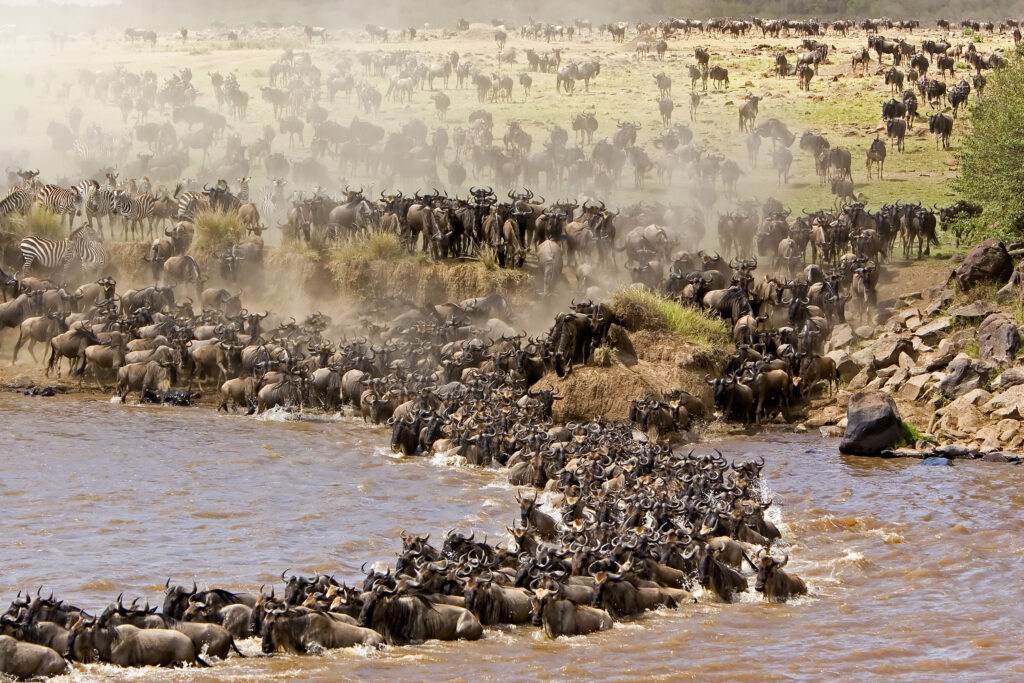
For those wondering about the Best Time to Visit Masai Mara, it’s essential to consider the various factors outlined in this guide For many travelers, the best time to visit Masai Mara is during the dry season from July to October. This is when the famous Great Migration arrives from the Serengeti National Park into Kenya.
Why This Period Is So Popular -Millions of wildebeest, zebras, and gazelles move northward in search of fresh grazing land. The migration creates one of the greatest wildlife spectacles on Earth, especially at the Mara River crossings where crocodiles and predators wait for vulnerable prey.
Before planning your trip, knowing the Best Time to Visit Masai Mara will guide your schedule and expectations.
During this period, visitors can witness:
Researching the Best Time to Visit Masai Mara will prepare you for the unique experiences the reserve has to offer throughout the year.
Many travelers believe that understanding the Best Time to Visit Masai Mara can significantly improve their safari experience.
- Massive herds stretching across the plains
- Dramatic river crossings
- High predator activity
- Frequent lion and cheetah sightings
- Excellent game viewing due to sparse vegetation
The dry weather also makes wildlife easier to spot because animals gather near water sources.
Wildlife Highlights
The Mara’s famous predators become particularly active during migration season. Lion prides, cheetahs, leopards, and hyenas take advantage of the abundance of prey. The renowned Marsh Pride, one of the reserve’s most famous lion groups, is often active during this season. Cheetahs are commonly seen hunting on open plains, while crocodiles dominate river crossing points.Elephants, giraffes, buffaloes, hippos, and countless antelope species are also easy to find.
Weather Conditions
- Sunny days with minimal rainfall
- Cooler mornings and evenings
- Dustier terrain due to dry conditions
- Advantages of Visiting During Peak Season
- Best migration viewing opportunities
- Exceptional predator encounters
- Ideal road conditions
- Clear skies for photography
Challenges
Peak season comes with higher prices and larger crowds. Luxury camps and lodges often book out months in advance, especially in August and September. Travelers planning a 2026 migration safari should secure accommodations early.
The Best Time to Visit Masai Mara also varies depending on what wildlife you wish to see and the activities you have in mind.
The Green Season (November–May): Lush Landscapes, Newborn Animals, and Exceptional Birdwatching
While many travelers focus only on migration season, seasoned safari enthusiasts often prefer the green season. From November through May, the Mara transforms into a lush paradise with dramatic skies, vibrant grasslands, and fewer tourists. When considering the Best Time to Visit Masai Mara, keep in mind the weather conditions and wildlife patterns.
Why the Green Season Is Underrated
The landscape becomes breathtakingly beautiful after the rains. Wildlife disperses across the reserve, and many animals give birth during this period, attracting predators and creating exciting hunting opportunities.
This season is especially rewarding for:
- Birdwatchers
- Photographers
- Budget-conscious travelers
- Visitors seeking quieter safaris
- Birdwatching Paradise
The Masai Mara becomes one of East Africa’s top birding destinations during the green season. Migratory birds arrive from Europe and North Africa, joining the reserve’s already impressive resident bird population. While planning your trip, consider the Best Time to Visit Masai Mara to take advantage of various wildlife encounters.
You may spot:
- Lilac-breasted rollers
- Secretary birds
- Crowned cranes
- Vultures
- Martial eagles
- Bee-eaters
- The vibrant scenery also creates stunning photography opportunities.
- Newborn Wildlife
Travelers often ask about the Best Time to Visit Masai Mara, emphasizing the importance of timing in wildlife experiences.
Between January and February, many herbivores give birth. You’ll often see:
The exceptional wildlife experiences during the Best Time to Visit Masai Mara make it a top choice for safari enthusiasts.
- Baby wildebeest
- Young zebras
- Gazelle calves
- Elephant families with newborns
The lush landscapes are particularly captivating during the Best Time to Visit Masai Mara, making it a favorite for photographers. Predators remain highly active during this period because vulnerable young animals are easier targets.
Understanding the Best Time to Visit Masai Mara is crucial for those seeking to witness the stunning bird species flocking to the reserve.
Weather During the Green Season
- Warm temperatures
- Afternoon showers
- Dramatic clouds and sunsets
- Vibrant green landscapes
Benefits of Visiting
- Lower accommodation rates
- Fewer safari vehicles
- Beautiful scenery
- Excellent birdwatching
- Great predator sightings
For many photographers, January and February are among the best times to visit Masai Mara because of the balance between wildlife density and scenic beauty.
The “Short Rains” (November): Strategic Travel for Lower Rates and Dramatic Storm Photography
November deserves special attention because it offers a unique travel opportunity. Known as the “short rains,” this month experiences brief but intense afternoon showers, often followed by sunshine and dramatic skies.
Why November Can Be a Smart Choice
Many travelers avoid November because they fear constant rain, but showers are usually short-lived and rarely disrupt an entire day.
The result is:
- Lower safari costs
- Fewer crowds
- Excellent photography conditions
- Fresh green scenery
- Storm clouds rolling across the plains create some of the most cinematic safari images imaginable.
Wildlife Viewing in November
Animals remain abundant, and predators continue hunting actively. Because visitor numbers drop significantly, sightings often feel more intimate and exclusive. Birdwatching is also exceptional as migratory species begin arriving. Ideal for Budget Travelers -November is often considered a shoulder season, meaning camps and lodges may offer discounted rates compared to the expensive migration months. Travelers looking for luxury experiences at more affordable prices should strongly consider this period.
The long rains occur between March and May and are typically the most challenging months for safari travel. Heavy rainfall can transform roads into muddy tracks, making certain remote areas difficult to access.
What to Expect During the Long Rains
- Frequent rainfall
- Wet and slippery roads
- Thick vegetation
- Occasional flooding in low-lying areas
- Some smaller camps close temporarily during this season.
- Wildlife Challenges
Although animals are still present, dense grass and thick vegetation make sightings more difficult compared to the dry season. However, predators can still be seen, especially around open plains and river areas.
Why Some Travelers Still Love This Season
Despite the weather challenges, the long rains have advantages:
- Lowest accommodation rates of the year
- Very few tourists
- Beautiful green landscapes
- Excellent photography lighting
- Safari enthusiasts who prioritize solitude and scenery over perfect weather may still enjoy visiting during this period.
- Road Conditions and Accessibility
Travelers should prepare for possible delays and rough driving conditions. A well-equipped 4×4 safari vehicle becomes essential. Flying between camps is often the more reliable option during heavy rains.
Month-by-Month Cheat Sheet
Here’s a quick guide to help you identify the best time to visit Masai Mara based on your interests.
January is Best for:
- Predator sightings
- Newborn animals
- Photography
- Conditions:
- Warm and relatively dry
- Green landscapes remain from previous rains
February is Best for:
- Big cat encounters
- Clear wildlife viewing
- Birdwatching
- Conditions:
- One of the driest green-season months
- Excellent safari conditions
March is Best for:
- Budget travel
- Quiet safaris
- Conditions:
- Beginning of long rains
- Increasingly lush vegetation
April is Best for:
- Solitude
- Dramatic scenery
- Conditions:
- Heavy rainfall
- Challenging road conditions
May is Best for:
- Discounted luxury safaris
- Landscape photography
- Conditions:
- Wet but beginning to improve late in the month
June is Best for:
For those interested in an immersive experience, the Best Time to Visit Masai Mara should be factored into travel plans.
- Transition into dry season
- Fewer crowds before migration
- Conditions:
- Cooler temperatures
- Drying landscapes
July is Best for:
- Start of Great Migration
- Predator action
- Conditions:
- Dry weather
- Increasing visitor numbers
August is Best for:
- Mara River crossings
- Peak wildlife drama
- Conditions:
- Prime safari season
- High accommodation demand
September is Best for:
- Migration viewing
- Excellent photography
- Conditions:
- Dry and pleasant weather
- Superb game viewing
October is Best for:
- Late migration sightings
- Balanced crowds
- Conditions:
- End of dry season
- Warm temperatures
November is Best for:
- Lower rates
- Storm photography
- Birdwatching
- Conditions:
- Short rains begin
- Fresh green scenery
Safari-goers often reflect on the Best Time to Visit Masai Mara to align their trips with wildlife activity and scenery.
December is Best for:
- Holiday safaris
- Family travel
- Birdwatching
- Conditions:
- Warm weather
- Intermittent showers
So, What Is the Best Time to Visit Masai Mara?
The answer depends entirely on your safari priorities. If your dream is witnessing the Great Migration and dramatic river crossings, then July through October is the ultimate safari window. For the Best Time to Visit Masai Mara focused on lush scenery, fewer tourists, and exceptional photography opportunities, the green season from November through February may suit you better.
Travelers seeking lower prices and quiet experiences may find the shoulder seasons incredibly rewarding, while adventurous photographers often appreciate the mood and atmosphere created by the rains. No matter when you visit, the Masai Mara National Reserve delivers unforgettable wildlife encounters throughout the year, making any time a good time, but especially the Best Time to Visit Masai Mara. From roaring lions and stealthy leopards to endless savannah sunsets, every season in the Mara tells a different story.
In conclusion, the Best Time to Visit Masai Mara is crucial for planning a successful safari experience that meets your desires.