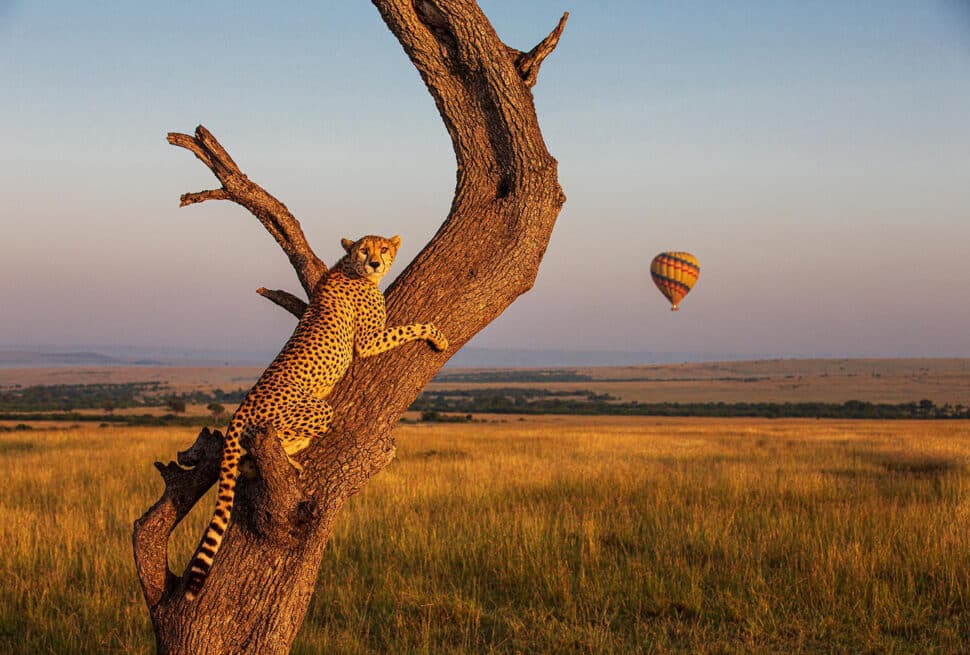
Uganda in February is one of the most reliable months of the year for a safari. It is the last full month of the main dry season, so forest trails in Bwindi and Kibale are firm, savannah game gathers near water, and the busy New Year weeks are over. Expect warm days, cool highland mornings and full-price permits.
The question most travellers ask is whether February is too late in the dry season, or too close to the March rains, to be worth the trip. It is not, but it does have its own quirks: hot, dusty afternoons in the north, new 2027 park tariffs to budget for, and a short window before the long rains arrive. This guide covers the weather by region, trekking conditions, which parks to put first, realistic costs and a sample route.

Photo: Divulge Adventures
Quick Facts
- Season: the tail end of the December-February dry season; the long rains usually begin in March
- Bwindi temperatures: long-term averages of about 19°C by day and 14°C at night
- Gorilla permit: US$800 under the current tariff, widely reported to rise to US$1,000 for treks from 1 January 2027 (checked November 2026)
- Kibale chimp permit: reported at US$300 for treks from 1 January 2027 (checked November 2026)
- Crowds: steady but calmer than the Christmas and New Year rush
- Ideal trip length: 7-10 days for gorillas, chimps and one or two savannah parks
Is February a Good Month for a Uganda Safari?
Yes. February is a very good month for a Uganda safari because it combines dry trails, low grass and good road conditions with fewer visitors than late December and early January. The only real drawbacks are full-price permits and the heat in the northern parks.
Ready to go? Book your customized safari instantly on WhatsApp — we'll take it from there.

Instantly on
Uganda sits on the equator, so its seasons follow the rain rather than the temperature. The long rains usually fall from around March to May and the short rains around October and November. Uganda in February sits at the end of the longer dry spell, which is why it shares top billing with June to August for trekking.
Compared with January, Uganda in February differs mainly in atmosphere rather than weather. The holiday crowds have gone home, lodges are easier to secure at short notice, and you are more likely to share a sighting with one or two vehicles than with a queue. If you are still choosing between the two months, our guide to visiting Uganda in January covers the busier holiday period in detail.
The trade-off is timing. Rain can arrive a little early in some years, especially in the last week of the month and in the southwest. Treat the first three weeks of Uganda in February as the safest bet and keep a spare half-day in the plan if you travel at the very end.
Weather in Uganda in February, Region by Region
Weather in Uganda in February depends mainly on altitude. The southwestern highlands stay mild and fresh, the western Rift Valley parks are warm and mostly dry, and the far north is the hottest part of the country. Pack for cool forest mornings and hot afternoons on the same trip.
| Region | Main parks | What February is like |
|---|---|---|
| Southwest highlands | Bwindi, Mgahinga, Lake Bunyonyi | Mild days around 19°C, chilly dawns, mist in the valleys and the odd shower, more likely late in the month |
| Western Rift Valley | Queen Elizabeth, Kibale, Semliki | Warm and mostly dry on the plains; humid under the Kibale canopy |
| North and northwest | Murchison Falls, Kidepo Valley | Hot, dry and dusty; the hottest weeks of the year in Kidepo, with animals close to water |
| Lake Victoria basin | Entebbe, Kampala, Mabamba wetland | Warm and humid, with occasional afternoon storms off the lake |
Bwindi and the southwest
Bwindi Impenetrable National Park climbs from roughly 1,160 m to about 2,600 m, and long-term records from the park’s research institute put average daytime highs at around 19°C and night-time lows at about 14°C. In practice that means a fleece at breakfast, a light rain jacket in your daypack and shirtsleeves by midday.
Murchison Falls and Kidepo in the heat
Murchison Falls and Kidepo Valley are at their hottest and driest in Uganda in February. Game drives work best from first light until late morning and again after about 4pm. The upside of the heat is concentration: by now the waterholes, the Nile banks and Kidepo’s valley pools are where almost everything ends up.
Gorilla and Chimpanzee Trekking at the End of the Dry Season
Gorilla and chimpanzee trekking are at their most comfortable in Uganda in February because trails have had weeks to dry out and visibility in the forest is good. The hour with the gorillas is the same in any month, but the climb to reach them is usually easier now than in April or November.

Photo: Divulge Adventures
Bwindi has four trekking sectors: Buhoma in the north, Ruhija in the east, and Rushaga and Nkuringo in the south. Your permit names the sector, and the sector decides where you sleep, so secure the permit first and the lodge second. Our guide to Bwindi gorilla trekking sectors and costs explains how each one differs, and how hard gorilla trekking really is helps if you are unsure about the hills.
Gorilla permits for Uganda in February
A gorilla permit for Uganda in February 2027 is the big budgeting question. The current foreign non-resident rate is US$800, and reports published in 2026 say the price rises to US$1,000 for treks from 1 January 2027. The Uganda Wildlife Authority rates page lists a 2026-2027 tariff-changes notice, so confirm the figure for your exact date before you pay (checked November 2026).
February does not qualify for a discount. Uganda’s reduced low-season permits have been tied to the wetter months of April, May and November, so plan for the full rate. Trekkers must be at least 15 years old, which matters for families travelling over the mid-February school half-term.
Chimpanzees in Kibale
Kibale National Park is the most dependable place in Uganda to see chimpanzees, and the dry trails of Uganda in February make the walk in easier. The Kibale chimp permit was US$250 under the tariff that ran to the end of 2026 and is reported at US$300 for treks from 1 January 2027 (checked November 2026). Our Kibale chimpanzee trekking guide covers start times, group sizes and the longer habituation option.
Which Savannah Parks Are Best in February?
Queen Elizabeth and Murchison Falls are the best savannah parks for Uganda in February. Short grass and shrinking water sources pull elephants, buffalo, Uganda kob and their predators towards the rivers and channels, which makes them easier to find on a morning drive.

Photo: Divulge Adventures
Queen Elizabeth National Park and Ishasha
Queen Elizabeth National Park mixes open plains, crater lakes and the Kazinga Channel, the waterway between Lake George and Lake Edward. In February the channel boat trip is at its best, with hippos, buffalo and elephants coming down to drink in the heat. The southern Ishasha sector, known for lions that rest in fig trees, sits conveniently on the road to Bwindi’s Buhoma sector.
Murchison Falls National Park
Murchison Falls is Uganda’s largest national park, cut in two by the Victoria Nile as it forces through a narrow gorge. The northern grasslands hold giraffe, lion, buffalo and big herds of kob, and the launch trip towards the base of the falls is calm in dry weather. Under the current tariff the park entrance is US$45 per day and the launch trip US$30 (checked October 2026).
Kidepo Valley for travellers who want remoteness
Kidepo Valley, in the far northeast, is the wild card for Uganda in February. It is remote enough that most visitors fly in, and February heat is intense, but the dry season draws cheetah, ostrich, elephants and large buffalo herds to the valley floor. It suits a second Uganda trip, or anyone who wants a park almost to themselves.
Birding in Uganda in February
Birding in Uganda in February is excellent because migrants from Europe and Asia are still present alongside the resident species. Migrants usually stay from around November until March or April, and Uganda has recorded more than 1,000 bird species, so a dry-weather birding trip covers a remarkable list.

Photo: Divulge Adventures
The shoebill is the bird most visitors want to tick off. The Mabamba wetland near Entebbe is the easiest place to look for one by canoe, often on the first or last morning of a trip. Bwindi’s Ruhija sector is the place for Albertine Rift endemics, and Murchison’s riverbanks add bee-eaters, kingfishers and raptors.
Dedicated birders should look at our birding safaris or the 17-day Uganda shoebill birding safari, which shows how much ground a specialist itinerary covers in the dry season.
Can You Trek the Rwenzori Mountains in February?
Yes. Uganda in February is one of the two best windows for trekking the Rwenzori Mountains, alongside June to August. The range is famously wet in any month, but drier weather means firmer bog sections, clearer views of the glaciers and a better chance of reaching the high huts in comfort.

Photo by Itote Rubombora on Unsplash
The Rwenzoris rise to 5,109 m at Margherita Peak on the border with the Democratic Republic of Congo. A full summit trek takes around a week and needs proper mountain fitness and equipment, while shorter hikes of one to three days give a taste of the montane forest and giant lobelias without the glacier work. Either option pairs well with Kibale, about an hour or two away by road.
How Much Does a February Safari in Uganda Cost?
A seven-day trip to Uganda in February with one gorilla trek and one chimp trek costs roughly US$3,300-4,300 per person on a budget, US$4,800-6,800 mid-range and US$8,500 or more at the luxury end. These are our estimates for two sharing, built around the reported 2027 permit rates.
Permits are the largest fixed cost, and they do not change with your choice of lodge. The table shows the main fees so you can see what any itinerary includes before accommodation and transport are added.
| Fee | Foreign non-resident price | Notes |
|---|---|---|
| Gorilla trekking permit | US$1,000 reported from 1 January 2027 (US$800 before) | Bwindi or Mgahinga; confirm with UWA for your date |
| Chimp trekking, Kibale | US$300 reported from 1 January 2027 (US$250 before) | Morning or afternoon groups |
| Gorilla habituation experience | US$1,500 under the current tariff | Up to four hours with a family; check the 2027 rate |
| Park entrance, Murchison Falls | US$45 per day | Current tariff, checked October 2026 |
| Park entrance, Queen Elizabeth, Kibale, Bwindi | US$40 per day | Current tariff, checked October 2026 |
| Uganda tourist visa | US$50 | Single entry, applied for online before travel |
Accommodation is the big variable. Simple lodges near the parks cost roughly US$100-200 per person per night with meals, mid-range lodges about US$250-450 and luxury lodges from about US$600 upwards. If you are combining Uganda with Kenya or Rwanda, the East Africa Tourist Visa can work out cheaper than separate visas.
A sample 8-day route for Uganda in February
Day 1 lands you in Entebbe, with Mabamba for shoebills if your flight is early. Days 2-3 cover Kibale, with a chimp trek and the Bigodi wetland walk. Days 4-5 are in Queen Elizabeth for game drives and the Kazinga Channel, then south through Ishasha. Days 6-7 are in Bwindi for your gorilla trek, and Day 8 is a short flight back to Entebbe instead of the 9-10 hour drive.
Our 7-day primate and wildlife safari in Uganda follows a similar line through Kibale, Queen Elizabeth and Bwindi, and we can stretch it with Murchison or the Rwenzoris for a longer February trip.
See our Uganda safaris for the dry season
Gorilla and chimp treks, Kazinga Channel cruises and savannah drives, arranged around your February dates with a private vehicle and an experienced local guide.
Insider Tips
- Book permits before flights: dry-season gorilla permits sell out months ahead, so lock in the date first
- Budget at the 2027 rates: use US$1,000 per gorilla permit and US$300 per Kibale chimp permit until UWA confirms otherwise
- Trek early in the month: the first three weeks of Uganda in February carry the lowest risk of early rain
- Drive the north at dawn: in Murchison and Kidepo, plan game drives for first light and late afternoon, and rest at midday
- Fly one long leg: a light-aircraft hop between Entebbe and the Bwindi area saves a full day on the road
- Pack for two climates: a fleece and rain shell for the forest, sun hat and dust cover for the plains; see our gorilla trekking packing list
Let us plan your safari
Tell us your dates, budget and dream sightings, and our Nairobi team will send you a free tailor-made itinerary and quote.
Frequently Asked Questions
Does it rain in Uganda in February?
Uganda in February is mostly dry, because it is the last month of the main December-February dry season. Short showers still happen in the forested southwest, and the long rains sometimes start early in the final week of the month. Rain rarely stops a gorilla or chimp trek, so a light rain jacket is usually all you need.
Is February better than January for gorilla trekking in Uganda?
February and January offer very similar gorilla trekking conditions, with dry trails and good visibility in Bwindi. February tends to be calmer than the first weeks of January, when holiday travellers fill lodges and permits. The bigger difference for 2027 trips is cost, because the reported higher permit rates apply to both months.
How much is a gorilla permit in Uganda in February 2027?
A gorilla permit for February 2027 is widely reported at US$1,000 per foreign non-resident, up from US$800 under the earlier tariff. The Uganda Wildlife Authority has published a 2026-2027 tariff-changes notice, so confirm the exact rate when you book. February is not a discounted month, and trekkers must be at least 15 years old.
Which parks should I visit in Uganda in February?
The best parks to visit in Uganda in February are Bwindi for gorillas, Kibale for chimpanzees and Queen Elizabeth for savannah game and the Kazinga Channel. Add Murchison Falls if you have nine days or more, and consider Kidepo Valley or a Rwenzori trek if you want somewhere remote and quiet.
How many days do I need for a Uganda safari in February?
Seven to ten days suits most travellers visiting Uganda in February. Seven days covers Kibale, Queen Elizabeth and Bwindi with one flight to save time. Nine or ten days lets you add Murchison Falls or a short Rwenzori hike without spending every second day in the vehicle, which makes the trip far more relaxed.
Final Thoughts
Uganda in February gives you dry-season trails and short grass without the New Year crowds, just ahead of the March rains. Budget for the 2027 permit rates, book the gorilla date first and trek in the first three weeks if you can.
If February fits your calendar, start planning now, while dry-season permits are still available.
Wondering if February permits are still open for your dates?
Chat with a Divulge Adventures safari consultant on WhatsApp for honest advice, a quick answer and a quote built around you.