Namibia in February is the peak of the summer rains in the north and still dry in the desert. Etosha averages about 31°C by day and 113 mm of rain, its wettest month, while Sossusvlei and the Skeleton Coast stay mostly dry and sunny. It suits birders, photographers and travellers who want empty roads and green scenery.
The catch is that February splits the country in two, and a route copied from a July itinerary can leave you chasing scattered game in the rain. This guide goes region by region, shows the fees we checked this month, suggests a route that plays to the season and is honest about who should pick another month.

Quick Facts
- Season: Late summer and the wettest part of the green season in the north
- Etosha: About 31°C highs, 19°C lows, 113 mm of rain over roughly 13 days
- Sossusvlei: Hot and mostly dry; summer days often reach 40°C on the dunes
- Park fee: N$280 per foreign adult per day at Etosha, Namib-Naukluft and Skeleton Coast (checked November 2026)
- Visa: N$1,600 visa on arrival for most non-African visitors, including UK, US and EU passport holders (checked November 2026)
- Closed: The Fish River Canyon hiking trail (open 1 May to mid-September only)
- Best for: Birders, photographers, repeat visitors and anyone who prefers quiet camps
What Is the Weather Like in Namibia in February?
The weather in Namibia in February is hot and humid in the north and north-east, with afternoon thunderstorms most days, while the Namib Desert and the Atlantic coast stay dry. Long-term averages put Etosha at about 31°C and 113 mm of rain, making February its wettest month of the year.
A typical day in northern Namibia in February follows a pattern. Mornings are clear and fresh, clouds stack up by early afternoon and a storm may sweep through around 4pm before clearing for a coloured sunset. Then you can get two or three dry days in a row. Rain is patchy, so one valley can be soaked while the next stays dusty.
Ready to go? Book your customized safari instantly on WhatsApp — we'll take it from there.

Instantly on
Further south and west, Namibia in February looks completely different. The Namib is one of the driest places in Africa, and Sossusvlei receives only around 100 mm of rain in a typical year, with March usually the wettest month. The coast around Swakopmund and Walvis Bay is cool and often misty in the morning, a welcome break from the inland heat.
| Area | Day / night | Rain | What it means |
|---|---|---|---|
| Etosha | 31°C / 19°C | About 113 mm, 13 days | Green bush, storms after lunch, game spread out |
| Sossusvlei | Very hot by day, warm nights | Little; occasional storms | Sunrise visits essential; dunes look sharp after rain |
| Swakopmund and the coast | Mild and often misty | Almost none | Comfortable for walking, kayaking and desert tours |
| Zambezi Region | Hot and humid | Among the wettest areas | Lush rivers, muddy tracks, highest malaria risk |
Etosha figures are long-term averages from weather2travel’s climate tables, checked November 2026; the Sossusvlei rainfall figure is the annual station average. Namibian rains vary a great deal from year to year, so treat every number as a guide rather than a promise.
How February compares with January and March
Etosha in February is a touch cooler than January (31°C against 33°C) but wetter, at about 113 mm against 95 mm. March drops to roughly 79 mm over nine days, with more sunshine. In other words, February is the greenest month in the north and March the start of the slow drying-out. Our guide to Namibia in January covers the month before, and the month-by-month Namibia guide sets both against the dry winter season.
Is Etosha Worth Visiting in February?
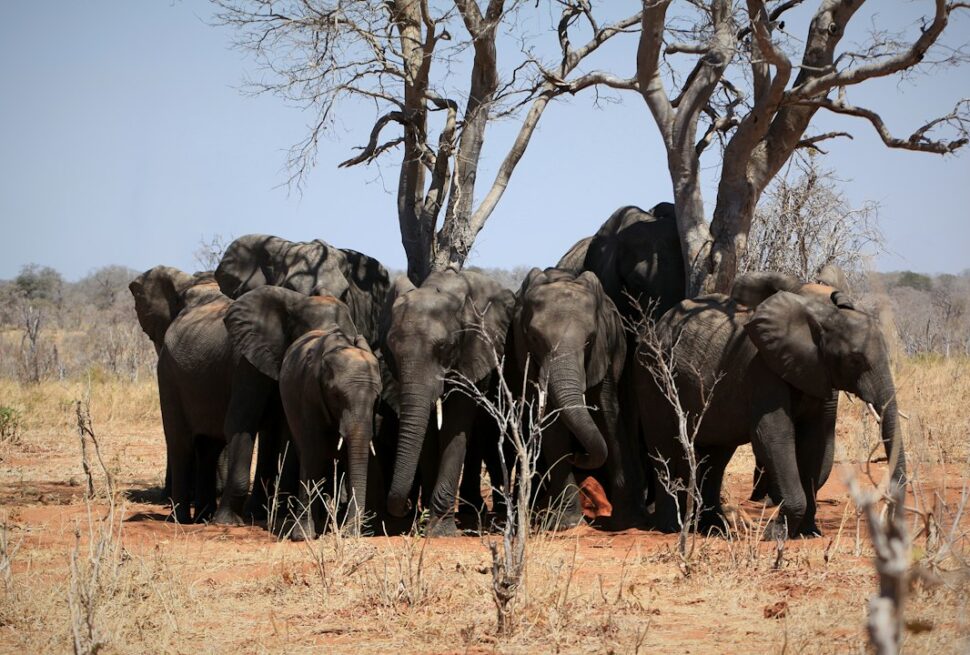
Etosha is worth visiting in February if you value lush scenery, newborn animals and big skies more than guaranteed crowds at a single waterhole. Rain pools fill across the plains in Namibia in February, so elephant, zebra and antelope leave the permanent springs and spread out. Expect more driving and patience than in September.

In the dry season, Etosha works like an outdoor theatre: you park at a waterhole and the animals come to you. In Namibia in February the whole park becomes the stage. The upside is softer light after storms, fewer vehicles at sightings and grass so green it makes the white pan glow. Our Etosha safari guide explains how the park’s camps and gates fit together.
Birds, babies and a flooded pan
Namibia in February is breeding season for many grazers, so springbok lambs and zebra foals are often on the short grass, and predators follow them. It is also the height of the birding year, with migrants from Europe and further north in Africa joining resident species in breeding colours. Raptors are easy to spot on fence posts and dead trees.
After a strong rainy season, parts of the Etosha Pan, which covers around 4,800 square kilometres, hold a thin sheet of salty water. In those years flamingos and pelicans can gather in large numbers. It does not happen every year, so treat it as a lucky bonus rather than a reason to travel.
Making Etosha work in Namibia in February
Etosha in Namibia in February rewards an early start, a long lunch and a late-afternoon drive with one eye on the clouds. Stay inside the park or beside a gate so no time is lost on transfers. Ask your guide which springs stay busy after rain, and spend an hour at a floodlit rest-camp waterhole after dinner, where rhino often appear.
Sossusvlei and the Namib Desert in February
Sossusvlei in February is hot, bright and usually dry, so the key is reaching the dunes at first light. Summer temperatures on the sand often climb towards 40°C by midday, which makes a dawn climb and an early return to camp the only sensible plan. An occasional storm can leave the red dunes looking freshly washed.

From Sesriem, a tarred road runs about 60 km into the dunes, and the last stretch of roughly 5 to 6 km to Sossusvlei and Deadvlei is deep sand that needs a 4×4 or the park shuttle. Big Daddy, the tallest dune in the area at around 325 m, is a tough climb in summer heat, so start walking before the sun is high and carry at least two litres of water each.
Timing at the gates matters more than people expect. According to Namibia Wildlife Resorts, the outer Sesriem gate opens at sunrise, while guests staying inside the park can pass the inner gate an hour before sunrise, which is the only way to be on a dune as the light hits. Book a camp inside the gate if sunrise photographs are a priority.
Will the Sossusvlei pan flood?
The Sossusvlei pan floods only in rare years, when heavy rain inland makes the normally dry Tsauchab River flow far enough to reach it, so even Namibia in February is no guarantee. Several years can pass between floods, and late summer is when it is most likely. If it happens during your trip, mirror-like reflections of the dunes are a real reward, but nobody can predict it months ahead.
Damaraland and the Coast in February
Damaraland and the Skeleton Coast are two of the best places to be in Namibia in February. Damaraland’s rocky valleys turn a faint green after storms and its desert-adapted elephants move along the dry riverbeds, while the coast stays cool, misty and almost rainless, giving you a break from the heat of the interior.

In Damaraland, storms in Namibia in February can make riverbeds such as the Huab and Ugab flow briefly, which is spectacular to see but can close crossings for a few hours. A guide who knows the area will judge when to wait. The rock engravings at Twyfelfontein, a UNESCO World Heritage Site, are best visited early before the rocks heat up.
On the coast, Swakopmund and Walvis Bay make an easy two-night stop, with lagoon birding, dune drives and Cape Cross seal colony to the north. The 5-Day Namibian Southern Skeleton Coast Tour is a good example of how a coastal loop fits around the desert.
Should you go north to the Zambezi Region?
The Zambezi Region in February is lush and beautiful but at its wettest, with muddy tracks, high humidity and the highest malaria risk in the country. Keen birders on a second visit may love it. For a first trip to Namibia in February, most people are better served by the desert, Damaraland, the coast and a shorter Etosha stay.
How Much Does a Trip to Namibia in February Cost?
A trip to Namibia in February usually costs less than the same route in August, because February is low season and many lodges offer lower green-season rates. Expect roughly US$200 to US$350 per person per day on a guided budget trip, and over US$700 at top lodges.
Park fees for Namibia in February are the same as in peak season, and they rose from 1 April 2026. Foreign adults now pay N$280 per day at Etosha, Namib-Naukluft (including Sossusvlei), Skeleton Coast, Dorob, Cape Cross and the Fish River Canyon area, children under 16 pay N$180 and under-eights are free. Parks in the Zambezi and Kavango regions charge N$200 per adult. These were checked in November 2026; confirm them before you book.
| Item | Typical cost | Notes |
|---|---|---|
| Park fees | N$280 per adult per day | Etosha, Namib-Naukluft, Skeleton Coast; N$200 in Zambezi parks |
| Visa on arrival | N$1,600 per person | Non-African visitors; N$1,200 for African Union citizens |
| Guided budget trip | About US$200-350 pp per day | Estimate: shared vehicle, simple lodges or camps |
| Mid-range lodges | About US$350-600 pp per day | Estimate: private guide, comfortable lodges, most meals |
| Luxury camps | US$700+ pp per day | Estimate: remote concessions, fly-in options, all-inclusive |
These daily figures are our estimates per person sharing, built from park fees and typical published lodge rate bands, not Divulge package prices. They move with group size, vehicle type and how many nights you spend in remote areas. If you are weighing Namibia against its neighbour, our guide to Botswana in February shows how the green season plays out there.
Plan a green-season Namibia trip that dodges the rain
See our Namibia safaris, from short desert breaks to Etosha and Skeleton Coast loops, all tailor-made with private guides and routes built around the season.
Which Route Works Best for Namibia in February?
The best route for Namibia in February runs south to north: start in the dry Namib Desert, cool off on the coast, cross Damaraland and finish with two or three nights in Etosha. That order puts the most reliable weather first and leaves the greenest, stormiest region for last, when a lost afternoon matters less.
| Days | Where | Why it works in February |
|---|---|---|
| 1-3 | Sossusvlei and Sesriem | Dry desert, sunrise dune walks, Deadvlei before the heat |
| 4-5 | Swakopmund and Walvis Bay | Cool coast, lagoon birding, a rest from long drives |
| 6-7 | Damaraland | Desert elephants in the riverbeds, Twyfelfontein engravings |
| 8-10 | Etosha | Green plains, young animals, floodlit waterholes |
Short on time? The 5-Day Sossusvlei and Etosha Tour covers the two headline areas in under a week. Distances in Namibia are long and many roads are gravel, which after rain can be slippery. That is one reason we think a guided Namibia safari makes more sense than self-drive in the wettest month.

Who should skip Namibia in February?
Pick another month if your top goal is big concentrations of animals at Etosha’s waterholes, which peak from July to October. Hikers wanting the Fish River Canyon trail need May to mid-September. Travellers who struggle with heat should avoid the desert in midsummer, and anyone avoiding malaria medication should skip the far north.
Entry Rules and Health Before You Fly
Entry rules for Namibia in February are the same as in any other month: most visitors from the UK, Europe, North America and Australasia need a visa. The Namibia Tourism Board’s visa update lists N$1,600 for non-African Union visitors and N$1,200 for AU citizens (checked November 2026).
Health planning matters more for Namibia in February than in the dry winter. The CDC malaria table for Namibia lists malaria in the northern regions, including Kunene, Oshana, Oshikoto, Kavango and Zambezi, which takes in Etosha. Windhoek has none. Speak to a travel clinic about tablets, and pack long sleeves and repellent for evenings.
Finally, the Fish River Canyon hike is closed in Namibia in February. Namibia Wildlife Resorts opens the trail from 1 May to mid-September only, because of extreme summer heat in the canyon. The rim viewpoints stay open all year.
Insider Tips
- Sleep inside the gates: At Etosha and Sesriem, a camp inside the park gives you the first and last light of the day
- Drive before lunch: Storms usually build after midday, so do long transfers in the morning
- Pack for both: Light layers for the hot interior, a fleece for misty coastal mornings
- Carry water: At least two litres per person on dune walks, more for Big Daddy
- Bring binoculars: February birding is excellent, and a good pair helps with distant game too
- Stay flexible: In Namibia in February, leave a buffer half-day in case a flowing riverbed closes a road
Let us plan your safari
Tell us your dates, budget and dream sightings, and our Nairobi team will send you a free tailor-made itinerary and quote.
Frequently Asked Questions
Is February a good time to visit Namibia?
Namibia in February is a good choice if you like green landscapes, birdlife and quiet roads. It is the wettest month in the north, so Etosha game is spread out. Sossusvlei and the coast stay mostly dry, which makes a desert-and-coast route the most reliable plan.
How much does it rain in Namibia in February?
Rain in Namibia in February depends on where you are. Around Etosha the long-term average is about 113 mm over roughly 13 days, mostly in afternoon thunderstorms. The Namib Desert at Sossusvlei gets far less, with only around 100 mm in a whole year, and the Atlantic coast near Swakopmund is close to rainless.
Can you see animals in Etosha in February?
Yes, you can see plenty of animals in Etosha in February, but they are spread across the park rather than packed around waterholes. Expect zebra, springbok, giraffe, elephant and good birding, with lions and rhino possible at permanent springs. Plan at least two nights inside or beside the park and drive early and late in the day.
Can you hike the Fish River Canyon in February?
No, the five-day Fish River Canyon hiking trail is closed in February. Namibia Wildlife Resorts opens it only from 1 May to mid-September because summer heat in the canyon has caused heatstroke and deaths in the past. You can still visit the viewpoints at Hobas and the main lookout on the rim during a February trip.
Do I need malaria tablets for Namibia in February?
Malaria tablets are worth discussing with your doctor for Namibia in February if your route includes Etosha, the Kavango or the Zambezi Region. The CDC lists malaria in those northern regions, and the rains raise mosquito numbers. Windhoek, Sossusvlei and the coast are lower risk. Get personal advice from a travel clinic six to eight weeks before you fly.
Final Thoughts
Namibia in February rewards travellers who plan with the weather rather than against it. Put the dry desert and coast first, treat Etosha as a green, quiet finale and accept that some afternoons will bring storms worth watching from the veranda.
If that sounds like your kind of trip, send us your dates and we will shape a route around the season, with the right camps inside the gates and enough slack for the odd flowing river.
Wondering whether February rains will affect your Namibia route?
Chat with a Divulge Adventures safari consultant on WhatsApp for honest advice, a quick answer and a quote built around you.