The best time to visit Namibia for most travellers is the dry season from June to October, when wildlife in Etosha crowds around waterholes, skies are clear and rain is almost unheard of. The wetter months from November to April bring green landscapes, baby animals and superb birding, but more heat and more scattered game.
Namibia is a big country with very different climates: a cool, foggy coast, a scorching desert and a tropical north-east. So the right month depends on what you want most. This guide breaks the year down month by month, region by region and by travel style, so you can choose your dates with confidence.

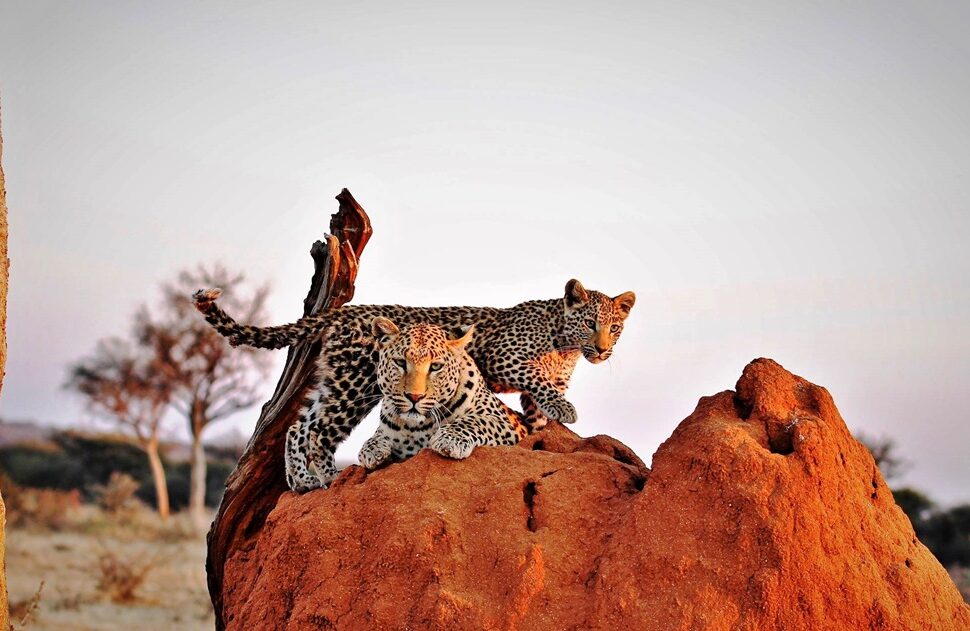
Photo by Ria Truter on Unsplash
Quick Facts
- Best overall: June to October is the best time to visit Namibia for most travellers (peak game viewing in Etosha)
- Peak season: July to October; August is usually the busiest month
- Green season: November to April, with rain mostly January to March
- Hottest months: October to January; Etosha highs around 35°C
- Coldest nights: June and July; desert nights can drop below freezing
- Fish River Canyon hike: Open 1 May to 15 September only
- Best for birding: November to April, when migrant birds arrive
When Is the Best Time to Visit Namibia?
The best time to visit Namibia is June to October for wildlife and comfortable touring, and May or November for good value with fewer vehicles. Rain is rare from May to October, so roads are reliable and the classic Etosha, Sossusvlei and coast loop works smoothly every week.
Ready to go? Book your customized safari instantly on WhatsApp — we'll take it from there.
 Book
BookInstantly on
Namibia has two broad seasons rather than the four of Europe. Because it sits in the southern hemisphere, winter falls in June to August and summer in December to February. Most of the country is semi-desert, and even the wet months are mostly sunny with short, dramatic storms rather than days of drizzle.
Dry season: May to October
The dry season is the best time to visit Namibia for most travellers: cool to warm by day and clear almost every day. In Windhoek, average highs sit around 20 to 23°C in June and July, with nights near 6 to 7°C. As the months pass, water inland disappears and animals in Etosha become dependent on permanent waterholes, which is exactly why sightings improve week by week until October.
The trade-off is cost and availability. July to October is peak season, so lodge rates are at their highest and the best-located camps sell out early. Early mornings on game drives can be properly cold, often in single figures, so bring a warm fleece, hat and gloves.
Green season: November to April
The green season starts with build-up heat and afternoon thunderstorms in November and December. Rain peaks from January to March, then tapers off in April. The bush turns green, springbok and other antelope drop their young, and migrant birds pour in, making this the most photogenic time for landscapes and skies.
Expect high temperatures, some muddy gravel roads in the north and wildlife that is more dispersed, because animals can drink from pans and puddles across the parks. Lodges are quieter and many offer lower green-season rates, which makes this the best time to visit Namibia for many repeat visitors and photographers.
Best Time to Visit Namibia Month by Month
The table below sums up the best time to visit Namibia for each month, using average conditions in Etosha and the interior. Rainfall and temperatures vary year to year, so treat it as a guide rather than a guarantee.
| Month | Weather | Best for |
|---|---|---|
| January | Hot (about 35°C in Etosha), rainy afternoons, lush green | Birding, newborn animals, dramatic skies |
| February | Hot and wet, the interior’s rainiest stretch | Birding, quiet lodges, photography |
| March | Rain easing, still green, highs around 32°C | Green landscapes with improving game |
| April | Rains end, cooler nights, bush still green | Value travel, impala and springbok young |
| May | Dry, clear, mild days around 28°C | Shoulder season: good game, fewer visitors |
| June | Dry, cool, cold nights | Etosha waterholes, Fish River Canyon hike |
| July | Dry, coldest nights of the year | Peak game viewing, school-holiday trips |
| August | Dry, warming up, busiest month | Etosha predators at waterholes, peak season |
| September | Dry and warm, highs around 32°C | Excellent game and good birding |
| October | Hottest dry month, about 35°C | Intense waterhole action, keen photographers |
| November | First storms, still very hot | Shoulder value, migrant birds return |
| December | Rain increasing, hot, green | Birding and festive trips with fewer crowds |
If you only remember one rule, it is this: the best time to visit Namibia for big game is the second half of the dry season, from July to October, while the best time to visit Namibia for value and green scenery is the shoulder months of April, May and November.
When Is the Best Time for Etosha Wildlife?
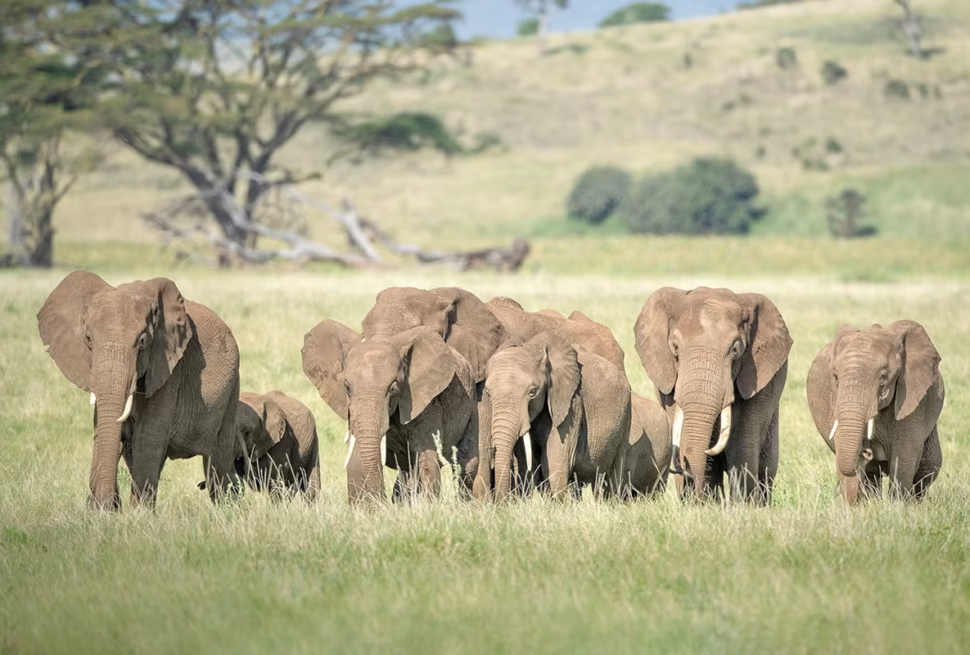
Etosha National Park is best for wildlife from June to October, when the bush is bare and elephants, rhinos, lions, giraffes and huge herds of zebra and springbok gather at the park’s waterholes. Late August to October usually gives the most concentrated sightings.

Etosha covers about 22,270 km², and almost a quarter of it is the Etosha Pan, a flat, white salt pan of about 4,760 km². Because the pan holds no drinkable water most of the year, wildlife relies on springs and boreholes along its edge. In the dry months you can park at one waterhole and watch a parade of species arrive through the morning.
Best time to visit Namibia for game viewing at Etosha
For game viewing alone, the best time to visit Namibia is August to October. Lions and cheetahs are often seen hunting near waterholes in August, and by September and October the remaining water draws animals in from far away. The downside of October is heat: midday drives are uncomfortable, so plan early starts and a long lunch break.
Floodlit waterholes at camps inside the park make night viewing possible, and the dry season is when they are busiest with visiting rhinos and elephants. If this is your first trip, our guide to common first-time Namibia safari mistakes explains why staying inside or right beside the park makes such a difference.
Etosha in the rainy season
From December to March the park changes completely. Grass grows tall, game spreads out and you will drive further for sightings, although predators still follow the herds. In good rain years, water collects on parts of the pan and, according to the Ramsar wetland record for Etosha Pan, the pan can serve as a breeding ground for flamingos.
Newborn springbok, impala and zebra appear in this period too, which brings plenty of predator activity. If the green season is your best time to visit Namibia, choose a lodge close to the eastern side of the park around Namutoni and Fischer’s Pan, where birding is especially rewarding.
When Should You Visit Sossusvlei and the Namib Desert?
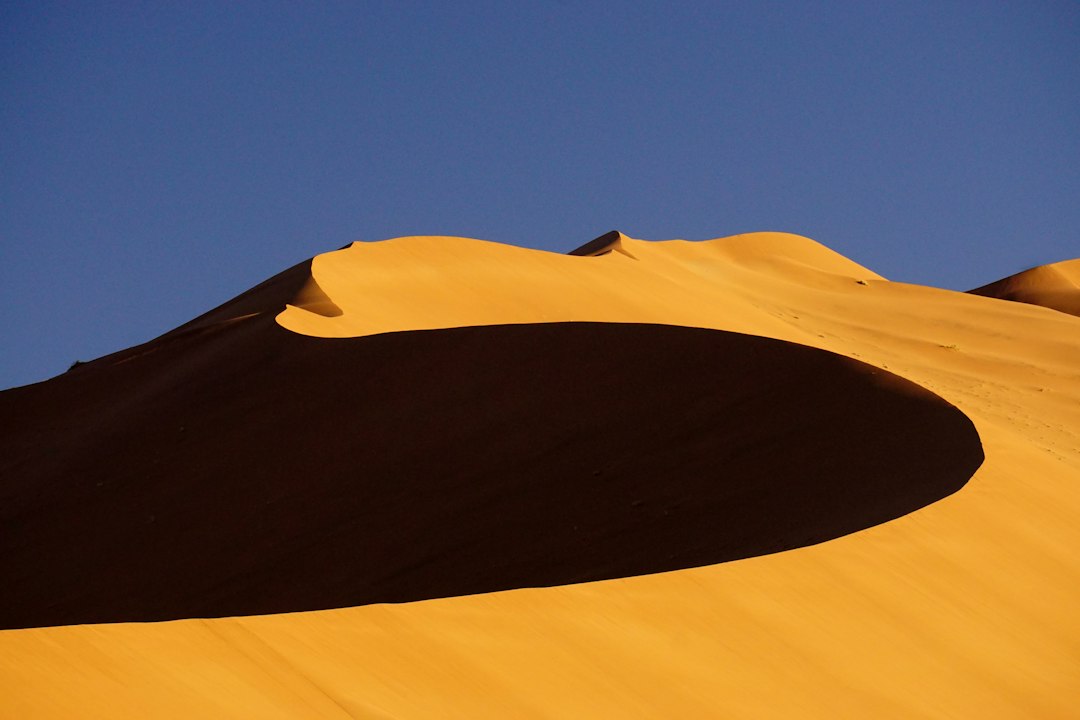
Sossusvlei is most comfortable from May to September, when days are warm and the clear air gives crisp sunrise light on the red dunes. For the desert, that makes it the best time to visit Namibia. It is open year-round, but in summer you should be climbing at sunrise and off the sand by late morning.

Photo by Taylor Wright on Unsplash
The Namib is among the oldest deserts on Earth, and its dune sea is a UNESCO World Heritage Site. Temperatures in the desert run higher than Windhoek’s in summer, so December to February can be fierce by midday. In midwinter the opposite is true: desert nights can fall below freezing, so warm layers matter for sunrise starts.
Rain almost never reaches Sossusvlei. Every few years, heavy rain in the mountains to the east sends water down the Tsauchab River and briefly floods the pan, a rare sight that tends to happen between January and March. You cannot plan around it, but it is a lovely bonus if it happens on your trip.
For practical planning, an itinerary such as our 5-day Sossusvlei and Etosha tour links the desert and the park in one trip, and works best in the dry months when travel days are cooler.
The Coast, Zambezi Region and Fish River Canyon
Namibia’s regions follow their own calendars. The Atlantic coast is mild and almost rainless all year, the Zambezi Region in the north-east is the wettest and hottest part of the country, and the Fish River Canyon hike can only be done in the cooler months, so the best time to visit Namibia differs by region.
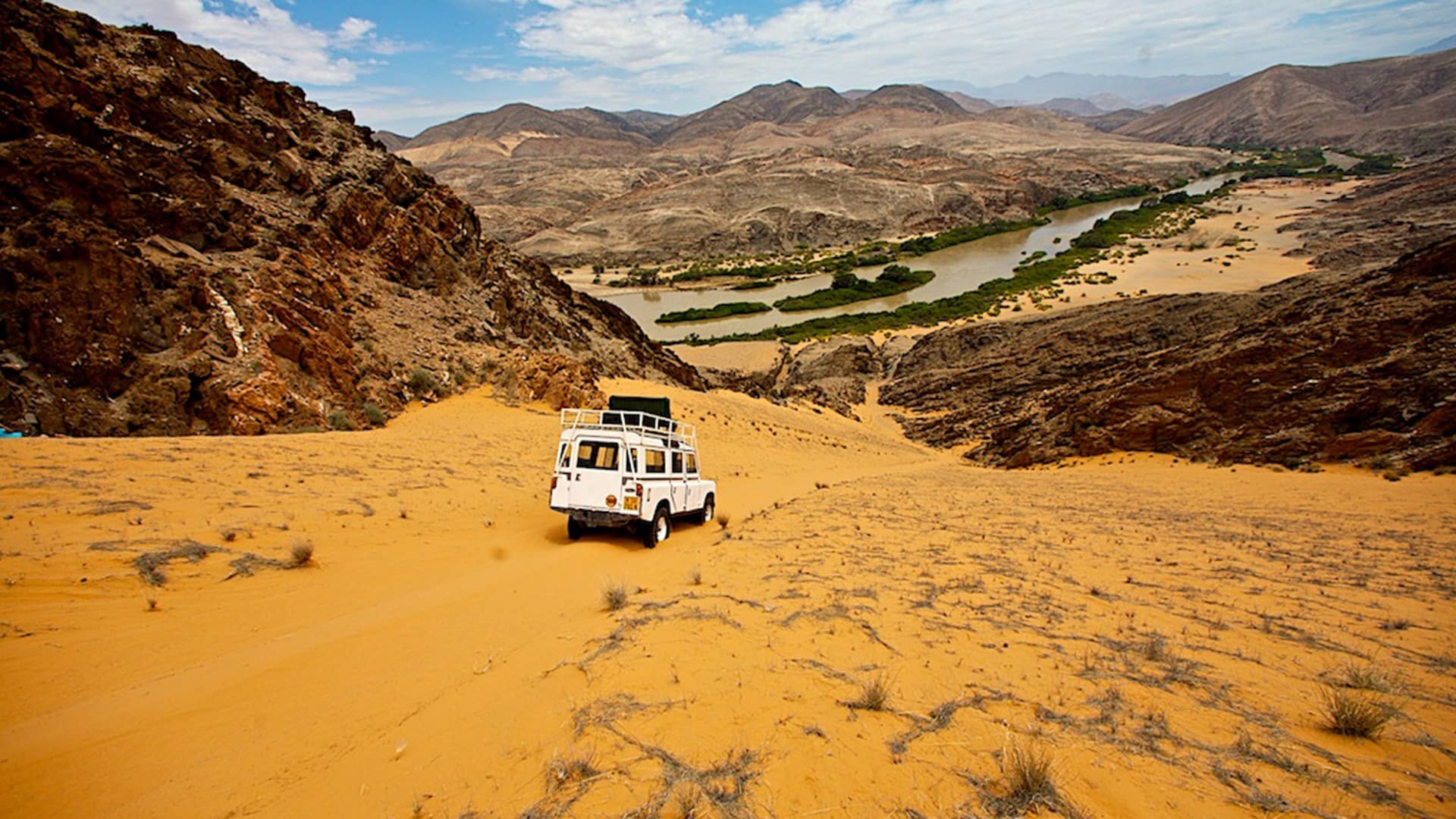
Photo: Divulge Adventures
Swakopmund and the Skeleton Coast
Swakopmund and Walvis Bay sit beside the cold Atlantic, so temperatures stay between about 10 and 23°C year-round and monthly rainfall is close to zero. Morning fog is common, burning off by midday. The coast is a welcome break from desert heat in summer, and a cool, breezy stop in winter. Our 5-day Southern Skeleton Coast tour focuses on this shoreline.
The Zambezi Region
The Zambezi Region, formerly the Caprivi Strip, gets the heaviest rain, with December and January the wettest months and daytime highs reaching 33 to 34°C in September and October. The dry season is the best time to visit Namibia’s Zambezi Region for game along the rivers. Birders, however, rate the wet months highly, since the region’s long bird list swells with summer migrants.
Fish River Canyon
The multi-day Fish River Canyon hike is roughly 86 km and usually takes four to five days. Namibia Wildlife Resorts states the hiking season runs from 1 May to 15 September, because summer heat and flash floods make the canyon floor dangerous. For hikers, the best time to visit Namibia is therefore May to September. Confirm dates and permits before booking. Our Namibia hiking safari guide covers this and other hikes in more detail.
Which Month Suits Your Namibia Trip?
The best time to visit Namibia depends on your priorities: July to October for big game, November to March for birds and green scenery, April to May for value and comfortable temperatures, and June to August for cool family travel during northern-hemisphere holidays.
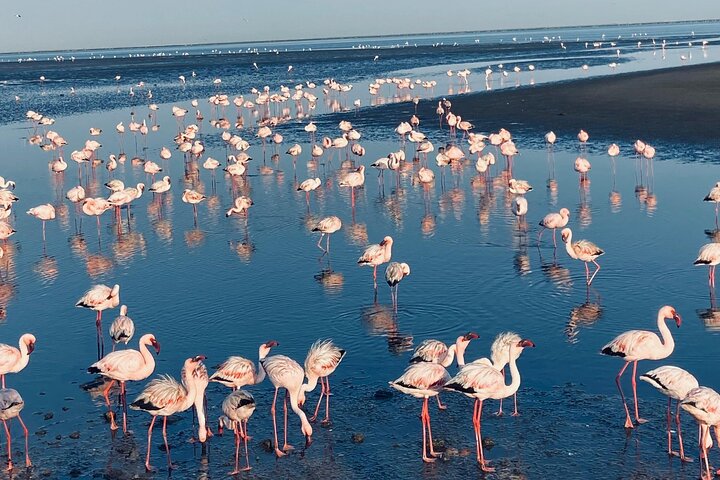
Photo: Divulge Adventures
| Traveller | Best months | Why |
|---|---|---|
| First-time safari | June to October | Reliable sightings at Etosha waterholes and dry roads |
| Photographers | April to May, or November to March | Green landscapes, storm skies and soft light |
| Birders | November to April | Migrant species, breeding plumage and Zambezi wetlands |
| Families | June to August | Cool days, dry weather and school-holiday timing |
| Budget-conscious | April, May and November | Shoulder rates and quieter lodges |
| Hikers | May to September | Fish River Canyon open and bearable temperatures |
Self-drive versus guided travel can change the answer too. Gravel roads are at their best in the dry season, but long distances and heat in summer make a guide and driver more valuable. Our comparison of guided Namibia safaris versus self-drive walks through the pros and cons.
Thinking of combining Namibia with Botswana? The two countries share the same broad seasons, so a dry-season trip suits both. Read Botswana vs Namibia to decide how to split your time.
Is the dry season always the best time to visit Namibia?
The dry season is the best time to visit Namibia for most first-timers, but not for everyone. If you have already seen the classic waterhole action, or you care more about light, birds and solitude than ticking off species, the green season can feel like a different country, and often a more affordable one.
For a fuller overview of routes, parks and planning steps, see our ultimate Namibia safari guide alongside this seasonal advice.
See our Namibia safari packages
From Etosha waterholes to Sossusvlei sunrises and the Skeleton Coast, browse tailor-made Namibia itineraries that we can time to the month that suits you.
Insider Tips
- Book early for peak: July to October is the best time to visit Namibia for game, so lodges in and around Etosha and Sossusvlei fill first for July to October, so book 9 to 12 months ahead
- Pack for two climates: Even in winter, days are warm and nights cold; bring a down jacket or fleece and a sun hat
- Start early: Gates and game drives at first light give the best sightings and the softest light on the dunes
- Time your waterholes: In the dry season, sit at one productive waterhole rather than racing between many
- Hydrate: October to February heat is intense; carry plenty of water on every drive
- Check health advice: Parts of northern Namibia are malarial in the rainy season; ask a travel clinic before you go
Let us plan your safari
Tell us your dates, budget and dream sightings, and our Nairobi team will send you a free tailor-made itinerary and quote.
Frequently Asked Questions
When is the best time to visit Namibia for a safari?
The best time to visit Namibia for a safari is the dry season from June to October, when wildlife in Etosha National Park gathers at waterholes and is easiest to see. July to September is the classic window. October is excellent for game but very hot, with daytime highs around 35°C in Etosha.
Is November to April a bad time to visit Namibia?
November to April is not a bad time to visit Namibia, it is simply different. This is the green season: short afternoon storms, lush scenery, newborn animals, migrant birds and fewer visitors. Game is more spread out in Etosha and it is hot, but photographers, birders and travellers seeking quieter lodges often love it.
What is the best month to visit Sossusvlei?
The best months to visit Sossusvlei are May to September, when days are warm, the light is clear and walking up the dunes is comfortable. Nights can drop below freezing in midwinter, so pack layers. In summer, from November to February, visit at sunrise and finish dune walks well before the midday heat.
When does it rain in Namibia?
Namibia’s rain falls mainly between November and April, peaking from January to March. Windhoek averages roughly 73 to 85 mm a month in that peak, while the far north-east (the Zambezi Region) is wetter. The coast around Swakopmund gets almost no rain at all, and May to October is virtually dry across the country.
How far ahead should I book a Namibia safari for July to October?
Book a Namibia safari for July to October as early as you can, ideally nine to twelve months ahead. Lodges inside and near Etosha and Sossusvlei have limited rooms and fill first in peak season, especially in August. For the green season, three to six months is usually enough, and last-minute options are more common.
Final Thoughts
The best time to visit Namibia for classic wildlife viewing is June to October, with the most concentrated Etosha sightings from August onwards. The green season from November to April trades easy game viewing for lush scenery, birds and quieter lodges, and the shoulder months offer the best value.
Whichever month you decide is the best time to visit Namibia for you, booking early secures the best-located lodges. Share your dates with us and we will build a classic Etosha safari or a full Namibia loop timed to the season.
Not sure which month suits your Namibia safari?
Chat with a Divulge Adventures safari consultant on WhatsApp for honest advice, a quick answer and a quote built around you.