Planning an African adventure is an exhilarating milestone, and leveraging a comprehensive ultimate namibia safari guide is the most effective way to streamline your logistics. When compared to the dense bush of East Africa, Namibia offers a starkly beautiful, surreal alternative that stands entirely on its own. For travelers organizing a vacation, a structured namibia safari itinerary provides a rare combination of accessible infrastructure, dramatic desert landscapes, and a distinctly crowd-free wildlife viewing experience.
The country is widely recognized as one of the safest destinations on the African continent, featuring well-maintained roads and a well-regulated tourism industry. Whether you want to navigate your own rental vehicle over gravel mountain passes or fly between remote wilderness lodges, keeping an ultimate namibia safari guide on hand ensures safety without sacrificing comfort. It is a destination where the journey itself is as spectacular as the wildlife you encounter at each overnight stop.
Top 5 Destinations for Witnessing Iconic Namibia Wildlife
| Destination | Primary Attraction | Best For |
| Etosha National Park | Massive Salt Pan | Big Game (Elephants, and Rhinos) |
| Damaraland | Rugged Mountains | Desert-Adapted Elephants & Lion |
| Sossusvlei | Red Sand Dunes | Oryx Landscapes & Photography |
| Skeleton Coast | Ocean Shipwrecks | Brown Hyenas & Marine Life |
| Caprivi Strip | Lush Waterways | Hippos, Crocs, & Bird Watching |
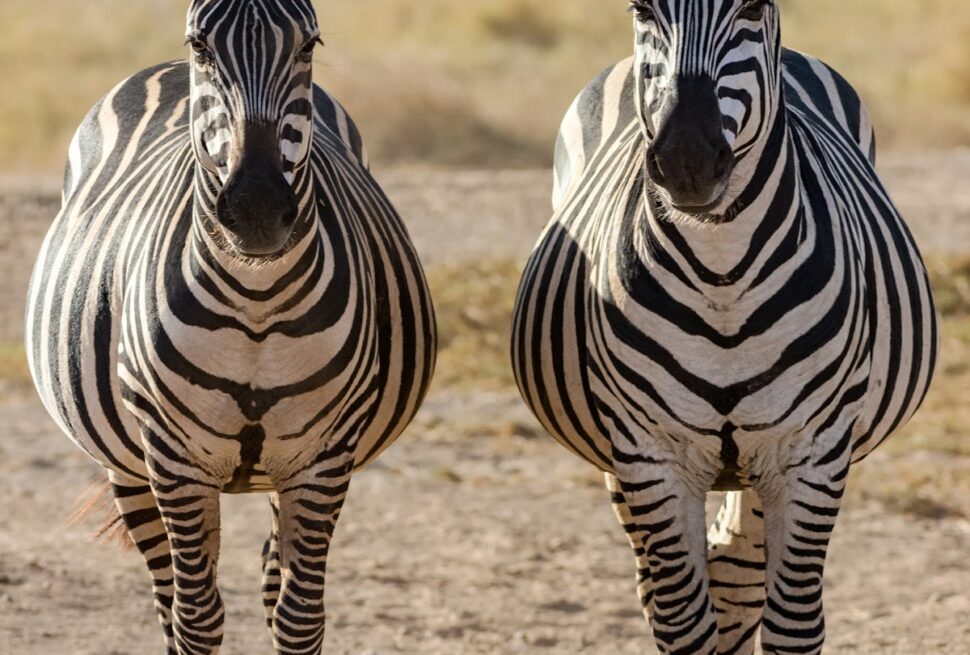
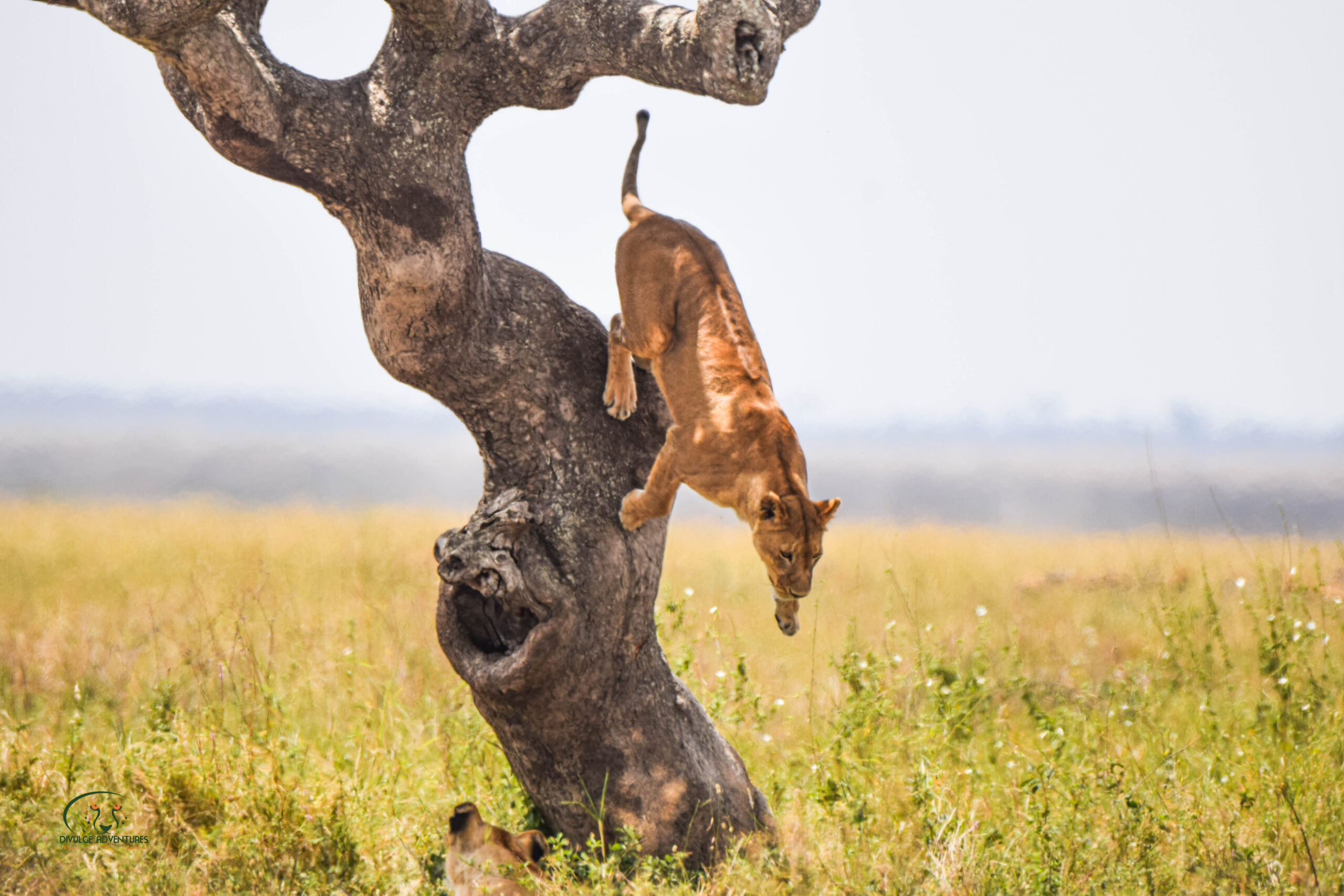
To see the absolute best namibia wildlife, your route must focus on specific geographical regions. First and foremost is Etosha National Park. Covering over 22,000 square kilometers, its defining feature is a massive white salt pan where life thrives along the fringes, sustained by dozens of permanent waterholes. Here, you can sit parked for hours and watch a rotating theater of black rhinos, lions, and massive elephant herds walk right past your bumper.
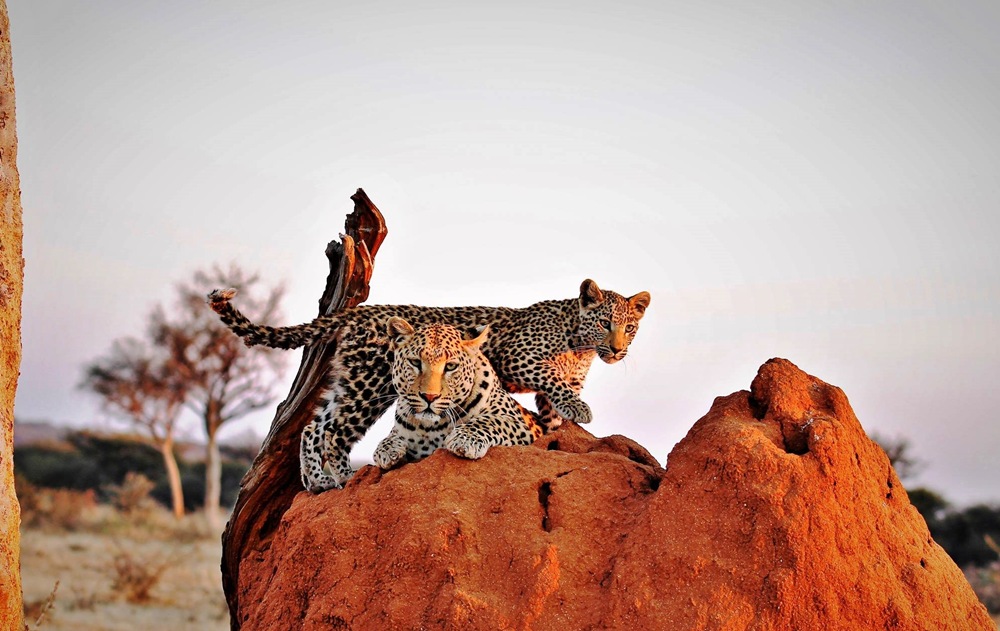
Moving west, the terrain shifts into the rugged landscapes of Damaraland, which is world-famous for its desert-adapted namibia wildlife. Over generations, the elephants and black rhinos here have physically evolved, developing longer legs and larger feet to traverse the brutal rocky terrain. Further south, the dunes of Sossusvlei showcase unique ecosystems where desert-adapted gemsbok climb massive orange sand ridges. Finally, the Skeleton Coast features a colony of 100,000 Cape fur seals, drawing rare land predators like brown hyenas and desert lions directly to the ocean surf to complete your viewing of spectacular namibia wildlife.
Understanding the Best Time to Visit Namibia Safaris
Timing your trip to Southwest Africa is critical because the changing seasons completely transform both the landscape and your chances of spotting big game. Consulting an ultimate namibia safari guide reveals that the country experiences a distinct dry winter and a wet summer, each offering drastically different travel conditions. Identifying the absolute best time to visit namibia depends heavily on whether you prioritize game viewing or landscape photography.
Ready to go? Book your customized safari instantly on WhatsApp — we'll take it from there.
 Book
BookInstantly on
| Season / Month | Weather Conditions | Wildlife and Travel Experience |
| May (Shoulder) | Clear skies, cooling desert temperatures | moderate tourist crowds, Great potography air |
| Jun – Oct (Dry) | Arid days, freezing night temperatures | Peak wildlife viewing, as animals pack at waterholes |
| Nov – Apr (Wet) | Humid summer days, green landscapes | Phenomenal birding, newborn animals, lowe rates |
The peak window runs from July to October, during the height of the dry winter. As natural water pools dry up across the bush, animals are forced to stay close to the permanent waterholes. This dry winter period marks the absolute best time to visit namibia for predictable big game viewings because the vegetation dies back, making predators significantly easier to spot. Conversely, the wet summer season from November to April brings dramatic thunderstorms and soaring temperatures. While game viewing is harder because animals scatter, the emerald summer is the best time to visit namibia for bird watching, lower seasonal rates, and witnessing newborn animals across the plains.
Comprehensive Namibia Safari Cost Breakdown
Namibia caters beautifully to all budget levels, but the travel style you choose will dramatically dictate your total travel expenses. Because of its remote location, imports are expensive, making high-end luxury experiences a true premium. Accurately projecting your total namibia safari cost requires breaking down accommodation styles and transit logistics.
| Budget (Camping): | $70 – $150 USD per day / person |
| Mid-Range (Lodges): | $250 – $500 USD per day / person |
| Luxury (Fly-In): | $800 – $1,500+ USD per day / person |
A budget camping safari relies on renting a 4×4 vehicle equipped with a rooftop tent and cooking your own meals over an open fire, keeping your daily namibia safari cost between $70 to $150 USD per person. If you prefer sleeping in a proper bed, a mid-range lodge safari utilizes standard comfortable rooms paired with inclusive buffet dinners, averaging $250 to $500 USD per day. For travelers seeking ultimate privacy, luxury fly-in safaris use light aircraft to hop between ultra-exclusive private concession lodges, which pushes the total namibia safari cost upwards of $1,500 USD per day.
Crafting the Perfect Namibia Safari Itinerary
To maximize your time on the ground, your route must flow logically to minimize exhaustion from long driving distances. A standard ultimate namibia safari guide recommends a circular loop to smoothly connect the desert with the northern safari belt. A proven 14-day namibia safari itinerary starts in Windhoek before heading south to the towering red dunes of Sossusvlei.
From the desert, you drive northwest to the coastal adventure hub of Swakopmund, followed by a journey through the rugged mountains of Damaraland to track desert-adapted elephants. The final major highlight of your namibia safari itinerary dedicates three full days to wildlife tracking inside Etosha National Park before heading back down to Windhoek.
Essential Travel Safety Tips for the Wilderness
While Namibia is peaceful and welcoming, its extreme natural environment demands careful preparation. Always stick to posted speed limits on unpaved gravel roads typically 60 to 80 km/h and lower your tire pressure to improve traction.
The desert air dries you out rapidly, so carry a minimum of 5 liters of bottled water per person inside your vehicle at all times. Cell service disappears entirely once you leave major towns, making it mandatory to download comprehensive offline maps before departing. Lastly, check your shoes for scorpions in the morning, use bug spray, and consult an ultimate namibia safari guide regarding seasonal malaria prophylactics if you are traveling into the humid northern regions.