The Mara Triangle: Why the West is Best for 2026 Travelers
The legendary Masai Mara National Reserve is one of Africa’s most celebrated safari destinations, famous for dramatic wildlife encounters, sweeping savannahs, and the thunder of the Great Migration. Yet within this vast ecosystem lies a quieter, more exclusive region that many experienced travelers consider the reserve’s crown jewel — the Mara Triangle.
Occupying the northwestern corner of the greater Mara ecosystem, the Mara Triangle offers something increasingly rare in East Africa’s busiest safari destination: space, tranquility, and exceptionally managed wildlife viewing. While other parts of the reserve can become crowded during peak migration months, the Triangle remains comparatively peaceful, allowing travelers to enjoy intimate wildlife sightings against some of the most breathtaking scenery in Kenya.
For photographers, honeymooners, wildlife enthusiasts, and travelers seeking a more authentic safari atmosphere in 2026, the Mara Triangle stands out as one of the finest safari destinations on the continent. From dramatic river crossings to luxurious escarpment lodges and pristine game-viewing routes, this scenic corner of the Mara delivers an experience that feels both wild and refined.
Geography of the Triangle: Bordered by the Oloololo Escarpment and the Mara River
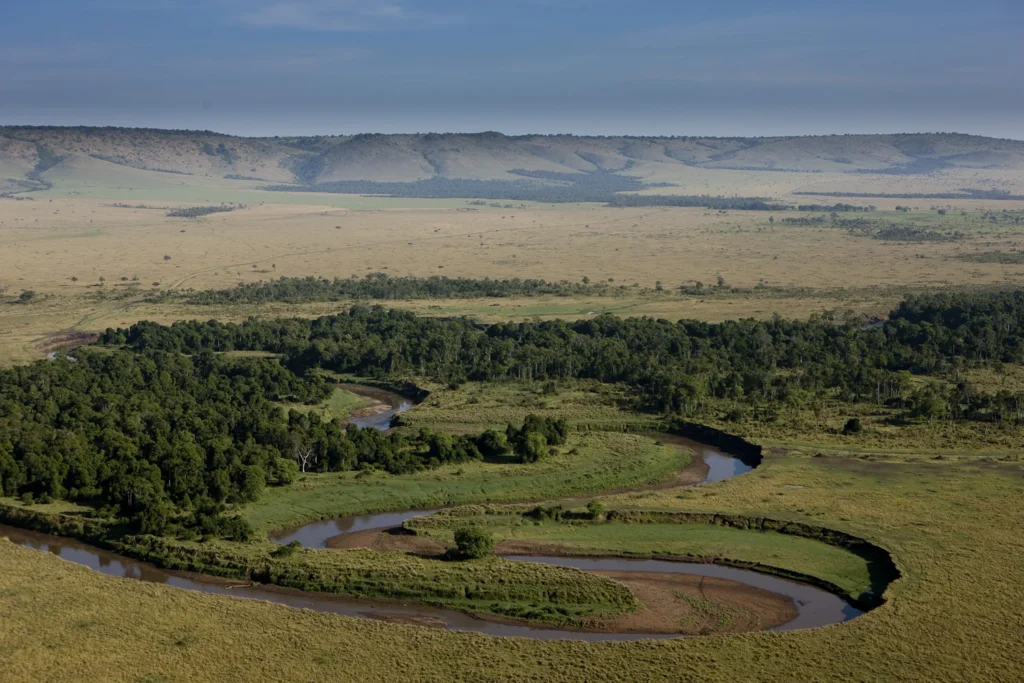
The Mara Triangle is geographically unique. It forms a triangular section of the reserve bordered by the winding Mara River to the east and the towering Oloololo Escarpment to the west. This natural layout creates one of the most visually striking landscapes in the entire Masai Mara ecosystem.
Unlike the flatter central plains, the Triangle combines rolling grasslands, riverine forests, volcanic hills, seasonal marshes, and elevated viewpoints. The escarpment itself rises dramatically above the plains, offering panoramic views that stretch endlessly toward Tanzania’s Serengeti National Park.
Ready to go? Book your customized safari instantly on WhatsApp — we'll take it from there.
 Book
BookInstantly on
The Oloololo Escarpment is particularly famous for sunrise and sunset game drives. Early morning mist drifting over the valley below creates an almost cinematic atmosphere, while golden-hour lighting transforms the plains into a photographer’s paradise. It is no surprise that some of Kenya’s most luxurious safari camps were built along this ridge.
One of the greatest advantages of the Triangle’s geography is its relative isolation. Access is slightly more limited than the eastern gates of the reserve, which naturally reduces traffic. Most visitors enter through the Oloololo Gate or Purungat Bridge, and the roads immediately feel quieter compared to busier sections near Talek.
This geographic setup also benefits wildlife. The Mara River acts as a critical migration corridor, while the surrounding plains provide year-round grazing for herbivores. Because water remains available throughout much of the year, animals stay within the Triangle even outside migration season, making it a reliable safari destination at almost any time.
The scenery itself is worth the journey. You are not simply driving through open grassland — you are moving through layered ecosystems that constantly change in color, texture, and elevation. One moment you are descending from the escarpment into sweeping plains, and the next you are navigating dense riverine forests where leopards may be hidden in fig trees overhead.
Superior Wildlife Management: Why Vehicle Rules Are Stricter and Sightings More Private
One of the biggest reasons seasoned safari travelers prefer the Mara Triangle is its exceptional conservation managementUnlike some heavily trafficked safari zones where multiple vehicles crowd around a single predator sighting, the Triangle enforces stricter regulations that prioritize both wildlife welfare and visitor experience. These rules are managed by the Mara Conservancy, which has built a strong reputation for maintaining road quality, anti-poaching efforts, and responsible tourism standards.
The difference becomes immediately noticeable during game drives. In crowded safari areas, lion sightings can sometimes involve dozens of vehicles surrounding animals from every angle. In the Mara Triangle, guides operate under tighter rules regarding vehicle positioning and viewing times. This results in calmer wildlife encounters and far more respectful observation conditions.
For travelers, this translates into something invaluable: privacy. Imagine watching a leopard descend from a sausage tree without hearing multiple engines idling nearby. Picture observing a cheetah hunt with only one or two vehicles present instead of a chaotic traffic jam. These are the kinds of experiences the Triangle consistently delivers.
The lower vehicle density also improves photography opportunities. Wildlife photographers often struggle in crowded safari areas because of blocked views, dust clouds, and engine noise. In the Triangle, photographers can position vehicles more effectively and wait patiently for natural animal behavior to unfold.
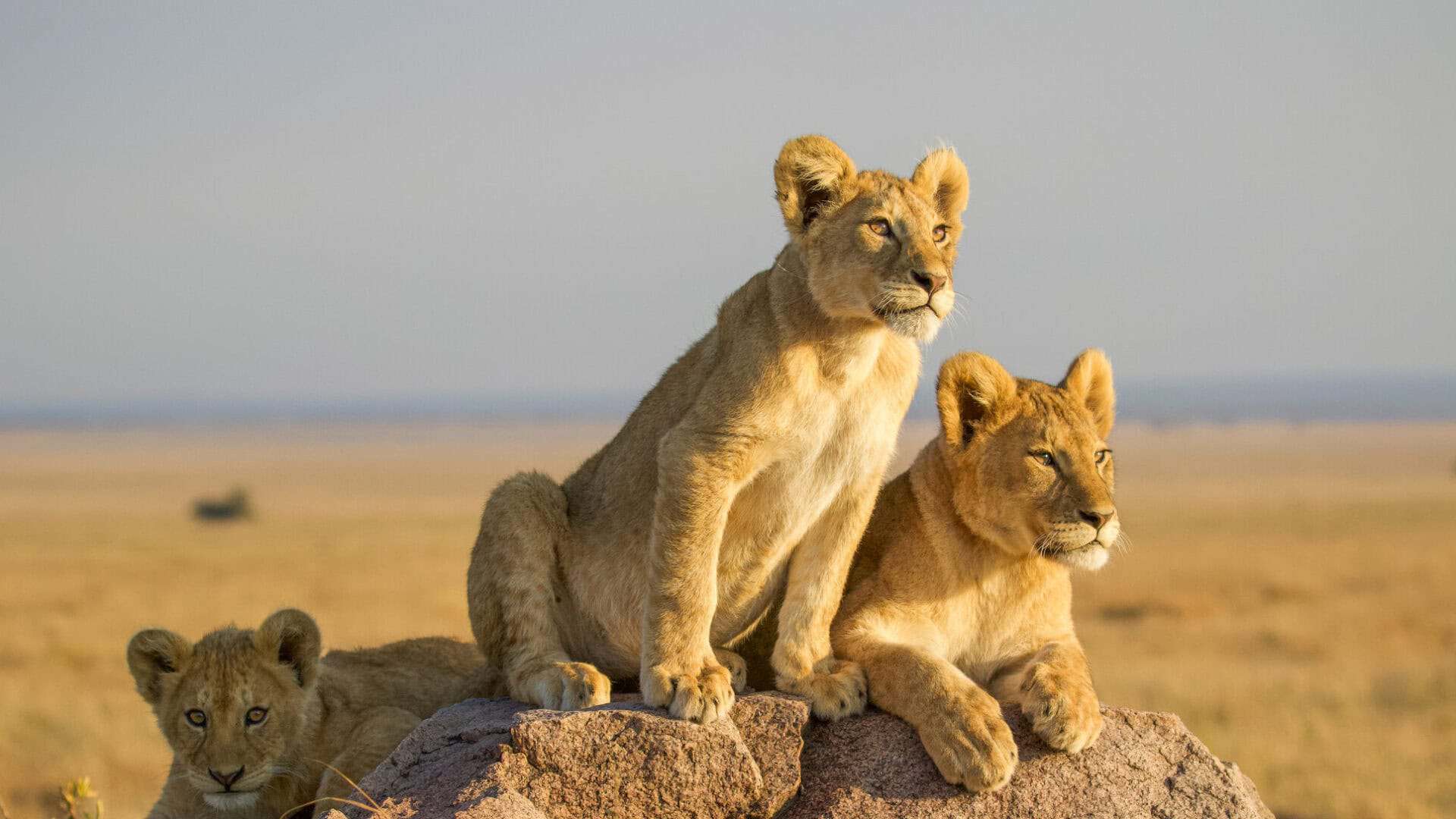
The area is especially renowned for predator sightings. Lions, leopards, cheetahs, hyenas, and jackals thrive here due to the healthy prey populations and relatively undisturbed environment. Large elephant herds are also commonly seen moving across the plains or gathering near riverbanks.
Birdlife is equally impressive. Martial eagles soar above the escarpment, secretary birds stride through grasslands, and colorful lilac-breasted rollers brighten the acacia trees. During the green season, migratory bird species transform the Triangle into an excellent destination for birdwatchers.
Conservation success in the Mara Triangle also extends to infrastructure. Roads are generally better maintained than in other sections of the reserve, especially during rainy periods when some routes elsewhere become difficult to navigate. This allows for smoother game drives and more reliable access to wildlife hotspots.
Migration Front Row Seats: High Concentration of Key Crossing Points
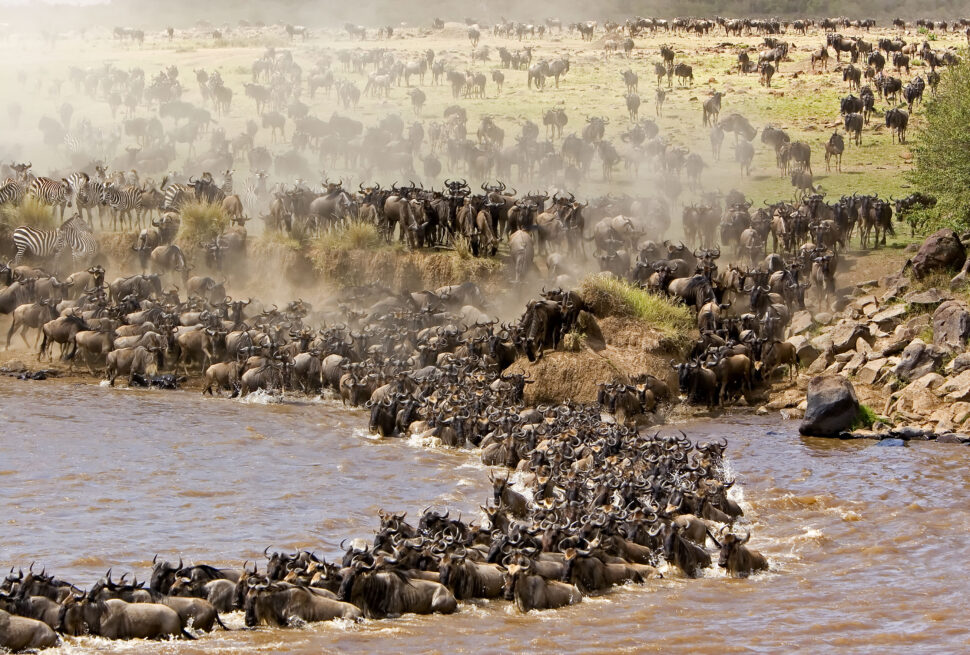
For many travelers, the Great Migration is the ultimate reason to visit the Masai Mara. Every year, over two million wildebeest, zebras, and gazelles move between Tanzania and Kenya in search of fresh grazing. And when it comes to witnessing dramatic river crossings, the Mara Triangle offers some of the best seats in the house.
Several major crossing points are located within or near the Triangle section of the Mara River. Between July and October, huge herds gather nervously along riverbanks before plunging into crocodile-filled waters in one of nature’s most dramatic spectacles.
What makes the Triangle special is the balance between access and exclusivity. While some crossing points in busier areas become overcrowded with safari vehicles, many Triangle crossings remain less congested. Guides often position guests strategically and wait patiently for hours as herds build confidence before crossing.
The anticipation is part of the experience. At first, hundreds of wildebeest gather at the edge of the river. Dust rises into the air as animals shift nervously back and forth. Suddenly, one animal leaps — and within seconds, thousands follow in a thunderous wave of movement.
These crossings are unpredictable, emotional, and unforgettable.The Triangle’s river crossings are also visually spectacular because of the surrounding landscape. Dense riverine vegetation, dramatic river bends, and open viewpoints create excellent conditions for photography and filming.
Importantly, the migration is not the only attraction. Many first-time visitors assume the Mara is only worthwhile during migration season, but the Triangle offers excellent resident wildlife throughout the year.
From January to March, predator activity remains outstanding due to shorter grasses and concentrated prey. The green season between November and May brings lush scenery, fewer tourists, dramatic skies, and newborn animals. Even outside peak migration months, the Triangle remains one of Kenya’s most rewarding safari regions.
Accommodation Options: From the High-End Angama Mara to the Scenic Mara Serena
The Mara Triangle caters to a wide range of travelers, from ultra-luxury safari seekers to families and independent adventurers.
Among the most iconic properties overlooking the Triangle is Angama Mara. Perched dramatically on the Oloololo Escarpment, Angama Mara is famous for its breathtaking panoramic views over the plains below. Inspired partly by the filming location of the movie Out of Africa, the lodge combines modern luxury with extraordinary scenery.
Guests staying at Angama enjoy floor-to-ceiling glass-fronted suites, private decks, fine dining, and direct access to some of the reserve’s best game-viewing areas. It is especially popular with honeymooners, photographers, and travelers celebrating special occasions.
Another classic option is Mara Serena Safari Lodge. Blending into the hillside architecture, Mara Serena offers one of the most scenic settings in the reserve. Its elevated location provides sweeping views over the savannah, while its central position within the Triangle allows easy access to migration crossing points.
Travelers seeking smaller tented camps can also find intimate eco-lodges and mobile safari camps scattered throughout the area. Many emphasize low-impact tourism, personalized guiding, and close-to-nature experiences.
Accommodation styles vary widely, including:
- Luxury tented camps with plunge pools
- Mid-range safari lodges
- Family-friendly camps
- Exclusive-use villas
- Seasonal migration camps
- Budget camping facilities for self-drive travelers
One major advantage of staying inside or near the Triangle is reduced travel time to prime game-viewing areas. Instead of long daily commutes through crowded sections of the reserve, guests can often access wildlife-rich regions within minutes of leaving camp.
Many lodges also offer additional experiences such as:
- Bush breakfasts
- Sundowner cocktails
- Guided walking safaris
- Maasai cultural visits
- Hot air balloon safaris
- Photographic workshops
For travelers planning a 2026 safari, early booking is strongly recommended during migration season, particularly for luxury camps with limited room capacity.
Self-Drive vs. Guided: Why the Triangle is a Favorite for Photographers and Independent Travelers
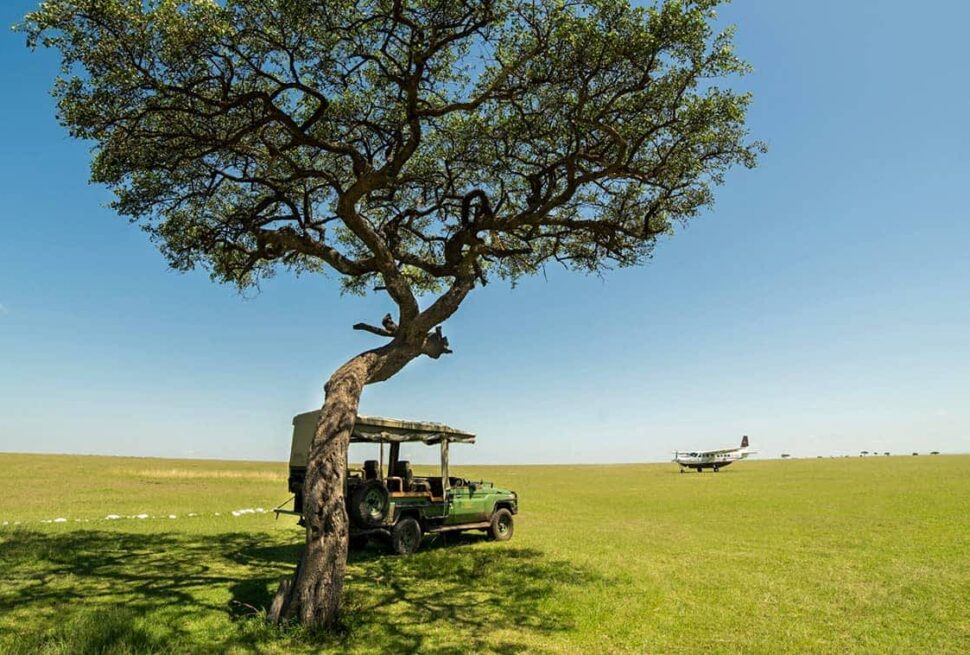
The Mara Triangle is one of the few sections of the greater Masai Mara where self-drive safaris remain genuinely enjoyable.
Because roads are better maintained and traffic levels are lower, independent travelers often find the Triangle easier to navigate than busier regions of the reserve. The scenery is also ideal for slow-paced exploration, allowing travelers to stop frequently for photography and wildlife observation.
That said, there are important considerations.
A self-drive safari provides flexibility, privacy, and cost savings. Travelers can set their own schedules, spend extra time at sightings, and explore lesser-known corners of the reserve. For experienced safari-goers and overland travelers, this freedom can be incredibly rewarding.
However, guided safaris still offer significant advantages.
Professional guides possess deep knowledge of animal behavior, tracking techniques, and seasonal wildlife movement. They communicate with other guides via radio, dramatically increasing the chances of locating elusive species like leopards or cheetahs.
For photographers, expert guides can make a major difference by positioning vehicles for optimal lighting and angles. The Triangle’s quieter environment already gives photographers an advantage, but pairing that setting with a skilled guide creates truly exceptional opportunities.
Independent travelers should also remember that wildlife can be unpredictable and road conditions may change during rainy seasons. A 4×4 vehicle is strongly recommended year-round.
For first-time visitors to Kenya, guided safaris are generally the easier and more rewarding option. But for returning travelers seeking a more adventurous and independent experience, the Mara Triangle offers one of East Africa’s finest self-drive safari destinations.
Conclusion
In a world where many famous safari destinations struggle with overtourism, the Mara Triangle remains refreshingly wild, scenic, and well-managed. Its dramatic geography, quieter game-viewing conditions, world-class migration crossings, and exceptional accommodations combine to create a safari experience that feels both exclusive and authentic. Whether you are watching wildebeest plunge across the Mara River, photographing lions beneath stormy skies, or enjoying sunrise from the Oloololo Escarpment, the Triangle consistently delivers unforgettable moments. For travelers planning a Kenyan safari in 2026, the answer is becoming increasingly clear: when it comes to the Masai Mara, the west truly is best.