Mara North Conservancy safari
Low-density tourism and community partnership frameworks.
A safari in Kenya is often associated with vast golden plains, dramatic wildlife encounters, and unforgettable sunsets. Yet beyond the famous game reserves lies a destination that offers something even more exclusive and sustainable — the Mara North Conservancy. Covering more than 74,000 acres on the northwestern edge of the iconic Maasai Mara National Reserve, Mara North Conservancy has become one of East Africa’s leading examples of responsible luxury tourism.
What makes a Mara North Conservancy safari different is its commitment to low-density tourism and strong partnerships with local Maasai landowners. Unlike heavily crowded safari destinations, the conservancy prioritizes privacy, sustainability, and meaningful conservation efforts. Guests are rewarded with intimate wildlife encounters, fewer vehicles at sightings, and access to pristine wilderness areas that remain largely untouched.
The conservancy operates through a unique landowner partnership framework where local Maasai families lease their land for conservation rather than agriculture or settlement expansion. This model has created a successful balance between tourism, wildlife protection, and community empowerment. Travelers not only enjoy extraordinary safari experiences but also directly contribute to the livelihoods of local communities and the preservation of one of Africa’s most important ecosystems.
Whether you are a first-time visitor to Kenya or a returning safari enthusiast seeking exclusivity, a Mara North Conservancy safari delivers an unforgettable experience that combines luxury with authentic conservation impact.
Ready to go? Book your customized safari instantly on WhatsApp — we'll take it from there.
 Book
BookInstantly on
Exclusive Wildlife Viewing in Mara North Conservancy
One of the greatest attractions of the conservancy is its exceptional wildlife viewing experience. Mara North is known for maintaining low tourist density, allowing guests to enjoy peaceful and uncrowded game drives.
- Strict Vehicle Limits
Unlike some popular safari destinations where dozens of vehicles may gather around a single wildlife sighting, Mara North Conservancy enforces strict vehicle regulations. Only a limited number of safari vehicles are allowed within the conservancy at any given time, and the number of camps operating inside the area is carefully controlled.
This approach creates a more respectful and intimate wildlife experience. Guests can observe predators hunting, elephants grazing, or leopards resting in trees without the noise and congestion commonly seen in overcrowded reserves.
The limited vehicle policy also improves photographic opportunities. Wildlife photographers especially appreciate the ability to position vehicles calmly and capture natural animal behavior without interference.
- Off-Road Driving Rules
Another major advantage of a Mara North Conservancy safari is the controlled allowance of off-road driving. While many national parks prohibit off-road access entirely, Mara North permits it under strict guidelines.
This flexibility enables experienced guides to track predators more effectively while minimizing environmental impact. Vehicles may carefully leave designated tracks when necessary for wildlife viewing, particularly during predator sightings or photographic opportunities.
The result is a safari experience that feels immersive and dynamic while still protecting fragile habitats and vegetation.
The Leopard Gorge Habitat
One of the conservancy’s most remarkable areas is Leopard Gorge, a region famous for its dramatic scenery and thriving predator population.
- Big Cat Breeding Grounds
Leopard Gorge serves as a critical breeding and hunting habitat for large predators, particularly lions and leopards. The dense vegetation and rocky terrain provide excellent shelter for mothers raising cubs and ideal ambush points for hunting.
Guests exploring this region often witness:
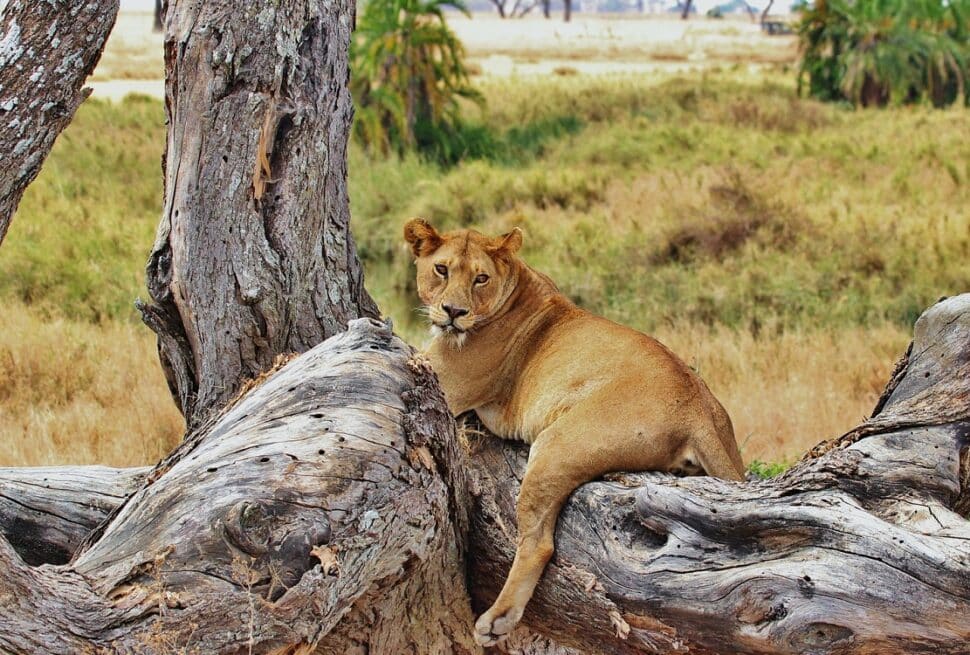
- Lions resting along rocky outcrops
- Leopards hidden within riverine forests
- Hyenas patrolling open plains
- Cheetahs scanning the grasslands for prey
The conservancy’s healthy predator population is one of the reasons many travelers choose a Mara North Conservancy safari over more crowded safari regions.
- Unique Topography and Vegetation
The landscape within Leopard Gorge is strikingly diverse. Rolling hills, acacia woodlands, seasonal rivers, rocky escarpments, and open savannahs create a visually stunning environment that supports a wide range of wildlife species.
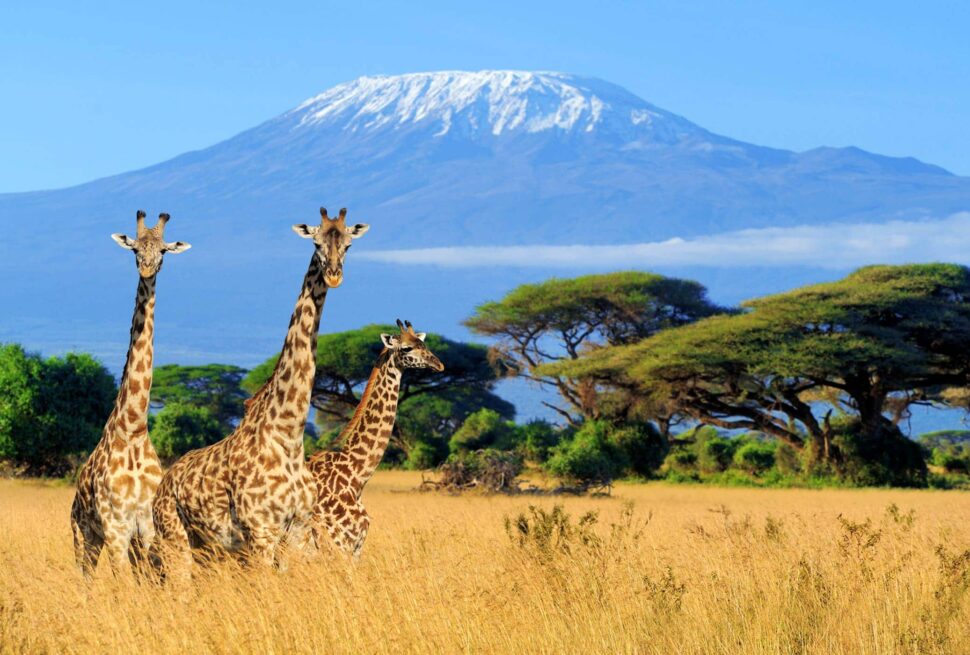
Riverine forests attract elephants, buffaloes, and giraffes, while the open grasslands provide excellent grazing areas for zebras, wildebeests, and antelopes.
This varied terrain also enhances the safari experience by offering constantly changing scenery throughout game drives.
Community Welfare and Conservation Benefit
Mara North Conservancy is internationally recognized for its successful community partnership model. Conservation efforts here are deeply connected to local Maasai communities, ensuring tourism benefits are shared directly with landowners.
- Lease Payment Structures
At the core of the conservancy model is a structured land lease system. Maasai landowners receive regular lease payments for dedicating their land to wildlife conservation instead of agriculture or settlement development.
These payments provide families with stable income while protecting critical wildlife corridors and grazing ecosystems.
The partnership framework has helped reduce human-wildlife conflict and encouraged long-term environmental stewardship within the region.
A Mara North Conservancy safari therefore supports both conservation and economic empowerment simultaneously.
- Educational and Health Initiatives
Tourism revenue generated within the conservancy contributes to several important community programs, including:
- School construction and scholarships
- Healthcare access and medical clinics
- Water projects
- Youth employment opportunities
- Conservation education initiatives
Many safari camps also employ local Maasai staff, guides, trackers, and artisans, creating additional economic opportunities within surrounding communities.
This holistic conservation approach has transformed Mara North into one of Kenya’s leading examples of sustainable tourism.
Safari Accommodations in Mara North Conservancy
Accommodation within the conservancy focuses on exclusivity, comfort, and environmental sustainability. Most camps are intentionally small and designed to blend naturally into the surrounding wilderness.
- Eco-Friendly Bush Camps
The conservancy is home to several eco-conscious luxury camps that prioritize sustainability without sacrificing comfort.
Popular features include:
- Solar-powered energy systems
- Canvas tented suites
- Outdoor showers
- Locally sourced materials
- Minimal environmental footprints
Many camps offer elevated decks overlooking wildlife-rich plains, allowing guests to enjoy spectacular views directly from their rooms.
The smaller camp sizes also contribute to the low-density safari philosophy, creating a peaceful and personalized atmosphere.
- Night Game Drive Options
Unlike the nearby national reserve, Mara North Conservancy allows night game drives — one of the most exciting safari activities available.
Night drives reveal an entirely different side of the African wilderness. Guests may encounter:
- Hunting lions
- Nocturnal leopards
- Bush babies
- Genets
- Porcupines
- Aardwolves
Experienced guides use spotlights responsibly to locate nocturnal species while explaining animal behavior and ecosystem dynamics.
For many travelers, night drives become one of the most memorable highlights of a Mara North Conservancy safari.
Why Mara North Conservancy Stands Out
What truly separates Mara North from many other safari destinations is its balance between luxury tourism, wildlife conservation, and community involvement.
Visitors enjoy:
- Fewer safari vehicles
- Exceptional predator sightings
- Personalized guiding experiences
- Access to exclusive safari activities
- Meaningful cultural connections
- Sustainable tourism practices
The conservancy demonstrates that tourism can successfully support both wildlife preservation and local communities when managed responsibly.
As travelers increasingly seek authentic and ethical travel experiences, Mara North continues to stand out as one of Africa’s most inspiring safari destinations.
Best Time to Visit Mara North Conservancy
A Mara North Conservancy safari can be enjoyed throughout the year, with each season offering unique advantages.
- July to October
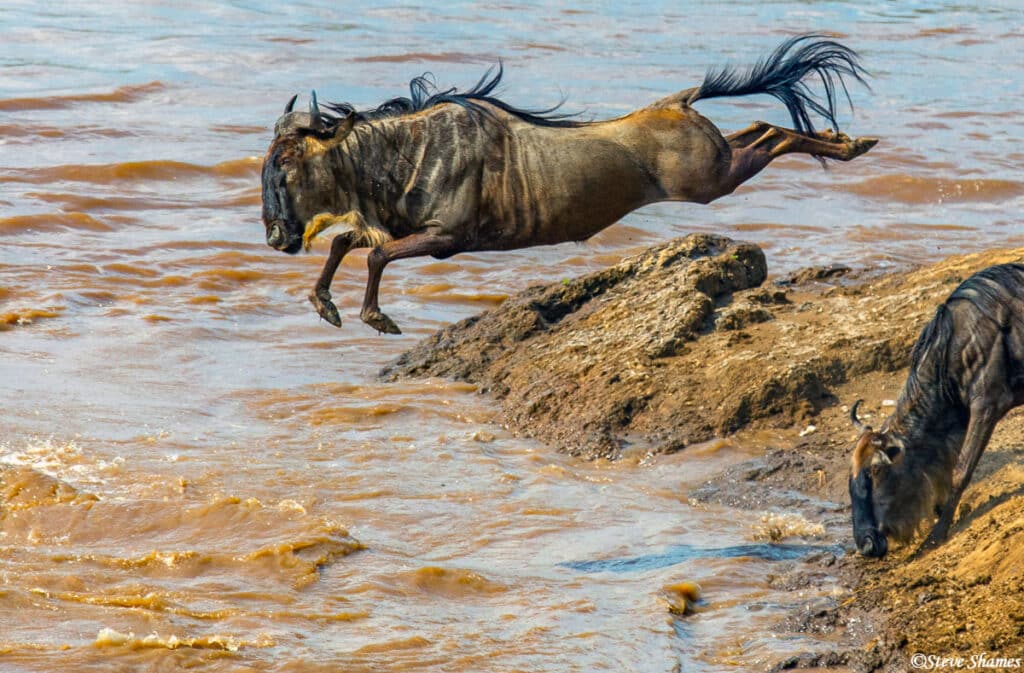
This is the peak migration period when large herds of wildebeests and zebras move through the Mara ecosystem. Predator activity intensifies, making this one of the most exciting times for wildlife viewing.
- November to February
The green season transforms the conservancy into a lush paradise filled with migratory birds and dramatic landscapes. Visitor numbers are lower, creating an even more exclusive atmosphere.
- March to June
Although occasional rains occur, this period offers excellent resident wildlife viewing, beautiful scenery, and lower accommodation rates.
Conclusion
The Mara North Conservancy has redefined what a modern African safari can be. Through low-density tourism, strict conservation practices, and strong partnerships with Maasai communities, the conservancy offers an experience that is both luxurious and sustainable.
A Mara North Conservancy safari allows travelers to witness extraordinary wildlife in a peaceful and uncrowded environment while directly supporting conservation and local livelihoods. From the predator-rich plains of Leopard Gorge to eco-friendly bush camps and unforgettable night drives, every aspect of the conservancy reflects a commitment to protecting both people and nature.
For travelers seeking authenticity, exclusivity, and meaningful adventure, Mara North Conservancy remains one of Kenya’s finest safari destinations.