Budgeting for the Mara in 2026: A Comprehensive Financial Guide
Experience the thrill of a Masai Mara Safari as you explore Kenya’s iconic Masai Mara National Reserve, a dream destination for many travelers around the world. Known for its breathtaking landscapes and abundant wildlife, the Masai Mara Safari remains one of Africa’s most sought-after safari destinations. However, with rising conservation fees and new park regulations, understanding the true Masai Mara safari cost in 2026 is essential before making travel plans.
Whether you are a backpacker seeking an affordable wildlife adventure, a family organizing a mid-range safari holiday, or a luxury traveler searching for an exclusive bush experience, budgeting correctly for your Masai Mara Safari can help you avoid unexpected expenses. This comprehensive guide breaks down the major costs involved in visiting the Masai Mara Safari in 2026, including park entry fees, accommodation, transportation, hidden expenses, and practical budgeting tips.
Official 2026 Entry Fees
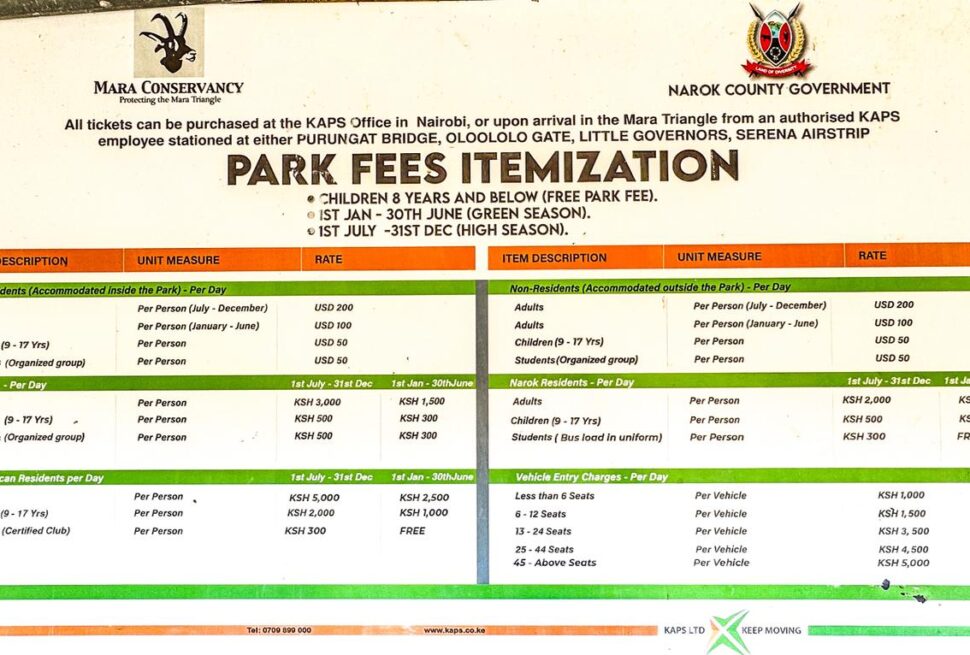
One of the biggest expenses when planning a Masai Mara safari is the park entry fee. These charges are regulated by the Narok County Government and are mandatory for all visitors entering the reserve. The fees vary depending on the season and nationality of the traveler.
Non-Resident Adult Fees
International visitors entering the reserve in 2026 will pay:
USD 100 per adult per day from January to June
USD 200 per adult per day from July to December
Ready to go? Book your customized safari instantly on WhatsApp — we'll take it from there.
 Book
BookInstantly on
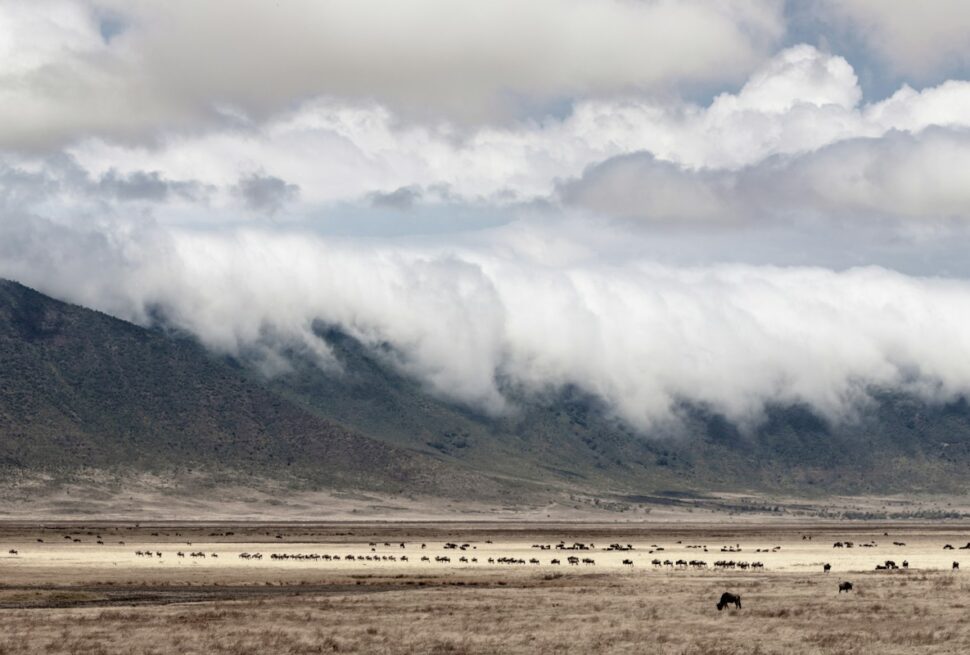
The increase during the second half of the year reflects the peak safari season when the Great Migration takes place. During this period, the reserve experiences massive demand from travelers hoping to witness wildebeest crossings and predator action along the Mara River.
For couples or families traveling during migration season, park fees alone can account for a significant portion of the total safari budget. For example, two adults spending three days in the reserve between August and September could pay over USD 1,200 in park fees only.
Non-Resident Child Fees
Children between the ages of 9 and 17 years are charged USD 50 per child per day throughout the year. Children below 8 years usually enter free of charge, making the Mara relatively family-friendly compared to some other safari destinations where children pay near-adult rates.
Families should always confirm age policies with their tour operators before booking, as some lodges apply their own accommodation policies for children.
Understanding the 12-Hour Rule
One of the most important updates affecting the Masai Mara safari cost in 2026 is the strict ticket validity system. Park tickets are generally valid from 6:00 AM to 6:00 PM. This means that travelers staying outside the reserve must leave the park before 6:00 PM to avoid paying an additional full-day entry fee.
Visitors who exceed the permitted hours may be charged another day’s fee even if they only remain inside the reserve briefly. The rule has significantly changed how many travelers structure their itineraries. Instead of staying outside the reserve and commuting daily, many visitors now prefer accommodations located inside the park or within nearby conservancies to maximize game drive time and reduce repeated entry charges.
Understanding the Masai Mara Safari experience means appreciating the diverse wildlife and incredible landscapes that will greet you at every turn. Choosing the right vehicle for your Masai Mara Safari can enhance your experience significantly.
Vehicle & Transit Fees
Whether you prefer budget, mid-range, or luxury options, the Masai Mara Safari caters to all types of travelers. Transportation is another major factor when calculating a realistic safari budget. Depending on the type of safari experience you want, transport costs can vary widely.
4×4 Safari Vehicle Costs
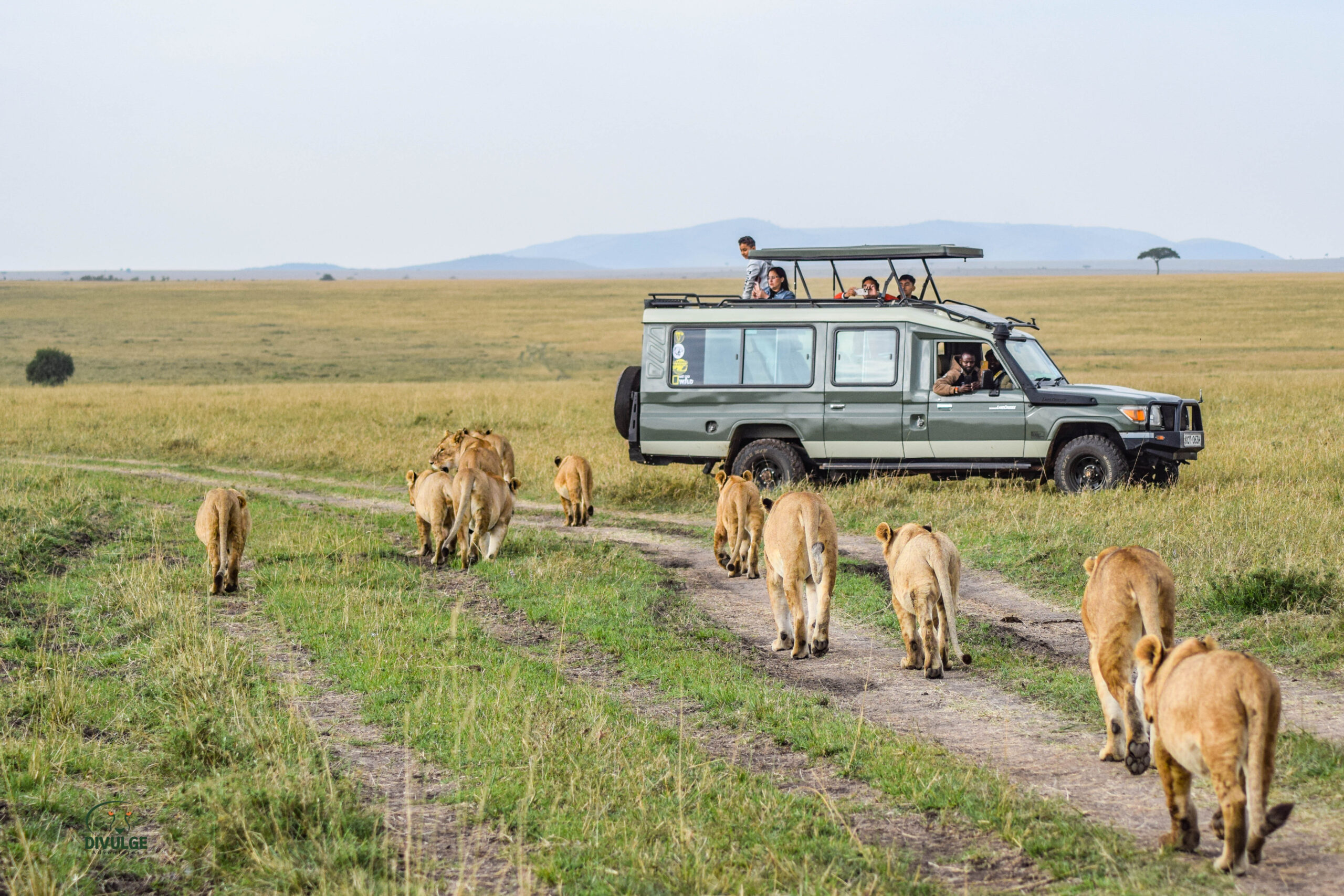
Most safari operators in Kenya use customized 4×4 Toyota Land Cruisers because they are reliable on rough terrain and provide excellent wildlife viewing opportunities. In 2026, average daily rates for a private Land Cruiser range between USD 250 to USD 450 per day.
This usually includes:
Fuel
Driver-guide services
Bottled drinking water
Game drives
Park transfers
Private safaris are ideal for travelers seeking flexibility and personalized experiences. You can choose your own game drive schedule, spend more time observing wildlife, and enjoy greater comfort.
Shared safari vehicles are more affordable and generally cost USD 120 to USD 200 per day per person. These are common among budget travelers and group tours.
Road Transfers from Nairobi
Many travelers choose to drive from Nairobi to the Masai Mara instead of flying. The journey typically takes 5 to 6 hours depending on road conditions and weather. Road transfers are usually included in package safaris, but private transfers may cost USD 180 to USD 350 one way.
The drive itself offers scenic views of the Great Rift Valley, local villages, and rural Kenya, making it an enjoyable experience for many visitors.
Bush Flights
Luxury travelers and those with limited time often choose scheduled bush flights from Nairobi’s Wilson Airport to various airstrips within the Mara ecosystem. Typical return fares in 2026 range from USD 250 to USD 500 per person.
Some premium lodges include flights in their package prices, while others charge separately. Flying reduces travel time dramatically, allowing visitors to reach the reserve in less than an hour compared to a lengthy road journey. However, travelers should note that additional airstrip landing fees or luggage restrictions may apply.Many hidden costs can impact your overall Masai Mara Safari budget, so it’s important to plan accordingly.
Accommodation Tiers
Accommodation plays the biggest role in determining the total Masai Mara safari cost. The Mara offers a wide variety of lodging options suitable for different budgets and travel styles.
Budget Accommodation
Travelers on limited budgets can still enjoy the Mara through affordable campsites and lodges located outside the reserve gates. Typical costs range from USD 40 to USD 150 per person per night.
Budget accommodation options include:
- Public campsites
- Backpacker hostels
- Simple tented camps
- Lodges near Sekenani Gate
These properties usually provide basic rooms or safari tents, shared dining areas, group game drives, and limited amenities. Budget travelers often choose shared safaris to reduce transportation costs further.
While staying outside the reserve is cheaper, visitors must factor in repeated park entry fees and travel time to the gates each day. For travelers who prioritize wildlife experiences over luxury comforts, budget safaris remain a practical option.
Mid-Range Accommodation
Mid-range tented camps are the most popular choice among international visitors because they provide a balance between comfort, authenticity, and affordability. Typical costs range from USD 400 to USD 800 per night.
These camps usually offer spacious ensuite safari tents, full-board meals, guided game drives, hot showers, campfire experiences, and sundowner cocktails.
Mid-range camps are ideal for couples, families, first-time safari travelers, and small private groups. Many of these camps are strategically located near wildlife-rich areas, allowing guests to enjoy excellent game viewing without the extremely high prices associated with luxury lodges.
Some packages also include airport transfers and park fees, which can help travelers manage expenses more effectively.
Luxury Accommodation
Luxury safari tourism continues to expand rapidly in the Masai Mara, especially in private conservancies offering exclusive wildlife experiences. Typical costs start from USD 1,200 or more per night.
Some ultra-luxury properties charge USD 2,000 to USD 5,000 per night during peak migration season. Luxury camps and lodges often include private game drives, fine dining, spa treatments, butler service, premium beverages, bush breakfasts, charter flights, and infinity pools.
Many luxury properties limit the number of guests, ensuring exclusivity and privacy. Travelers paying premium prices are not only purchasing comfort but also access to less crowded wildlife areas and personalized safari experiences.
Hidden Costs
Many travelers focus only on accommodation and park fees while overlooking smaller expenses that can quickly add up. Tipping- Tipping is widely expected within Kenya’s safari industry. Recommended tipping ranges:
Safari guide: USD 10–20 per guest per day
Camp staff: USD 5–10 per guest per day
Porters: USD 1–2 per bag
Luxury camps may provide communal tip boxes, while private guides are usually tipped directly. Although tipping is technically optional, it forms an important part of staff income across the tourism sector.
Laundry Services– Laundry services are often excluded from standard packages. Average charges are USD 2–5 per clothing item. Travelers staying for extended periods should budget for laundry, especially during dusty migration season when clothing requires frequent cleaning.
Conservancy Fees– Private conservancies surrounding the reserve often charge separate conservation fees. These fees may range between USD 80–250 per person per day. Travelers staying in conservancies should confirm whether conservancy fees are included and whether reserve access is separate.
Failing to understand conservancy policies can result in unexpected charges during the trip.
Balloon Safaris– Hot air balloon safaris are among the most popular optional activities in the Mara. Typical pricing in 2026 is USD 450–600 per person.
The experience usually includes a sunrise balloon ride and scenic aerial views of wildlife and landscapes with a champagne breakfast. While expensive, many travelers consider it a once-in-a-lifetime experience.
Sample Safari Budgets for 2026
Below is a realistic estimate for a 3-night safari excluding international flights.
Safari Type
Estimated Cost Per Person
Budget Safari: USD 700–1,200
Mid-Range Safari: USD 1,800–3,500
Luxury Safari: USD 5,000+
These estimates typically include accommodation, meals, park fees, transport, and shared or private game drives. Travel insurance, visas, shopping, and optional activities are usually excluded.
Tips for Reducing Your Safari Costs
Travelers looking to save money can consider several practical strategies:
Travel During Low Season: Visiting between January and June reduces park fees significantly and often provides discounted accommodation rates.
Join Group Safaris: Shared safaris help reduce transport and guide expenses.
Stay Longer: Some camps offer discounts for extended stays, lowering the nightly average cost.
Book Packages: All-inclusive safari packages are often more affordable than booking each component separately.
Compare Conservancy vs Reserve Stays: In some cases, conservancies offer better wildlife experiences despite higher fees because they have fewer vehicles and stricter visitor limits.
Final Thoughts
The Masai Mara remains one of Africa’s greatest safari destinations, offering unforgettable wildlife encounters, stunning landscapes, and exceptional hospitality. However, understanding the full Masai Mara safari cost in 2026 is essential for proper planning for your Masai Mara Safari.
From park fees and accommodation to transport and hidden expenses, safari costs can rise quickly if travelers are unprepared. Fortunately, the Masai Mara Safari still offers options for every budget, whether you are seeking a simple camping adventure or a luxurious fly-in safari experience. By planning early, comparing packages carefully, and understanding the updated 2026 regulations, travelers can create a memorable Masai Mara Safari experience without unnecessary financial surprises.
For many visitors, the moment they witness lions hunting across the plains or wildebeest crossing the Mara River during their Masai Mara Safari makes every dollar spent completely worthwhile.