National Reserve vs. Private Conservancy: Choosing Your 2026 Base
Planning a safari in the world-famous Masai Mara National Reserve is one of the most exciting travel decisions you can make. Known for its breathtaking landscapes, incredible wildlife density, and the legendary Great Wildebeest Migration, the Masai Mara remains one of Africa’s top safari destinations in 2026.
However, one question continues to shape how travelers experience the Mara:
Should you stay inside the Masai Mara National Reserve or in one of the surrounding private conservancies?
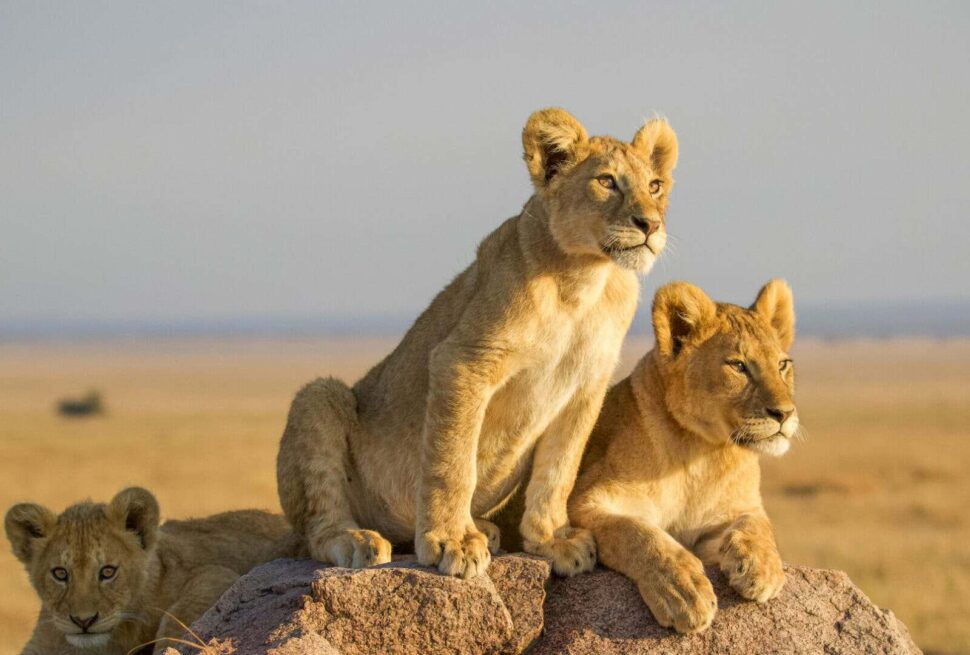
At first glance, both options may seem similar because they share the same ecosystem and wildlife. Lions, elephants, cheetahs, leopards, giraffes, and wildebeests move freely between the reserve and conservancies without understanding human boundaries. Yet the safari experience between these two areas can feel completely different.
The choice impacts everything from wildlife viewing and crowd levels to activities, photography opportunities, privacy, and overall safari atmosphere.
Ready to go? Book your customized safari instantly on WhatsApp — we'll take it from there.
 Book
BookInstantly on
Some travelers prioritize unrestricted access to migration crossings and iconic landscapes. Others prefer exclusivity, off-road game drives, and quieter wildlife encounters away from crowds.
Understanding the strengths of each option is essential when planning your 2026 Masai Mara safari.
This guide breaks down the differences between the Masai Mara National Reserve and private conservancies so you can choose the experience that best fits your safari style.
The Case for the National Reserve: Unrestricted Access to Migration River Crossings and the Mara Triangle
The Masai Mara National Reserve is the original and most famous safari area in the Mara ecosystem. Covering over 1,500 square kilometers, the reserve offers vast open landscapes filled with extraordinary wildlife year-round.
For many travelers, especially first-time visitors, staying near or inside the reserve is the ultimate classic safari experience.
Why the Reserve Stands Out
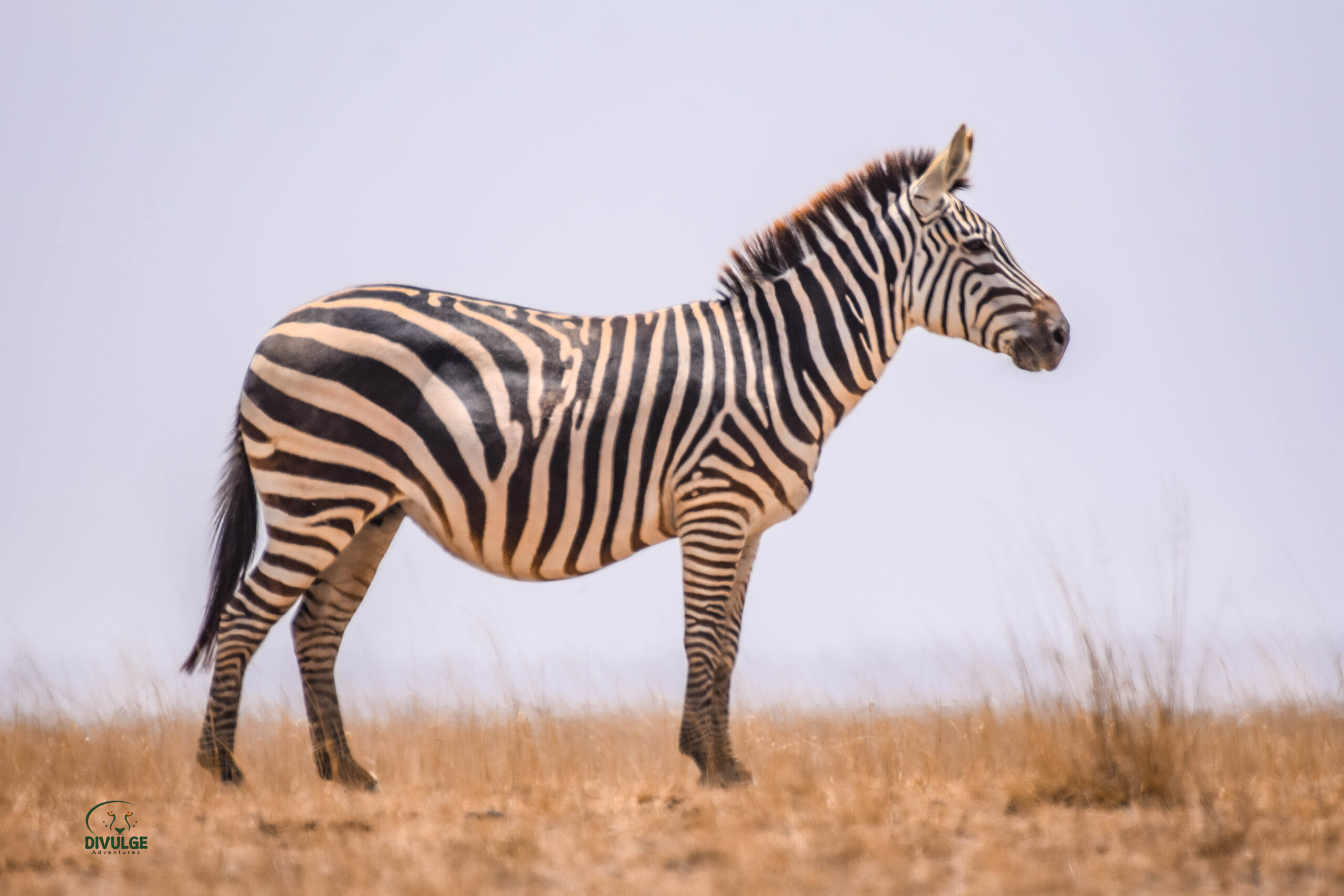
The biggest advantage of the National Reserve is unrestricted access to the most famous wildlife areas, particularly during the Great Wildebeest Migration. From July to October, millions of wildebeests and zebras move into the Mara from Tanzania’s Serengeti. The most dramatic moments occur at the Mara River crossings, where herds plunge into crocodile-filled waters while predators wait nearby.
Many of the famous crossing points are located inside the reserve itself, especially near the legendary Mara Triangle.Unlike conservancies, the reserve allows vehicles to move across larger areas freely during daytime game drives. This flexibility increases the chances of locating active river crossings and following migration movements.
The Mara Triangle Advantage
The Mara Triangle is often considered one of the best-managed sections of the entire ecosystem. Located in the northwestern corner of the reserve, it is known for:
- Exceptional migration crossings.
- Lower vehicle density compared to other reserve sections.
- Excellent predator sightings.
- Beautiful rolling landscapes.
- Strong anti-poaching management.
For wildlife photographers and migration enthusiasts, the Mara Triangle offers some of the most iconic safari scenes in Africa.
Wildlife Density Is Exceptional
The National Reserve consistently delivers incredible wildlife sightings because of its large size and rich grasslands. Visitors commonly encounter:
- Lions resting under acacia trees.
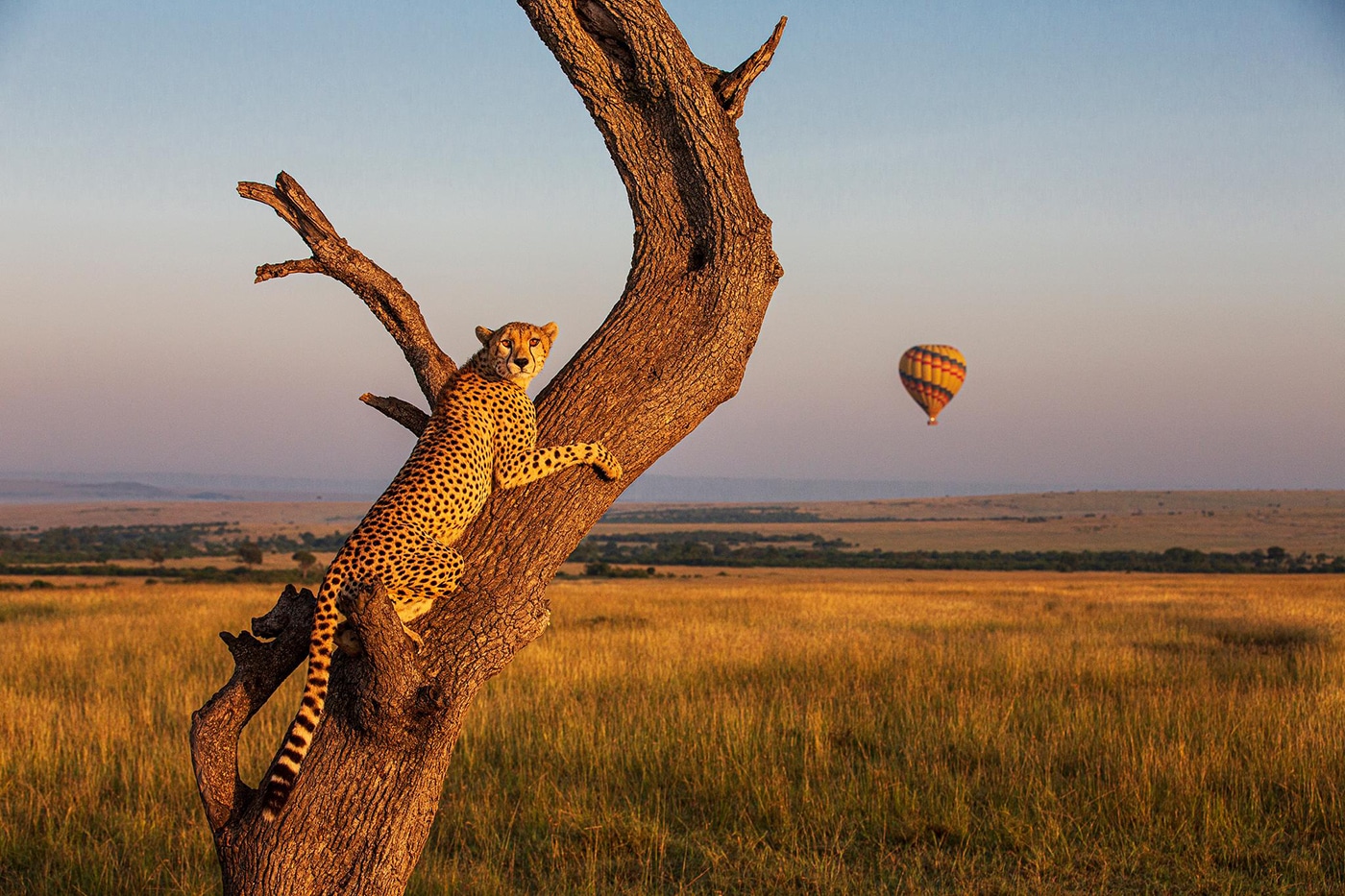
- Cheetahs scanning the plains.
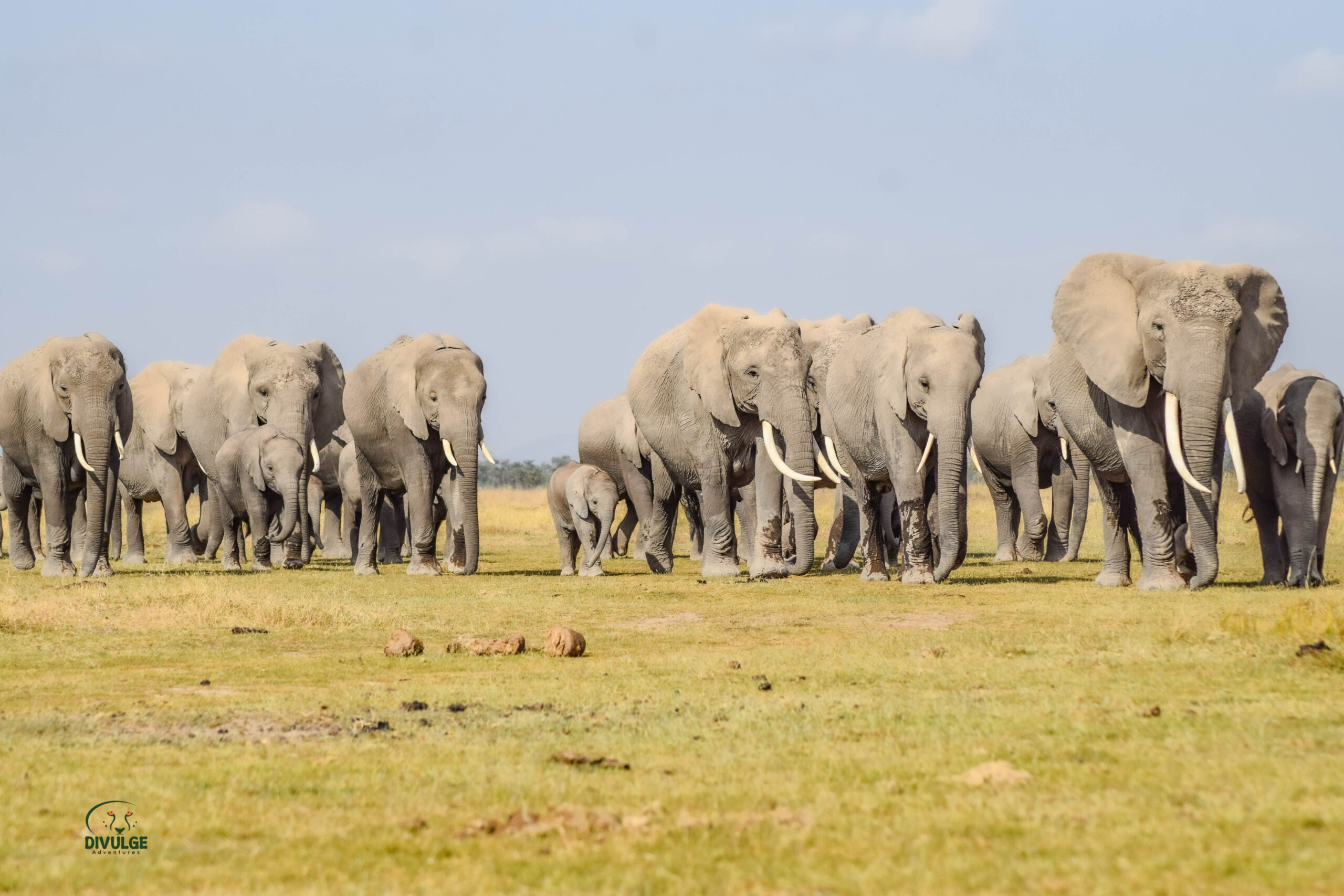
- Elephants crossing open savannahs.
- Large buffalo herds.
- Hippos and crocodiles along the rivers.
- Massive wildebeest concentrations during migration season.
The reserve also provides some of the best opportunities for seeing the Big Five in a short period of time.
The Traditional Safari Feel
There is something timeless about driving across the endless plains of the Masai Mara National Reserve. The landscapes feel vast, cinematic, and truly wild.
For travelers seeking the classic East African safari experience they have seen in documentaries and wildlife films, the reserve often fulfills that dream perfectly.
The Conservancy Advantage: Exclusive Access to Night Game Drives, Bush Walks, and Off-Road Tracking
Surrounding the Masai Mara National Reserve are several private conservancies that collectively form part of the greater Mara ecosystem.
These conservancies operate differently from the reserve. They are community-owned conservation areas managed through partnerships between safari operators and Maasai landowners.
Some of the best-known conservancies include:
- Mara North Conservancy
- Olare Motorogi Conservancy
- Naboisho Conservancy
- Ol Kinyei Conservancy
These areas provide a very different safari atmosphere compared to the National Reserve.
Fewer Vehicles, More Privacy
One of the biggest reasons travelers choose conservancies is exclusivity. Unlike the reserve, conservancies strictly limit the number of camps and vehicles allowed within their boundaries. This creates a quieter and more intimate safari experience. Instead of sharing sightings with dozens of vehicles, guests may find themselves alone with a lion pride or cheetah hunt.
This low-density tourism model greatly enhances the feeling of being immersed in nature.
Off-Road Driving
In the National Reserve, vehicles are generally required to stay on designated tracks. Conservancies, however, often allow off-road driving under controlled conditions. This becomes a major advantage when tracking predators or positioning vehicles for photography. Guides can carefully move closer to wildlife without being restricted to distant roads. For photographers, this flexibility can dramatically improve angles, lighting, and viewing quality.
Night Game Drives
Another major advantage of conservancies is access to night game drives. Night safaris are not permitted inside the Masai Mara National Reserve, but conservancies allow guided drives after sunset.This reveals an entirely different side of the Mara ecosystem.
Guests may encounter:
- Leopards hunting at night.
- Hyenas scavenging.
- Genets and civets.
- Porcupines.
- Bush babies.
- Lions becoming more active after dark.
The atmosphere of a night game drive feels thrilling and completely different from daytime safaris.
Guided Bush Walks
Bush walks are another exclusive conservancy experience.
Walking safaris allow guests to experience the Mara on foot while learning about:
- Animal tracks.
- Medicinal plants.
- Birdlife.
- Maasai culture.
- Ecosystem relationships.
These walks create a deeper connection to the landscape that vehicle safaris alone cannot provide.
Luxury and Personalized Service
Many conservancy camps focus heavily on luxury, personalized guiding, and tailored experiences.
Because guest numbers are limited, camps often provide:
- Private vehicles.
- Flexible safari schedules.
- Sundowners in remote locations.
- Fine dining in the bush.
- Personalized wildlife tracking.
For honeymooners, photographers, families, and luxury travelers, conservancies often feel more exclusive and relaxed.
Crowd Control: Comparing Vehicle Limits (Reserve vs. Conservancy Density)
One of the biggest differences between the reserve and conservancies becomes obvious during wildlife sightings.
Vehicle Density in the National Reserve
The Masai Mara National Reserve is extremely popular, especially during migration season from July to September.
At famous river crossings or predator sightings, multiple vehicles may gather quickly.
While this popularity reflects the reserve’s incredible wildlife quality, it can sometimes affect the safari atmosphere.
During peak season, busy sightings may include:
- Long vehicle lines near crossings.
- Crowded predator sightings.
- Noise from multiple guides communicating.
- Reduced space for photography positioning.
However, quieter sections like the Mara Triangle still maintain relatively lower densities compared to central areas.
Conservancy Vehicle Limits
Conservancies are specifically designed to control tourism pressure.
Strict rules limit:
- Number of camps.
- Number of beds.
- Number of vehicles at sightings.
- Off-road driving practices.
As a result, conservancy safaris generally feel calmer, quieter, and more exclusive.
Guests often enjoy longer wildlife sightings without competition from large crowds.
For travelers prioritizing peace, privacy, and immersive wildlife viewing, conservancies usually provide the superior experience.
The Hybrid Strategy: Why a “Split Stay” Itinerary Is the Expert Recommendation for 2026
Increasingly, safari experts recommend combining both experiences through a “split stay” itinerary.
Rather than choosing only one option, travelers divide their safari between the National Reserve and a private conservancy.
This strategy offers the best of both worlds.
Why the Hybrid Approach Works
A split itinerary allows travelers to experience:
From the National Reserve:
- Migration river crossings.
- Massive wildlife concentrations.
- The Mara Triangle.
- Classic open savannah landscapes.
From Conservancies:
- Night game drives.
- Bush walks.
- Off-road tracking.
- Lower crowd density.
- More exclusive safari moments.
This combination creates a richer and more balanced safari experience.
Suggested 2026 Safari Structure
A common expert recommendation is:
- 2–3 nights in a conservancy.
- 2–3 nights near the National Reserve or Mara Triangle.
This approach minimizes long daily drives while maximizing different safari experiences.
Travelers also benefit from different guiding styles and landscapes throughout their stay.
Ideal for Photographers
Photographers especially benefit from split stays because they gain access to:
- Dramatic migration action in the reserve.
- Cleaner wildlife sightings in conservancies.
- Night photography opportunities.
- Flexible off-road positioning.
The result is a far more diverse safari portfolio.
Impact on Conservation: How Conservancy Fees Directly Support Maasai Landowners
One of the most important differences between the reserve and conservancies lies in conservation impact.
Private conservancies operate through partnerships with local Maasai communities.
Landowners lease their land for conservation instead of converting it into agriculture or development. Safari tourism revenue directly supports these communities through lease payments, employment, education programs, and conservation initiatives.
Why This Matters
Conservancies help protect critical wildlife corridors outside the National Reserve.
Without these protected areas:
- Wildlife migration routes could shrink.
- Habitat fragmentation would increase.
- Human-wildlife conflict could worsen.
By staying in conservancies, travelers contribute directly to conservation and community livelihoods.
Supporting Local Communities
Conservancy tourism creates employment opportunities for local Maasai people in areas such as:
- Safari guiding.
- Camp operations.
- Cultural experiences.
- Conservation management.
This creates a sustainable tourism model where wildlife protection benefits local communities economically.
The Future of the Mara Ecosystem
Conservation experts increasingly believe the long-term survival of the greater Mara ecosystem depends heavily on conservancies.
The National Reserve alone is not enough to support the region’s wildlife populations.
Protecting surrounding community land is essential for maintaining migration routes and biodiversity into the future.
Conclusion
Choosing between the Masai Mara National Reserve and the surrounding conservancies ultimately depends on the type of safari experience you want in 2026.
If your dream is witnessing dramatic Mara River crossings, endless migration herds, and classic East African safari landscapes, the National Reserve offers unmatched access and iconic wildlife moments. If you value exclusivity, fewer crowds, personalized guiding, night game drives, and immersive experiences, conservancies provide a quieter and more intimate safari atmosphere.
For most travelers, however, the best solution is not choosing one over the other—but combining both. A hybrid safari allows you to experience the full richness of the Mara ecosystem while supporting conservation efforts that help protect one of Africa’s greatest wildlife destinations for future generations.