
Lions, Leopards, and More: Your 2026 Big Five Tracking Guide
The thrill of spotting the Big Five in Masai Mara is one of Africa’s greatest safari experiences. Vast golden plains, winding rivers, dramatic predator hunts, and endless wildlife sightings make the Masai Mara a dream destination for nature lovers and photographers alike. In 2026, the reserve continues to stand among the world’s premier wildlife destinations, offering travelers unforgettable encounters with lions, leopards, elephants, buffalo, and the elusive black rhino.
Originally coined by hunters to describe the five most difficult animals to hunt on foot, the phrase “Big Five” has evolved into a celebration of Africa’s most iconic wildlife species. Today, visitors travel from around the world to photograph and track these magnificent creatures in their natural habitat rather than hunt them.
The Masai Mara ecosystem, which borders the famous Serengeti in Tanzania, supports an extraordinary concentration of wildlife throughout the year. Whether you are visiting during the Great Migration or during the quieter green season, every game drive presents the possibility of witnessing dramatic predator-prey interactions, massive herbivore herds, and rare animal behavior.
This guide explores where and how to track the Big Five in Masai Mara in 2026, while also highlighting additional wildlife experiences that make the reserve one of the most exciting safari destinations on Earth. The Lions of the Mara: Spotting the Famous Marsh Pride and Understanding Pride Dynamics in 2026
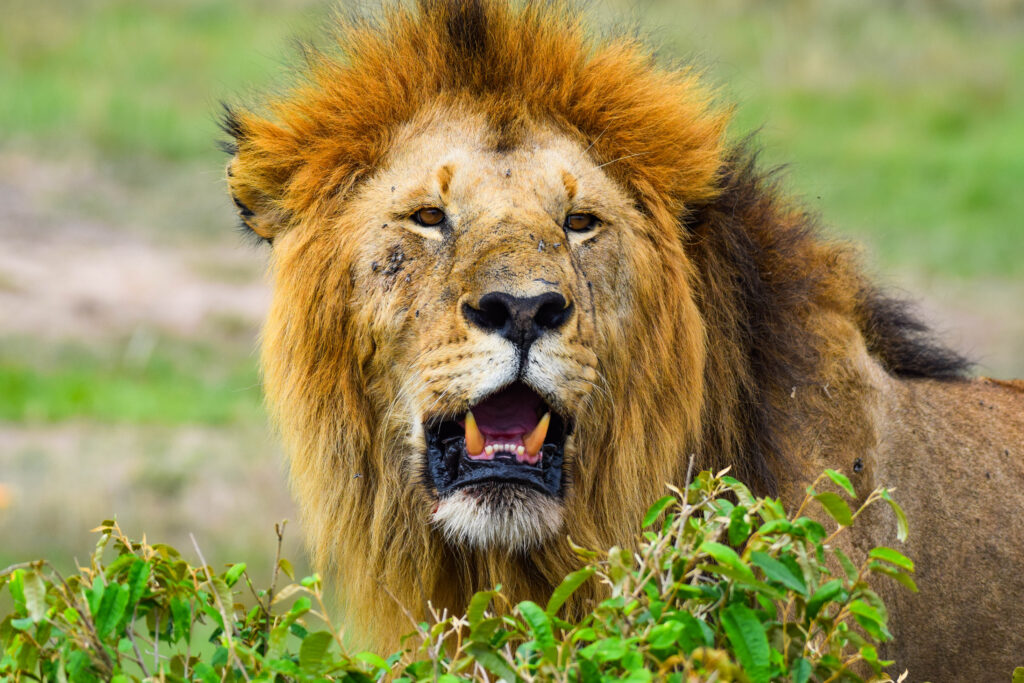
Among all the Big Five in Masai Mara, lions are often the stars of the safari. The Mara is famous for its healthy lion population and has become internationally recognized through wildlife documentaries and conservation programs. The legendary Marsh Pride remains one of the reserve’s most famous lion families. Located mainly around the Musiara Marsh area, this pride has fascinated researchers and safari enthusiasts for years. In 2026, visitors continue to track their movements across the marshlands and open savannahs, especially during early morning and late evening game drives.
Ready to go? Book your customized safari instantly on WhatsApp — we'll take it from there.
 Book
BookInstantly on
The Lions of the Mara
A typical pride consists of related lionesses, cubs, and a coalition of dominant males. Understanding pride dynamics helps visitors appreciate the fascinating social structure of these predators. Lionesses are the primary hunters and work together to ambush prey such as zebras, wildebeests, and buffalo. Male lions focus on protecting territory and defending cubs from rival coalitions.
One of the most exciting aspects of lion tracking in the Mara is observing interactions between different prides. Territorial disputes often occur near prime hunting grounds, especially close to rivers and migration routes. During the Great Migration season between July and October, lions become especially active because of the abundance of prey crossing from the Serengeti into Kenya.
The best places to spot lions include:
Musiara Marsh
Paradise Plains
Talek region
Mara Triangle
Central Mara grasslands
Morning game drives provide the highest chances of success because lions are more active before temperatures rise. During the midday heat, they usually rest under acacia trees or in shaded bushes. Photographers visiting the Mara in 2026 will also benefit from the growing number of conservation-focused safari operators that prioritize ethical wildlife viewing. Guides now use advanced tracking techniques while maintaining safe distances that minimize disturbance to the animals.
Elusive Leopards: Best Areas for Tree-Climbing Cats
Leopards are often considered the most challenging member of the Big Five in Masai Mara to locate. Unlike lions, these solitary cats are masters of camouflage and stealth. Their spotted coats blend perfectly with the shadows of trees and riverine forests, making every leopard sighting feel like a special achievement.
The Talek and Mara River areas remain among the best places to search for leopards in 2026. These regions provide dense vegetation, riverbanks, and tall trees that leopards prefer for resting and hiding prey from scavengers. One of the most iconic safari images is a leopard draped elegantly across the branch of an acacia tree. Leopards often carry kills such as impalas or gazelles high into trees to avoid hyenas and lions stealing their meals.
Tracking leopards requires patience and sharp observation skills. Experienced guides usually look for:
Fresh paw prints
Alarm calls from monkeys or antelopes
Birds circling in trees
Tail movements hanging from branches
Unlike lions, leopards are mainly nocturnal and become most active during dawn and dusk. Evening game drives around riverine forests significantly increase the likelihood of sightings. The Talek River region is especially famous for resident leopards that have become accustomed to safari vehicles over the years. This allows visitors to observe natural behaviors such as grooming, stalking prey, and climbing trees without disturbing the animals.
Photographers should bring zoom lenses because leopards are often spotted from a distance or partially hidden in vegetation. Patience is essential, but the reward of finally locating one of these elusive predators makes the experience unforgettable. Leopards also play an important role in maintaining ecosystem balance. As adaptable predators, they help control populations of smaller herbivores and contribute to the health of the savannah environment.
The Black Rhino Challenge: Why the Mara Triangle Is the Best Spot for These Rare Giants
Of all the Big Five in Masai Mara, the black rhino is undoubtedly the hardest to find. Years of poaching drastically reduced rhino populations across Africa, making every sighting a rare privilege. Fortunately, conservation efforts within the Mara Triangle have helped protect a small but important black rhino population. The Mara Triangle, located in the western section of the reserve, is widely regarded as the best area to search for these endangered giants in 2026.
Black rhinos differ from white rhinos in several ways:
They are smaller and more aggressive
They have pointed lips adapted for browsing shrubs
They are generally solitary animals
They prefer bushier habitats
Because of their shy nature, black rhinos are usually spotted at a distance grazing quietly among shrubs or moving cautiously through open grasslands.
The success of rhino conservation in the Mara Triangle is largely due to:
Intensive anti-poaching patrols
Controlled tourism
Community conservation partnerships
Advanced wildlife monitoring systems
Safari guides in the Triangle communicate regularly to track rhino movements while ensuring that sightings remain respectful and non-invasive. Visitors hoping to complete their Big Five checklist should dedicate at least one full-day game drive to the Mara Triangle. The area’s lower vehicle density compared to other sections of the reserve also creates a more exclusive safari experience. In addition to rhinos, the Triangle offers spectacular scenery, rolling hills, and excellent predator sightings. The combination of conservation success and incredible biodiversity makes it one of the most rewarding safari regions in East Africa.
Buffalo and Elephants: The Massive Herds of the Open Savannah
While lions and leopards often capture the spotlight, African buffalo and elephants deliver some of the most dramatic wildlife spectacles in the Masai Mara. The African buffalo is among the most unpredictable animals in Africa and is considered highly dangerous due to its defensive nature. Large herds roam the plains, often gathering near water sources and grazing grounds.
Buffalo herds can number in the hundreds, creating powerful scenes as they move together across the savannah. Their group behavior offers protection against predators, although lions frequently target weaker individuals during coordinated hunts.
Buffalo are commonly seen in:
Central Mara plains
Musiara sector
Mara River region
Open grasslands near water sources
Elephants, on the other hand, bring a different kind of majesty to the safari experience. Large family groups led by experienced matriarchs move slowly across the landscape, feeding on grasses, bark, and shrubs.
Elephant encounters in the Mara are especially memorable because visitors can observe:
Protective maternal behavior
Young calves learning from older herd members
Mud bathing and dusting rituals
Complex social communication
In 2026, elephant conservation continues to improve across the Mara ecosystem thanks to stronger anti-poaching measures and wildlife corridor protection initiatives.
The best locations for elephant sightings include:
Mara Triangle
Sand River area
Olare Motorogi Conservancy
Mara North Conservancy
Unlike some predators that remain hidden, elephants are relatively easy to locate because of their size and frequent movement across open terrain. However, respectful viewing distances remain essential since elephants can become defensive if they feel threatened.
Many safari travelers find that spending time observing elephant family interactions becomes one of the emotional highlights of their trip.
Beyond the Big Five: Cheetah Tracking and the Great Migration Prey
Although the Big Five in Masai Mara attract most visitors, the reserve’s wildlife experience extends far beyond these famous animals.
Cheetahs are among the Mara’s most beloved predators. Known for their incredible speed and graceful appearance, cheetahs thrive in the open plains where visibility allows them to spot prey from long distances.
Unlike leopards, cheetahs prefer open grasslands because they rely on speed rather than ambush tactics. Areas such as the southeastern plains and open savannahs near Talek offer excellent opportunities for cheetah sightings.
Watching a cheetah hunt is one of the most thrilling experiences in African wildlife tourism. Their explosive acceleration can reach speeds of over 100 kilometers per hour during short chases.
The Great Migration further enhances wildlife viewing opportunities in the Mara. Every year, millions of wildebeests, zebras, and gazelles move between the Serengeti and the Masai Mara in search of fresh grazing.
This massive movement creates:
Dramatic river crossings
Intense predator action
Endless photographic opportunities
Increased activity among lions, crocodiles, and hyenas
During migration season, predators benefit from the abundance of prey, making wildlife sightings especially frequent. Crocodiles lurk along riverbanks while lions position themselves near crossing points to ambush exhausted animals.
Bird enthusiasts also find the Mara incredibly rewarding. The ecosystem supports hundreds of bird species, including vultures, secretary birds, lilac-breasted rollers, and martial eagles.
Conservancies surrounding the main reserve now offer walking safaris, night drives, and cultural experiences that deepen visitors’ understanding of the ecosystem and local Maasai communities.
Conclusion
Tracking the Big Five in Masai Mara is more than simply checking animals off a list. It is an immersive journey into one of the world’s most remarkable ecosystems, where every game drive tells a different story of survival, adaptation, and natural beauty. From the powerful Marsh Pride lions to the elusive leopards of Talek, from the endangered black rhinos of the Mara Triangle to the enormous elephant and buffalo herds roaming the plains, each encounter creates memories that last a lifetime.
Beyond the Big Five, the Masai Mara’s cheetahs, migration herds, birdlife, and breathtaking landscapes ensure that every safari experience feels unique and unforgettable. As conservation efforts continue to strengthen in 2026, travelers visiting the Mara not only witness incredible wildlife but also contribute to the protection of Africa’s natural heritage for future generations. Whether you are a first-time safari traveler or a seasoned wildlife enthusiast, the Masai Mara remains one of the ultimate destinations for experiencing the magic of the African wilderness.