
Mara Naboisho Conservancy – A 2026 Guide to Kenya’s Predator-Rich Luxury Safari Frontier
The Mara Naboisho Conservancy is one of Kenya’s most remarkable wildlife conservation areas, sitting on the edge of the wider Maasai Mara ecosystem and offering an intimate, low-density safari experience. For travelers seeking exclusivity, space, and high predator activity, Mara Naboisho Conservancy delivers a rare balance between community-driven conservation and luxury tourism.
In this guide, we explore why the Mara Naboisho Conservancy has become a leading destination for high-end safari travelers, how its predator populations shape the ecosystem, and what makes its eco-lodges and walking safaris stand out in 2026.
Meaning of Naboisho
The name Naboisho comes from the Maasai word meaning “togetherness” or “coming together,” reflecting the conservancy’s core philosophy of shared land use between wildlife and local Maasai communities.
Located adjacent to the famous Masai Mara National Reserve, the conservancy forms part of the greater Mara ecosystem but operates under a different model—one focused on low-impact tourism and community land leasing agreements.
Ready to go? Book your customized safari instantly on WhatsApp — we'll take it from there.
 Book
BookInstantly on
When travelers search for a Naboisho Conservancy safari, they are often looking for something more private than the main reserve: fewer vehicles, more intimate wildlife encounters, and stronger conservation ethics. The Mara Naboisho Conservancy delivers exactly that balance.
Size and regional impact
The Mara Naboisho Conservancy covers roughly 50,000 acres of community-owned land bordering the eastern edge of the Maasai Mara ecosystem. Its open savannahs, scattered acacia woodlands, and seasonal water sources create ideal conditions for year-round wildlife habitation.
Unlike high-traffic tourism zones, this conservancy enforces strict vehicle limits per sighting. That means even during peak safari months, sightings feel undisturbed and natural. A Naboisho Conservancy safari typically feels quieter and more immersive because of this design—guests are not competing for space at sightings, especially during predator activity.
Apex Predator Stronghold: Lions, Leopards, and Wild Dogs
One of the strongest attractions of the Mara Naboisho Conservancy is its unusually high density of apex predators.
Lion populations here are among the most studied in East Africa, with several well-known prides frequently moving between the conservancy and surrounding dispersal areas. This creates reliable game-viewing opportunities without the congestion seen in busier parks. Leopards are also regularly spotted along riverine habitats, while cheetahs use the open plains for hunting during early morning hours.
Even more rare, African wild dogs occasionally pass through the conservancy—an indicator of a healthy, connected ecosystem. For visitors on a Naboisho Conservancy safari, predator encounters are often more predictable due to research-backed tracking and long-term monitoring programs.
Sustainable Livestock Grazing
Unlike strictly fenced reserves, the Mara Naboisho Conservancy is built on a rotational grazing agreement between Maasai pastoralists and conservation managers Livestock grazing is carefully planned to prevent overuse of grasslands while allowing wildlife and cattle to coexist. This system mimics traditional Maasai land stewardship practices, where mobility and seasonal grazing ensured ecological balance.
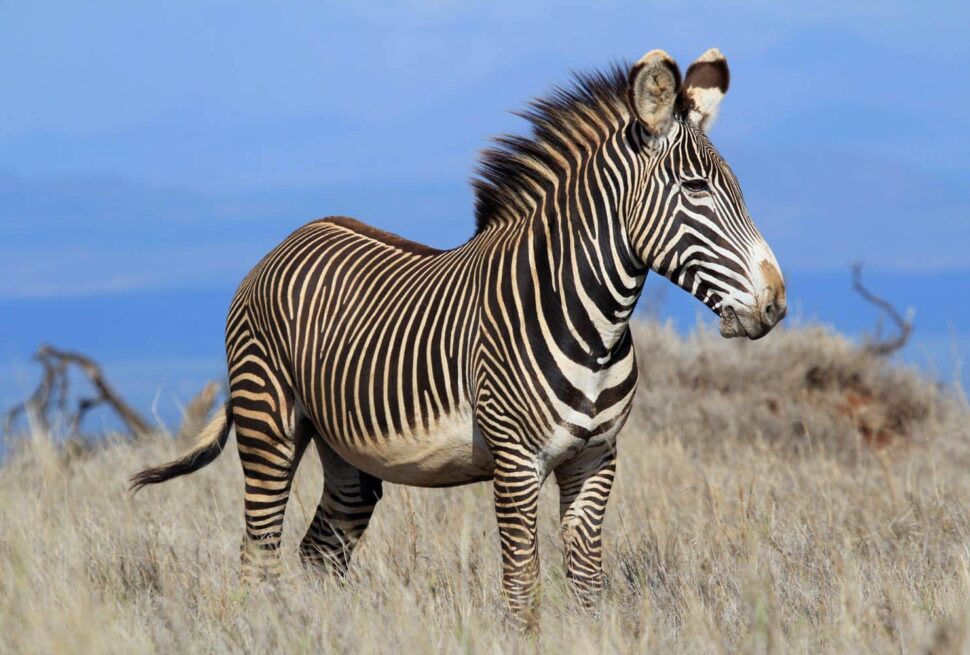
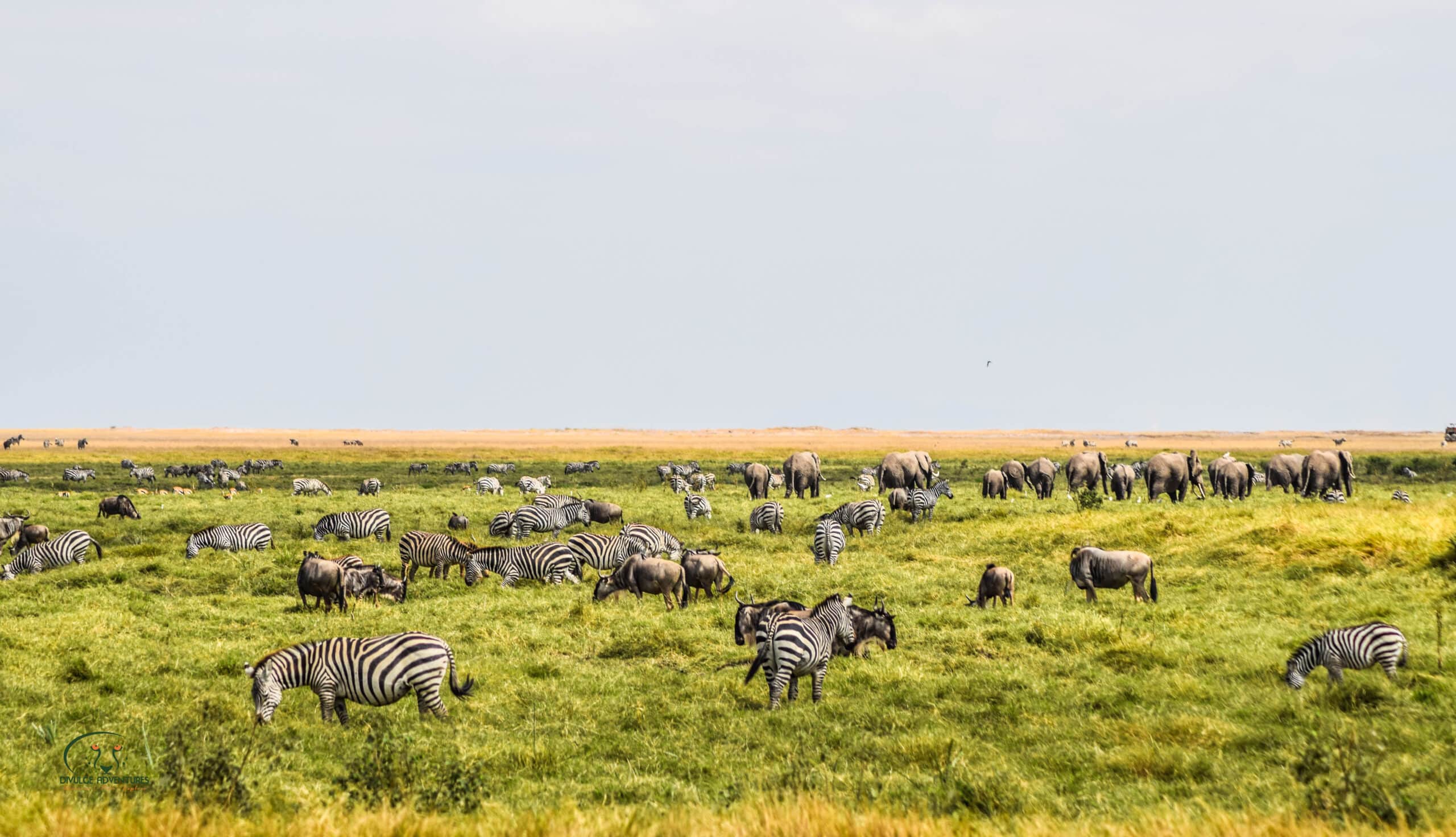
This synergy reduces habitat degradation and supports both livelihoods and biodiversity. Within a Naboisho Conservancy safari, travelers often witness cattle grazing alongside zebras or wildebeest—an authentic reflection of human-wildlife coexistence rather than separation.
Research and Monitoring
The Mara Naboisho Conservancy is also a major hub for wildlife research in the greater Mara ecosystem.
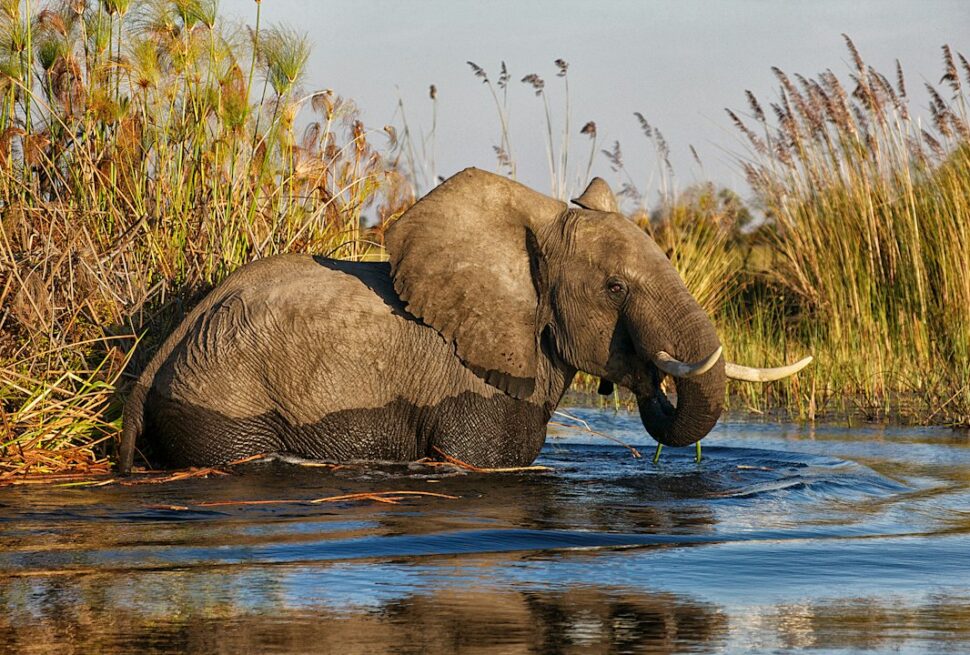
Elephant movement studies are conducted to understand migration corridors between conservancies and protected reserves. These studies help reduce human-wildlife conflict and improve long-term habitat planning.
In addition, biodiversity tracking systems monitor predator-prey dynamics, vegetation health, and seasonal migration shifts. A Naboisho Conservancy safari often benefits indirectly from this research, as guides use tracking data and ranger insights to locate wildlife more efficiently while minimizing disturbance.
Luxury Eco-Lodges
High-end glamping options
One of the defining features of the Mara Naboisho Conservancy is its collection of high-end, low-impact safari camps and lodges. These properties are designed to blend into the landscape while offering premium comfort.
Many camps focus on canvas-based luxury, open-air dining, and minimal environmental footprint. The experience is immersive rather than intrusive—you hear wildlife at night, see stars without light pollution, and wake up directly in the bush.
- A typical Naboisho Conservancy safari includes:
- Private game drives with limited vehicle density
- Walking safaris led by experienced Maasai guides
- Sundowners in open plains with panoramic views
- Exclusive-use safari vehicles for deeper exploration
This combination makes the conservancy particularly appealing to travelers seeking privacy and authenticity in equal measure.
Walking Safaris itineraries
Unlike many traditional safari destinations, the Mara Naboisho Conservancy strongly supports guided walking safaris. These excursions offer a ground-level perspective of the ecosystem that is impossible to experience from a vehicle. Walking safaris focus on tracking animal movement, understanding plant ecology, and interpreting natural signs such as footprints and scat.
On a Naboisho Conservancy safari, walking experiences are often led by Maasai guides who combine scientific tracking skills with deep cultural knowledge of the land. This creates a layered understanding of the ecosystem—not just what animals are present, but how they interact with the environment.
Conservation and Community Impact
The success of the Mara Naboisho Conservancy lies in its community ownership model. Local Maasai landowners lease their land for conservation use, receiving direct financial benefits from tourism revenue. This system reduces pressure to convert land into agriculture or settlement while maintaining wildlife corridors essential for migration.
The conservancy model ensures that tourism revenue directly supports education, healthcare, and infrastructure in surrounding communities. For travelers on a Naboisho Conservancy safari, this means every visit contributes directly to local livelihoods and long-term conservation success.
Conclusion
The Mara Naboisho Conservancy represents one of the most successful examples of modern African conservation blended with luxury tourism. Its predator-rich environment, strict tourism limits, and strong community partnerships make it a standout destination within the greater Maasai Mara ecosystem.
A Naboisho Conservancy safari is not defined by mass tourism or crowded sightings—it is defined by space, silence, and meaningful wildlife encounters.
For travelers seeking a deeper, more exclusive connection to Kenya’s wilderness, the Mara Naboisho Conservancy remains one of the most compelling safari destinations in East Africa.