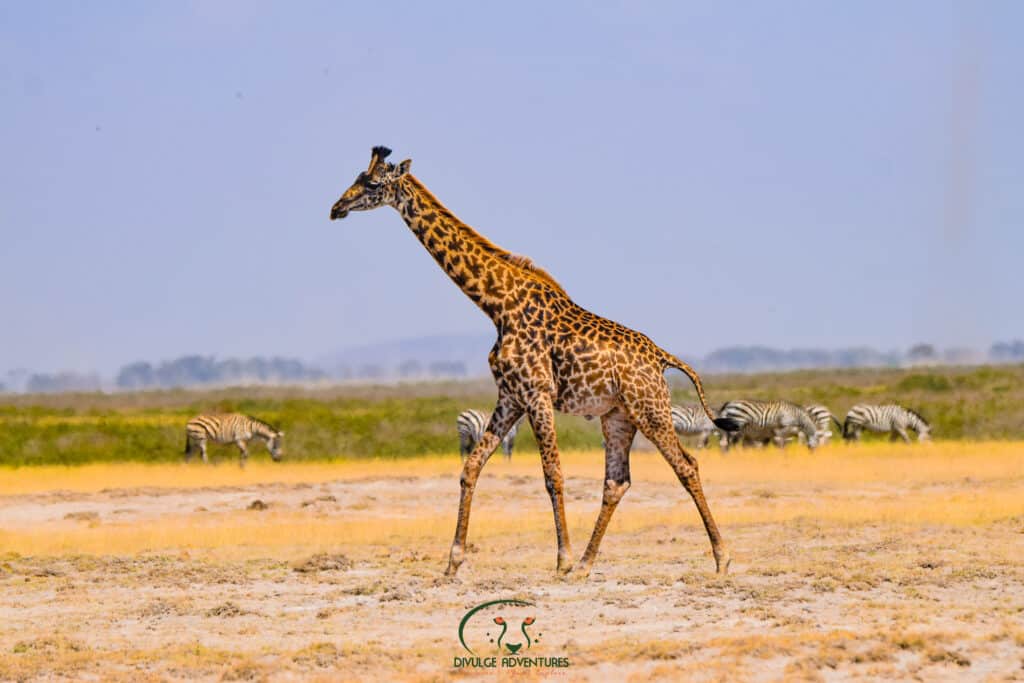
Ol Kinyei Conservancy Kenya
Tucked away in the southern reaches of the greater Maasai Mara ecosystem lies one of Kenya’s most remarkable conservation success stories ,the Ol Kinyei Conservancy. Unlike heavily visited safari destinations, Ol Kinyei is defined by silence, exclusivity, and a deeply rooted commitment to ecological restoration.
A journey into Ol Kinyei Conservancy Kenya is not just a safari; it is an immersion into a landscape that has been carefully healed, protected, and returned to its natural balance. Here, biodiversity thrives without pressure, predators roam freely across untouched plains, and visitors experience one of the most intimate safari environments in Africa.
What makes Ol Kinyei exceptional is its award-winning approach to wilderness preservation. The conservancy has become a model for sustainable tourism, demonstrating how degraded land can be transformed into a thriving ecosystem through community partnership, controlled tourism, and strict conservation ethics.
Today, Ol Kinyei Conservancy Kenya is recognized globally as one of the most pristine and carefully managed private conservancies in the Maasai Mara region.
The History and Conservation Success of Ol Kinyei
The story of Ol Kinyei begins with land that was once heavily impacted by overgrazing and unsustainable livestock use. For many years, the area struggled with degraded vegetation, soil erosion, and declining wildlife populations.
Ready to go? Book your customized safari instantly on WhatsApp — we'll take it from there.
 Book
BookInstantly on
However, a transformative conservation initiative changed its trajectory. Local Maasai landowners partnered with conservation organizations and safari operators to establish a protected conservancy model. The land was set aside exclusively for wildlife recovery and low-impact tourism .Over time, this collaborative approach allowed the ecosystem to regenerate naturally. Grasslands recovered, wildlife returned, and predator populations began to stabilize.
Today, Ol Kinyei stands as one of the most successful examples of community-driven conservation in Kenya. The conservancy has received recognition for its innovative model that balances:
- Wildlife protection
- Community income generation
- Sustainable tourism practices
- Habitat restoration
Unlike public reserves, Ol Kinyei limits visitor numbers to maintain ecological balance and ensure a truly exclusive safari experience.
A Ol Kinyei Conservancy Kenya safari is therefore not mass tourism — it is controlled wilderness immersion at its finest.
Prides of Ol Kinyei: A Predator-Rich Wilderness
One of the most exciting aspects of Ol Kinyei is its extraordinary predator population. The conservancy is particularly famous for its thriving lion prides and growing cheetah presence.
- High Lion Density
Ol Kinyei supports one of the highest lion densities within the greater Maasai Mara ecosystem. The abundance of prey species such as wildebeest, zebra, and gazelle has created ideal hunting conditions for large prides.
Lion sightings here are not rare or accidental — they are a consistent feature of the conservancy experience. Visitors often observe:
- Lions resting in golden grasslands
- Cubs playing under acacia trees
- Prides coordinating hunts during early mornings
- Dominant males patrolling territories
Because of the conservancy’s strict visitor limits, sightings are calm and uninterrupted. This allows guests to witness natural predator behavior without the chaos of crowded safari vehicles.
For many travelers, this is one of the defining highlights of Ol Kinyei Conservancy Kenya.
- Cheetah Hunting Grounds
Ol Kinyei is also an important hunting ground for cheetahs. The open plains, low vegetation, and minimal disturbance make it ideal for high-speed chases.
Cheetahs rely on visibility and space, and Ol Kinyei offers both in abundance. Visitors may witness:
- A cheetah scanning the horizon from termite mounds
- High-speed chases across open savannah
- Mothers teaching cubs hunting techniques
- Resting cheetahs recovering after successful hunts
Unlike more crowded regions, where cheetahs are often disturbed by vehicles, Ol Kinyei allows for uninterrupted predator-prey interactions. This makes it one of the most rewarding photographic safari locations in Kenya.
Controlled Safari Experience: Exclusivity at Its Core
One of the defining principles of Ol Kinyei is its strict commitment to low-impact tourism. Unlike public parks where dozens of vehicles may converge on a single sighting, Ol Kinyei enforces carefully controlled visitor access.
- Strict Land-to-Tent Ratios
The conservancy operates on a very low land-to-tent ratio, meaning only a small number of safari camps are permitted within the entire area. This ensures that wildlife habitats remain undisturbed and that guests enjoy maximum privacy.
Each camp accommodates a limited number of guests, creating an atmosphere of exclusivity that is increasingly rare in modern safari tourism.
This model ensures:
- Minimal environmental disturbance
- Reduced noise pollution
- Better wildlife behavior observation
- Highly personalized guiding experiences
A Ol Kinyei Conservancy Kenya safari is intentionally designed to feel private, quiet, and immersive.
Uncrowded Photographic Opportunities
For photographers, Ol Kinyei is a dream destination. The absence of vehicle congestion means clean compositions, natural lighting, and undisturbed animal behavior.
Guests can take their time observing wildlife without pressure or competition for positioning. This results in:
- More authentic wildlife imagery
- Better storytelling photography
- Opportunities for extended observation
- Unique behavioral captures
Whether photographing lions at sunrise or cheetahs on the hunt, the conservancy offers unmatched creative freedom.
Ecological Regeneration: From Degraded Land to Thriving Ecosystem
One of the most inspiring aspects of Ol Kinyei is its ecological transformation.
- Overgrazing Recovery History
Before its establishment as a conservancy, the land suffered from intense livestock grazing. This led to reduced vegetation cover, soil degradation, and declining biodiversity.
Once conservation efforts began, grazing pressure was significantly reduced, allowing natural regeneration processes to take over. Over time:
- Native grasses returned
- Soil structure improved
- Water retention increased
- Wildlife began repopulating the area
This recovery demonstrates how quickly ecosystems can heal when given protection and time.
- Indigenous Flora Resurgence
As grazing pressure decreased, indigenous plant species began to reappear. Acacia trees, savannah grasses, and native shrubs restored ecological balance across the conservancy.
This vegetation resurgence has directly supported wildlife recovery by:
- Providing food for herbivores
- Creating shelter for predators
- Stabilizing soil ecosystems
- Supporting bird and insect populations
Today, Ol Kinyei is a flourishing example of ecological regeneration in action. The landscape feels alive, balanced, and naturally self-sustaining.
Exclusive Safari Activities in Ol Kinyei
Beyond traditional game drives, Ol Kinyei offers intimate, low-impact safari experiences that bring guests closer to nature.
- Guided Bush Walks
One of the most immersive activities in Ol Kinyei Conservancy Kenya is guided walking safaris. Accompanied by trained Maasai guides, guests explore the bush on foot, learning about:
- Animal tracks and signs
- Medicinal plants
- Insect life and ecosystems
- Bird species and behavior
Walking safaris offer a completely different perspective of the wilderness. Instead of focusing only on large mammals, guests develop a deeper appreciation for the smaller details that sustain the ecosystem.
There is a heightened sense of awareness and connection when walking through the savannah — every sound, movement, and track becomes significant.
- Sundowners in Nature
Another unforgettable experience in Ol Kinyei is the traditional safari sundowner. As the sun sets over the open plains, guests enjoy drinks and snacks in carefully selected scenic locations.
These moments are peaceful and cinematic:
- Golden light stretching across the horizon
- Silhouettes of acacia trees
- Wildlife grazing in the distance
- A calm silence settling over the land
Sundowners in Ol Kinyei are not just activities — they are emotional highlights of the safari journey. They capture the essence of African wilderness at its most beautiful and serene.
Why Ol Kinyei Conservancy Kenya Stands Out
In a region filled with world-renowned safari destinations, Ol Kinyei distinguishes itself through its purity, exclusivity, and conservation success.
Key highlights include:
- Extremely low tourist density
- Strong predator populations
- Successful land restoration history
- Authentic Maasai community partnership
- High-quality photographic opportunities
- Eco-conscious safari experiences
Unlike mainstream parks, Ol Kinyei prioritizes quality over quantity, ensuring every guest experiences the wilderness in its most natural form.
Best Time to Visit Ol Kinyei Conservancy
A Ol Kinyei Conservancy Kenya safari is rewarding year-round, but each season offers unique experiences:
- July to October: Peak migration period with predator action and large herds
- November to February: Green season with lush landscapes and excellent photography conditions
- March to June: Quiet season with fewer visitors and dramatic skies
Because of its controlled tourism model, Ol Kinyei never feels overcrowded, regardless of season.
Conclusion
The Ol Kinyei Conservancy is one of Kenya’s most remarkable conservation achievements ,a place where degraded land has been transformed into a thriving wilderness filled with biodiversity, predators, and ecological balance.A Ol Kinyei Conservancy Kenya safari offers more than wildlife viewing. It delivers exclusivity, silence, and a deep connection to nature that is increasingly rare in modern travel.
From lion prides roaming golden grasslands to cheetahs sprinting across open plains, from regenerative landscapes to intimate bush walks and sunset sundowners, every moment in Ol Kinyei feels intentional and untouched.
For travelers seeking an authentic, low-density, and meaningful safari experience, Ol Kinyei remains one of the most rewarding destinations in the entire Maasai Mara ecosystem.