Luxury Cultural Safaris Nashulai Masai Conservancy: Indigenous Conservation in the Masai Mara
For travelers seeking authentic safari experiences rooted in sustainability and culture, luxury cultural safaris Nashulai Masai Conservancy offer one of the most meaningful journeys within the greater Masai Mara ecosystem. Nashulai Maasai Conservancy has become internationally recognized for its indigenous-led conservation model that integrates humans, livestock, and wildlife within the same landscape. Unlike traditional safari destinations that separate communities from conservation, Nashulai demonstrates how cultural heritage and environmental protection can successfully work together.
The conservancy also appeals to modern travelers looking for ethical tourism experiences that directly support local communities. Instead of mass tourism, Nashulai Masai Conservancy focuses on low-impact travel that preserves both wildlife habitats and Maasai cultural traditions
First Community-Owned Conservancy
Nashulai Masai Conservancy is widely known as the first fully community-owned conservancy in the Mara region. Established and managed directly by local Maasai families, the conservancy ensures tourism revenue and conservation benefits remain within the community.
Nashulai Masai Conservancy ownership model gives local residents a direct role in environmental decision-making, tourism management, and habitat protection. By placing indigenous communities at the center of conservation efforts, Nashulai Masai Conservancy has created a sustainable system that protects wildlife while supporting local livelihoods. The Nashulai Maasai Conservancy conservancy has also become an important example for other community-led conservation projects across East Africa.
Because local families participate directly in tourism operations, visitors often experience a stronger cultural connection compared to traditional safari lodges operated by outside investors. This community involvement has strengthened trust between conservation organizations and residents.
People and Wildlife Philosophy
The philosophy behind Nashulai Masai Conservancy is based on coexistence rather than separation. Instead of removing people and livestock from wildlife areas, the conservancy promotes a balanced ecosystem where humans, cattle, and wild animals share the same landscape responsibly.
This approach reflects the long-standing Masai understanding that healthy ecosystems depend on harmony between nature and local communities. Conservation at Nashulai focuses not only on wildlife protection but also on preserving traditional lifestyles and cultural identity.This people-centered philosophy has strengthened community support for conservation while reducing conflicts between humans and wildlife.
Many local conservation decisions are guided by elders and community leaders who understand the long-term relationship between grazing systems, wildlife migration, and environmental sustainability.
Ancient Knowledge Systems
Traditional Masai ecological knowledge remains central to conservation practices within Nashulai Maasai Conservancy. For generations, Maasai communities have relied on deep environmental understanding to manage grazing lands, seasonal movement, and natural resources.
These indigenous knowledge systems help guide modern conservation strategies throughout the conservancy in Nashulai Maasai Conservancy . Local communities understand migration routes, rainfall patterns, grass regeneration cycles, and animal behavior through centuries of lived experience.The success of Nashulai Maasai Conservancy demonstrates how traditional ecological practices can contribute to modern wildlife conservation and habitat restoration efforts.
Younger generations within the conservancy are also learning these traditional environmental practices, helping preserve valuable cultural knowledge for the future.
Maasai Traditional Pastoralism
Pastoralism remains an essential part of life within Nashulai Masai Conservancy. Maasai herders continue to use rotational grazing systems that help maintain grassland health and prevent environmental degradation.
Unlike intensive livestock farming systems, traditional Masai pastoralism allows grazing areas time to recover naturally. Controlled livestock movement also helps maintain biodiversity and supports ecological balance across the savannah ecosystem. Many Nashulai Masai Conservancy conservation experts now recognize that these traditional grazing systems can complement wildlife conservation when properly managed.For visitors interested in the history of the community-owned conservancy in Masai Mara, understanding Maasai pastoral traditions provides important insight into how humans and wildlife have coexisted in the region for centuries.
Cattle remain deeply connected to Maasai identity, social status, and cultural traditions, making livestock conservation equally important within the broader environmental management system.
Coexistence Strategies
Coexistence strategies within Nashulai Masai Conservancy focus on minimizing conflict between wildlife, livestock, and local communities.The conservancy promotes open landscapes that allow natural animal movement while encouraging responsible grazing practices among local herders. Community education programs also help residents understand predator behavior and wildlife migration patterns.
These strategies have helped reduce habitat fragmentation in Nashulai Masai Conservancy while creating a safer environment for both people and animals. The conservancy’s approach proves that conservation does not always require excluding human activity from protected landscapes.
Local rangers and community scouts also monitor wildlife activity to help prevent conflict situations between predators and livestock herds.
Habitat Restoration Success
Habitat restoration has become one of the greatest achievements of Nashulai Masai Conservancy. Community-led environmental initiatives have helped restore degraded grasslands and improve biodiversity across the conservancy.
Restoration efforts focus on rebuilding healthy ecosystems capable of supporting both wildlife populations and livestock grazing systems. Local residents actively participate in conservation projects, strengthening long-term environmental stewardship within the region. These restoration successes have increased wildlife movement and improved ecological resilience throughout the Mara ecosystem.
Fencing Removal Initiatives
One of the conservancy’s most important conservation projects involves the removal of unnecessary fencing across migration routes and grazing areas.
In many parts of East Africa, fencing disrupts wildlife movement and fragments habitats. At Nashulai Masai Conservancy, local communities worked together to reopen landscapes previously blocked by barriers. Removing fences has helped restore natural animal movement patterns while reducing environmental pressure on isolated habitats. These initiatives also reflect the conservancy’s commitment to maintaining open ecosystems that benefit both wildlife and traditional pastoral communities.
Re-Established Migratory Corridors
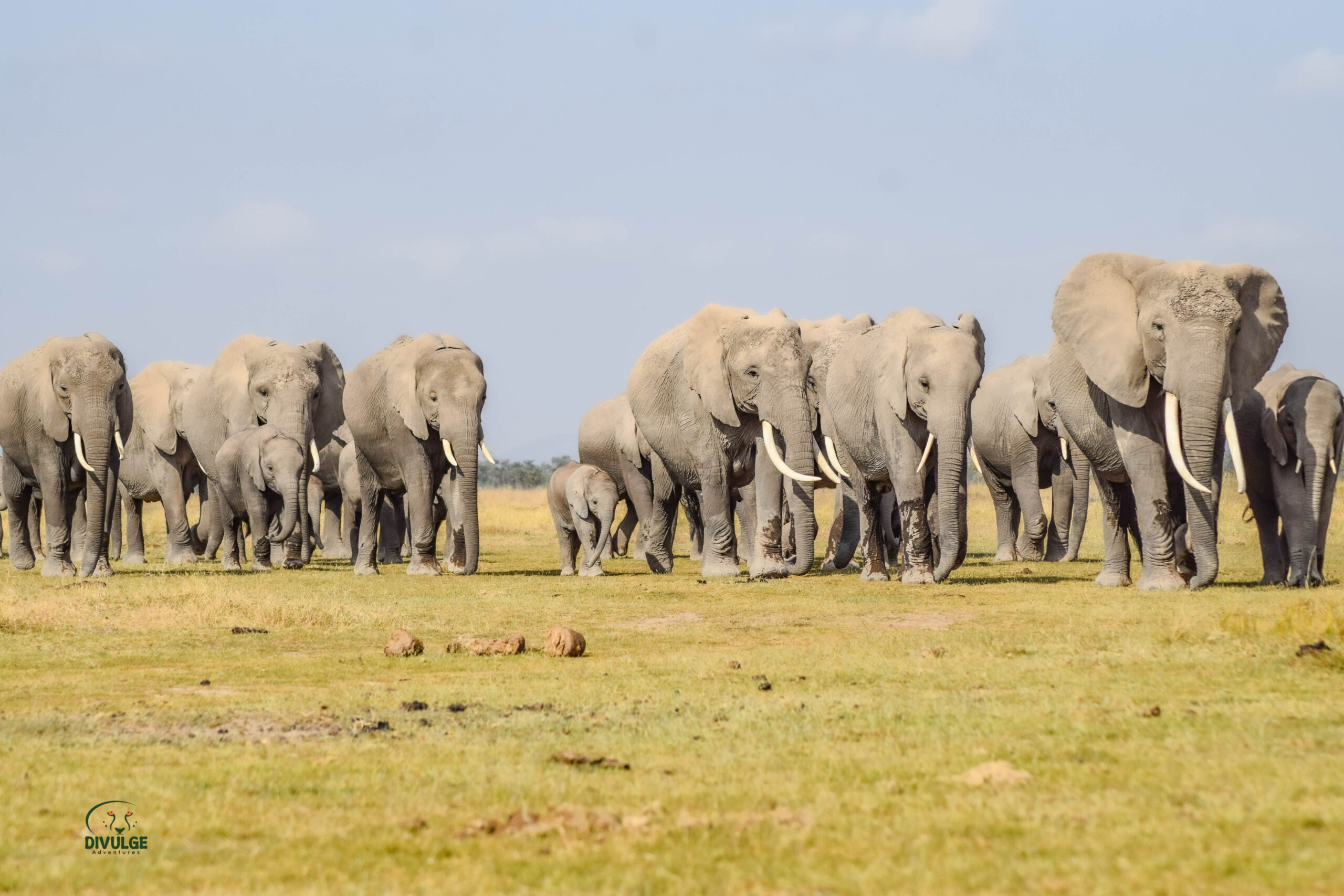
Through habitat restoration and fencing removal efforts, Nashulai Masai Conservancy has successfully re-established critical migratory corridors used by wildebeest, zebras, elephants, and predators.
These corridors allow wildlife to move more freely across the Mara ecosystem during seasonal migrations and drought periods. Protecting migration routes is essential for maintaining healthy wildlife populations and ecological balance. The conservancy’s success in restoring open movement corridors has become an important conservation achievement within the greater Masai Mara region.
Cultural Immersion Tourism
Cultural tourism experiences at Nashulai Masai Conservancy focus on authentic interaction rather than staged performances. Visitors are encouraged to learn directly from Maasai community members about traditional lifestyles, conservation practices, and local history.
These experiences provide travelers with deeper insight into how indigenous communities contribute to wildlife conservation and environmental stewardship. For many visitors, luxury cultural safaris Nashulai Conservancy offer a more meaningful alternative to conventional safari tourism.
Village Walking Tours
Village walking tours allow visitors to experience daily life within Masai communities surrounding Nashulai Maasai Conservancy.
Guests can learn about traditional home construction, livestock management, local customs, and family structures while exploring the conservancy with local guides. These tours create opportunities for cultural exchange while supporting community-based tourism initiatives that directly benefit local families.
Storytelling and Tracking Experiences
Storytelling remains an important part of Masai cultural heritage. At Nashulai Maasai Conservancy, visitors often participate in storytelling sessions led by local elders and guides.
These experiences share oral histories, conservation lessons, wildlife encounters, and traditional knowledge passed through generations. Tracking experiences also allow guests to learn how Maasai guides identify animal footprints, interpret environmental signs, and understand wildlife behavior across the savannah landscape.
Economic Empowerment
Community conservation at Nashulai Masai Conservancy has created important economic opportunities for local residents. Tourism revenue supports conservation programs, education initiatives, local employment, and infrastructure development throughout the community. By linking environmental protection with economic benefits, the conservancy encourages long-term support for sustainable conservation practices.
Direct Family Income
Families participating in conservation agreements within Nashulai Masai Conservancy receive direct financial benefits connected to tourism and habitat protection. This income helps reduce pressure on land conversion while improving household stability and supporting local development.The conservancy’s economic structure ensures that conservation success directly benefits the communities responsible for protecting the ecosystem.
Women’s Cooperative Programs
Women’s cooperative programs have become an important part of the conservancy’s community development efforts. Local women participate in beadwork production, handicrafts, hospitality services, and tourism-related businesses connected to Nashulai Masai Conservancy. These initiatives create economic independence while preserving traditional Maasai craftsmanship and cultural identity. Visitors often purchase handmade products directly from women’s groups, ensuring tourism income reaches local households and supports community empowerment across the conservancy.