Amboseli National Park: Kenya’s Iconic Land of Giants
Nestled in the southern part of Kenya along the border with Tanzania, Amboseli National Park is one of Africa’s most celebrated wildlife destinations. Famous for its large herds of free-roaming elephants and breathtaking views of Mount Kilimanjaro, the park offers visitors an unforgettable safari experience that perfectly captures the beauty and diversity of East Africa.
Covering approximately 392 square kilometers, Amboseli may be smaller than some of Kenya’s other national parks, but what it lacks in size, it more than makes up for in wildlife density, scenic landscapes, and cultural richness. The park’s unique ecosystem, which combines open plains, acacia woodlands, wetlands, and seasonal lakes, supports a remarkable variety of wildlife and bird species.For decades, Amboseli has attracted photographers, nature lovers, researchers, and adventure seekers from around the world. Whether you’re watching a majestic elephant stroll across the plains with Kilimanjaro towering in the background or witnessing a dramatic African sunset, every moment in Amboseli feels like a scene from a wildlife documentary.
Location and Accessibility
Amboseli National Park is located in Kajiado County, approximately 240 kilometers southeast of Nairobi. The park lies at the foot of Mount Kilimanjaro, Africa’s highest mountain, whose snow-capped peak provides one of the most iconic backdrops in the world of safari tourismThe park is easily accessible by both road and air. Visitors traveling by road can reach Amboseli from Nairobi in approximately four to five hours, depending on traffic and road conditions. The journey offers beautiful views of Kenya’s countryside and traditional Maasai homesteads.
For travelers seeking a quicker option, several domestic airlines operate scheduled flights from Nairobi’s Wilson Airport to airstrips within and around Amboseli. Flights typically take less than an hour, making the park a convenient destination for both short and extended safaris.Its proximity to Nairobi makes Amboseli an ideal destination for weekend getaways, family vacations, honeymoon safaris, and wildlife photography expeditions.
History and Conservation
The history of Amboseli National Park dates back to the early twentieth century when the area was recognized for its exceptional wildlife populations and ecological importance. Initially designated as a Southern Reserve for the Maasai people in 1906, the region later became a game reserve before being officially gazetted as a national park in 1974.
The name “Amboseli” originates from a Maasai word meaning “salty dust,” reflecting the area’s dry and dusty landscape during certain seasons. Despite its arid appearance, the park’s ecosystem is sustained by underground water flowing from Mount Kilimanjaro’s melting snow and glaciers. This underground water emerges through springs that create lush swamps and wetlands, supporting wildlife throughout the year.
Amboseli is internationally renowned for elephant conservation. The park hosts one of Africa’s most studied elephant populations, with research efforts spanning several decades. Conservationists have gained valuable insights into elephant behavior, family structures, migration patterns, and social interactions through long-term studies conducted in the area. These conservation initiatives have contributed significantly to global elephant protection efforts and continue to play a vital role in preserving the species for future generations.
Spectacular Landscapes
One of the defining features of Amboseli National Park is its incredible scenery. The park’s landscape is diverse, creating a visually stunning environment that changes throughout the day and across different seasons.
Mount Kilimanjaro Views
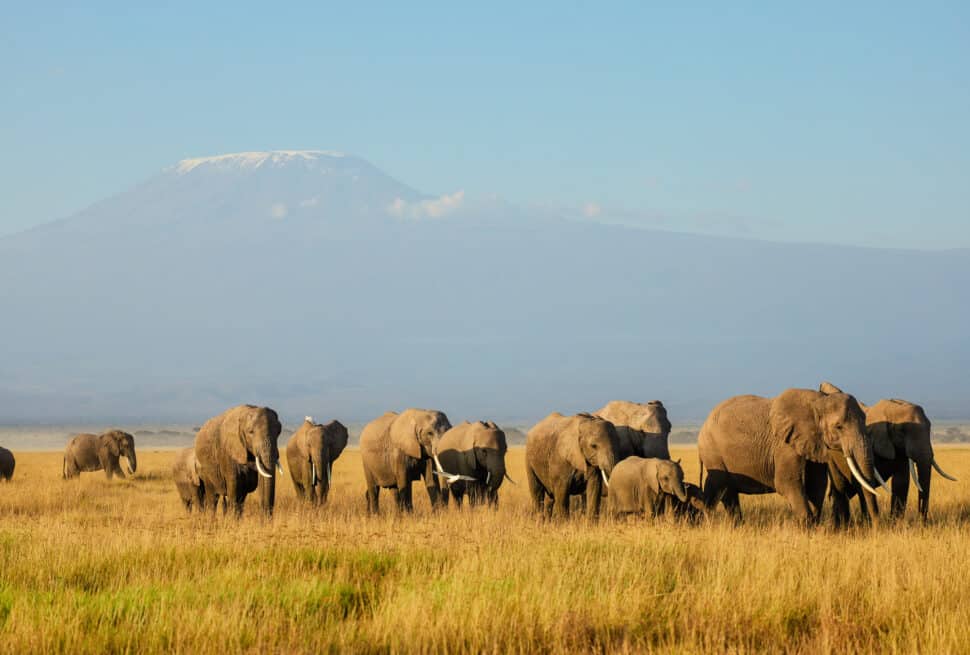
Perhaps the most famous attraction is the spectacular view of Mount Kilimanjaro. Standing at 5,895 meters above sea level, Kilimanjaro dominates the horizon and provides a dramatic backdrop for wildlife photography. Early mornings and late afternoons often offer the clearest views before clouds gather around the mountain. The image of elephants walking across the plains with Kilimanjaro rising behind them has become one of the most iconic representations of African safari tourism.
Open Savannah Plains
Much of Amboseli consists of expansive grasslands and open plains that allow visitors to spot wildlife from great distances. These vast landscapes create ideal conditions for game viewing and photography.
Wetlands and Swamps
The park’s swamps are among its most important ecological features. Fed by underground water sources, these wetlands remain green throughout much of the year and attract a variety of wildlife, especially during dry periods when water becomes scarce elsewhere. Animals frequently gather around the swamps to drink, feed, and cool off, making these areas excellent locations for wildlife viewing.
Observation Hill
Observation Hill is one of the few places in the park where visitors can leave their vehicles. From the summit, guests can enjoy panoramic views of the park’s plains, swamps, wildlife, and distant mountain scenery.It is an ideal location for appreciating the scale and beauty of Amboseli’s ecosystem.
Wildlife in Amboseli National Park
Amboseli is best known as the “Land of Giants” due to its large population of African elephants. However, the park is home to a wide variety of wildlife species that contribute to its reputation as one of Kenya’s premier safari destinations.
- Elephants
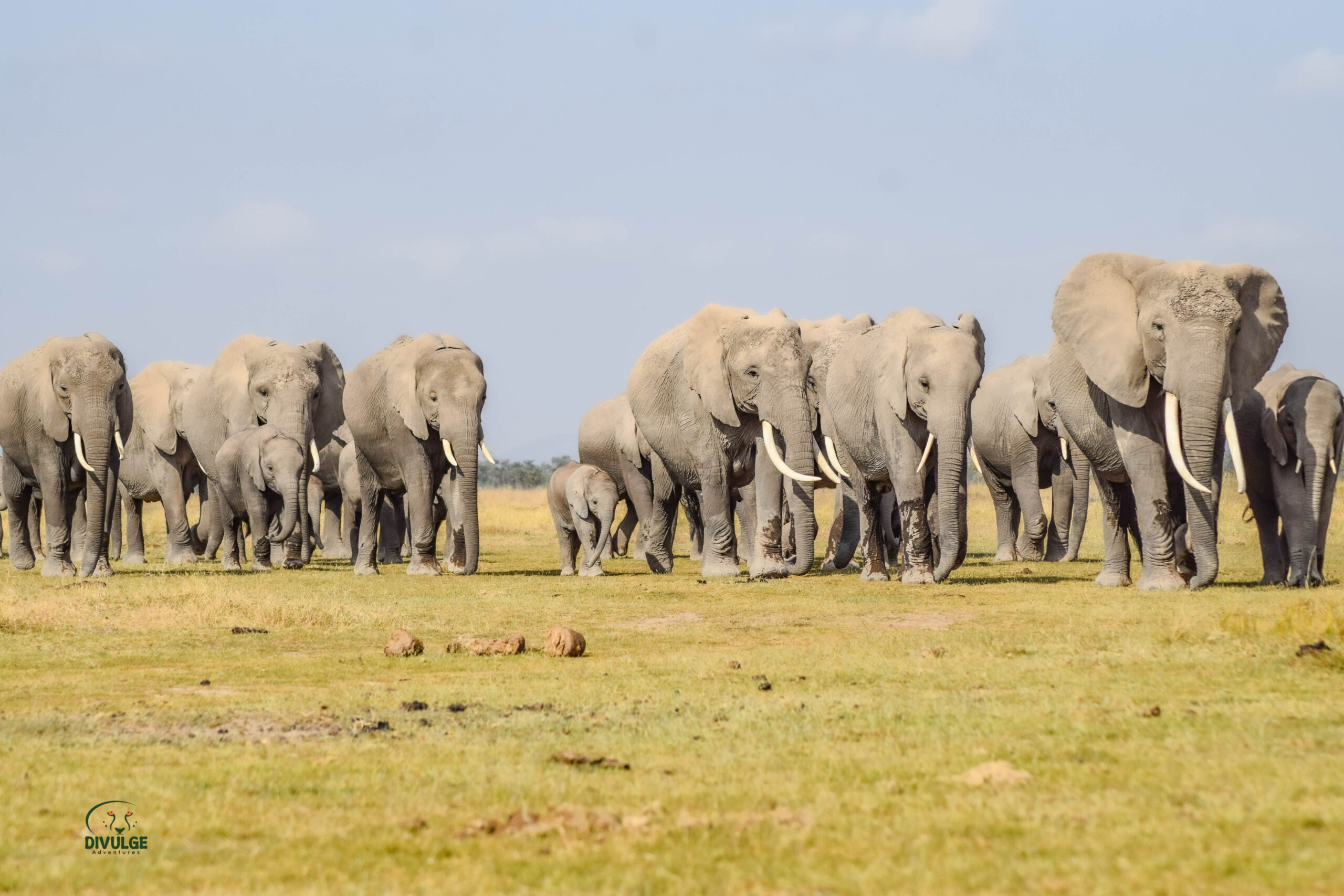
The elephants of Amboseli are arguably the park’s biggest attraction. Some of Africa’s largest tuskers can be found here, with impressive ivory tusks that nearly touch the ground.
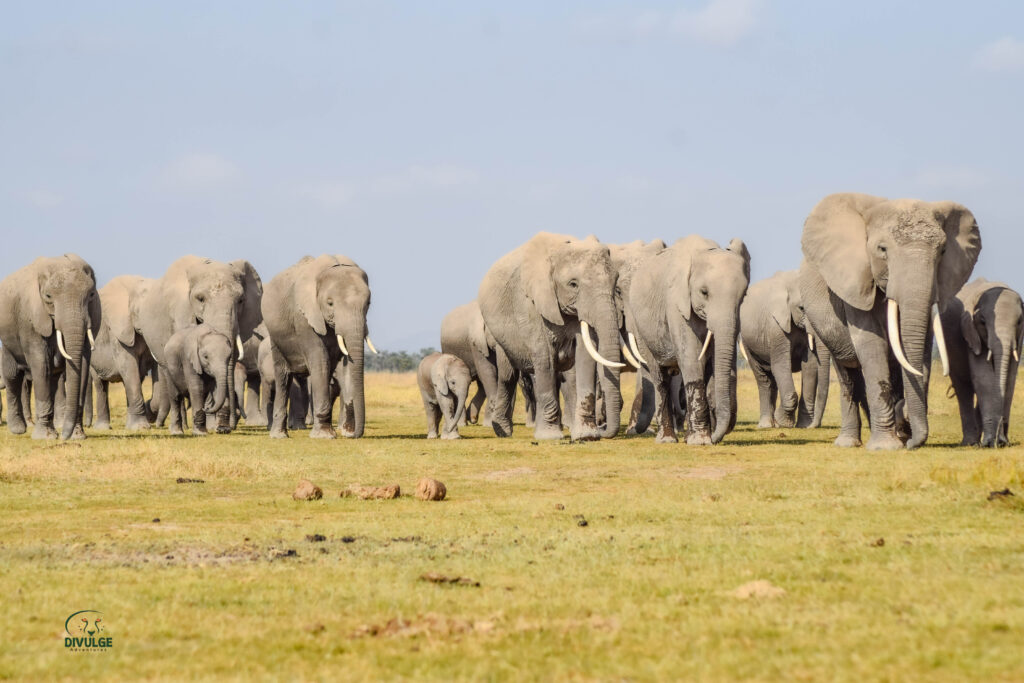
Visitors often have opportunities to observe entire elephant families interacting naturally. Watching calves play under the protection of their mothers and grandmothers offers a fascinating glimpse into the complex social structures of these intelligent animals.
- Lions
Amboseli supports a healthy lion population. These powerful predators are frequently spotted resting under acacia trees, stalking prey across the plains, or interacting with members of their pride. Game drives often provide exciting opportunities to witness lion behavior in its natural environment.
- Leopards and Cheetahs
Although more elusive than lions, leopards can occasionally be spotted in wooded areas and riverine habitats. Cheetahs are also present and are often seen scanning the plains for potential prey.Their sightings are highly prized by safari enthusiasts and photographers.
- Buffaloes
Large herds of African buffalo roam the park and are commonly found grazing near swamps and grasslands. Their impressive size and unpredictable nature make them one of Africa’s most respected animals.
- Giraffes
The graceful giraffes of Amboseli are among the park’s most photographed residents. Their elegant movements and distinctive patterns add to the diversity of wildlife experiences available within the park.
- Zebras and Wildebeests
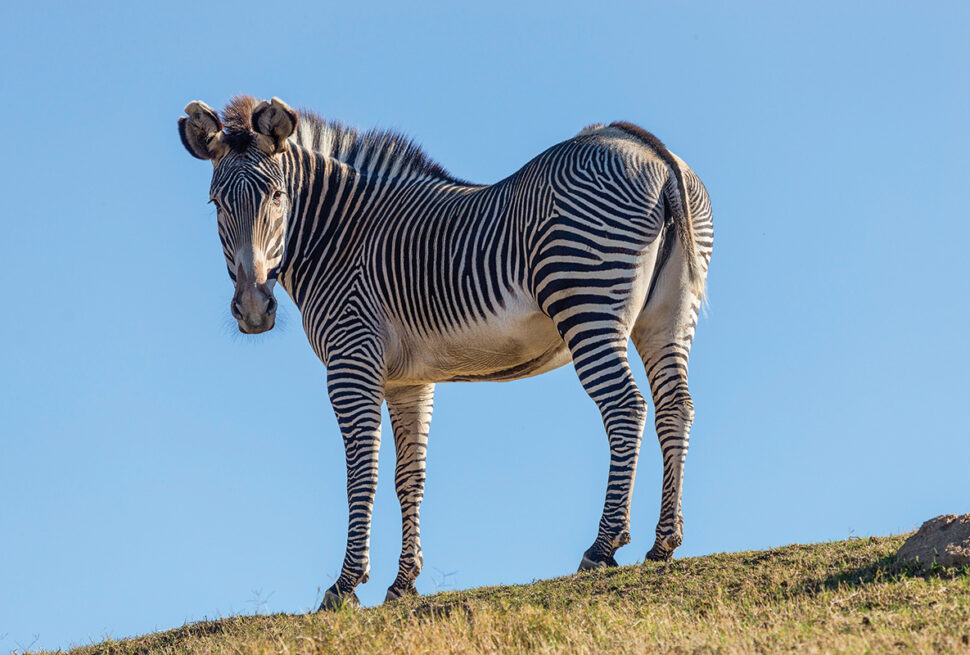
Zebras and wildebeests are abundant throughout Amboseli and form an important part of the ecosystem. They serve as prey for predators while contributing to the maintenance of grassland habitats through grazing.
Other Wildlife Species
Additional mammals found in Amboseli include:
- Spotted hyenas
- Black-backed jackals
- Warthogs
- Impalas
- Grant’s gazelles
- Thomson’s gazelles
- Waterbucks
- Elands
- Dik-diks
- Baboons
- Vervet monkeys
This diversity ensures that every game drive offers unique wildlife encounters.
Birdlife Paradise
Amboseli National Park is also a paradise for birdwatchers. The park boasts over 400 recorded bird species, making it one of Kenya’s top birding destinations. Birdlife flourishes around the wetlands, lakes, and marshes where food and water are abundant.
Notable bird species include:
- African fish eagle
- Grey crowned crane
- Secretary bird
- Kori bustard
- Saddle-billed stork
- Yellow-billed stork
- African spoonbill
- Pelicans
- Flamingos
- Kingfishers
- Herons
- Egrets
- Ostriches
During certain seasons, migratory birds further increase the park’s avian diversity, attracting bird enthusiasts from around the globe.
The Maasai Community and Cultural Experiences
The area surrounding Amboseli is home to the Maasai people, one of Africa’s most recognizable and culturally rich communities. For generations, the Maasai have coexisted with wildlife while maintaining their traditional way of life. Their vibrant clothing, distinctive customs, traditional dances, and deep knowledge of the environment provide visitors with valuable cultural insights.
Many safari itineraries include visits to Maasai villages, where guests can learn about:
- Traditional Maasai customs
- Livestock management
- Traditional housing structures
- Local crafts and beadwork
- Cultural ceremonies and dances
These interactions promote cultural exchange while supporting local communities through tourism revenue.
Activities in Amboseli National Park
- Game Drives
Game drives are the primary activity in Amboseli and provide excellent opportunities to observe wildlife throughout the park. Morning drives are particularly rewarding because animals are more active during the cooler hours of the day. Evening drives offer beautiful lighting conditions and chances to witness predators becoming active.
- Photography Safaris
Amboseli is widely regarded as one of Africa’s premier photography destinations. The combination of abundant wildlife, open landscapes, dramatic skies, and Mount Kilimanjaro creates endless photographic opportunities.Professional photographers often visit specifically to capture iconic elephant-and-Kilimanjaro images.
- Bird Watching
Bird enthusiasts can spend hours exploring the wetlands and swamps in search of rare and colorful species.Guided birding tours help visitors identify species and understand the ecological importance of the park’s habitats.
- Cultural Tours
Visits to nearby Maasai communities provide meaningful cultural experiences that complement wildlife viewing.These tours offer a deeper understanding of the relationship between local communities and conservation efforts.
- Nature Walks
In designated areas outside the core national park, guided nature walks allow visitors to explore the environment on foot while learning about local plants, animals, and traditional uses of natural resources.
Best Time to Visit
Amboseli National Park can be visited year-round, but certain seasons offer distinct advantages.
- Dry Season (June to October)
The dry season is generally considered the best time for wildlife viewing. Animals gather around permanent water sources, making them easier to locate.Road conditions are also more favorable during this period.
- Green Season (November to May)
The rainy season transforms the landscape into a lush green paradise. Birdlife is particularly abundant, and the scenery becomes exceptionally beautiful.Photographers often appreciate the vibrant colors and dramatic cloud formations associated with this season.Although wildlife may be more dispersed, the park remains rewarding throughout the year.
Accommodation Options
Amboseli offers a wide range of accommodation choices suitable for different budgets and travel styles.
- Luxury travelers can enjoy exclusive safari lodges featuring spacious suites, fine dining, spa facilities, and spectacular views of Mount Kilimanjaro.
- Mid-range camps provide comfortable accommodations with excellent service and authentic safari atmospheres.
- Budget-friendly camps and lodges allow travelers to experience the beauty of Amboseli without compromising on wildlife encounters.
Many properties are strategically positioned to maximize wildlife viewing opportunities and scenic mountain views.
Conclusion
Amboseli National Park stands as one of Kenya’s most treasured safari destinations. Its combination of magnificent elephants, rich biodiversity, stunning landscapes, and vibrant Maasai culture creates an experience that few places on Earth can match.
Whether you are a first-time safari traveler, an experienced wildlife enthusiast, a photographer chasing the perfect shot, or a cultural explorer seeking authentic experiences, Amboseli offers something truly special. The sight of elephants wandering across golden plains beneath the towering presence of Mount Kilimanjaro is a memory that remains with visitors long after they leave. As conservation efforts continue to protect its wildlife and ecosystems, Amboseli remains a shining example of Kenya’s natural heritage and an essential destination for anyone seeking the magic of the African wilderness.