Samburu National Reserve: Kenya’s Untamed Wilderness of the North
Located in the heart of Kenya’s rugged northern frontier, Samburu National Game Reserve is one of the country’s most captivating safari destinations. Renowned for its dramatic landscapes, unique wildlife species, rich cultural heritage, and authentic safari experiences, Samburu offers visitors an opportunity to explore a side of Kenya that is vastly different from the well-known savannahs of the south.
Unlike the lush grasslands of the Maasai Mara, Samburu is characterized by arid plains, rocky outcrops, acacia woodlands, and the life-giving Ewaso Nyiro River that winds through the reserve. This distinct ecosystem supports a remarkable variety of wildlife, including several rare species found only in northern Kenya. For travelers seeking adventure, exclusivity, and a deeper connection with nature, Samburu National Game Reserve delivers an unforgettable safari experience. Whether watching elephants gather along the riverbanks, spotting a rare Grevy’s zebra, or learning about the traditions of the Samburu people, every moment spent here reveals the magic of Kenya’s wild north.
Location and Accessibility
Samburu National Game Reserve is situated in Samburu County, approximately 350 kilometers north of Nairobi. The reserve lies along the banks of the Ewaso Nyiro River, which serves as the primary source of water for wildlife in this semi-arid region. The reserve forms part of a larger ecosystem that includes the neighboring Buffalo Springs National Reserve and Shaba National Reserve. Together, these protected areas create one of Kenya’s most important wildlife conservation landscapes.
Visitors can access Samburu by road from Nairobi, with the journey taking approximately five to six hours. The drive passes through scenic highlands, agricultural regions, and gradually transitions into the dry northern landscapes that define the reserve. For those seeking convenience, scheduled and charter flights operate from Nairobi’s Wilson Airport to several airstrips within the Samburu ecosystem, reducing travel time to approximately one hour.
History and Conservation
Samburu National Game Reserve was established in 1962 and has since become one of Kenya’s most important conservation areas. The reserve was created to protect the region’s wildlife and preserve the ecological significance of the Ewaso Nyiro River. Over the years, Samburu has gained international recognition for its conservation efforts, particularly in protecting endangered and rare species unique to northern Kenya. Various wildlife research projects have been conducted within the reserve, focusing on elephants, big cats, and endangered mammals.
The reserve is managed in collaboration with local communities, conservation organizations, and government agencies. This partnership has helped promote sustainable tourism while ensuring that wildlife conservation benefits local residents. Today, Samburu remains a vital refuge for numerous species that face increasing pressure from habitat loss, climate change, and human-wildlife conflict.
Spectacular Landscapes
One of Samburu’s most remarkable features is its breathtaking scenery. The reserve’s dramatic terrain creates a sense of wilderness that is both raw and beautiful.
- The Ewaso Nyiro River
The Ewaso Nyiro River is the lifeline of Samburu National Game Reserve. Flowing through the dry landscape, it attracts wildlife throughout the year and supports lush vegetation along its banks.Visitors often witness elephants, buffaloes, antelopes, and predators gathering near the river to drink and cool off. Crocodiles and hippos also inhabit sections of the river, adding to its ecological richness.
- Acacia Woodlands
The reserve is dotted with acacia trees that provide shade and shelter for many animal species. These iconic trees contribute to the classic African safari scenery that photographers love.
- Rocky Hills and Outcrops
Rocky hills and rugged outcrops rise dramatically from the surrounding plains, creating stunning viewpoints and adding character to the landscape.
- Open Plains
The vast open plains of Samburu National Game Reserve allow excellent visibility for wildlife viewing. These expansive areas support grazing animals and provide ideal hunting grounds for predators.
The Unique Samburu Special Five
Samburu National Game Reserve is famous for hosting a collection of rare wildlife species often referred to as the “Samburu Special Five.” These animals are rarely found in southern Kenya and are among the reserve’s biggest attractions.
- Grevy’s Zebra
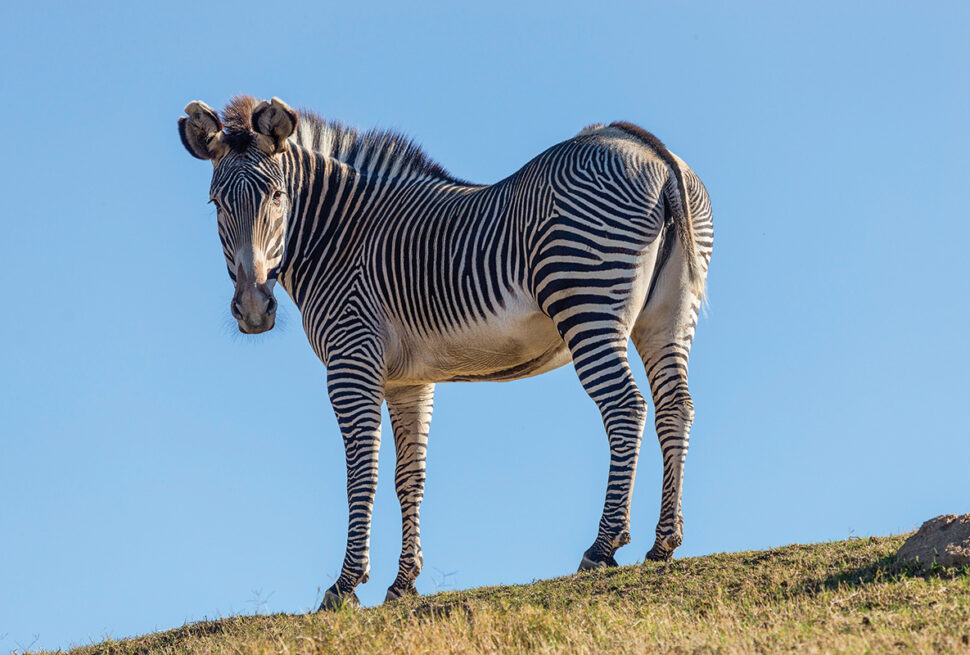
Grevy’s Zebra is the largest and rarest zebra species in the world. Distinguished by its narrow stripes and large ears, it is considered endangered and is one of northern Kenya’s conservation priorities.
- Reticulated Giraffe
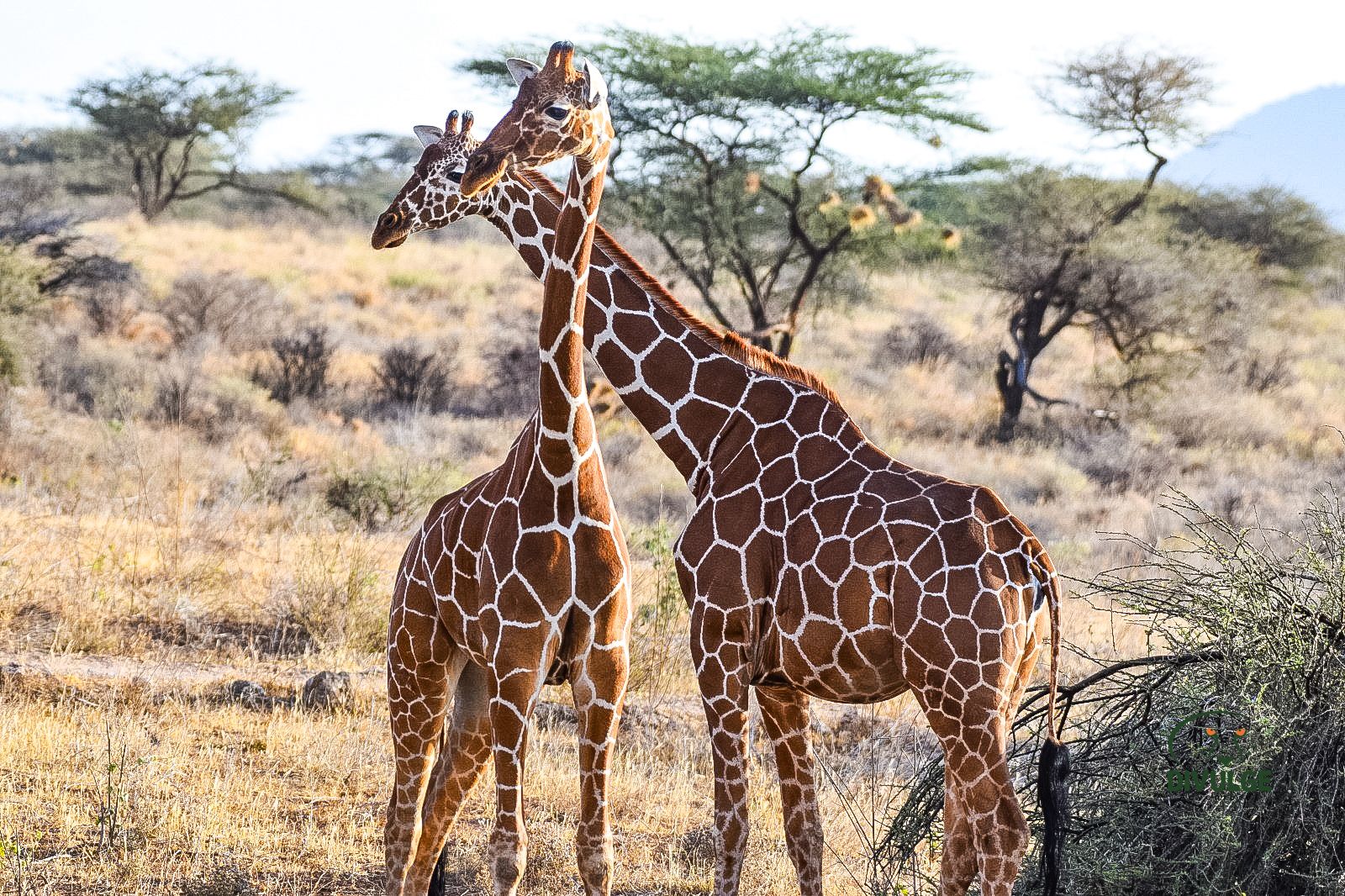
Reticulated Giraffe is recognized by its striking geometric coat pattern. Samburu is one of the best places in Africa to observe these elegant animals.
- Somali Ostrich
Somali Ostrich differs from the common ostrich by its distinctive blue-grey neck and legs. It is native to the Horn of Africa and northern Kenya.
- Beisa Oryx
Beisa Oryx is a desert-adapted antelope known for its long, straight horns and remarkable ability to survive in harsh environments.
- Gerenuk
Gerenuk is perhaps the most unusual member of the Special Five. Often called the “giraffe gazelle,” it can stand upright on its hind legs to browse leaves from shrubs and trees.
Spotting all five species is a highlight for many visitors and sets Samburu apart from other safari destinations
Wildlife in Samburu National Game Reserve
Beyond the Special Five, Samburu supports an impressive diversity of wildlife.
- Elephants
The reserve is home to large populations of African elephants. Samburu has been the site of extensive elephant research and conservation programs that have contributed significantly to our understanding of elephant behavior.Elephants are frequently seen along the Ewaso Nyiro River, often gathering in large family groups.
- Lions
Lions are among Samburu’s most iconic predators. Visitors often encounter prides resting beneath trees or stalking prey across the open plains.
- Leopards
The riverine forests provide ideal habitat for leopards, making Samburu one of Kenya’s best places to spot these elusive big cats.
- Cheetahs
Cheetahs thrive in the reserve’s open landscapes, where they use their incredible speed to hunt gazelles and other prey.
- African Wild Dogs
Occasionally, lucky visitors may encounter African wild dogs, one of Africa’s most endangered predators.
Other Mammals
Additional wildlife species found in Samburu National Game Reserve include:
- Buffaloes
- Hippos
- Nile crocodiles
- Warthogs
- Impalas
- Grant’s gazelles
- Dik-diks
- Waterbucks
- Olive baboons
- Vervet monkeys
- Hyenas
- Jackals
The diversity of species ensures exciting wildlife encounters throughout the year.
Birdlife in Samburu National Game Reserve
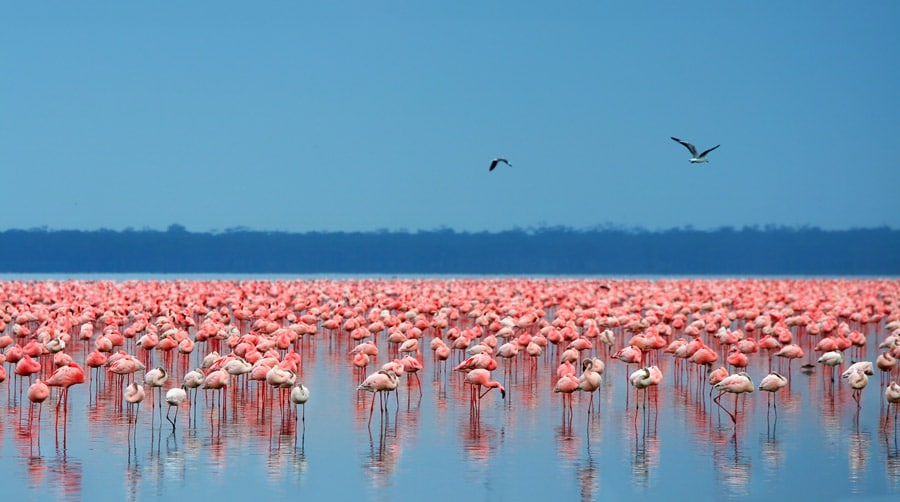
Samburu National Reserve is a paradise for bird enthusiasts, with more than 450 recorded bird species.The reserve’s varied habitats support both resident and migratory birds, making it one of Kenya’s premier birdwatching destinations.
Notable species include:
- African fish eagle
- Vulturine guineafowl
- Secretary bird
- Martial eagle
- Verreaux’s eagle
- Somali bee-eater
- Golden-breasted starling
- Kingfishers
- Hornbills
- Herons
- Storks
The colorful birdlife adds another dimension to the Samburu safari experience
The Samburu People and Cultural Experiences
The reserve derives its name from the Samburu people, a semi-nomadic pastoralist community closely related to the Maasai.The Samburu have inhabited northern Kenya for centuries and maintain a rich cultural heritage rooted in livestock keeping, traditional ceremonies, and deep respect for nature.
Visitors can participate in cultural visits to local villages where they learn about:
- Traditional Samburu customs
- Livestock management
- Traditional housing structures
- Beadwork and handicrafts
- Music and dance performances
- Community conservation initiatives
These experiences provide valuable insights into the relationship between people, wildlife, and the environment.
Activities in Samburu National Reserve
- Game Drives
Morning and evening game drives offer excellent opportunities to explore the reserve and observe wildlife in their natural habitat.The reserve’s open terrain allows for exceptional wildlife viewing and photography.
- Bird Watching
Birdwatchers can enjoy guided excursions focused on identifying the reserve’s rich avian diversity.
- Cultural Tours
Visits to Samburu villages allow travelers to experience local traditions and support community-based tourism initiatives.
- Photography Safaris
Samburu’s dramatic landscapes, unique wildlife, and stunning light conditions make it a dream destination for photographers.
- Sundowners
Many lodges organize sundowner experiences where guests can relax and enjoy spectacular African sunsets while overlooking the wilderness.
Best Time to Visit
Samburu National Game Reserve can be visited throughout the year, but different seasons offer distinct experiences.
- Dry Season (June to October)
The dry season provides excellent wildlife viewing as animals congregate around the Ewaso Nyiro River and other water sources.Vegetation is thinner, making wildlife easier to spot.
- Green Season (November to May)
The rainy season transforms the landscape into a lush and vibrant environment. Birdlife flourishes, and photographers appreciate the dramatic scenery and beautiful skies. While wildlife may be more dispersed, the reserve remains rewarding and less crowded.
Accommodation Options
Samburu National Game Reserve offers a variety of accommodation choices ranging from luxury safari lodges to intimate tented camps.
- Luxury properties feature elegant suites, gourmet dining, spa facilities, and stunning views of the surrounding wilderness.
- Mid-range camps provide comfortable accommodations while maintaining an authentic safari atmosphere.
- Budget-friendly options allow travelers to experience Samburu’s unique wildlife and landscapes without compromising on quality.
Many lodges are strategically located along the Ewaso Nyiro River, providing exceptional opportunities for wildlife viewing directly from camp.
Why Samburu Should Be on Your Safari Bucket List
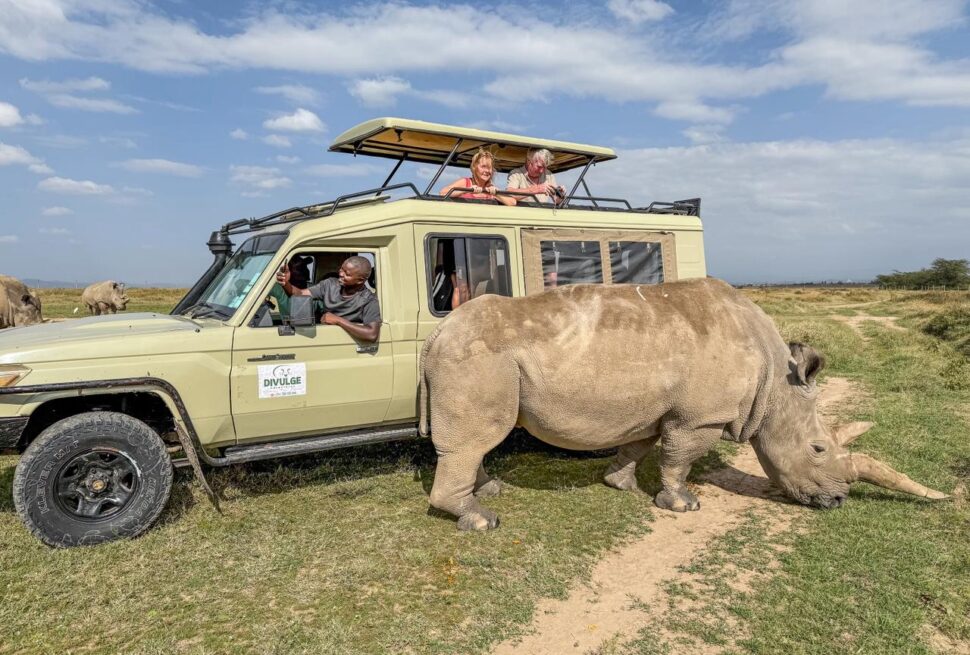
While destinations like the Maasai Mara and Amboseli often dominate Kenya safari itineraries, Samburu National Game Reserve offers something truly different. Its remote location, unique wildlife species, dramatic scenery, and rich cultural experiences create a safari that feels more exclusive and adventurous.The opportunity to spot the Samburu Special Five, observe elephants along the Ewaso Nyiro River, and experience the traditions of the Samburu people makes the reserve one of East Africa’s most rewarding destinations.For travelers seeking an authentic wilderness experience away from larger crowds, Samburu is a hidden gem that consistently exceeds expectations.
Conclusion
Samburu National Game Reserve stands as one of Kenya’s most extraordinary wildlife destinations. From its rare northern species and thriving predator populations to its breathtaking landscapes and vibrant cultural heritage, the reserve offers a safari experience unlike any other.
Whether you are a wildlife enthusiast, photographer, birdwatcher, or cultural explorer, Samburu promises unforgettable encounters and lifelong memories. Its untamed beauty, remarkable biodiversity, and authentic atmosphere make it a must-visit destination for anyone looking to discover the true spirit of Kenya’s wild nort