Lake Nakuru National Park: The Ultimate Guide to Kenya’s Wildlife and Birdwatching Paradise
Kenya is home to Africa’s most iconic safari destinations, Lake Nakuru National Park stands out as one of the most accessible, and rewarding wildlife experiences. Located in the Great Rift Valley, approximately 160 kilometers northwest of Nairobi, the park is famous for its spectacular scenery, rich biodiversity, thriving rhino population, and incredible birdlife.
Whether you are a first-time safari traveler, a nature enthusiast, or a seasoned wildlife photographer, Lake Nakuru National Park offers an unforgettable experience that combines breathtaking landscapes with exceptional wildlife viewing opportunities. From the shimmering alkaline lake and dramatic escarpments to the acacia woodlands and grasslands teeming with animals, every corner of the park presents something remarkable to discover.
Overview of Lake Nakuru National Park
Lake Nakuru National Park covers approximately 188 square kilometers and surrounds Lake Nakuru, a shallow alkaline lake situated within Kenya’s Great Rift Valley. Established as a national park in 1961 and later expanded to protect its diverse ecosystems, the park has become one of Kenya’s most important conservation areas.
The park’s unique habitats include the lake itself, marshlands, grasslands, rocky cliffs, euphorbia forests, and acacia woodlands. This variety of ecosystems supports an impressive range of wildlife and bird species, making the park one of the most biologically diverse protected areas in East Africa.
Its strategic location along the Nairobi–Nakuru highway also makes it one of the easiest safari destinations to reach, attracting both international visitors and local travelers seeking a memorable wildlife adventure.
Ready to go? Book your customized safari instantly on WhatsApp — we'll take it from there.
 Book
BookInstantly on
Wildlife in Lake Nakuru National Park
One of the main attractions of Lake Nakuru National Park is its incredible concentration of wildlife. The park is particularly renowned for its successful rhino conservation efforts and serves as one of Kenya’s premier rhino sanctuaries.
Rhino Conservation Success Story
Lake Nakuru National Park is among the best places in Africa to see both black and white rhinos in their natural habitat. Due to increasing threats from poaching in the past, the park was fenced to provide a secure sanctuary for these endangered species.
Today, visitors have an excellent chance of spotting rhinos during game drives. The sight of these magnificent animals grazing peacefully against the backdrop of the lake and surrounding landscapes is one of the highlights of any visit.
The park’s conservation efforts have contributed significantly to the protection and growth of Kenya’s rhino population, making it an important destination for travelers interested in wildlife conservation.
Big Cats and Predators
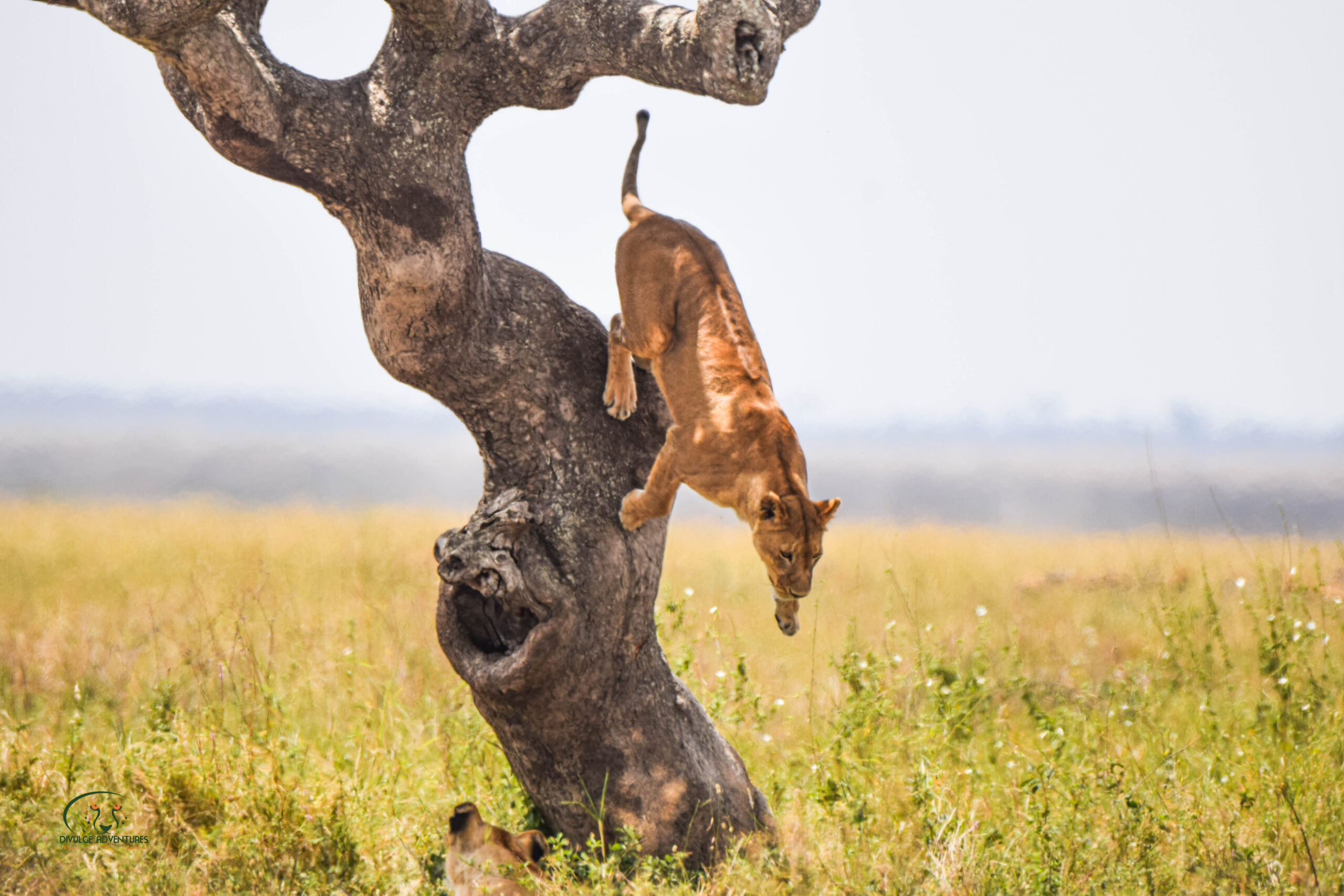
Although Lake Nakuru is not traditionally known as a big cat destination like the Masai Mara, visitors frequently encounter lions within the park. The lions are often seen resting under acacia trees or stalking prey in the grasslands.
Leopards, though more elusive, are also present and are commonly spotted in the park’s wooded areas. Their secretive nature makes every sighting a special and memorable experience.
Other predators found within the park include spotted hyenas, jackals, and smaller carnivores that contribute to the ecosystem’s natural balance.
Other Mammals
In addition to rhinos and predators, Lake Nakuru National Park hosts a wide variety of mammals including:
- Rothschild’s giraffes
- African buffaloes
- Zebras
- Waterbucks
- Impalas
- Warthogs
- Elands
- Bushbucks
- Baboons
- Vervet monkeys
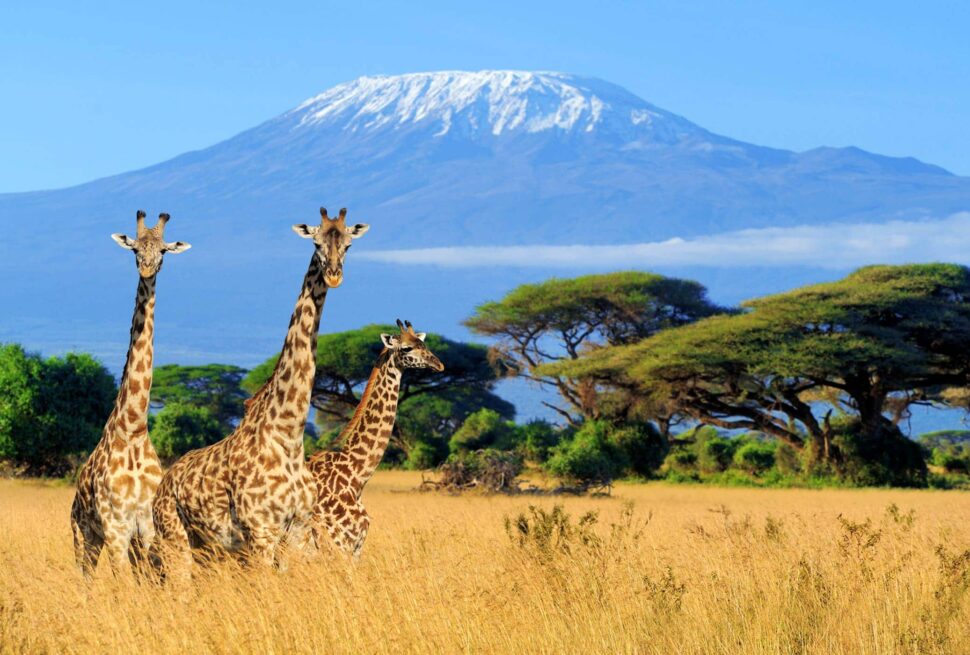
The successful reintroduction of Rothschild’s giraffes has been one of the park’s notable conservation achievements. These elegant animals can often be seen browsing among the acacia trees, providing excellent photographic opportunities.
The World of Birds at Lake Nakuru
Lake Nakuru National Park has earned international recognition as one of the world’s finest birdwatching destinations. More than 450 bird species have been recorded within the park, attracting ornithologists, photographers, and bird lovers from around the globe.
The Famous Flamingos
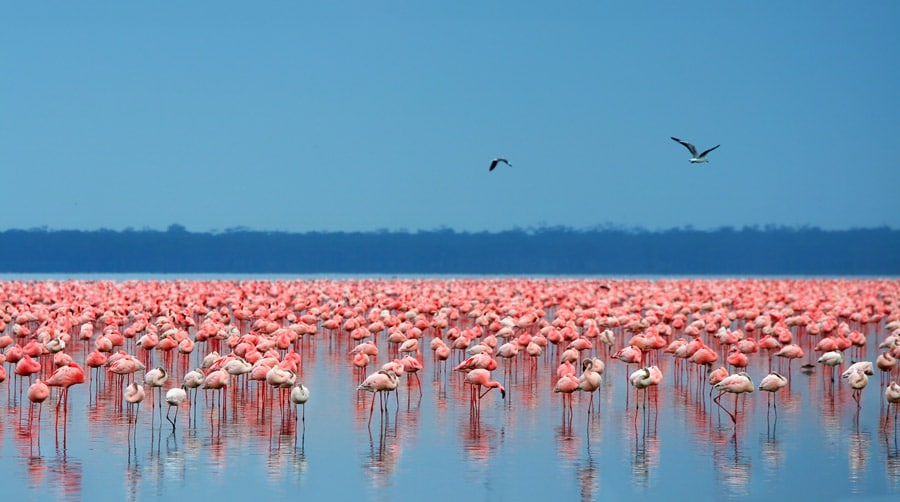
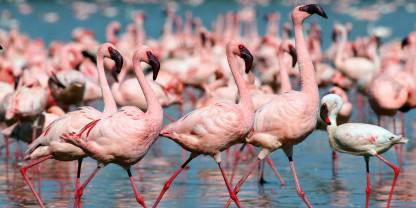
For many years, Lake Nakuru became synonymous with flamingos. Massive flocks of both lesser and greater flamingos would gather along the lake’s shores, creating a stunning pink spectacle visible from great distances.
Although flamingo populations fluctuate depending on water levels, food availability, and environmental conditions, visitors can still witness impressive numbers during favorable periods.
The flamingos feed on algae found in the alkaline waters, and their synchronized movements create one of nature’s most captivating displays.
Other Bird Species
Beyond flamingos, the park offers exceptional birdwatching opportunities. Commonly observed species include:
- Great white pelicans
- African fish eagles
- Goliath herons
- Kingfishers
- Cormorants
- Egrets
- Marabou storks
- Sacred ibises
- Hamerkops
Bird enthusiasts can spend hours exploring the various habitats while observing both resident and migratory species throughout the year.
Scenic Attractions and Viewpoints
Lake Nakuru National Park is not only about wildlife; it is also one of Kenya’s most scenic protected areas.
Baboon Cliff
Baboon Cliff is among the most popular viewpoints in the park. Perched high above the lake, it offers panoramic views of Lake Nakuru, the surrounding woodlands, and the dramatic Rift Valley landscape. Visitors often stop here during game drives to stretch their legs, take photographs, and admire the breathtaking scenery.
Lion Hill
Lion Hill provides another spectacular vantage point overlooking the park. The elevated position allows visitors to appreciate the vastness of the landscape and observe wildlife movements below. The viewpoint is particularly beautiful during sunrise and sunset when the changing light transforms the scenery into a photographer’s dream.
Out of Africa Lookout
Named after the famous film “Out of Africa,” this viewpoint offers magnificent views that showcase the beauty of the Great Rift Valley. It is an ideal location for photography and sightseeing.
Makalia Falls
Located in the southern section of the park, Makalia Falls is a hidden gem that becomes especially impressive during the rainy season. The cascading water creates a refreshing contrast to the surrounding savannah and woodland landscapes.
Activities in Lake Nakuru National Park
Visitors can enjoy a variety of activities that cater to different interests and travel styles.
- Game drives
Game Drives remain the most popular activity within the park. The relatively compact size of Lake Nakuru National Park allows visitors to explore a significant portion of the park in a single day while maximizing wildlife sightings. Morning and afternoon game drives offer excellent opportunities to encounter rhinos, lions, giraffes, buffaloes, and numerous bird species.
- Birdwatching
With over 450 bird species recorded, birdwatching is a major attraction throughout the year. Specialized birding safaris allow enthusiasts to focus on identifying and photographing the park’s remarkable avian diversity.
- Photography
The combination of wildlife, dramatic landscapes, and abundant birdlife makes Lake Nakuru a paradise for photographers. Whether capturing a rhino grazing near the lake or a flock of pelicans soaring overhead, visitors are presented with countless opportunities to create stunning images.
- Educational and Conservation Experiences
Lake Nakuru provides valuable insights into wildlife conservation, particularly rhino protection initiatives. Visitors can learn about ongoing efforts to safeguard endangered species and preserve critical habitats for future generations.
Best Time to Visit Lake Nakuru National Park
Lake Nakuru National Park is a year-round destination, but certain seasons offer distinct advantages.
Dry Season (June to October and January to March)
The dry months are generally considered the best time for wildlife viewing. Vegetation becomes less dense, making animals easier to spot, and many species congregate around available water sources. Road conditions are also typically better during this period, enhancing the overall safari experience.
Wet Season (April to May and November to December)
The rainy seasons bring lush green landscapes and excellent birdwatching opportunities. Migratory birds arrive, and photographers often appreciate the vibrant scenery and dramatic skies. While some roads may become muddy, the park remains accessible and rewarding for visitors.
Accommodation Options
A wide range of accommodation options are available around Lake Nakuru National Park, catering to different budgets and preferences.
Visitors can choose from luxury safari lodges offering premium amenities and spectacular views, mid-range lodges providing comfortable stays, or budget-friendly camps suitable for adventurous travelers.
Many properties are strategically located near the park entrance, allowing easy access for early morning game drives.
Why Include Lake Nakuru in Your Kenya Safari?
Lake Nakuru National Park offers a unique safari experience that complements other famous Kenyan destinations. Its exceptional rhino sightings, diverse wildlife, remarkable birdlife, and stunning scenery make it an ideal addition to any safari itinerary.
The park can easily be combined with destinations such as Masai Mara, Lake Naivasha, Amboseli, Samburu, and Ol Pejeta Conservancy, creating a well-rounded Kenyan safari adventure.
For travelers with limited time, Lake Nakuru’s accessibility from Nairobi makes it an excellent option for short safaris, weekend getaways, or stopovers during longer wildlife tours.
Conclusion
Lake Nakuru National Park remains one of Kenya’s most treasured wildlife destinations. Its remarkable combination of rhino conservation success, abundant birdlife, diverse wildlife, and breathtaking landscapes continues to attract visitors from around the world.
Whether you are watching flamingos along the shoreline, photographing a Rothschild’s giraffe against the Rift Valley backdrop, or enjoying panoramic views from Baboon Cliff, every moment spent in the park creates lasting memories.
For anyone seeking an authentic Kenyan safari experience filled with natural beauty, conservation success stories, and unforgettable wildlife encounters, Lake Nakuru National Park deserves a place at the top of the travel list.