Purpose-Driven Travel: Top Sustainable Lodges in the Mara for 2026
Sustainable tourism is no longer just a travel trend, it has become one of the most important considerations for modern travelers exploring Africa. As tourism continues to grow across Kenya, more visitors are becoming aware of the environmental and social impact their safaris can have on local ecosystems and communities.
Nowhere is this more important than in the world-famous Masai Mara National Reserve, one of Africa’s most celebrated wildlife destinations. Known for its breathtaking savannah landscapes, incredible predator sightings, and the legendary Great Wildebeest Migration, the Mara attracts thousands of travelers every year. However, increased tourism also creates pressure on wildlife habitats, water resources, waste management systems, and local communities. This is where sustainable tourism plays a vital role.
Today, many safari lodges and camps across the Mara ecosystem are redefining luxury travel by combining unforgettable safari experiences with responsible environmental practices and community conservation initiatives. From solar-powered tented camps to community-owned conservancies and zero-waste operations, eco-conscious safari lodges are helping protect the future of the Mara while creating meaningful travel experiences for guests.
For travelers planning a Kenyan safari in 2026, choosing a sustainable lodge allows you to enjoy the beauty of the wilderness while contributing positively to conservation and local livelihoods.This guide explores what makes a safari lodge truly eco-friendly, the certifications to look for, some of the leading sustainable camps in the Mara, and practical ways travelers can reduce their environmental footprint during safari adventures.
What Makes a Lodge “Eco”?: Solar Power, Zero-Waste Initiatives, and Grey-Water Recycling
The term “eco-lodge” is widely used in the tourism industry, but not every property that markets itself as eco-friendly truly operates sustainably.
Ready to go? Book your customized safari instantly on WhatsApp — we'll take it from there.
 Book
BookInstantly on
A genuinely sustainable safari lodge goes beyond simply placing recycling bins around the property. It actively works to minimize environmental impact, protect wildlife habitats, conserve resources, and support local communities. In the Mara ecosystem, sustainability is especially important because the environment is fragile and wildlife movements depend on healthy natural systems.
Solar Power and Renewable Energy
One of the most noticeable features of eco-friendly safari camps is their use of solar energy. Many sustainable lodges in the Mara operate almost entirely on solar power. Solar panels generate electricity for:
- Guest tents and rooms.
- Water heating systems.
- Charging stations.
- Kitchen operations.
- Camp lighting.
Using solar energy significantly reduces reliance on diesel generators, which contribute to pollution, noise, and carbon emissions.Some luxury eco-camps even use battery storage systems that allow them to operate silently throughout the night without fuel-powered backup generators. For guests, this creates a more peaceful wilderness experience while reducing environmental damage.
Zero-Waste Initiatives
Waste management remains one of the biggest sustainability challenges in remote safari destinations. Eco-friendly lodges are increasingly adopting zero-waste or low-waste systems designed to minimize landfill waste.
These initiatives often include:
- Eliminating single-use plastics.
- Using refillable glass water bottles.
- Composting food waste.
- Recycling metal, paper, and glass.
- Sourcing reusable packaging.
- Partnering with local recycling programs.
Some safari camps now provide reusable water bottles to guests upon arrival instead of plastic bottles. Others carefully monitor food waste and design menus around locally sourced ingredients to reduce transport emissions and packaging waste.
Grey-Water Recycling Systems
Water conservation is critical in the Mara ecosystem, especially during dry seasons.Many sustainable lodges now use grey-water recycling systems to reduce water waste.
Grey water refers to gently used water from sinks, showers, and laundry facilities. Instead of wasting this water, eco-lodges treat and reuse it for purposes such as:
- Garden irrigation.
- Dust control on roads.
- Landscaping maintenance.
Some camps also use low-flow shower systems and eco-friendly toilets designed to conserve water without compromising guest comfort.
Sustainable Building Design
Eco-lodges often incorporate environmentally sensitive architecture that blends naturally into the surrounding landscape.
Many camps use:
- Locally sourced materials.
- Canvas tents instead of permanent concrete structures.
- Natural ventilation systems.
- Thatched roofing for insulation.
- Elevated walkways that minimize land disturbance.
These designs reduce habitat destruction while preserving the authentic safari atmosphere travelers seek.
Responsible Wildlife Practices
True sustainable tourism also includes ethical wildlife viewing.
Responsible safari camps train guides to follow wildlife-viewing regulations such as:
- Maintaining respectful distances from animals.
- Avoiding harassment during sightings.
- Limiting vehicle numbers.
- Restricting off-road driving in sensitive habitats.
These practices help protect animal welfare and preserve natural behaviors.
Certifications to Look For: Identifying Gold and Silver-Rated Properties by Ecotourism Kenya
As sustainable tourism grows in popularity, travelers may wonder how to identify genuinely eco-friendly safari lodges.One of the most trusted sustainability certification programs in Kenya is operated by Ecotourism Kenya.
This organization evaluates tourism properties based on environmental management, community engagement, cultural preservation, and sustainable business practices.
The Eco-Rating Scheme
Ecotourism Kenya uses a rating system that categorizes lodges into different sustainability levels, including:
- Bronze
- Silver
- Gold
Gold-rated properties represent the highest sustainability standards and demonstrate exceptional commitment to responsible tourism practices.
What the Ratings Assess
The certification process examines factors such as:
- Energy efficiency.
- Water conservation.
- Waste management.
- Staff welfare.
- Community support.
- Conservation efforts.
- Sustainable sourcing.
- Visitor education.
Properties undergo thorough assessments before receiving certification.
Why Certifications Matter
Choosing certified sustainable lodges helps travelers avoid “greenwashing,” where businesses market themselves as eco-friendly without meaningful action.Certified camps provide reassurance that your tourism spending genuinely supports responsible conservation and community development.
As travelers become increasingly environmentally conscious, these certifications are becoming an important factor when selecting safari accommodations for 2026.
2026 Featured Eco-Camps: Pioneers like Karen Blixen Camp and Basecamp Explorer
The Mara ecosystem is home to several exceptional safari camps leading the way in sustainable tourism. These properties combine luxury safari experiences with strong environmental and social responsibility initiatives.
Karen Blixen Camp
Located along the Mara River, Karen Blixen Camp has become one of the Mara’s most respected eco-conscious safari properties.
The camp integrates sustainability through:
- Solar energy systems.
- Responsible water management.
- Plastic reduction initiatives.
- Community employment programs.
- Low-impact tented accommodation.
The riverside location also offers incredible wildlife viewing opportunities, especially during migration season.Guests frequently spot elephants, hippos, crocodiles, and wildebeests directly from camp. Karen Blixen Camp is particularly admired for balancing luxury with environmental sensitivity.
Basecamp Masai Mara
Basecamp Explorer is widely recognized as one of the pioneers of sustainable safari tourism in Kenya.
The camp works closely with local Maasai communities and conservation organizations to support:
- Reforestation programs.
- Girls’ education initiatives.
- Community empowerment projects.
- Wildlife conservation.
- Sustainable employment opportunities.
The camp also uses eco-friendly infrastructure and actively minimizes environmental impact. One of the most impressive aspects of Basecamp is its strong focus on creating direct positive benefits for nearby communities.
Conservancy-Based Eco Camps
Many eco-friendly camps are located within private conservancies surrounding the Masai Mara National Reserve.
Conservancies such as:
- Naboisho Conservancy
- Mara North Conservancy
- Olare Motorogi Conservancy
support low-density tourism models that reduce environmental pressure while protecting wildlife habitats. These conservancy camps often limit guest numbers, resulting in quieter and more exclusive safari experiences.
Luxury Meets Sustainability
Modern eco-tourism no longer means sacrificing comfort.
Many sustainable camps now offer:
- Luxury tented suites.
- Gourmet dining.
- Spa treatments.
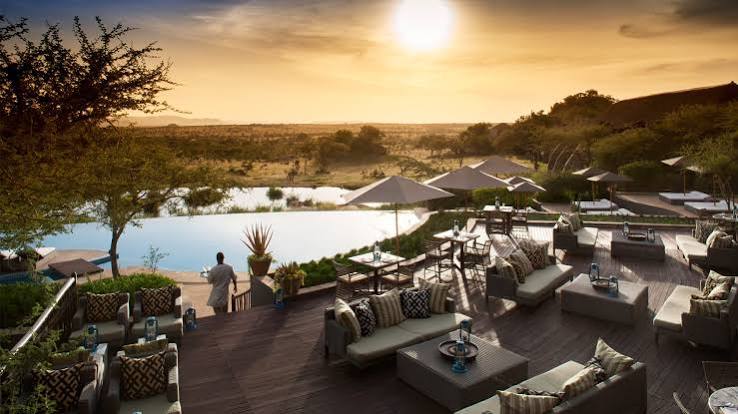
- Infinity pools.
- Personalized guiding.
- Elegant interiors.
Travelers can enjoy world-class safari experiences while still supporting conservation and responsible tourism.
Community-Led Conservation: How Your Stay Funds Local Education and Healthcare
One of the most powerful aspects of sustainable tourism in the Mara is its ability to support local communities directly. Many eco-lodges work closely with Maasai landowners whose land forms part of wildlife conservancies and migration corridors.
Instead of converting land into agriculture or development, communities lease land for conservation and tourism purposes.
Tourism as a Conservation Tool
When tourism revenue benefits local people, wildlife protection becomes economically valuable.This creates strong incentives for communities to preserve habitats and coexist with wildlife.
Without sustainable tourism income, many critical wildlife areas could face pressure from:
- Overgrazing.
- Land subdivision.
- Agriculture expansion.
- Human settlement.
Eco-tourism helps protect these landscapes for future generations.
Supporting Education Programs
Many safari camps contribute funding toward:
- Local schools.
- Scholarships.
- School infrastructure.
- Educational supplies.
- Teacher support programs.
Some camps even organize cultural exchange programs where guests can visit community schools and learn more about local education initiatives.
Healthcare and Community Welfare
Tourism revenue also supports healthcare access in remote regions.
Community programs funded through eco-tourism may include:
- Medical clinics.
- Maternal healthcare.
- Clean water projects.
- Sanitation improvements.
- Vaccination campaigns.
These initiatives significantly improve quality of life for local families.
Employment Opportunities
Eco-lodges create valuable jobs in areas such as:
- Safari guiding.
- Hospitality.
- Conservation management.
- Cultural tourism.
- Camp operations.
Importantly, many camps prioritize hiring staff from nearby communities, ensuring tourism benefits remain local.
Traveler Tips: Reducing Your Footprint During Safari
Sustainable tourism is not only the responsibility of safari camps. Travelers also play an important role in protecting the environment.
Small decisions can make a meaningful difference during your safari experience.
- Bring Reusable Water Bottles
- Avoid purchasing single-use plastic bottles whenever possible.
- Many eco-lodges provide refill stations where guests can safely refill reusable bottles throughout their stay.
- Pack Biodegradable Toiletries
- Using biodegradable soap, shampoo, and sunscreen helps reduce chemical pollution in sensitive ecosystems.
- Eco-friendly products are especially important in remote wilderness areas where waste treatment systems may be limited.
Avoid Excessive Plastic Packaging
Try to minimize plastic waste by:
- Repacking snacks into reusable containers.
- Carrying cloth shopping bags.
- Avoiding disposable plastics.
Respect Wildlife Viewing Rules
Ethical wildlife viewing protects both animals and the safari experience.
Travelers should:
- Keep noise levels low.
- Avoid demanding vehicles move too close to wildlife.
- Follow guide instructions.
- Never feed animals.
Support Local Communities Responsibly
Purchasing locally made crafts and souvenirs can help support community livelihoods.However, travelers should prioritize authentic, ethically sourced products rather than mass-produced imports.
Offset Your Carbon Emissions
International travel contributes significantly to carbon emissions.
Some travelers choose to support carbon offset programs linked to reforestation or renewable energy projects to help balance their environmental impact
Conclusion
Sustainable tourism is shaping the future of safari travel in Kenya, and the Masai Mara ecosystem is leading the way in responsible conservation-focused experiences. By choosing eco-friendly safari lodges, travelers can enjoy extraordinary wildlife encounters while contributing to environmental protection and community development.
Whether staying at pioneering camps like Karen Blixen Camp or community-focused properties like Basecamp Masai Mara, visitors become part of a broader effort to preserve one of Africa’s greatest wilderness regions. As 2026 approaches, purpose-driven travel continues to grow in importance. Today’s safari is no longer just about seeing wildlife, it is about ensuring future generations will still have the opportunity to experience the magic of the Mara. Choosing sustainable tourism means your safari leaves behind not just memories, but a positive impact as well.