The Laikipia wilderness is a high, open plateau of private and community conservancies north-west of Mount Kenya, roughly 3 to 4 hours’ drive or under an hour’s flight from Nairobi. It is where you go for black rhinos, Grevy’s zebra, wild dogs, rare black leopards, walking safaris and night drives, with far fewer vehicles than the Masai Mara.
Most first-time Kenya itineraries stop at the Mara and Amboseli, and many travellers only hear about Laikipia when a friend comes home talking about tracking lions on foot or watching rhinos at dusk. The trouble is that Laikipia is not a single national park with one gate and one fee, so it is hard to work out where to stay, what you will see and how to get there. This guide explains how the region works, which conservancies suit which traveller, the best months, current fees we checked on official sources, and how to fit the Laikipia wilderness into a wider Kenya safari.

Quick Facts
- Where: Laikipia County, central Kenya, between Mount Kenya and the Aberdares, gateway town Nanyuki
- Size: about 9,462 km² of county land; private ranches cover more than half of it
- Getting there: roughly 190-200 km by road from Nairobi (3-4 hours), or about 45-60 minutes by light aircraft from Wilson Airport
- Signature wildlife: black and white rhino, Grevy’s zebra, reticulated giraffe, wild dogs, elephants, black leopards
- Best months: late June to early October and January to February (drier seasons)
- Ol Pejeta entry fee: US$110 per non-resident adult, US$55 per child aged 3-11 (2026 tariff, checked October 2026)
- Why go: walking safaris, night drives, horse and camel riding, low vehicle numbers
What Is the Laikipia Wilderness?
The Laikipia wilderness is a mosaic of cattle ranches, private conservancies and community group ranches on a plateau north-west of Mount Kenya, not a national park. Wildlife moves freely across these lands, and tourism is run conservancy by conservancy, each with its own lodges, rules and activities.
According to the County Government of Laikipia, the county covers 9,462 km², and large private ranches hold most of its wildlife on more than half of that land. Wildlife corridors link Laikipia with the Aberdares, Mount Kenya, Samburu and Meru, so elephants and predators wander well beyond any single property. The Laikipia Conservancies Association, according to its published figures, brings together more than 30 member conservancies and eco-lodges protecting over 4,100 km².
Ready to go? Book your customized safari instantly on WhatsApp — we'll take it from there.
 Book
BookInstantly on
Where Is the Laikipia Wilderness in Kenya?
The Laikipia wilderness sits on a plateau in central Kenya, with Mount Kenya to the south-east and the Aberdare Range along its south-western edge. The main towns are Nanyuki, which straddles the equator, Nyahururu, Rumuruti and Dol Dol. Lewa Wildlife Conservancy lies just beyond the county line to the east and is usually visited as part of the same trip.
The landscape changes as you head north. Around Nanyuki you find open grassland and whistling-thorn plains, while the north and west turn rockier and drier, with granite kopjes, river gorges along the Ewaso Nyiro and Ewaso Narok, and dense acacia bush. Rainfall is low for the altitude, averaging roughly 400-750 mm a year depending on location, which keeps the bush thin enough for good game viewing.
Which Animals Can You See in the Laikipia Wilderness?
The Laikipia wilderness holds the Big Five plus several species that are hard to find elsewhere in Kenya: Grevy’s zebra, reticulated giraffe, African wild dogs, Jackson’s hartebeest, Beisa oryx, gerenuk and striped hyena. It is also one of the very few places in Africa where melanistic (black) leopards have been photographed.
Black Leopards in Laikipia
In 2019 a team from San Diego Zoo Global published camera-trap images of a young black leopard from Loisaba Conservancy in the African Journal of Ecology, described as the first scientific confirmation of a black leopard in Africa in about a century. Wildlife photographer Will Burrard-Lucas also photographed a black leopard near Laikipia Wilderness Camp in 2018.
Sightings remain rare and are never guaranteed. Black leopards are mostly nocturnal and secretive, so your chances improve with several nights in the northern conservancies, night drives and patient guides who know local territories. Treat a sighting as a bonus rather than the reason for the whole trip.
Rhinos, Grevy’s Zebra and the Northern Specials
Laikipia is a stronghold for rhinos, with conservation sources estimating that nearly half of Kenya’s black rhinos live here. Ol Pejeta Conservancy also protects the last two northern white rhinos on Earth, which you can visit on a guided conservancy experience. Grevy’s zebra, the largest and most endangered zebra, and reticulated giraffe are both northern Kenya specials that you will rarely see in the Mara.
Elephants, Predators and Wild Dogs
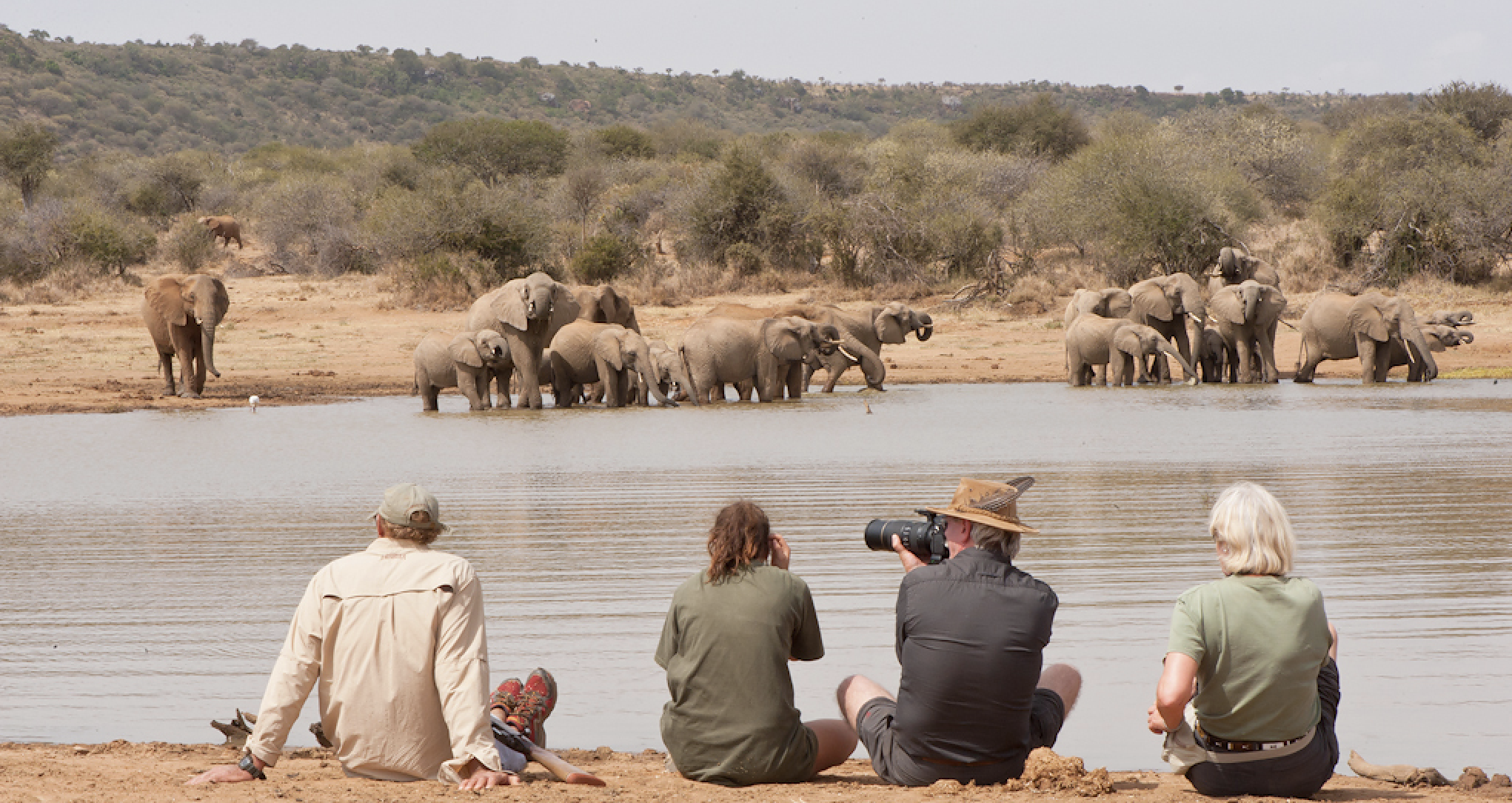
Laikipia supports one of Kenya’s largest elephant populations, and many herds move north towards Samburu during the rains. Lions, leopards, cheetahs, spotted and striped hyenas all live here, and African wild dogs (painted wolves) roam widely across the conservancies. Wild dogs cover huge distances, so sightings tend to come in bursts when a pack is denning nearby.
Best Conservancies in the Laikipia Wilderness
The best conservancy in the Laikipia wilderness depends on your trip: Ol Pejeta for easy access, rhinos and day visits; Loisaba and the northern ranches for remote walking and black leopard country; Borana and Lewa for rhino tracking and horse riding; and community conservancies like Il Ngwesi for Maasai-run tourism.
| Conservancy | Approx. size | Best known for | Suits |
|---|---|---|---|
| Ol Pejeta | 360 km² | Black and white rhinos, last two northern white rhinos, chimpanzee sanctuary, day visits allowed | Short trips, families, first-timers, day trippers from Nanyuki |
| Loisaba | 230 km² | Remote northern landscapes, camera-trapped black leopard, elephants, wild dogs | Repeat visitors, photographers, couples |
| Ol Ari Nyiro | 365 km² | Western Laikipia, a black leopard photographed here in 2007 | Off-the-beaten-track explorers |
| Borana | 130 km² | Rhinos and horse riding, borders Lewa | Active travellers, riders, families |
| Il Ngwesi and Naibunga | 93 km² and 477 km² | Community-owned Maasai conservancies | Travellers who want culture and conservation together |
Sizes are approximate published figures. Ol Pejeta is the conservancy most open to day visitors; most others in the Laikipia wilderness are reserved for guests staying at their lodges, which is a big part of why they feel so quiet. For a closer look at the most visited option, read our Ol Pejeta Conservancy guide, and for a small rhino sanctuary nearby see our post on Solio Game Reserve.
What Can You Do in the Laikipia Wilderness?
The Laikipia wilderness offers far more than game drives. Because conservancies set their own rules, you can walk with armed rangers, go on night drives, ride horses or camels, track lions with researchers and sleep out under the stars, activities that Kenya’s national parks and reserves mostly do not allow.
- Walking safaris: from short bush walks to multi-day walks with fly camps, led by experienced guides.
- Night drives: spotlighting for aardvark, genets, bushbabies, hyenas and, with luck, leopards. Our guide to night game drives in Kenya explains where they are allowed.
- Horse and camel safaris: several ranches offer riding among zebra and giraffe for confident riders, and gentle camel walks for families.
- Conservation experiences: Ol Pejeta’s 2026 tariff lists lion tracking, dog tracking, night game drives, behind-the-scenes visits and meeting the northern white rhinos at US$70 per adult and US$35 per child, with guided bush and bird walks at US$40 per adult (checked October 2026).
- Culture: community conservancies welcome visitors to learn how Maasai and Samburu herders share land with wildlife.
How Do You Get to the Laikipia Wilderness?
You reach the Laikipia wilderness by road from Nairobi to Nanyuki, about 190-200 km and typically 3-4 hours, or by scheduled light-aircraft flight from Nairobi’s Wilson Airport to Nanyuki in roughly 45-60 minutes. Remote conservancies such as Loisaba and Lewa have their own airstrips.
By Road
The drive heads north through Thika and the farmland on the western slopes of Mount Kenya to Nanyuki. Ol Pejeta’s gates are a short drive beyond the town, while the northern conservancies can add another one to three hours on rough ranch tracks. A road transfer works well if you want to stop at the equator sign in Nanyuki or combine Laikipia with the Aberdares or Lake Nakuru on the way.
By Air
Flying saves a long day on the road and is the usual choice for the remote northern camps. Light aircraft have strict luggage limits, so pack in soft bags and confirm the weight allowance when you book. Our fly-in safaris combine Laikipia with Samburu or the Mara without long transfers.
When Is the Best Time to Visit the Laikipia Wilderness?
The best time to visit the Laikipia wilderness is during the drier months, from late June to early October and from January to February, when grass is short, animals gather near water and tracks are easy to drive. The plateau’s moderate rainfall means Laikipia stays rewarding all year, with green-season discounts at many lodges.
| Months | Conditions | What to expect |
|---|---|---|
| January-February | Short dry season, warm days | Excellent game viewing, clear views of Mount Kenya, popular with families |
| March-May (can run into June) | Long rains | Green landscapes, newborn animals, some camps close or offer lower rates, muddy tracks |
| Late June-early October | Main dry season, cool mornings | Peak season, best walking conditions, combines well with the Mara migration |
| Late October-November | Short rains, mostly afternoon showers | Fresh grass, good birding, quieter camps |
| December | Drying out | Festive season demand, book well ahead |
Nights on the plateau can be chilly at any time of year, especially in July and August, so pack a warm fleece for early drives. If you want the migration as well, plan Laikipia before or after the Mara using our Great Migration month-by-month guide.
How Many Days Do You Need in Laikipia?
Plan at least 2 nights for a taste of the Laikipia wilderness at Ol Pejeta, and 3-4 nights if you want walking, night drives and a realistic chance at the rarer species in the northern conservancies. Laikipia pairs naturally with Samburu to the north and the Masai Mara in the south-west.
- 2-3 nights: Ol Pejeta or a conservancy near Nanyuki, ideal as a first stop after arriving in Nairobi.
- 4-5 nights: split between Ol Pejeta and a remote northern conservancy for walking and night drives.
- 7-10 nights: Laikipia, then Samburu National Reserve for more northern specials, finishing in the Masai Mara.
Costs vary widely, because most private conservancies bundle conservancy fees into all-inclusive lodge rates and the lodges range from simple tented camps to exclusive-use houses. For a realistic picture of how park fees, lodges and transport add up across the country, see our Kenya safari cost guide, and confirm Ol Pejeta’s current tariff on the official Ol Pejeta Conservancy tariff guide before you book.
Add Laikipia to your Kenya safari
Browse our tailor-made Kenya safaris and we will build in Ol Pejeta, the northern conservancies, Samburu and the Mara with private vehicles and expert local guides.
Is the Laikipia Wilderness Better Than the Masai Mara?
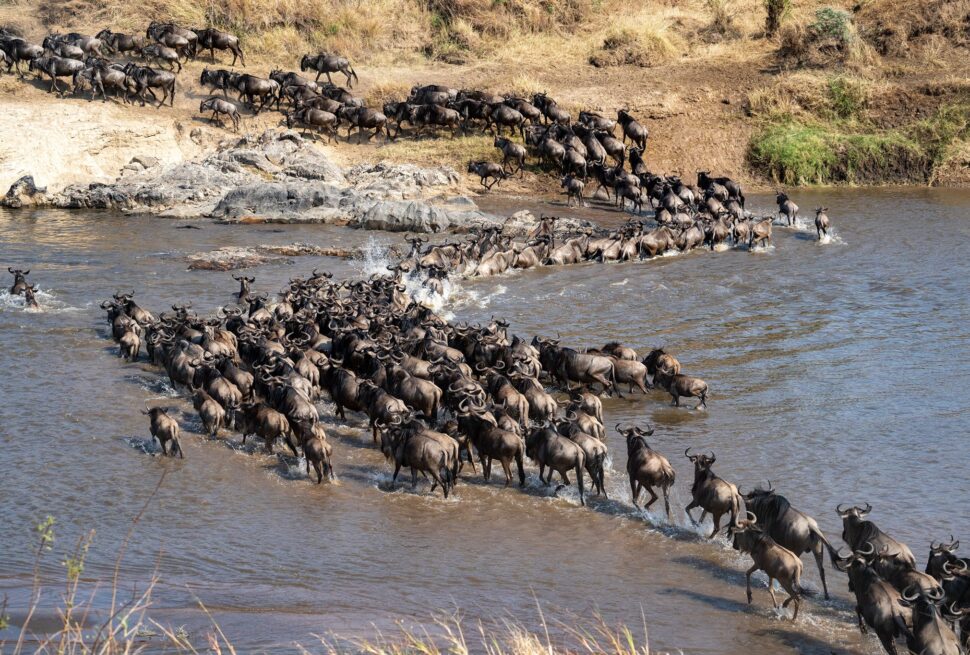
The Laikipia wilderness is not better than the Masai Mara, it is different. The Mara wins for sheer numbers of plains game, big cats and the wildebeest migration; Laikipia wins for rhinos, northern species, walking, night drives and solitude. Many travellers do both on one trip.
The Mara’s national reserve has fixed game-drive rules and gets busy at river crossings in peak season, while Laikipia’s conservancies limit vehicles and let you leave the vehicle on foot. If you have only one week and it is your first safari, the Mara is the classic choice; adding even two nights in the Laikipia wilderness gives the trip a very different, more personal feel.
Insider Tips
- Pick activities first: choose your conservancy by what you want to do (walking, riding, night drives), not just by the lodge.
- Stay longer up north: rare species such as wild dogs and black leopards reward three or more nights in one place.
- Pack layers: early mornings on the plateau are cold; bring a warm fleece and a windproof jacket.
- Soft bags for flights: light aircraft to Nanyuki and conservancy airstrips have strict weight limits.
- Check fees in advance: conservancy fees change yearly; we confirm the current figures when we quote.
- Combine smartly: Laikipia sits between Nairobi and Samburu, so it fits neatly on a northern circuit.
Let us plan your safari
Tell us your dates, budget and dream sightings, and our Nairobi team will send you a free tailor-made itinerary and quote.
Frequently Asked Questions
Is Laikipia Wilderness a camp or a region?
Laikipia wilderness usually refers to the wild Laikipia Plateau region of central Kenya, with its private and community conservancies. The name is also used by a small owner-run tented camp on the Ewaso Narok River in central Laikipia, known for walking safaris and the 2018 black leopard photographs. Check the camp directly for current details and availability.
Can you see black leopards in the Laikipia wilderness?
Yes, black leopards live in the Laikipia wilderness, but sightings are rare and never guaranteed. Camera traps confirmed a melanistic leopard at Loisaba Conservancy in 2019, and others have been photographed near Laikipia Wilderness Camp. Your best chance comes from several nights in the northern conservancies, night drives and guides who know local leopard territories.
Can you visit Laikipia as a day trip from Nairobi?
A day trip to Laikipia from Nairobi is possible but long, with roughly 3-4 hours’ driving each way to Nanyuki. Ol Pejeta Conservancy is the main conservancy that accepts day visitors, and its 2026 entry fee is US$110 per non-resident adult (checked October 2026). Most travellers find at least one night far more rewarding.
How many days should you spend in the Laikipia wilderness?
Two nights in the Laikipia wilderness is enough for Ol Pejeta’s rhinos and a few game drives, but three to four nights lets you add walking, night drives and a remote northern conservancy. On a 7-10 night Kenya safari, Laikipia combines well with Samburu and the Masai Mara without long backtracking.
Is Laikipia safe to visit?
Laikipia is visited by many international travellers each year, and tourist conservancies run guided activities with trained guides and rangers. Local conditions can change, particularly in some pastoral areas during droughts, so check your government’s current travel advice for Kenya and follow your guide’s instructions. A reputable operator will route your trip through established conservancies.
Final Thoughts
The Laikipia wilderness is Kenya’s best answer for travellers who want rhinos, rare northern species, walking safaris and night drives without the crowds, all within a short flight of Nairobi.
Two to four nights here turns a standard safari into something far more personal. Tell us your dates and we will build the Laikipia wilderness into a Kenya itinerary that fits your budget and wish list.
Wondering which Laikipia conservancy suits you?
Chat with a Divulge Adventures safari consultant on WhatsApp for honest advice, a quick answer and a quote built around you.