The Ultimate Lemek Conservancy Safari Guide for 2026 Luxury Travelers
A Lemek Conservancy safari offers one of the most authentic and uncrowded wildlife experiences in the greater Maasai Mara ecosystem. Located in the northern section of the Mara region, Lemek combines untamed wilderness, thriving resident wildlife populations, and community-led conservation into a safari destination that feels both exclusive and deeply connected to the land.
Unlike heavily trafficked safari zones, Lemek Conservancy retains a raw and natural atmosphere. Vast open plains stretch toward distant escarpments, predators roam freely across seasonal river systems, and safari vehicles often encounter wildlife without surrounding crowds. For travelers seeking a quieter alternative to the central reserve, a Lemek Conservancy safari delivers exceptional game viewing while preserving the intimacy many luxury safari guests now prioritize.
As Kenya’s safari industry continues shifting toward low-density conservation tourism, Lemek has become increasingly appealing for photographers, wildlife enthusiasts, and travelers looking for a more immersive experience within the wider Maasai Mara ecosystem.
Nothern Mara Location
Situated in the northern reaches of the greater Maasai Mara ecosystem, Lemek Conservancy forms part of a network of privately and community-managed conservation areas bordering the national reserve.
The conservancy lies outside the core Maasai Mara National Reserve boundaries but remains ecologically connected to major wildlife dispersal routes. This location allows animals to move seasonally between protected zones while maintaining healthy migration corridors.
A Lemek Conservancy safari is particularly attractive because it combines excellent wildlife density with significantly lower tourist traffic compared to the main reserve. The result is a more exclusive safari atmosphere where sightings feel natural rather than crowded.
The conservancy also benefits from a strategic location near several other northern Mara conservancies, creating an extended wildlife landscape that supports both resident and migratory species throughout the year.
Topographical Highlights
One of the defining features of a Lemek Conservancy safari is the dramatic variation in terrain. Unlike flatter sections of the Mara, Lemek includes rolling hills, open grasslands, seasonal streams, acacia woodlands, and elevated viewpoints overlooking the savannah.
This topographical diversity creates multiple habitats that support different wildlife species year-round.
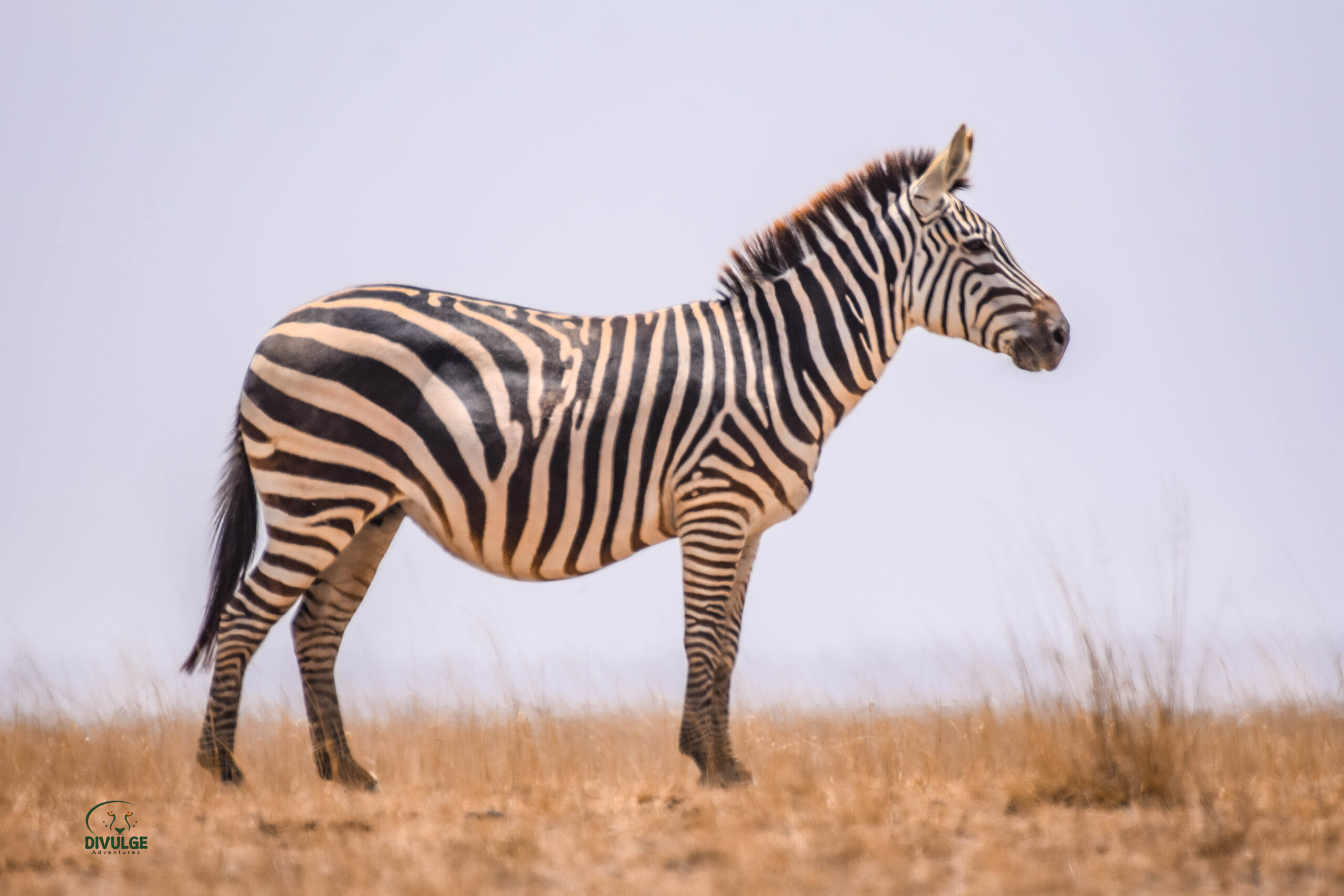
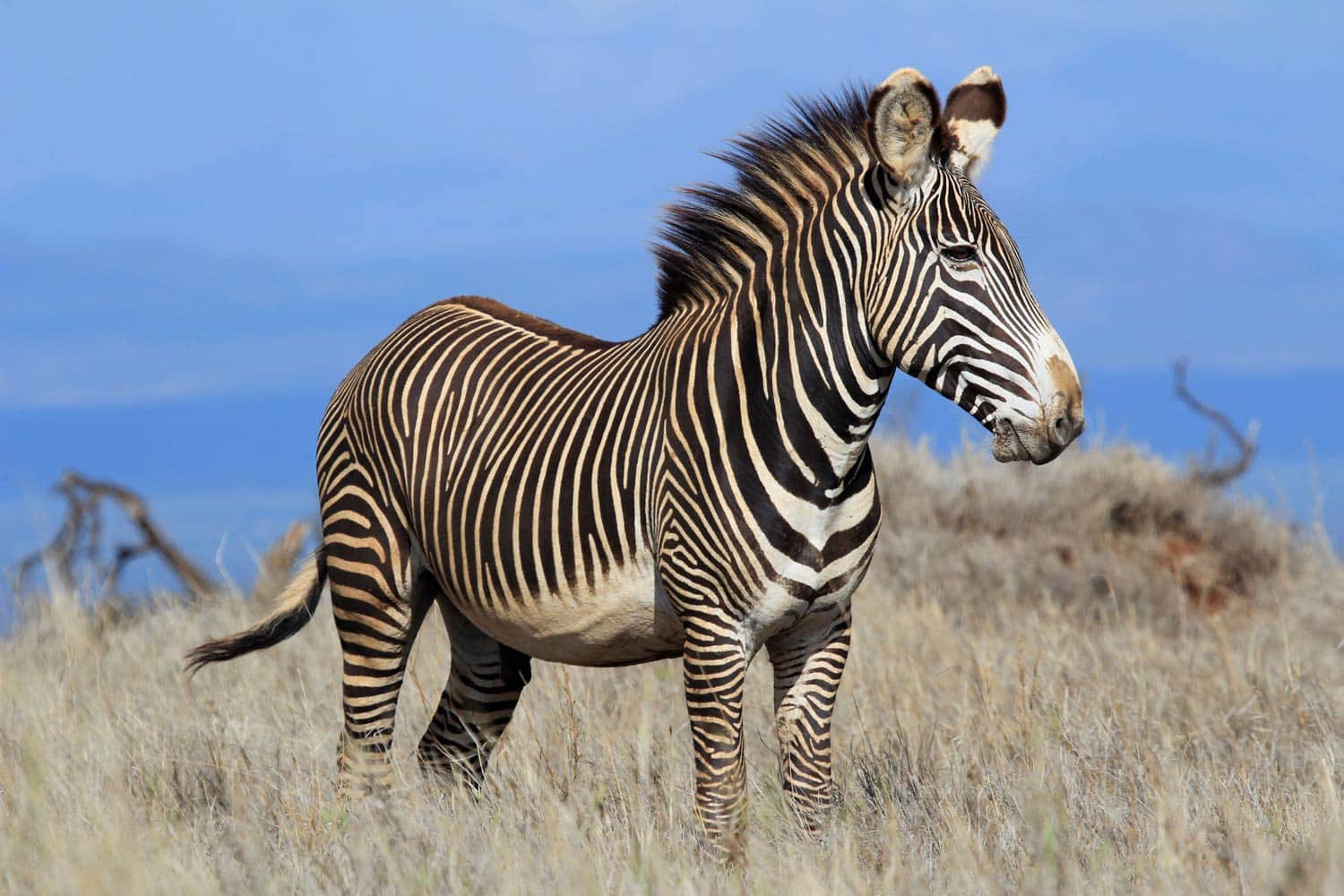
The open plains are ideal for grazing herbivores such as zebras, topis, wildebeest, and gazelles, while riverine vegetation provides cover for leopards and other elusive predators.
During sunrise and sunset game drives, the landscape becomes especially striking. Golden light sweeps across the plains while distant hills create layered photographic compositions that many safari photographers prefer over more crowded areas of the reserve.
For travelers planning a Lemek Conservancy safari, these scenic contrasts enhance not only wildlife viewing but also the overall feeling of immersion in an untouched wilderness.
Year-Round Resident Wildlife
Unlike destinations that rely heavily on seasonal migration activity, Lemek Conservancy supports strong resident wildlife populations throughout the year.
This means visitors can enjoy rewarding safari experiences regardless of the migration calendar.
A Lemek Conservancy safari often includes sightings of:
- Lions
- Leopards
- Cheetahs
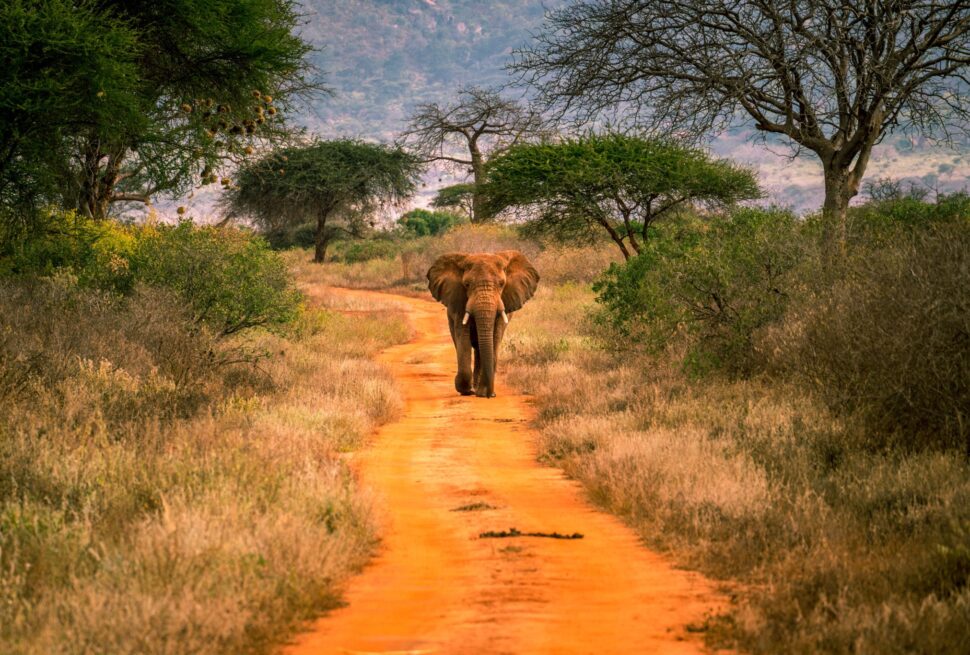
- Elephants
- Buffaloes
- Hyenas
- Giraffes
- Zebras
- Topis
- Elands
- Warthogs
The abundance of resident prey species helps sustain stable predator populations across the conservancy. Even during quieter tourism seasons, wildlife activity remains consistently high because the ecosystem supports permanent grazing and hunting territories.
For travelers seeking reliable game viewing without peak-season congestion, this is one of the greatest advantages of choosing a Lemek Conservancy safari.
Resident Big Cats: Predator Encounters in Quiet Settings
Lemek Conservancy has developed a strong reputation for big cat sightings, particularly lions and cheetahs. The open terrain allows predators to hunt efficiently while also giving safari guests excellent visibility during game drives. Lion prides frequently patrol the grasslands, often resting beneath scattered acacia trees during hotter hours before becoming active again in the evening.
Cheetahs thrive in the conservancy’s open plains because visibility helps them detect prey from long distances. Morning game drives often provide opportunities to observe hunting behavior in relatively undisturbed conditions. Leopards, while more elusive, inhabit wooded river systems and thicker vegetation areas within the conservancy.
A Lemek Conservancy safari stands out because sightings usually occur without large clusters of vehicles surrounding the animals. This creates a calmer environment for both wildlife and visitors. For photographers, these quieter conditions allow for cleaner compositions, longer observation times, and more natural animal behavior.
Large Herbivore Herds Across the Conservancy
The health of the predator population in Lemek is closely linked to its thriving herbivore communities. The conservancy supports substantial numbers of grazing animals throughout the year, particularly zebras, wildebeest, impalas, and buffaloes.
During certain periods, seasonal wildlife movements from surrounding areas further increase game density. A Lemek Conservancy safari often includes dramatic scenes of mixed-species grazing herds spread across expansive plains, creating the classic East African safari imagery many travelers envision. Elephants also move through the conservancy regularly, especially near water sources and woodland habitats. Because tourism density is lower than in central reserve zones, wildlife movement patterns often appear more relaxed and natural.
Flexible Safari Operations
One of the major advantages of a Lemek Conservancy safari is operational flexibility. Unlike the Maasai Mara National Reserve, conservancy regulations often allow activities that provide a deeper and more personalized safari experience.
These may include:
- Night game drives
- Guided bush walks
- Sundowner experiences
- Off-road wildlife tracking
- Private photography sessions
This flexibility creates opportunities for travelers to experience wildlife beyond standard daytime game drives.
Luxury safari guests increasingly value these customized experiences because they feel more immersive and less structured than conventional tourism models.
Night Game Viewing: Discovering the Nocturnal Mara
Night drives are one of the most exciting aspects of a Lemek Conservancy safari.
After sunset, the conservancy transforms completely as nocturnal species emerge across the plains.
Guides use filtered spotlights to locate animals while minimizing disturbance. Guests may encounter:
- Hyenas hunting
- Genets moving through trees
- Bush babies leaping between branches
- Porcupines crossing tracks
- Lions becoming active after dark
Nocturnal predator behavior is dramatically different from daytime activity, making night drives particularly rewarding for repeat safari travelers. Because night drives are restricted or prohibited in many national parks, this experience gives Lemek a distinctive advantage within Kenya’s luxury safari market.
Off-Road Photography Access
For wildlife photographers, a Lemek Conservancy safari provides opportunities rarely possible in high-traffic safari areas. In many conservancy zones, guides can carefully maneuver off designated tracks when necessary for better wildlife viewing or photography angles. This allows photographers to position vehicles more effectively for lighting, composition, and background control.
Rather than being confined to crowded roadside sightings, guests can enjoy more creative and uninterrupted wildlife photography experiences. Combined with lower visitor numbers, this flexibility makes Lemek especially attractive to photographers seeking premium safari content.
Community Land Stewardship and Conservation
Lemek Conservancy operates through a community conservation model involving local Maasai landowners. Landowners lease their land for wildlife conservation and tourism activities, creating direct economic incentives to preserve habitats rather than convert them for agriculture or settlement.
This approach has become increasingly important across the Mara ecosystem, where balancing conservation and local livelihoods remains a long-term challenge. A Lemek Conservancy safari therefore supports not only tourism but also sustainable land management and wildlife protection.
By linking conservation success with community benefit, the conservancy model creates stronger long-term protection for critical ecosystems.
Local Landowner Benefits
Tourism revenue generated through Lemek Conservancy directly supports local Maasai families through lease payments, employment opportunities, and community development programs. Many conservancy staff members—including guides, trackers, hospitality teams, and security personnel—come from surrounding communities. This ensures that tourism income remains connected to local livelihoods. For guests on a Lemek Conservancy safari, this community-centered approach adds depth and authenticity to the experience Travelers are not simply visiting a wildlife destination—they are participating in a conservation system that actively supports local communities.
Eco-Tourism Fee Distribution and Sustainability
Conservation fees paid by safari guests contribute toward:
- Wildlife monitoring
- Habitat protection
- Ranger patrols
- Community education programs
- Infrastructure improvements
This eco-tourism funding model helps maintain the ecological health of the conservancy while reducing pressure on wildlife habitats. A Lemek Conservancy safari therefore represents a more sustainable tourism option compared to mass-market safari operations that prioritize visitor volume over ecological balance. As global travelers increasingly prioritize responsible tourism, conservancies like Lemek continue gaining importance within East Africa’s safari industry.
Camps and Lodge Options
Accommodation during a Lemek Conservancy safari ranges from luxury tented camps to intimate eco-lodges designed to blend into the surrounding landscape.
Most properties emphasize:
- Low guest numbers
- Personalized service
- Open-air dining
- Bush-facing suites
- Sustainable architecture
Luxury camps often provide private game drives, dedicated guides, and customized itineraries tailored to guest interests. Because accommodation density remains intentionally low, the safari experience feels more secluded and peaceful compared to busier safari hubs. Evenings typically include campfire gatherings, traditional Maasai storytelling, and uninterrupted views of the African night sky.
Accessibility from Nairobi
Reaching Lemek Conservancy is relatively straightforward for international and domestic travelers.
Most visitors access the conservancy through:
- Scheduled Flights
Small aircraft flights from Nairobi to nearby Mara airstrips typically take about one hour, followed by a short game-drive transfer to camp.
- Road Transfers
Travelers can also drive from Nairobi, though journeys usually take between five and six hours depending on road conditions and weather.
Many safari operators combine a Lemek Conservancy safari with visits to neighboring conservancies or the Maasai Mara National Reserve for a broader ecosystem experience.
Why Lemek Conservancy Is Ideal for Luxury Safari Travelers
As safari preferences continue evolving, many travelers now prioritize exclusivity, sustainability, and meaningful wildlife experiences over crowded tourism hotspots.
A Lemek Conservancy safari aligns perfectly with these expectations by offering:
- Lower vehicle density
- Excellent predator sightings
- Flexible safari activities
- Scenic untamed landscapes
- Community-led conservation
- Personalized luxury accommodation
This combination creates a safari atmosphere that feels both adventurous and refined.
Rather than rushing between crowded sightings, guests experience the Mara at a slower and more immersive pace.
Conclusion
A Lemek Conservancy safari represents the quieter, wilder side of the Maasai Mara ecosystem. Its rolling landscapes, thriving resident wildlife, and community-centered conservation model create an experience that feels authentic and uncrowded—qualities increasingly difficult to find in globally famous safari destinations. For photographers, wildlife enthusiasts, and luxury travelers seeking deeper immersion in Kenya’s wilderness, Lemek Conservancy offers an exceptional alternative to mainstream safari circuits. As conservation-driven tourism continues shaping the future of East African travel, the Lemek Conservancy safari stands out as one of the most rewarding ways to experience the untamed beauty of the Mara in 2026.