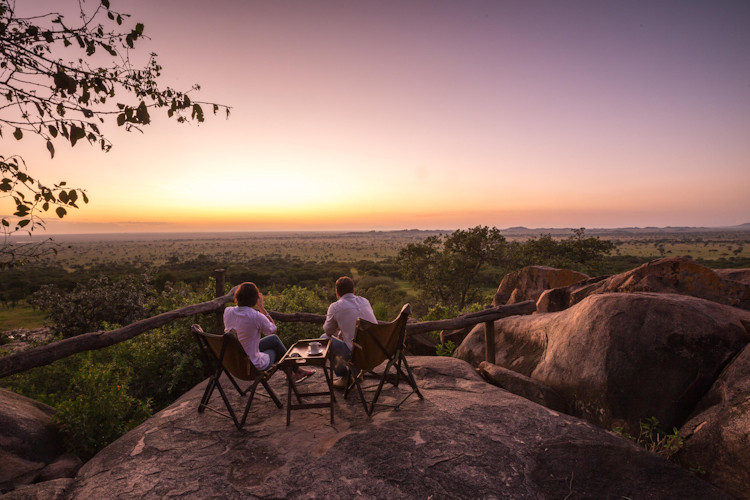
Traveling through Tanzania offers much more than spectacular wildlife safaris and breathtaking landscapes. While many travelers visit famous destinations like Serengeti National Park and Ngorongoro Conservation Area for unforgettable game drives, cultural experiences remain one of the country’s most meaningful hidden treasures.
Among the most fascinating cultural encounters available in East Africa is visiting the Maasai community, one of the continent’s most recognized indigenous groups known for preserving traditions that have survived for generations. For travelers seeking more meaningful connections, choosing an Ethical Maasai Village Cultural Tour Tanzania experience offers a chance to understand authentic traditions while directly supporting local communities.
However, not every cultural visit marketed to tourists is genuinely authentic. Some experiences focus heavily on staged performances created purely for entertainment rather than real cultural exchange.Understanding how to choose an ethical Maasai village Cultural Tour Tanzania allows travelers to avoid exploitative tourism while creating deeper and more respectful connections with local communities.
Why Cultural Tourism Matters Beyond Safari Experiences
For many travelers, Tanzania is immediately associated with wildlife.From watching lions hunt across open plains to witnessing elephant herds moving through remote landscapes, safari experiences dominate most travel itineraries.Yet cultural tourism offers a completely different perspective on the country.
Visiting indigenous communities provides an opportunity to understand local traditions, family structures, survival techniques, and ways of life shaped over centuries.This is where an ethical Maasai village cultural tour Tanzania becomes especially valuable.Unlike commercial tourism experiences focused only on entertainment, ethical cultural tourism prioritizes education, mutual respect, and community empowerment.
Ready to go? Book your customized safari instantly on WhatsApp — we'll take it from there.
 Book
BookInstantly on
The purpose should never simply be observing local communities as tourist attractions.Instead, travelers should approach these visits as opportunities for learning and cultural understanding.This philosophy forms the foundation of respectful indigenous tourism, where communities control how their culture is shared while benefiting directly from tourism activity.Done properly, cultural tourism creates value for both visitors and local communities.
Identifying Ethically Run Maasai Bomas
One of the most important parts of choosing an authentic cultural experience is understanding how to identify ethically managed villages.Traditional Maasai settlements, commonly known as bomas, consist of family compounds built from natural materials and arranged within enclosed protective fencing for livestock.Not every tourist-accessible boma offers a genuine experience.When booking an ethical Maasai village cultural tour Tanzania, travelers should pay attention to how the visit is organized.
Ethically run bomas often have several characteristics:
- Managed directly by Maasai community members
- Transparent explanations about how tourism revenue is distributed
- Educational focus rather than purely staged entertainment
- Opportunities for genuine conversation with local families
- Cultural experiences integrated naturally into daily life
One useful factor to examine involves boma community visit fees.Authentic operators clearly explain how boma community visit fees directly benefit families living within the community.If tour guides cannot explain how the money is distributed, visitors should question whether the experience genuinely supports the village itself.Transparency matters when choosing responsible tourism experiences.
Understanding Where Entry Fees Actually Go
One major concern surrounding cultural tourism involves financial accountability.Many tourists pay entry fees without fully understanding who actually receives the money.This makes understanding boma community visit fees extremely importantIn well-managed communities, tourism income often supports projects that improve daily life for local residents.
Common uses of boma community visit fees include:
- School fees for local children
- Medical support programs
- Community water access projects
- Livestock health services
- Women-led economic development programs
Some villages also reinvest tourism income into training younger generations in traditional skills and cultural education.Choosing an ethical Maasai village cultural tour Tanzania helps ensure tourism revenue remains inside the community rather than benefiting outside tour operators alone.Travelers should feel comfortable asking direct questions about how local communities benefit financially.Responsible tourism depends heavily on financial transparency.
Practicing Respectful Indigenous Tourism
One of the biggest mistakes visitors make during cultural visits is approaching indigenous communities as entertainment experiences.
Cultural tourism requires respect.
When visiting Maasai communities, travelers should understand that they are entering real living communities rather than performance spaces created exclusively for tourism.This is where respectful indigenous tourism becomes essential.Visitors should prioritize learning rather than simply observing.
Good cultural etiquette includes:
- Listening carefully when community members explain traditions
- Asking respectful questions about customs and daily life
- Avoiding insensitive jokes or assumptions
- Dressing modestly during community visits
- Following instructions given by local guides
Strong respectful indigenous tourism encourages genuine connection between visitors and local communities.The purpose should always be cultural understanding rather than simply collecting social media contentChoosing an ethical Maasai village cultural tour Tanzania ensures the experience prioritizes dignity and mutual respect over commercial tourism.Responsible visitors create more meaningful interactions.
Photography Etiquette and Asking Permission
Photography often creates uncomfortable situations during cultural tourism when visitors begin taking pictures without permission.Many travelers automatically assume photography is acceptable everywhere, but this can feel intrusive to local communities.During an ethical Maasai village cultural tour Tanzania, photography etiquette becomes extremely important.Before taking photographs, visitors should always ask permission.Certain individuals, especially elders or children, may not feel comfortable being photographed.
Basic photography etiquette includes:
- Always requesting permission before photographing people
- Respecting areas where photography may be restricted
- Avoiding interrupting conversations simply to take photos
- Not treating community members as photo opportunities only
- Remaining engaged in the experience instead of focusing entirely on content creation
The principles of respectful indigenous tourism place human interaction above photography.Travelers should remember that these are people sharing their daily lives and traditions.Respect should always come before the camera.Authentic connection matters more than capturing the perfect photo.
Understanding the Traditional Maasai Jumping Dance
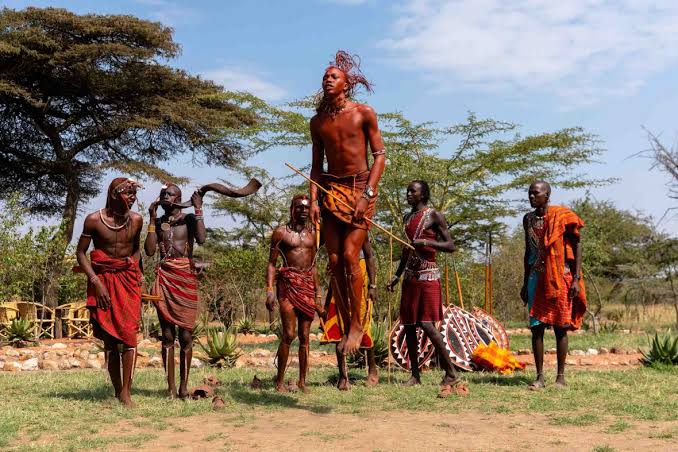
One of the most recognizable symbols of Maasai culture is the famous traditional Maasai jumping dance.
Known locally as Adumu, this ceremonial dance traditionally involves young Maasai warriors gathering together while individuals take turns jumping vertically as high as possible.The traditional Maasai jumping dance symbolizes strength, endurance, discipline, and warrior identity within Maasai culture.Many authentic village visits include opportunities for travelers to observe this tradition and learn its cultural meaning.
Unfortunately, some tourism-focused villages repeat performances solely for entertainment without offering deeper explanation.A genuine ethical Maasai village cultural tour Tanzania provides important cultural context behind traditions instead of reducing them to staged performances.Understanding the history behind the traditional Maasai jumping dance allows travelers to appreciate its deeper significance within community life.The experience becomes far more meaningful when visitors understand what the tradition truly represents.
Learning Traditional Survival Skills from the Maasai
One of the most fascinating aspects of visiting Maasai communities is learning practical survival skills developed over generations.The Maasai have lived successfully in East Africa’s challenging environments for centuries while maintaining strong knowledge of livestock management, nature, and environmental adaptation.Authentic cultural tours often allow visitors to learn directly from community members.
Travelers may discover traditional knowledge involving:
- Identifying medicinal plants
- Building protective shelters using natural materials
- Traditional fire-making methods
- Spear-making techniques
- Livestock herding practices
- Understanding local wildlife behavior
A true ethical Maasai village cultural tour Tanzania focuses on knowledge exchange rather than superficial tourist entertainment.Learning directly from local communities helps travelers understand the resilience and deep environmental understanding developed through generations of indigenous experience.This often becomes one of the most rewarding parts of the cultural visit.Authentic learning creates far stronger memories than passive sightseeing.
Supporting Cultural Preservation Projects
Modernization continues changing many indigenous communities around the world.Tourism, when managed responsibly, can help communities preserve traditions while creating economic stability.Many Maasai communities now invest tourism income into valuable cultural preservation projects designed to protect traditional knowledge for future generations.
Examples of important cultural preservation projects include:
- Teaching Maasai language to younger generations
- Protecting traditional ceremonies and rituals
- Supporting women-led beadwork cooperatives
- Community education programs
- Preserving livestock-based traditional lifestyles
Responsible tourism plays an important role in helping communities preserve cultural identity while adapting economically to modern realities.Supporting an ethical Maasai village cultural tour Tanzania allows visitors to contribute directly toward these important long-term preservation efforts.Tourism can become a powerful tool for cultural survival when handled responsibly.Travelers have more impact than they often realize.
Conclusion
Visiting a Maasai village can become one of the most meaningful experiences travelers have while exploring Tanzania.
However, authenticity matters.Choosing an ethical Maasai village cultural tour Tanzania allows travelers to experience genuine cultural exchange while ensuring tourism directly benefits local communities.
By understanding boma community visit fees, practicing respectful indigenous tourism, appreciating the meaning behind the traditional Maasai jumping dance, and supporting valuable cultural preservation projects, visitors help create tourism models that respect culture instead of exploiting it.The best travel experiences often come from understanding people rather than simply seeing places.
Tanzania offers incredible wildlife, beautiful landscapes, and unforgettable adventures.But sometimes the most powerful memories come from genuine human connection.And few experiences offer that more deeply than spending time with the Maasai community in an authentic and respectful way.