Botswana in February is the heart of the green season: hot days, short afternoon storms, lush grass and thousands of zebra grazing the Nxai Pan and Makgadikgadi grasslands. It suits travellers who want newborn animals, superb birding, dramatic skies and lower lodge rates, and who do not mind some rain and more widely spread game.
The catch is that February rewards a different route from the classic winter safari. Go to the wrong area and you may see fewer animals than you hoped; go to the right one and you share a migration with very few other vehicles. Below we cover the weather, where the herds are, which regions to combine, what it costs and how to plan the trip.

Photo by Hans-Jurgen Mager on Unsplash
Quick Facts
- Season: green season (the summer rains), with storms most often in the afternoon
- Weather in Maun: about 32°C by day and 19°C at night, roughly 104 mm of rain (long-term averages, checked November 2026)
- Best regions: Nxai Pan, the Makgadikgadi Pans, the Central Kalahari and the Moremi and Khwai area
- Wildlife highlight: zebra herds on the pans, young antelope, active predators and migrant birds
- Park fee: P270 per non-resident adult per day in Chobe and Moremi (checked November 2026)
- Prices: green-season lodge rates, usually well below the July to October peak
- Ideal trip: 7-10 nights combining a pans or Kalahari stop with the Okavango or Khwai
Is Botswana in February a Good Time for a Safari?
Botswana in February is a good time for a safari if you choose the dry-country regions that come alive in the rains. The pans and Kalahari are at their best, prices are lower and camps are quiet. It is weaker for dense herds along the Chobe River or in the delta, where animals disperse once water is everywhere.
Ready to go? Book your customized safari instantly on WhatsApp — we'll take it from there.

Instantly on
Think of the country as two systems running on opposite clocks. The Okavango and Chobe rely on permanent water, so they are busiest with wildlife late in the dry season, when everything else has dried up. The pans and the Kalahari depend on rain, so they are empty for much of the year and then fill with grazers once the summer storms turn the grass green. February falls squarely in the second window.
Who Botswana in February suits, and who should wait
Botswana in February suits photographers who like stormy light, keen birders, repeat visitors who have already seen the delta in winter, and anyone who would rather pay less and share sightings with fewer vehicles. Honeymooners often like it too, because the scenery is at its most romantic and camps feel private.
If this is your first African safari and you want the highest chance of big herds at close range, the dry months are easier; our guide to the best time to visit Botswana lays out the whole year. Travellers who mind heat or humidity may also prefer the cooler months.
What Is the Weather Like in February?
Botswana in February is hot and humid, with roughly 11 rainy days and about 104 mm of rain in Maun. Days reach about 32°C, nights drop to around 19°C, and there are still about eight hours of sunshine a day (long-term averages, checked November 2026). Rain mostly falls in short afternoon storms.
In practice, most February days start clear and bright, which is ideal for early game drives. Clouds build after lunch, a storm may roll through in the late afternoon, and the evening is often fresh and washed clean. Some days of Botswana in February are grey and drizzly, and some weeks are drier than others, because the rains vary from year to year.
For Botswana in February, the rain matters more for access than for comfort. The Central Kalahari’s sandy tracks generally cope well, but the clay soils around the pans and parts of Chobe and Savuti can turn to deep mud after a downpour. That is one reason we prefer fly-in camps or experienced guides with sturdy vehicles at this time of year, rather than a self-drive itinerary.
Where Are the Zebra Herds in February?
For Botswana in February, the zebra herds are usually on the grasslands of Nxai Pan National Park and the wider Makgadikgadi area in February. Around 20,000 zebra leave the Chobe floodplains with the first rains in November or December and reach Nxai Pan by about late January, staying until roughly March, when many give birth.

Photo by Chris Koelewijn on Unsplash
Researchers tracking collared zebra found a round trip of about 500 km between the Chobe River and Nxai Pan, then described as the longest recorded land migration in Africa. You can read the summary of that zebra migration study in the journal Oryx. A separate group of zebra and wildebeest moves between the Boteti River and the Makgadikgadi grasslands.
Botswana in February is a fine time to see them. The herds have settled, foals start to appear, and predators such as lions, cheetahs and hyenas follow the grazers onto the open plains. Springbok, red hartebeest, giraffe and elephant also use Nxai Pan, and the famous Baines’ Baobabs on the edge of Kudiakam Pan make a striking stop on the way in.
Flamingos on the Makgadikgadi
When good rains fill Sua Pan, lesser and greater flamingos can gather in very large numbers, especially around the 230 km² Nata Bird Sanctuary on the pan’s north-eastern edge. Numbers swing widely with the rainfall, so treat flamingos as a bonus rather than a promise, and expect slow, muddy roads near Nata after storms.
Which Parts of Botswana Work Best This Month?
The best regions for Botswana in February are Nxai Pan and the Makgadikgadi for zebra, the Central Kalahari for desert predators and springbok, and the Okavango or Khwai for lush scenery, birds and resident game. Chobe and Savuti can still reward you, but the riverfront herds of the dry season are mostly gone.

Photo: Divulge Adventures
| Region | What February is like | Best for |
|---|---|---|
| Nxai Pan and Makgadikgadi | Green grassland, resident zebra herds, storms on the horizon | Zebra migration, cheetah and lion on open plains, big skies |
| Central Kalahari | Fossil river valleys turn green, springbok and gemsbok gather | Black-maned Kalahari lions, cheetah, newborn antelope |
| Okavango Delta and Moremi | Lush and humid, flood still months away, game more spread out | Birding, predators, scenic flights, a calm and private feel |
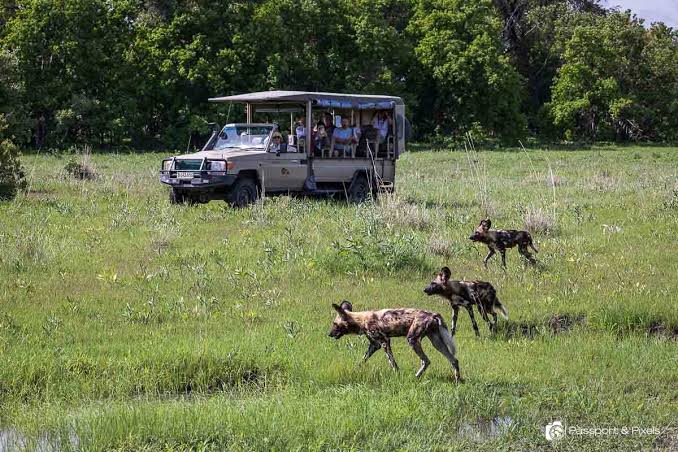
| Khwai | Riverine woodland and floodplain, rich resident wildlife | Night drives and walks (in the concession), leopard, wild dog |
| Chobe Riverfront and Savuti | Herds disperse inland, some tracks muddy | Boat cruises, birds, hippo and crocodile, an easy Victoria Falls add-on |
Many visitors arrive with the Okavango in mind, so it helps to know what to expect. The water you see in February is mostly rainwater and the remains of last year’s flood; the new floodwater from Angola reaches Botswana’s panhandle only between March and May and peaks around July. The delta in February looks gorgeous and green, but water-based activities depend on where your camp sits. Our Okavango Delta vs Chobe comparison explains the two areas in more depth.
For Chobe in particular, the green season brings excellent birding and quieter boat cruises, though the huge elephant gatherings of September and October will not be there. See our Chobe safari planning guide for the riverfront, Savuti and Linyanti areas month by month.
What Wildlife and Birds Can You Expect?
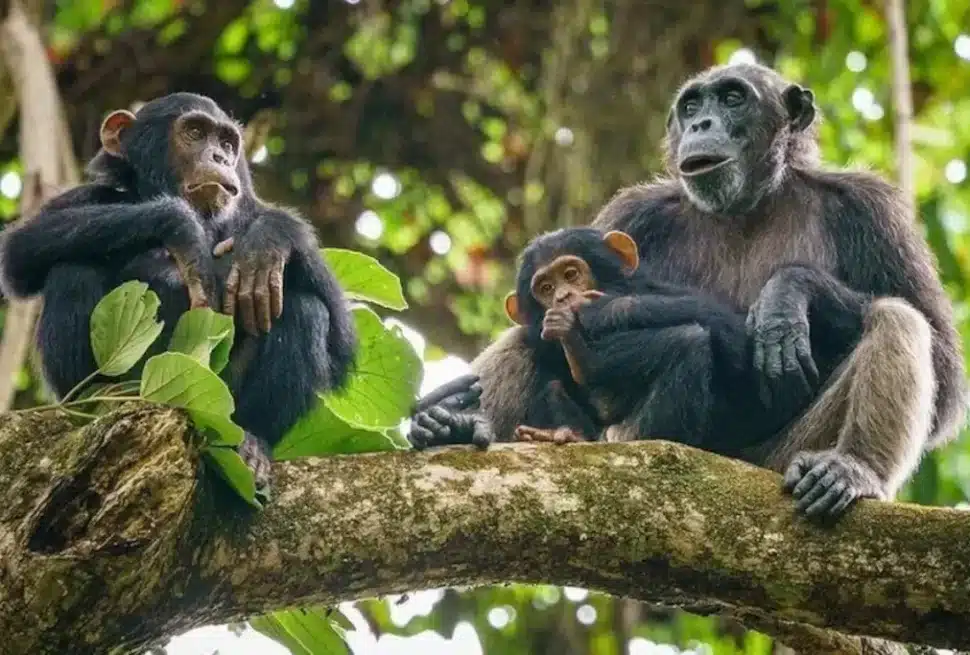
Botswana in February brings young animals, active predators and some of the best birding of the year. Impala, tsessebe and other antelope have recently dropped their young, the zebra are foaling on the pans, and lions, leopards, cheetahs and wild dogs take advantage. Game is more spread out than in winter, so a good guide matters more.

Photo: Divulge Adventures
In the Moremi and Khwai area, resident herds of elephant, buffalo, giraffe and antelope stay year-round, and the predators stay with them. Because the grass is long, sightings sometimes need more patience, but the absence of crowds means you can spend real time with an animal once you find it.
Birders arguably get the best of Botswana in February. Summer migrants from Europe and the rest of Africa are present, many resident species are breeding in bright plumage, and the delta’s waterbirds, raptors and bee-eaters are busy. Carmine bee-eaters, African skimmers and fish eagles are among the species visitors look out for.
Photography in the green season
Photographers often rate Botswana in February highly. Storm clouds give dramatic backdrops, the air is clearer than in the dusty late dry season, and green grass makes predators and zebra stand out. Bring a rain cover for your camera and a cloth for wiping lenses after showers.
How Much Does a Green-Season Safari Cost?
A safari in Botswana in February usually costs noticeably less than in the July to October peak, mostly because lodges and camps charge green-season rates. Park fees do not change by season: Chobe and Moremi charge P270 per non-resident adult per day, with children aged 8 to 15 at half price (checked November 2026).
The table below gives our rough estimates per person per day, sharing a room, including accommodation, meals, activities and park or concession fees but not international flights. They are estimates only; your exact dates, camps, transfers and group size will change the total.
| Style | Estimated cost per person per day | What you get |
|---|---|---|
| Guided mobile camping | US$250-450 | Shared or private camping safari with a guide, cook and 4×4, in national parks |
| Mid-range lodges and camps | US$500-900 | Permanent tented camps or lodges, road or short light-aircraft transfers |
| Premium fly-in camps | US$900-2,000+ | Private concessions, small camps, light-aircraft hops, night drives and walks |
Light-aircraft flights between camps add a significant amount, so routes that cluster camps in one area save money. The fee schedule increase planned for 1 April 2026 was postponed, so confirm current fees before you book, as they can change at short notice.
Availability is the other saving. Botswana in February is rarely sold out, so you have more choice of camps and can sometimes book a better property for the same budget. For a broader breakdown, our Botswana safari guide for first-timers covers costs across the year.
Plan a green-season Botswana safari
See our Botswana itineraries for the Okavango, Khwai, Chobe and the Kalahari, each tailor-made around your dates, budget and the wildlife you most want to see.
How to Plan a Route for Botswana in February
The best route for Botswana in February pairs a dry-country stop for the zebra or the Kalahari with a water or woodland stop for variety. Seven to ten nights is ideal: three on the pans or in the Kalahari, three or four in the Okavango, Moremi or Khwai, and one or two at Chobe or Victoria Falls.

Photo: Divulge Adventures
Maun is the natural hub, with direct flights from Johannesburg and light-aircraft links to the delta and the pans. Kasane serves Chobe and sits only about 80 km by road from Victoria Falls. A good sample route is Maun, then Nxai Pan or the Makgadikgadi, then a camp in Khwai or Moremi, finishing in Kasane for a Chobe River cruise.
If the desert appeals most, our 7-day Kalahari expedition heads into the Central Kalahari Game Reserve, where February’s green valleys draw springbok, gemsbok and their predators. For the classic wildlife areas, the 7-day Chobe, Khwai and Okavango safari links the riverfront with the delta’s edge, and we can add a pans stop for the zebra.
Visas, health and what to pack
Many visitors, including UK, US and EU passport holders, have generally been able to enter Botswana without a visa for tourism, but rules depend on nationality and can change, so check with Botswana’s immigration authorities or your nearest embassy. Northern Botswana carries a malaria risk, which rises in the rainy months that include Botswana in February; see NHS Fit for Travel advice for Botswana and a travel clinic well before you fly.
Pack light, quick-drying clothes in neutral colours, a light rain jacket, a warm layer for open-vehicle drives at dawn, insect repellent, a hat and sunscreen. Soft bags are essential for light aircraft. Conditions in January are similar to Botswana in February, so our Botswana in January guide is a useful companion read.
Insider Tips
- Book the pans first: Small camps near Nxai Pan and the Makgadikgadi have few rooms, so secure those dates before the rest of the route
- Drive early: Mornings are usually clear and cooler, so start game drives at first light and rest through the hottest hours
- Ask about water activities: Ask your Okavango camp whether mokoro or boat trips run in February before you book
- Fly rather than drive: Light aircraft avoid muddy roads and save long transfers between regions
- Pack for storms: A light rain jacket and a dry bag for your camera make afternoon showers easy to enjoy
- Take malaria advice seriously: Seek travel-clinic advice well before departure, as the rains bring more mosquitoes
Let us plan your safari
Tell us your dates, budget and dream sightings, and our Nairobi team will send you a free tailor-made itinerary and quote.
Frequently Asked Questions
Is February a good month to visit Botswana?
Yes, Botswana in February is good for green landscapes, newborn animals, zebra herds on the Nxai Pan and Makgadikgadi grasslands, excellent birding and lower rates. It is a poorer choice for first-timers wanting dry-season density in the Okavango and Chobe, which peaks from about June to October.
How much does it rain in Botswana in February?
Botswana in February is wet but not washed out. Maun averages about 104 mm of rain over roughly 11 rainy days, usually as afternoon or evening thunderstorms, with around eight hours of sunshine a day (long-term averages, checked November 2026). Mornings are often clear, which suits early game drives.
Where is the zebra migration in Botswana in February?
In February the zebra migration is usually on the grasslands of Nxai Pan National Park and the wider Makgadikgadi area. Herds leave the Chobe floodplains with the first rains in November or December, arrive by late January and typically stay until around March, when many foal before heading back north.
Can you do a mokoro trip in the Okavango Delta in February?
Often yes, but it depends on the camp. Botswana in February sits before the annual flood, which only reaches the panhandle between March and May, so water is lower than in winter. Camps on permanent channels usually still offer mokoro outings, while seasonal areas may switch to boat, walking or drive activities.
Is Botswana cheaper in February?
Botswana is generally cheaper in February than in the July to October peak, because most lodges and camps charge green-season rates from about December to March. Park fees stay the same, at P270 per non-resident adult per day in Chobe and Moremi (checked November 2026), so the saving comes mainly from accommodation and easier availability.
Final Thoughts
Botswana in February is for travellers who would trade a little rain for green plains, foaling zebra, active predators, superb birds and quieter, better-value camps. Build the trip around the pans or the Kalahari, add the Okavango or Khwai for contrast, and fly between regions to stay clear of the mud.
If that sounds like your kind of safari, send us your dates and we will suggest the camps that fit Botswana in February, while rooms are still easy to find.
Wondering whether February suits your Botswana trip?
Chat with a Divulge Adventures safari consultant on WhatsApp for honest advice, a quick answer and a quote built around you.