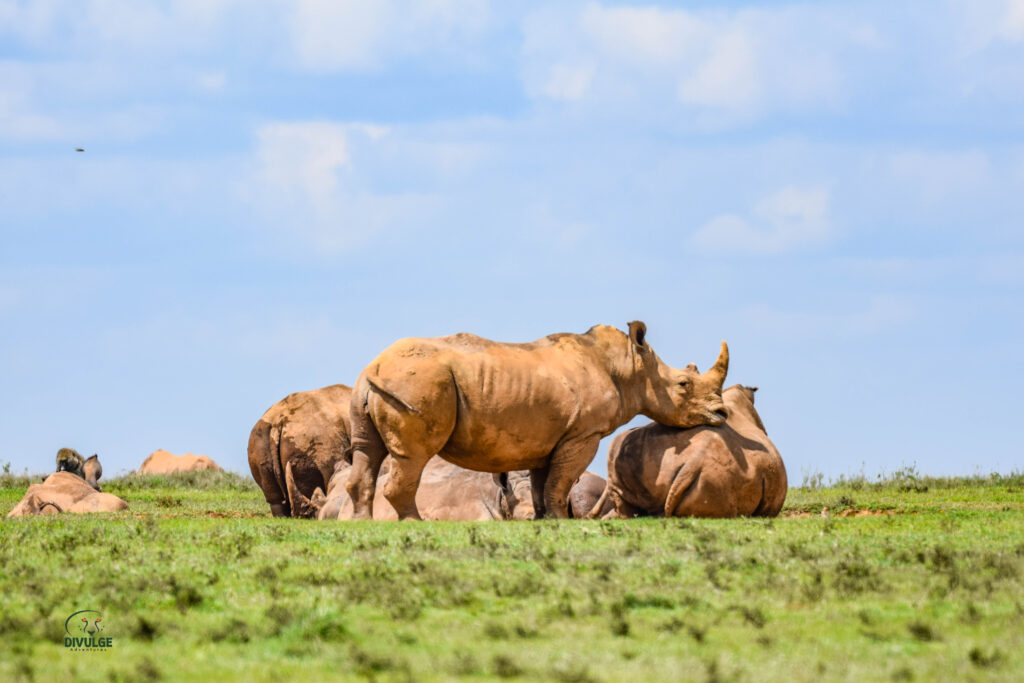
Ruaha National Park: Tanzania’s Wild and Untamed Safari Frontier
Ruaha National Park is one of Tanzania’s most remote, wild, and breathtaking safari destinations. Often described as Africa’s best-kept secret, Ruaha offers an authentic wilderness experience far away from crowds, where nature remains raw, untouched, and deeply powerful.
Located in central Tanzania, Ruaha is the largest national park in the country and one of the biggest in East Africa. Despite its size and incredible wildlife diversity, it remains less visited than famous parks like Serengeti or Ngorongoro, making it a dream destination for travelers seeking exclusivity, adventure, and true wilderness.
From massive elephant herds and large prides of lions to dramatic river landscapes and ancient baobab forests, Ruaha National Park delivers a safari experience that feels wild, personal, and unforgettable.
This guide explores everything you need to know about Ruaha National Park, including its wildlife, landscapes, safari experiences, accommodation, best time to visit, and why it is considered one of Africa’s most underrated safari gems.
Where is Ruaha National Park?
Ruaha National Park is located in south-central Tanzania, within the Iringa Region. It lies along the Great Ruaha River, which is the park’s most important water source and a lifeline for wildlife, especially during the dry season.Covering approximately 20,000 square kilometers, Ruaha is Tanzania’s largest national park and forms part of the wider Ruaha-Rungwa ecosystem, which connects several protected areas and wildlife reserves.
Unlike northern Tanzania parks that are easily accessed through Arusha, Ruaha is more remote. Most visitors reach the park via domestic flights from Dar es Salaam, Arusha, or Zanzibar to airstrips inside or near the park. This remoteness is part of what makes Ruaha so special,it remains untouched and less commercialized compared to more popular safari circuits.
Why Ruaha National Park is Famous
Ruaha National Park is famous for its raw wilderness and exceptional wildlife diversity. It is one of the few places in Africa where visitors can experience true solitude in nature.
The park is best known for:
- Huge elephant populations
- Large prides of lions
- Wild and untouched landscapes
- Rare and endangered species
- Dramatic river ecosystems
- Low tourist density
Ruaha offers one of the most authentic safari experiences in Africa, where you can drive for long distances without seeing another vehicle.
Wildlife in Ruaha National Park
Ruaha is a wildlife-rich paradise, home to both common and rare species. Its varied ecosystems support a high concentration of predators and herbivores.
- Elephants of Ruaha
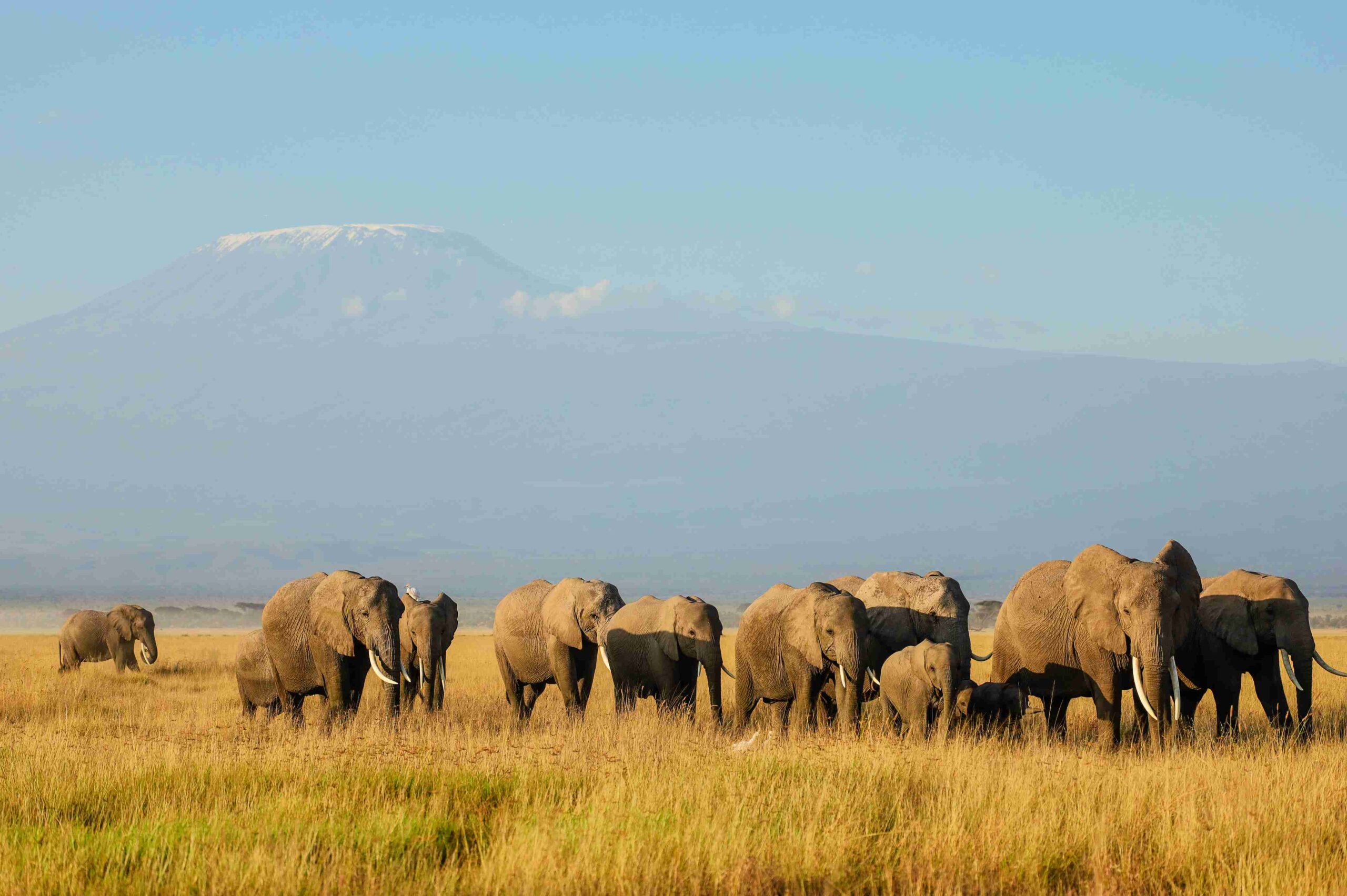
Ruaha is famous for its large elephant population, estimated to be one of the biggest in East Africa. Elephants are often seen in large herds moving across dry riverbeds, digging for water, or gathering under baobab trees. Their presence dominates the landscape and creates unforgettable safari scenes.
- Lions and Big Cats
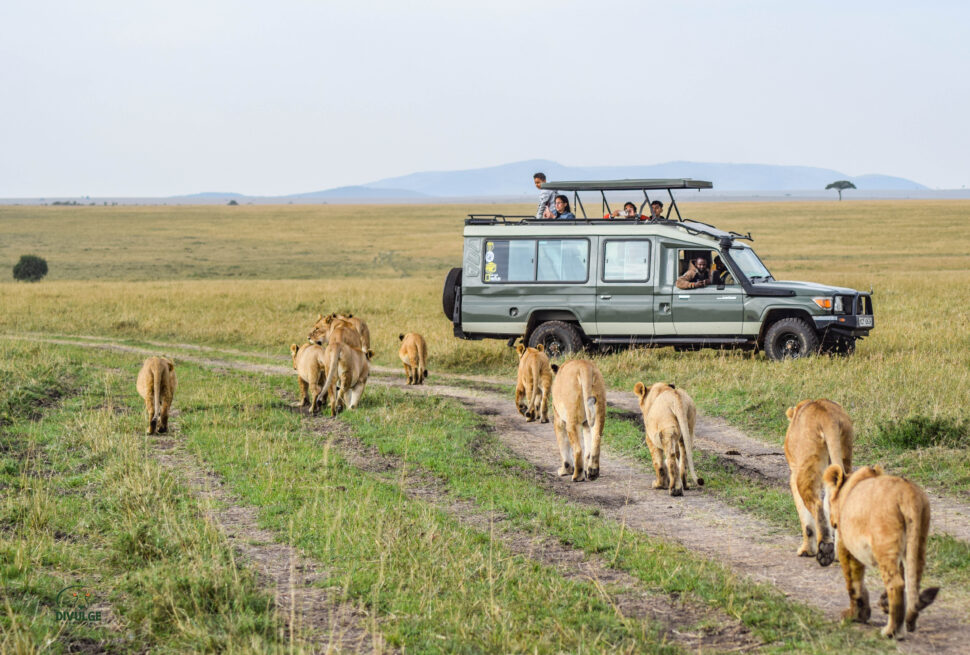
Ruaha is one of the best places in Africa to see lions in their natural environment. The park has a high density of lion prides, some of which are known for hunting large prey such as buffalo.
Other predators include:
- Leopards
- Cheetahs
- Wild dogs (rare but present)
- Spotted hyenas
Seeing predators in Ruaha feels more natural and less crowded compared to busier parks.
Other Wildlife Species
Ruaha is home to a wide variety of animals, including:
- Buffaloes
- Giraffes
- Zebras
- Impalas
- Kudu (greater and lesser)
- Elands
- Warthogs
- Hippos
- Crocodiles
The park is especially known for its large kudu population, which is less commonly seen in northern Tanzania parks.
Birdlife in Ruaha National Park
Ruaha is a paradise for birdwatchers, with over 570 recorded bird species.
Bird species include:
- Fish eagles
- Hornbills
- Kingfishers
- Bee-eaters
- Storks
- Secretary birds
- Vultures
- Migratory birds (seasonal)
The combination of river systems, woodlands, and savannah makes Ruaha one of Tanzania’s top birding destinations.
The Great Ruaha River: Lifeline of the Park
The Great Ruaha River is the heart of the ecosystem. It provides water for wildlife during the dry season and attracts large concentrations of animals along its banks. During dry months, elephants, buffaloes, antelopes, and predators gather around shrinking water sources, creating dramatic wildlife interactions. The river also supports hippos and crocodiles, making it a key focal point for safari game drives.
Landscapes of Ruaha National Park
Ruaha’s landscapes are wild, rugged, and incredibly diverse. The park features:
- Vast open savannahs
- Rocky hills and escarpments
- Ancient baobab forests
- Dry riverbeds
- Riverine woodlands
- Seasonal wetlands
The combination of these landscapes creates a dramatic and untouched wilderness atmosphere. Baobab trees are especially iconic in Ruaha, often standing alone or in clusters across the plains, giving the park a timeless African feel.
Best Time to Visit Ruaha National Park
Ruaha offers excellent wildlife viewing throughout the year, but the experience changes with the seasons.
- Dry Season (June to October)
This is the best time to visit Ruaha National Park.
Advantages include:
- Wildlife gathers around water sources
- Excellent predator sightings
- Clear skies and sunny weather
- Easier game viewing
- High animal concentration along the river
This season is ideal for photography and classic safari experiences.
- Green Season (November to May)
The green season transforms Ruaha into a lush and vibrant wilderness.
Benefits include:
- Fewer tourists
- Beautiful green landscapes
- Excellent birdwatching
- Dramatic skies and photography conditions
- Lower accommodation prices
Although wildlife disperses more, the scenery becomes extremely beautiful.
Safari Experiences in Ruaha National Park
Ruaha offers a variety of safari experiences that focus on immersion in nature.
- Game Drives
Game drives are the main activity in Ruaha. Because the park is vast and less crowded, game drives often feel private and exclusive.
Visitors may experience:
- Lions hunting in open plains
- Elephants crossing dry riverbeds
- Leopards resting in trees
- Large buffalo herds moving across savannah
- Dramatic predator-prey interactions
Each drive feels like a true wilderness adventure.
- Walking Safaris
Walking safaris in Ruaha offer a deeper connection to nature.
Guided walks allow visitors to explore:
- Animal tracks and signs
- Medicinal plants
- Insects and small wildlife
- Ecosystem relationships
It is an intimate and educational way to experience the bush.
- Fly Camping (Remote Camping)
One of Ruaha’s most unique experiences is fly camping, where travelers sleep in temporary mobile camps deep in the wilderness.
This experience offers:
- Complete immersion in nature
- Night sounds of the wild
- Simple bush setups under the stars
- Guided wilderness exploration
It is ideal for adventurous travelers.
Accommodation in Ruaha National Park
Ruaha offers a range of accommodation options, mainly focusing on eco-luxury and wilderness lodges.
- Luxury Safari Lodges
Luxury lodges in Ruaha provide comfort while maintaining a strong connection to nature.
Guests enjoy:
- Spacious tented suites
- River or bush views
- Fine dining experiences
- Swimming pools
- Private safari guides
These lodges are designed to blend into the natural environment.
- Mid-Range Camps
Mid-range camps offer comfortable stays with good service and excellent access to wildlife areas. They are ideal for travelers seeking a balance between comfort and affordability.
- Budget Options
Budget accommodations are limited due to the park’s remoteness but can be found in surrounding areas. These options are suitable for adventurous travelers on a tighter budget.
Photography in Ruaha National Park
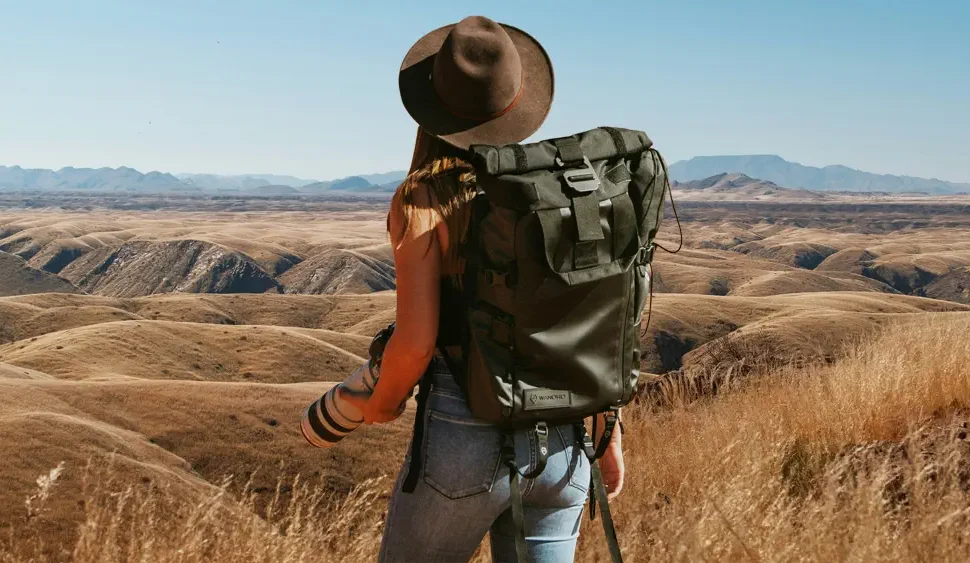
Ruaha is a dream destination for wildlife photographers.
Popular subjects include:
- Elephant herds in golden light
- Lions on rocky outcrops
- Baobab trees against dramatic skies
- River crossings
- Predator action scenes
The park’s remoteness means fewer vehicles, allowing uninterrupted photography opportunities.
Conservation in Ruaha National Park
Ruaha plays a crucial role in Tanzania’s conservation efforts.
Key initiatives include:
- Protecting elephant populations
- Anti-poaching patrols
- Habitat preservation
- Community conservation programs
- Sustainable tourism development
Because the park is part of a larger ecosystem, conservation efforts extend beyond its borders.
Combining Ruaha with Other Destinations
Ruaha is often combined with southern Tanzania parks such as:
- Nyerere National Park (Selous)
- Mikumi National Park
- Udzungwa Mountains National Park
- Zanzibar beaches
A Ruaha and Zanzibar combination offers both wilderness adventure and coastal relaxation.
Travel Tips for Visiting Ruaha
Here are some helpful tips for your trip:
- Pack light, neutral-colored clothing
- Bring binoculars for wildlife spotting
- Carry a good camera with zoom lens
- Expect long, scenic drives
- Prepare for remote safari conditions
- Book flights and lodges early
Why Ruaha National Park Should Be on Your Bucket List
Ruaha National Park is not just another safari destination , it is one of the last true wilderness areas in Africa where nature still feels raw, untouched, and deeply authentic. Unlike more crowded parks, Ruaha offers a rare sense of solitude, where you can explore vast landscapes without seeing many other safari vehicles, allowing every wildlife encounter to feel personal and unforgettable.
What makes Ruaha truly special is its incredible balance of beauty, diversity, and exclusivity. From massive elephant herds and powerful lion prides to dramatic baobab-dotted landscapes and the life-giving Great Ruaha River, the park delivers a safari experience that feels both dramatic and peaceful at the same time.
It is also a dream destination for travelers who want something different from the usual safari circuit. Whether you are a wildlife enthusiast, photographer, adventure seeker, or someone simply looking to disconnect from busy life, Ruaha gives you a deeper connection to nature in its purest form. In short, Ruaha National Park deserves a place on your bucket list because it offers what few destinations still can true wilderness, unforgettable wildlife encounters, and the feeling of discovering Africa the way it once was.
Conclusion
Ruaha National Park is one of Tanzania’s most wild and untouched safari destinations. With its vast landscapes, abundant wildlife, and peaceful atmosphere, it offers a true escape into Africa’s wilderness.
For travelers seeking adventure, solitude, and authentic safari experiences away from crowds, Ruaha is an unforgettable destination that showcases nature in its purest form.