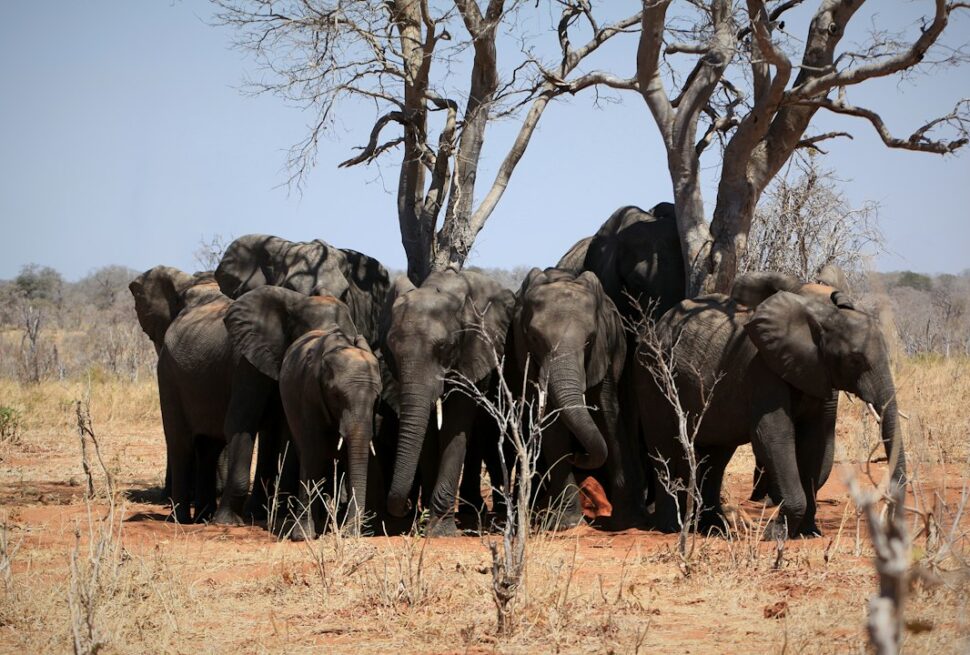
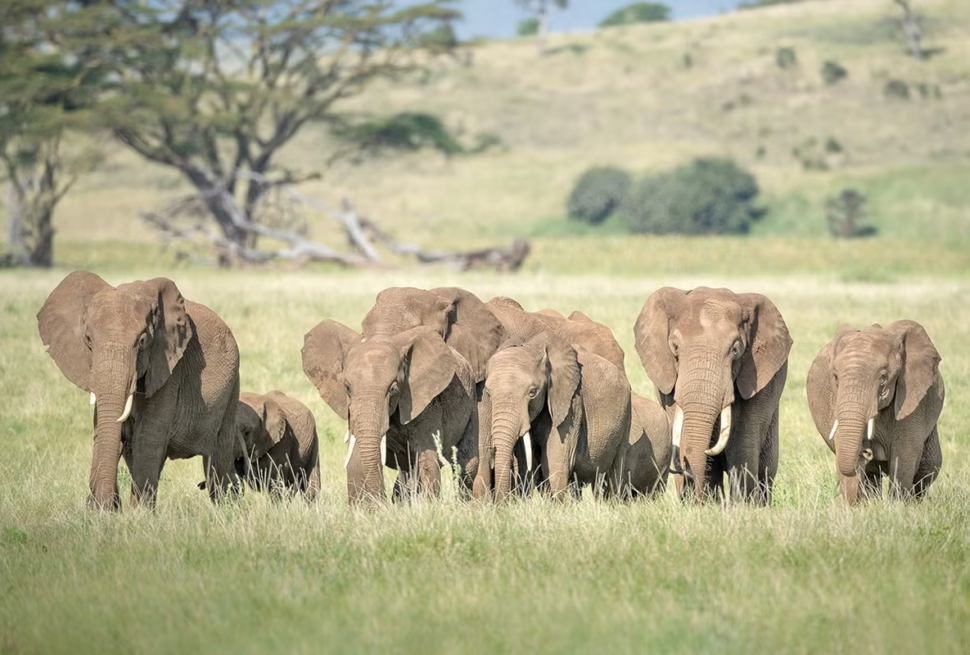
The best time to visit Botswana is the dry season from June to October, when the Okavango flood is high, rain is rare and wildlife crowds around permanent water in the Delta, Moremi and Chobe. If you want newborn animals, the zebra migration and lower prices instead, December to March in the Kalahari and the pans is the smarter choice.
That split is why Botswana confuses so many first-time planners: the water arrives in winter, the hottest month comes just before the rain, and the best month for one region can be the weakest for another. Below you will find a month-by-month calendar, the flood timeline explained in plain terms, which region shines when, and the honest trade-offs on heat, rain and price, so you can work out the best time to visit Botswana for what you actually want to see.

Photo: Divulge Adventures
Quick Facts
- Best time to visit Botswana: June to October (dry season), with August and September the sweet spot
- Peak flood: the Okavango usually peaks around July, months after Angola’s rains end
- Hottest month: October, when Maun averages about 34°C by day (climate averages checked October 2026)
- Green season: December to March: storms, lush grass, newborns, zebra herds and the lowest rates
- Best value: May, June and November, the shoulder months either side of peak season
- Main gateways: Maun for the Delta and Moremi, Kasane for Chobe
When Is the Best Time to Visit Botswana for a First Safari?
For a first safari, the best time to visit Botswana is August or September. The flood still fills the Okavango channels, rain is almost unknown, nights are no longer freezing and elephants gather in huge numbers on the Chobe riverfront. You get water activities and dry-season game drives on the same trip, which is the classic Botswana combination.
Ready to go? Book your customized safari instantly on WhatsApp — we'll take it from there.

Instantly on
If water is your priority, July is arguably the best time to visit Botswana: it offers the same conditions and the fullest water, but it is the busiest and most expensive month of the year. June is the quieter alternative: cold mornings around 8°C in Maun, but the flood is already spreading and many camps are still a little cheaper. If you are combining Botswana with Victoria Falls, the falls carry more spray earlier in the dry season, which is another reason some travellers lean towards June or July.
Our first-timer’s Botswana safari guide covers how the regions fit together; this post focuses on timing. The short version is that the best time to visit Botswana falls in one of two good seasons, and the right one depends on whether you want concentrated wildlife and water or green landscapes and fewer vehicles.
Botswana Month by Month: Weather, Wildlife and Crowds
Botswana’s weather runs on a simple pattern: almost no rain from May to September, building heat through September and October, and summer storms from November to March. The table below uses long-term averages for Maun, the gateway to the Okavango Delta (climate averages checked October 2026), so expect slight differences in Kasane and the Kalahari.
| Month | Maun weather (average) | What it suits |
|---|---|---|
| January | 33°C / 20°C, about 113 mm of rain | Nxai Pan and Makgadikgadi zebra herds, newborns, birding, lowest rates |
| February | 32°C / 19°C, about 104 mm | Green season at its lushest; Central Kalahari grazing herds |
| March | 31°C / 19°C, about 62 mm | Rains easing, zebras still on the pans, good-value shoulder month |
| April | 30°C / 16°C, about 26 mm | Clear skies return, flood entering the Panhandle, quieter camps |
| May | 28°C / 11°C, almost dry | Start of dry season, golden grass, strong value before peak rates |
| June | 25°C / 8°C, dry | Flood spreading through the Delta, cold mornings, fewer visitors than July |
| July | 26°C / 7°C, dry | Usual flood peak, mokoro season at its best, busiest month |
| August | 29°C / 10°C, dry | Excellent all-round game viewing, Chobe elephant herds building |
| September | 32°C / 15°C, dry | Thinning bush, predators around water, warm days |
| October | 34°C / 19°C, about 17 mm | Hottest month, huge concentrations at water, first storms possible |
| November | 34°C / 20°C, about 49 mm | First rains, migrant birds arrive, impala and tsessebe calving begins |
| December | 33°C / 20°C, about 86 mm | Zebras arrive on the pans, green season begins, festive demand at some camps |
Two things stand out in those numbers when you are working out the best time to visit Botswana. The dry months are genuinely dry, with June to August averaging close to zero rain, so game drives are rarely lost to weather. And the green season rain usually falls as short, heavy afternoon storms rather than all-day drizzle, which is why many safari regulars rate January and February so highly.
Why the Okavango Flood Peaks in the Dry Season
The Okavango Delta floods in Botswana’s dry winter because the water comes from Angola, not from local rain. Summer rains fall on the Angolan highlands from about November to March, then take roughly four months to travel south through Namibia. The pulse reaches the Panhandle around March to May and usually peaks across the Delta in July.

Photo: Divulge Adventures
Long-term averages show how dramatic the change is: visible open water in January and February covers roughly 500 to 700 km², while the July peak can exceed 7,000 km², about fourteen times more. The water then retreats from about September to November, so if the flood matters most to you, the best time to visit Botswana is roughly June to August. This flood is a big part of why the Delta is listed as a natural World Heritage Site; the UNESCO World Heritage listing for the Okavango Delta explains its importance.
The best time to visit Botswana for mokoro and boat trips
Mokoro (dugout canoe) excursions need water in the shallow channels, so they are most reliable from about May to September in the permanent and seasonal parts of the Delta. Deep-water camps can run motorboat trips all year, but land-based camps in Moremi may stop mokoro outings once the floodplains dry out. If gliding through the reeds is high on your list, the 3-day Okavango Delta mokoro tour is planned around exactly this kind of water.
Floods vary a lot between years. In a weak year the water may never reach Maun at all, as happened in 2021 when local officials reported that the expected June flood did not arrive. A good camp will tell you how the current flood is tracking, which can shift the best time to visit Botswana by a few weeks in either direction.
Which Part of Botswana Is Best in Which Month?
Each region of Botswana peaks at a different time, which is why the best time to visit Botswana depends on your route. The Delta and Chobe are strongest in the dry season, while the Makgadikgadi Pans, Nxai Pan and the Central Kalahari come alive with the rains. The table gives a quick guide before the detail.
| Region | Best months | Why |
|---|---|---|
| Okavango Delta (water camps) | May to September | Flood high, mokoro and boat trips, cooler weather |
| Moremi and Khwai | June to October | Predators and plains game concentrate near water, open floodplains |
| Chobe riverfront | August to October | Elephant numbers peak along the river, boat cruises at their best |
| Savuti and Linyanti | July to October | Dry-season predator action and elephants at permanent water |
| Nxai Pan and Makgadikgadi | December to March | Zebra migration, fresh grazing, newborns and their predators |
| Central Kalahari | December to April | Green Deception Valley grasslands draw springbok, oryx and lions |
Chobe National Park
For Chobe’s riverfront near Kasane, the best time to visit Botswana is late in the dry season. Elephant numbers build from May and usually peak between August and October, when the river is the only reliable water for a vast area and herds come down to drink and swim every afternoon. A boat cruise at that time of year is one of Africa’s great wildlife experiences.

Photo by Ed Wingate on Unsplash
Chobe works in the green season too, with lush floodplains, fewer vehicles and good birding, but game is far more spread out. Our Okavango Delta vs Chobe comparison goes deeper into how these two areas differ.
The Makgadikgadi Pans, Nxai Pan and the Central Kalahari
For the salt pans and the Kalahari, the best time to visit Botswana is the rainy season, because these areas run on the opposite calendar. Once the rains arrive, the grass turns green, the pans hold shallow water and grazers move in, followed by lions and cheetahs. In the dry months these areas still offer meerkats, desert scenery and solitude, but the big herds have moved on.
Is the Dry Season or the Green Season Better in Botswana?
The dry season is better in Botswana if you want the most reliable game viewing and the full Okavango flood; the green season is better if you want lower prices, newborn animals, migrant birds and far fewer vehicles. Neither is a bad choice, and the best time to visit Botswana for you depends on which trade-offs suit you.
The dry season (May to October)
From May to October the bush thins, waterholes shrink and animals have to come to the rivers, lagoons and the flooded Delta. That makes sightings easier and more predictable, which is why first-timers usually find this the best time to visit Botswana. The downsides are cost and, at either end, temperature: June and July mornings in open vehicles can be close to freezing, while October afternoons are fierce.
The green season (November to April)
From November the first rains bring a burst of new life. Impala, tsessebe and wildebeest drop their young, predators follow the calves, and summer migrant birds arrive from Europe and the rest of Africa. Many camps move to low-season rates, so the same lodge can cost noticeably less than in August, and for photographers and birders this is often the best time to visit Botswana. We cover the wettest months in detail in what Botswana is like in December and in our guide to Botswana in January.

Photo: Divulge Adventures
The catch is that the Delta’s water is low in the green season, so mokoro trips are limited, and some sandy roads become hard work after storms. A few remote camps also close for part of the rains, so check before you set your heart on one.
When Does the Zebra Migration Happen in Botswana?
The zebra migration in Botswana happens from about December to March, when herds that spend the dry season near the Chobe River move south to the Nxai Pan area, and some continue to the Makgadikgadi Pans. For this spectacle, January or February is the best time to visit Botswana.
According to a fact sheet from the UN Convention on Migratory Species, tracked zebras began moving south between mid-November and late December, covered routes of up to about 250 km in 10 to 20 days, and started the return journey from late February to March, with some leaving as late as April. The same fact sheet puts the herd at roughly 5,000 to 10,000 animals, while noting that numbers are not well established.

Photo by Ed Wingate on Unsplash
Because the herds follow the rain, timing shifts from year to year. Two or three nights at a pan camp in January or February give you the best odds, and the region pairs well with a green-season stay in the Delta or Chobe.
How Much Does the Season Change the Cost of a Botswana Safari?
The season changes what a Botswana safari costs more than almost anything else. July to October is peak season at most camps, May, June and November are shoulder months, and December to March is low or green season, so the best time to visit Botswana on a budget is the green season, though exact savings depend on the camp.
Botswana keeps visitor numbers low in its private concessions, so popular camps in the Delta, Khwai and Linyanti often fill many months ahead for July to September. If the best time to visit Botswana for you is fixed by school holidays, book early; if you are flexible, the shoulder months give you most of the dry-season experience for less. Small planes link the camps, so allow for flight costs and strict soft-bag luggage limits in your planning.
A good dry-season route combines two or three regions, for example three nights in the Delta, two to three in Moremi or Khwai and two on the Chobe riverfront. Our 7-day Chobe, Khwai and Okavango safari follows that pattern by road and boat, and the full range of Botswana safari packages shows other ways to put the regions together.
Planning Botswana for the right month?
Browse our Botswana safaris through Chobe, Khwai, Moremi and the Okavango Delta, and we will adjust the route to the season you travel.
Health and packing by season
Malaria is present in northern Botswana, including the Okavango Delta and Chobe, and the risk is higher during and just after the rains. Whatever you decide is the best time to visit Botswana, speak to a travel clinic six to eight weeks before you fly about antimalarials for your dates. Pack warm layers, a hat and gloves for June and July drives, and light, breathable clothing plus a rain jacket for the green season.
If you are still deciding between countries, our Botswana vs Namibia comparison sets the two side by side, including how the best time to visit Botswana lines up with Namibia’s seasons.
Insider Tips
- Book the flood, not the calendar: ask camps how the current year’s flood is tracking before you lock in mokoro-heavy dates
- Split the seasons: in November or April, pair the Delta with the pans to catch both water and early or late green-season wildlife
- Watch the temperature: in October choose camps with shade and a pool, and plan the middle of the day as rest time
- Dress for winter drives: June and July mornings are cold in open vehicles, so bring a warm jacket, hat and gloves
- Travel soft: light aircraft between camps usually require soft bags and tight weight limits, so pack accordingly
- Book peak months early: July to September camps in private concessions fill many months ahead
Let us plan your safari
Tell us your dates, budget and dream sightings, and our Nairobi team will send you a free tailor-made itinerary and quote.
Frequently Asked Questions
What is the best month to visit Botswana?
The best time to visit Botswana for most first-time travellers is August or September. The Okavango flood is still high, rain is almost unheard of, Maun averages 29-32°C by day, and elephants crowd the Chobe riverfront. July is just as good for water but costs the most, while June gives similar conditions for less.
When is the cheapest time to visit Botswana?
The cheapest time to visit Botswana is the green season from December to March, when many camps drop to low-season rates, and for value-minded travellers that makes it the best time to visit Botswana. The trade-offs are heat around 32-33°C, afternoon storms and lower water in the Okavango. April, May and November are shoulder months that often balance price, wildlife and weather well.
When does the Okavango Delta flood?
The Okavango Delta floods in the middle of Botswana’s dry season. Rain that falls in Angola from November to March takes about four months to travel downstream, reaches the Panhandle around March to May and usually peaks across the Delta in July, before receding from September. Levels vary from year to year.
Is October a good time to visit Botswana?
October can be the best time to visit Botswana for raw game viewing, but it is the hottest month, with Maun averaging about 34°C and some days far hotter. Animals gather at the last water, so sightings are strong, especially in Chobe. Choose camps with shade, a pool and early starts, and expect the first storms late in the month.
When can you see the zebra migration in Botswana?
For zebras, the best time to visit Botswana is about December to March, when thousands of zebras graze the fresh grass around Nxai Pan and the Makgadikgadi Pans. The herds leave the Chobe floodplains between mid-November and late December and usually start the return journey from late February to April.
Final Thoughts
For most travellers, the best time to visit Botswana is June to October, with August and September giving the best balance of water, wildlife and comfortable weather. If you would rather see newborns, the zebra migration and quieter camps at lower rates, the green season from December to March is every bit as rewarding in the right regions.
Pick the experience first, then the month: that is the surest way to find the best time to visit Botswana for your trip, and the route almost plans itself. Send us your dates and we will tell you honestly which part of Botswana is at its best while you are there.
Not sure whether flood season or green season suits you?
Chat with a Divulge Adventures safari consultant on WhatsApp for honest advice, a quick answer and a quote built around you.