The best time to climb Kilimanjaro is during its two dry seasons: late December to early March, and June to October. These months bring clearer skies, firmer trails and better summit views. January, February, August and September are the most reliable, while April, May and November are the wettest months on the mountain.
Choosing a month is harder than it looks. The warmest months are the busiest, the quietest dry weeks are the coldest, and many travellers also want to fit a safari or a beach stay into the same trip. This guide to the best time to climb Kilimanjaro gives you the weather month by month, the trade-offs between seasons, and the timing tips our Nairobi team uses when planning climbs.

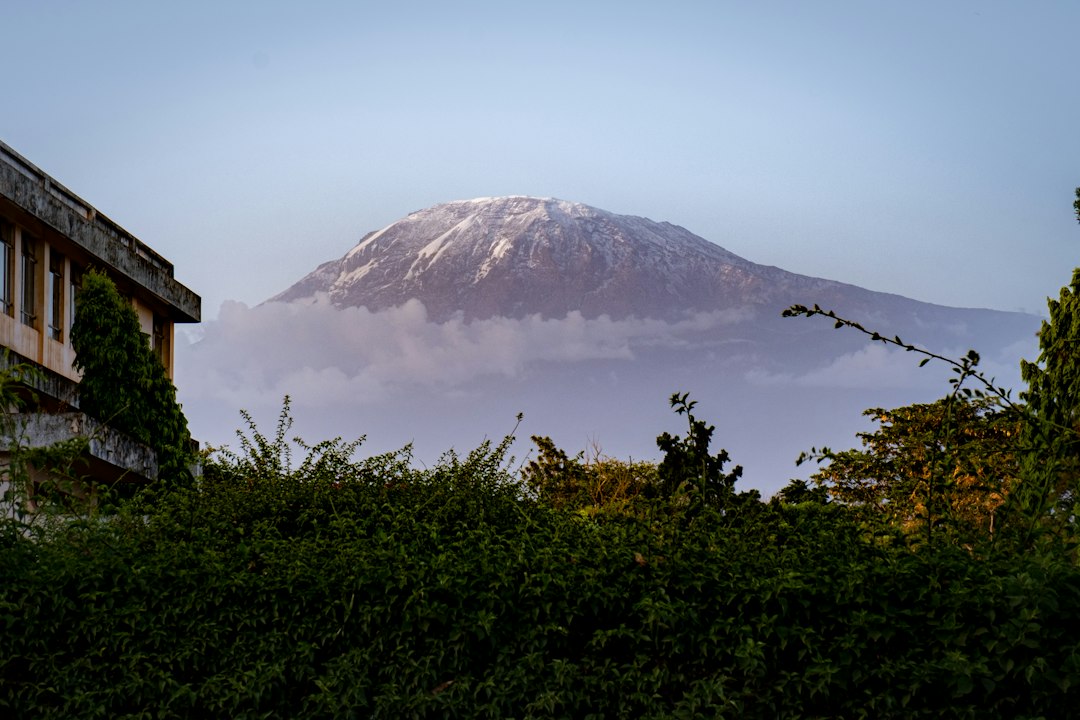
Photo by Nichika Sakurai on Unsplash
Quick Facts
- Best months: January to early March and June to October
- Wettest months: April and May (long rains), plus November (short rains)
- Summit height: Uhuru Peak, 5,895 m, the highest point in Africa
- Summit night temperature: Roughly 0°C to -20°C, colder with wind chill
- Busiest months: July, August and September, plus the Christmas and New Year weeks
- Park fee: US$82.60 per adult per day conservation fee, including VAT (checked October 2026)
- Nearest airport: Kilimanjaro International Airport, about an hour’s drive from the trailheads
When Is the Best Time to Climb Kilimanjaro?
The best time to climb Kilimanjaro is in a dry season, either January to early March or June to October. Both windows give the highest chance of a clear summit morning, and you can climb in any month if you are prepared for rain.
Ready to go? Book your customized safari instantly on WhatsApp — we'll take it from there.
 Book
Instantly on
Kilimanjaro sits just south of the equator in northern Tanzania, so it has no true summer or winter. Its year follows the East African rains instead: a long rainy season from mid-March to the end of May, and a shorter, lighter one around November. Everything else is broadly dry, although the forest on the lower slopes can be damp on any day of the year.
The two dry seasons
June to October is the long dry season, and for many climbers it is the best time to climb Kilimanjaro. Days are bright, the trails are dusty rather than muddy, and the views over the plains are excellent. Nights at high camps are very cold, especially in July and August.
Late December to early March is the shorter dry season. It is a little warmer at lower altitudes, generally quieter than the July to September peak, and the summit is more likely to carry fresh snow, so photographers often call it the best time to climb Kilimanjaro. Short afternoon showers are possible, mostly in the rainforest zone.
The two rainy seasons
The long rains from mid-March to May are the hardest time to climb. April and May are the wettest months, the southern slopes catch most of the rain, trails turn slippery and cloud often hides the views. The short rains usually start in late October or November and are lighter, with showers rather than days of steady rain.
Kilimanjaro Weather Month by Month
Kilimanjaro weather changes more with altitude than with the calendar, but each month still has a clear character. Use the table below to compare conditions, crowds and our overall rating before you settle on the best time to climb Kilimanjaro for your own trip.

Photo by Crispin Jones on Unsplash
| Month | Typical conditions | Crowds | Our verdict |
|---|---|---|---|
| January | Mostly dry, clear mornings, chance of summit snow | Busy over New Year, then moderate | Excellent |
| February | Dry and relatively warm low down, clear views | Moderate | Excellent |
| March | Dry early in the month; long rains begin mid-month | Quiet | Good early, risky late |
| April | Wettest month, heavy rain on the southern slopes | Very quiet | Avoid unless experienced |
| May | Long rains continue, mud and cloud | Very quiet | Avoid unless experienced |
| June | Rains clear, cold nights, mostly clear skies | Building | Very good |
| July | Dry, sunny days, very cold at high camps | Busy | Excellent |
| August | Dry and clear, the coldest nights of the year | Busiest month | Excellent |
| September | Dry, settled weather, good visibility | Busy | Excellent |
| October | Mostly dry; first showers possible late in the month | Moderate | Very good |
| November | Short rains, afternoon showers, some cloud | Quiet | Fair |
| December | Rains ease in the first half; drier by Christmas | Busy over the holidays | Good, especially late |
The best time to climb Kilimanjaro for most first-timers is therefore February, or the August to September stretch if those are your holiday dates. If you want dry weather with fewer people, look at late June, early October or the second half of January.
Which Month Is Quietest on Kilimanjaro?
If you want the best time to climb Kilimanjaro without the crowds, aim for late January, February, early March, late June and October. These months combine mostly dry weather with fewer groups than the July to September peak, when European and North American summer holidays fill the popular routes.
Busiest periods to plan around
July, August and September are the busiest months, and the Christmas and New Year fortnight is also crowded. On the Machame and Marangu routes in particular, you may share camps with many other groups. That is not a reason to avoid peak season, but it is a reason to book early and to consider a quieter route such as the Rongai, Lemosho or Northern Circuit.
Climbing on a full moon
Summit night starts around midnight, so a full moon lights the path and the glaciers without head torches doing all the work. For many climbers, a dry-season full moon is the best time to climb Kilimanjaro, so these dates fill early. For 2027, full moons fall on 21 January, 20 February, 18 June, 18 July, 16 August, 15 September and 14 October (UTC dates, so check the local date when you book). Time your climb so the summit night lands within a day or two of the full moon.
How Cold Is Kilimanjaro, and Does the Season Matter?
Kilimanjaro is cold at the top in every season. On summit night temperatures typically sit between about 0°C and -20°C, and wind chill can make it feel colder still. The season changes how wet you get, more than how cold the summit feels.

Photo by Daniel Vargas on Unsplash
A climb passes through four broad climate zones in a few days, so you pack for all of them whatever the month. The table shows what to expect at each level.
| Zone | Approximate altitude | What it feels like |
|---|---|---|
| Rainforest | About 800 m to 3,000 m | Warm and humid, often misty; showers possible in any month |
| Heath and moorland | About 3,000 m to 4,200 m | Cool days, cold nights, strong sun at midday |
| Alpine desert | About 4,200 m to 5,000 m | Dry, windy and exposed, hot in the sun and freezing at night |
| Arctic summit zone | About 5,000 m to 5,895 m | Ice and scree, often well below freezing before sunrise |
January to March tends to be slightly warmer during the day on the lower slopes, while July and August bring the coldest nights. Whatever you decide is the best time to climb Kilimanjaro, a warm sleeping bag, a down jacket and proper layers matter more than the month you choose. Our guide to altitude sickness on the Machame route covers kit and acclimatisation in more detail.
Can You Climb Kilimanjaro in the Rainy Season?
Yes, you can climb Kilimanjaro in the rainy season, and the park is open all year. The best time to climb Kilimanjaro is still a dry month, but a wet-season climb brings near-empty camps in exchange for mud, wet gear and fewer views. Success depends on a good route, a longer itinerary and excellent waterproofs.
Best time to climb Kilimanjaro if you can only travel in April, May or November
If your only free dates fall in a wet month, choose the Rongai route. It starts on the northern side of the mountain near the Kenyan border, which receives noticeably less rain than the southern slopes used by the Machame and Umbwe routes. November is the better of the wet months, because the short rains tend to come as afternoon showers.
We would not recommend April or May for a first high-altitude trek. Wet clothing on a cold summit night is miserable and can be dangerous, and slippery scree makes the descent slower. If you are flexible, moving your trip by even a few weeks to early March or June makes a big difference.
Choose the number of days before the month
Your itinerary length matters even more than finding the best time to climb Kilimanjaro, because it decides how well you acclimatise. The CDC guidance on high-altitude travel advises that above 3,000 m your sleeping altitude should rise by no more than about 500 m a night, with an extra day for every further 1,000 m. On Kilimanjaro that points to seven or eight days rather than five or six.
| Route | Typical days | Best season fit |
|---|---|---|
| Lemosho | 7-8 days | Dry seasons; quieter start, superb scenery |
| Machame | 6-7 days | Dry seasons; busy in peak months |
| Marangu | 5-6 days | Year-round; huts instead of tents |
| Rongai | 6-7 days | Rainy months and quieter dry-season dates |
| Northern Circuit | 8-9 days | Dry seasons; longest route, best acclimatisation |
Plan your Kilimanjaro climb in the right season
See our mountain climbing packages, with experienced mountain crews, sensible acclimatisation days and the option to add a Tanzania safari after the summit.
How to Match Your Climb with a Safari or Beach Stay
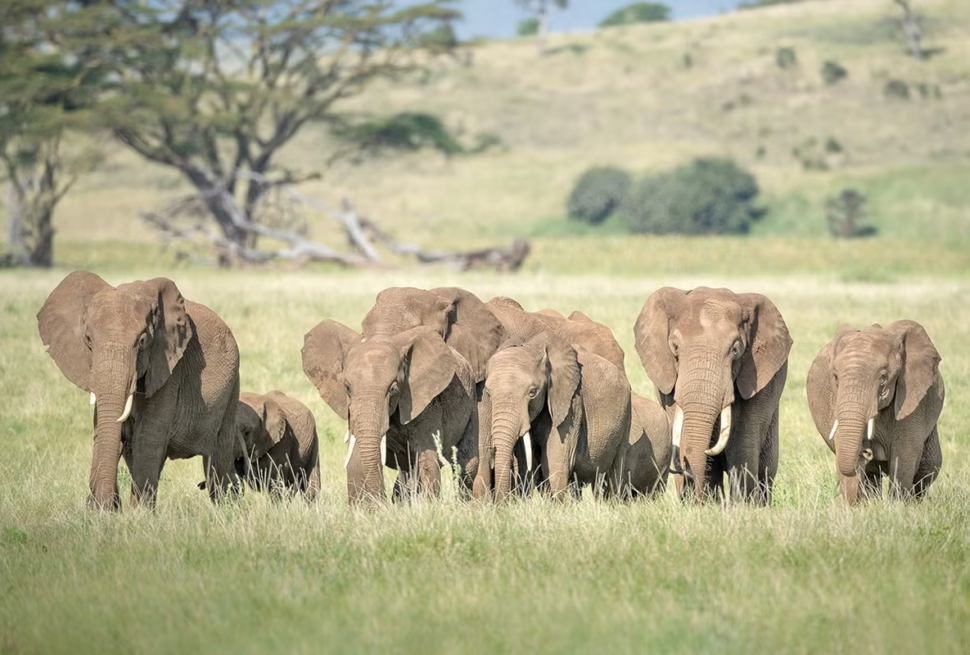
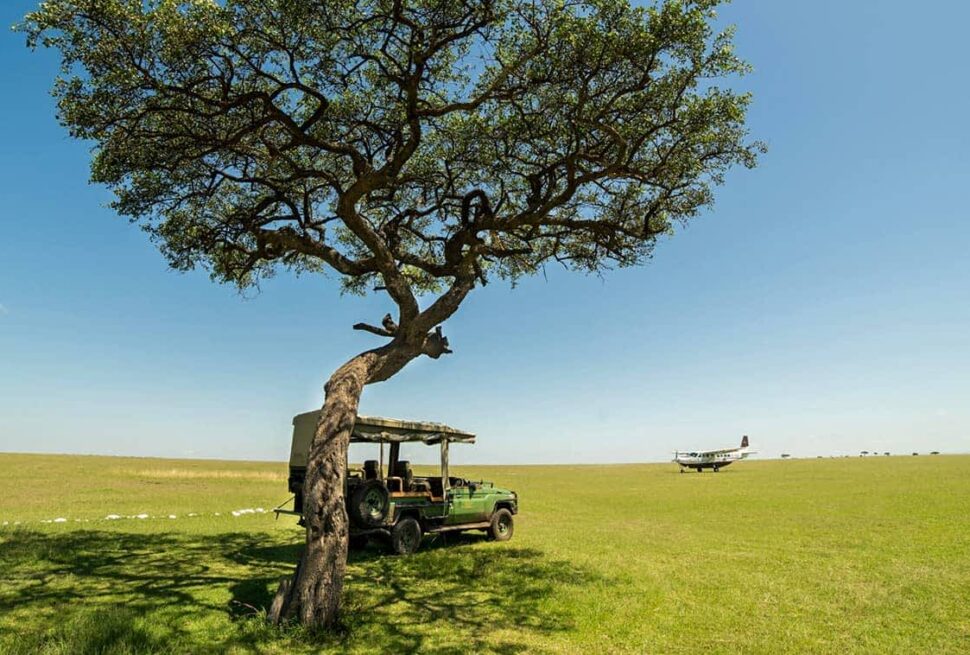
The best time to climb Kilimanjaro often lines up well with Tanzania’s safari seasons, so most climbers add a few days in the parks afterwards. Kilimanjaro International Airport sits between Moshi and Arusha, the starting point for the northern safari circuit.
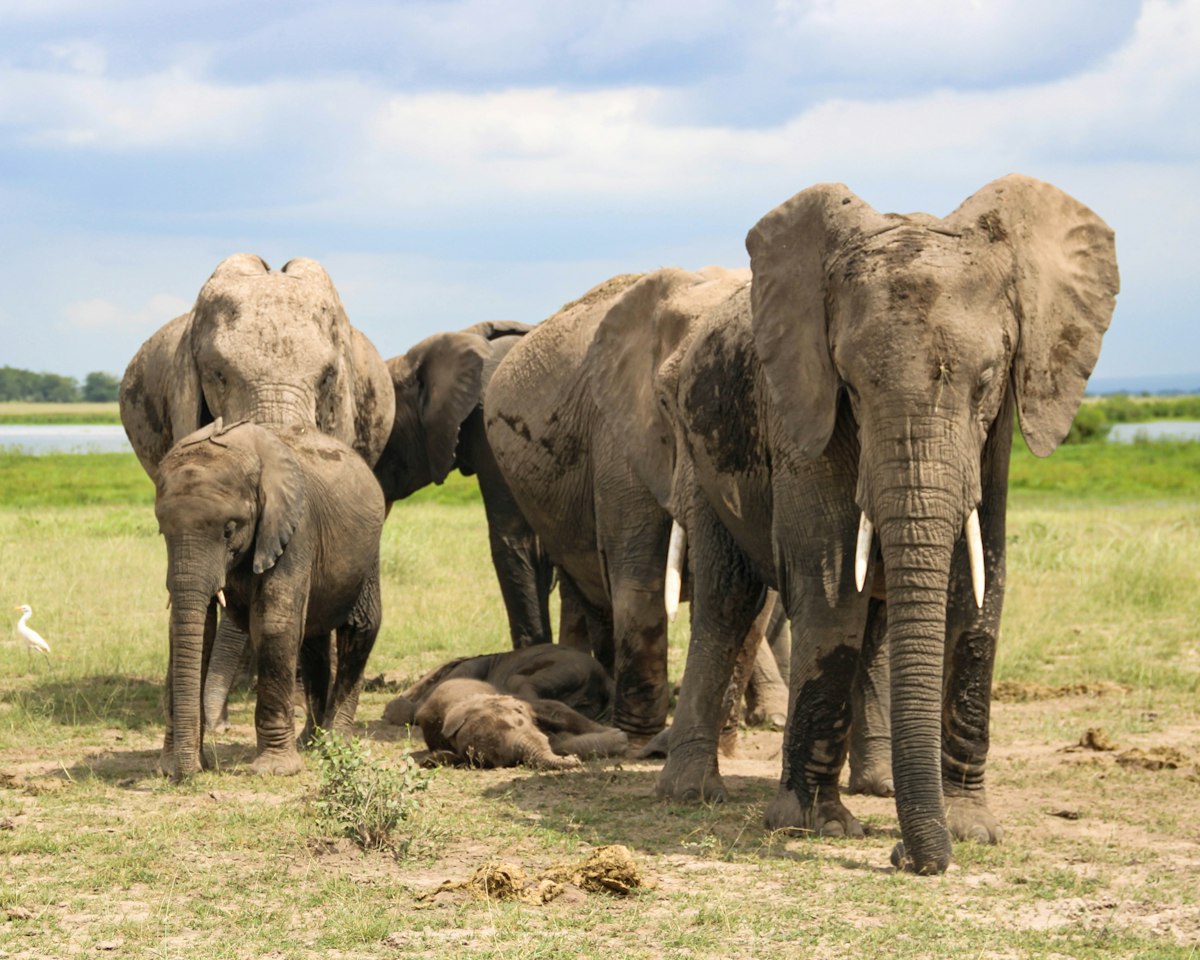
Photo: Divulge Adventures
June to October: climb, then see the migration
If June to October is your best time to climb Kilimanjaro, you also get peak safari conditions. From July to October the wildebeest herds are usually in the northern Serengeti and crossing the Mara River, and short grass makes predators easier to find. Our Great Migration month-by-month guide shows where the herds tend to be, and the 5 Days 4 Nights Northern Tanzania Safari fits neatly after a climb, covering Lake Manyara, the Ngorongoro Crater and the Serengeti.
January to March: climb, then the calving season
The best time to climb Kilimanjaro in the first months of the year matches the calving season on the southern Serengeti plains, when thousands of wildebeest calves are born and predators follow them. Read our guide to the best time of year for a Tanzania safari and the northern circuit itinerary to plan the safari half of your trip, then finish with a few days on the beach using our Zanzibar beach extension guide.
Starting from Nairobi or Kenya
Moshi is about 320 km from Nairobi by road, roughly six to seven hours by shuttle including the Namanga border crossing, or about an hour by air to Kilimanjaro International Airport. To combine Kenya with the best time to climb Kilimanjaro, many travellers start with a safari in Amboseli National Park, which has some of the finest views of the mountain, before crossing into Tanzania to climb.

Photo by Sergey Pesterev on Unsplash
Before you go, check your Tanzania visa requirements and the yellow fever rules for Kenya and Tanzania if you are crossing between the two countries. Check that your travel insurance covers trekking to 6,000 m, as many standard policies stop well below that.
Insider Tips
- Book peak dates early: The best time to climb Kilimanjaro is also the busiest, and July to September and full-moon departures fill months ahead, so reserve as soon as your dates are fixed
- Add a day: A seven- or eight-day itinerary raises your summit chances in any season more than a perfect month does
- Pick the route for the season: Rongai for wetter months; Lemosho or the Northern Circuit for quieter dry-season climbs
- Pack for winter: Whatever the month, bring a four-season sleeping bag, a down jacket, warm gloves and a spare head torch battery
- Budget for fees: Daily conservation fees plus camping or hut and rescue fees make up a large share of the cost; see our Tanzania park fees guide
- Plan a rest day: Leave a night in Moshi or Arusha before and after the climb in case of flight delays and to recover
Let us plan your safari
Tell us your dates, budget and dream sightings, and our Nairobi team will send you a free tailor-made itinerary and quote.
Once you know the best time to climb Kilimanjaro, check the costs. Fees and park rules change, so confirm the latest figures on the Tanzania National Parks (TANAPA) website or with us before you pay a deposit. If Kilimanjaro is not possible on your dates, the 5-day Mount Kenya Sirimon to Chogoria traverse is a quieter alternative closer to Nairobi.
Frequently Asked Questions
What is the best month to climb Kilimanjaro?
The best month to climb Kilimanjaro is usually February or September. Both fall in a dry season with clear summit mornings. February is quieter and slightly warmer on the lower slopes, while September has very settled weather but more climbers. January, July, August and early October are also excellent choices for most trekkers.
Is December a good time to climb Kilimanjaro?
December can be a good time to climb Kilimanjaro, especially in the second half of the month. The short rains usually ease in early December, and conditions are mostly dry by Christmas. The holiday weeks are busy and full-moon dates fill quickly, so book well ahead if you want to summit over Christmas or New Year.
What is the worst time to climb Kilimanjaro?
The worst time to climb Kilimanjaro is April and May, when the long rains arrive. Trails become muddy and slippery, cloud often hides the views, and staying dry on a freezing summit night is difficult. The mountain stays open, and the Rongai route is the driest option, but most first-time climbers should pick a dry month, the best time to climb Kilimanjaro, instead.
How cold is the summit of Kilimanjaro?
The summit of Kilimanjaro is usually between about 0°C and -20°C during the night-time push to Uhuru Peak, and wind can make it feel colder. There is no warm season, so even at the best time to climb Kilimanjaro you need a warm down jacket, insulated gloves, a hat and a four-season sleeping bag whichever month they choose.
How many days do you need to climb Kilimanjaro?
Most climbers need seven or eight days to climb Kilimanjaro comfortably. Longer routes such as the Lemosho and the Northern Circuit allow slower gains in sleeping altitude, which helps the body adjust and improves summit success in any month, including the best time to climb Kilimanjaro. Shorter five- or six-day climbs are possible but carry a higher risk of altitude sickness.
Final Thoughts on the Best Time to Climb Kilimanjaro
The best time to climb Kilimanjaro is January to early March or June to October, with February and September the standout months. Choose the dry season that fits your diary, pick a longer route, and pair the climb with a safari that matches the same season.
Tell us when you can travel and how fit you feel, and our Nairobi team will work out the best time to climb Kilimanjaro for you and suggest the route, dates and Tanzania safari that suit you best.
Not sure which month suits your Kilimanjaro climb?
Chat with a Divulge Adventures safari consultant on WhatsApp for honest advice, a quick answer and a quote built around you.