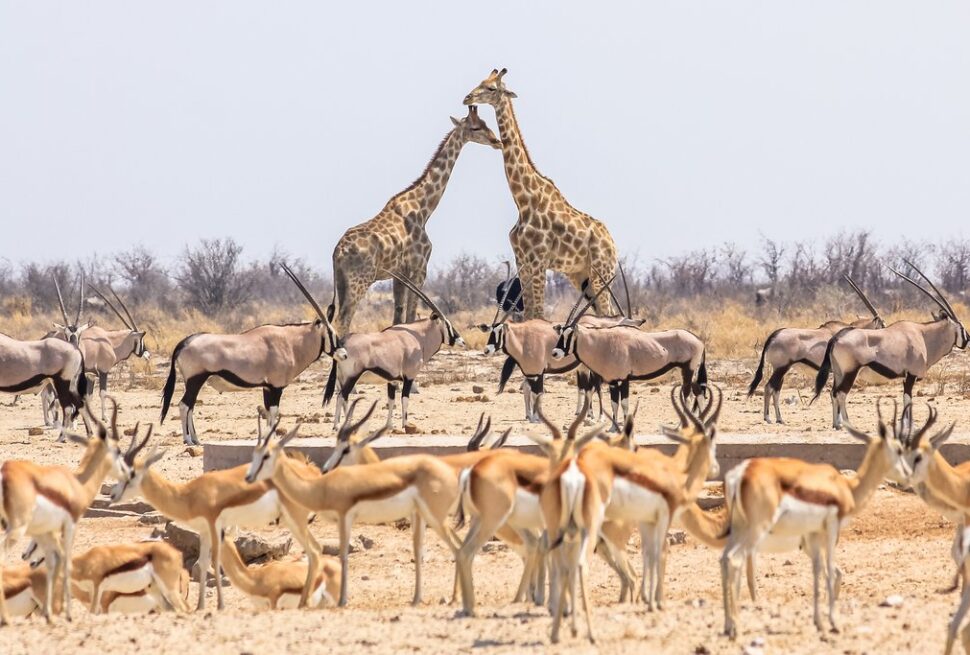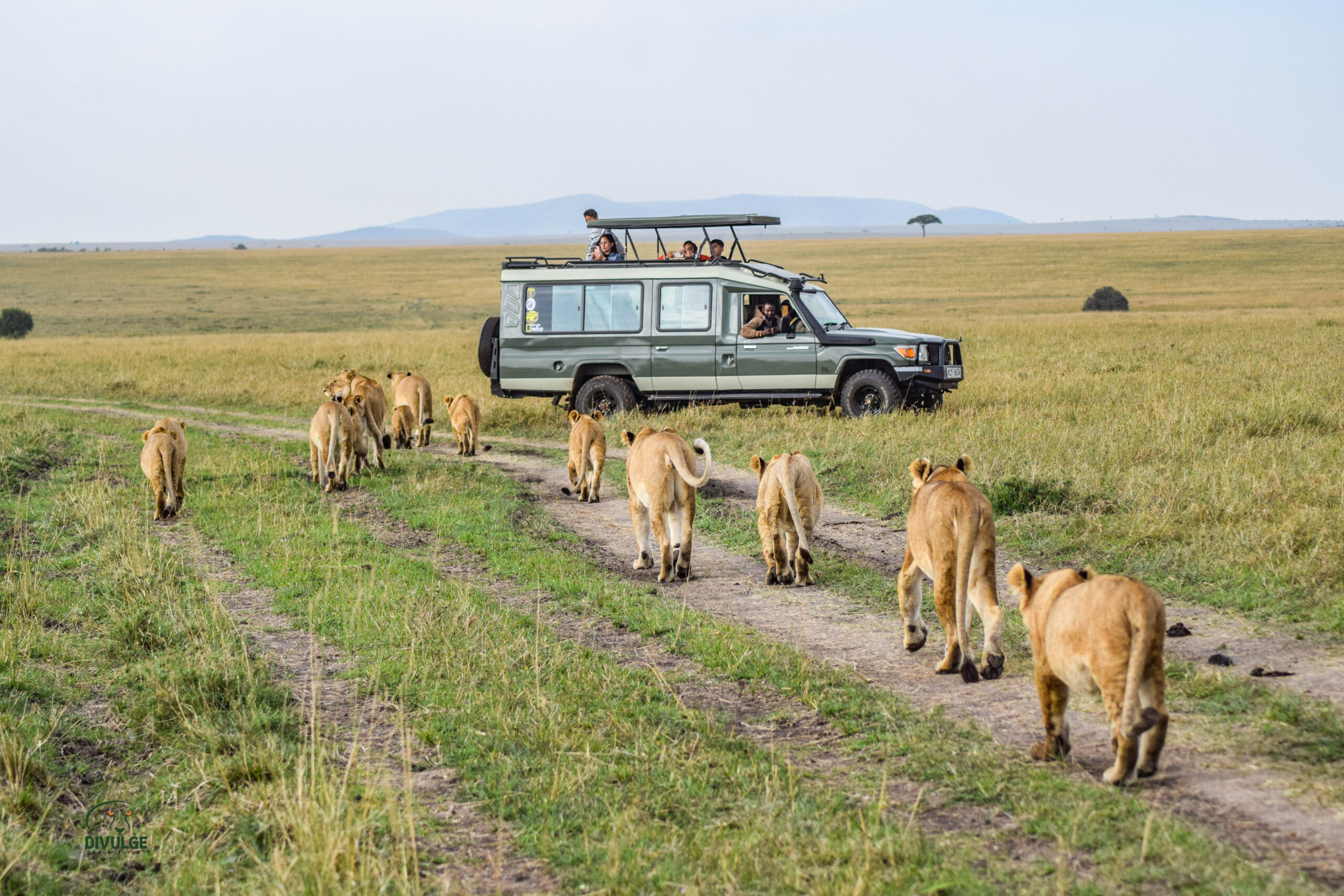
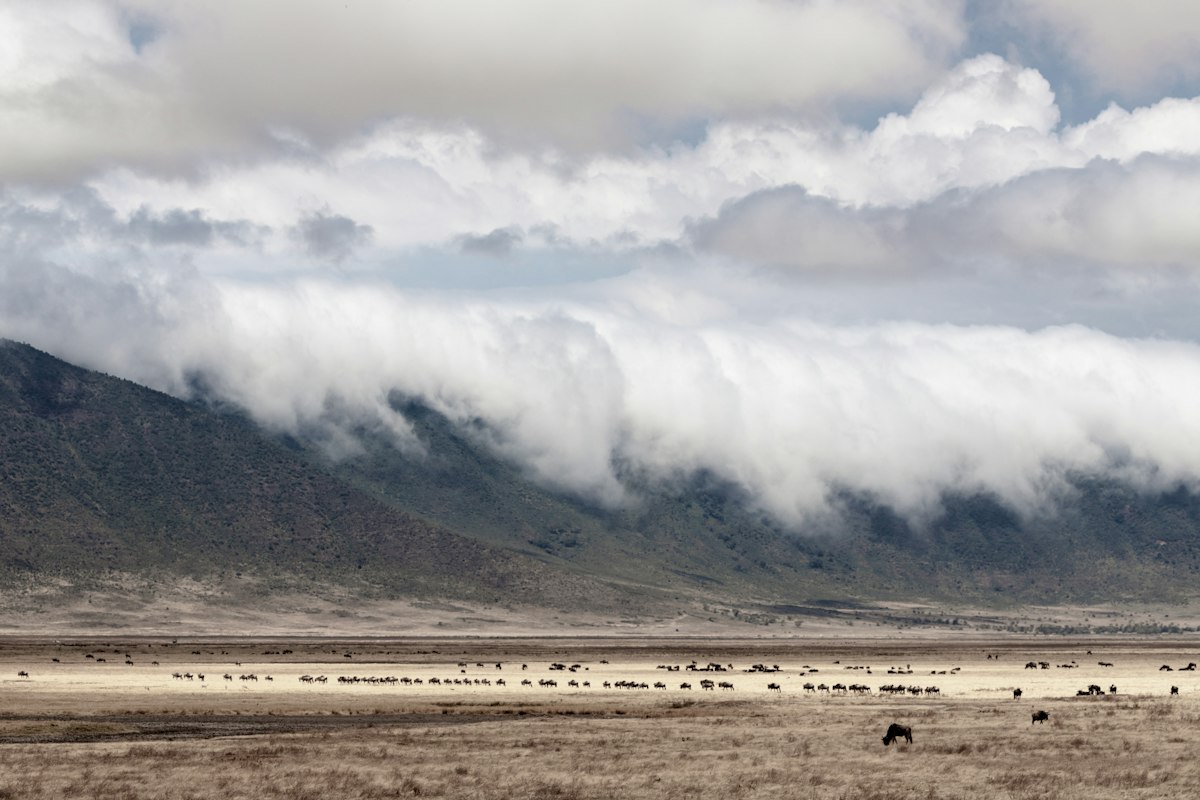
A Tanzania northern circuit itinerary links Tarangire, Lake Manyara, the Ngorongoro Crater and the Serengeti in one loop from Arusha. Seven to eight days is the classic length: enough for a full day in each smaller park, a crater descent and three nights in the Serengeti, where the Great Migration spends much of the year.
The hard part is not choosing the parks but ordering them. Drive times are long, the migration moves month by month, and fees are charged per 24 hours, so a poorly planned route wastes days and money. This guide gives you a proven day-by-day route, shorter and longer versions, the best months, park fees we checked in October 2026 and honest advice on where to sleep.

Quick Facts
- Start and finish: Arusha, about an hour by road from Kilimanjaro International Airport
- Main parks: Tarangire, Lake Manyara, Ngorongoro Crater and the Serengeti, with Arusha National Park as an optional extra
- Ideal length: 7-8 days by road; 5-6 days if you fly in or out of the Serengeti
- Longest drive: about 7 to 7.5 hours from Arusha to the central Serengeti
- Best months: late June to October for dry-season game viewing; January to February for calving in the southern Serengeti
- Key fees: Serengeti US$82.60 per adult per 24 hours; Ngorongoro Crater descent US$295 per vehicle (checked October 2026)
What Is the Tanzania Northern Circuit?
The Tanzania northern circuit is the cluster of national parks and conservation areas west of Arusha, joined by one main road that climbs from the Rift Valley over the Ngorongoro highlands to the Serengeti plains. It is Tanzania’s most visited safari region and the easiest to reach for international travellers.
Every Tanzania northern circuit itinerary follows the same road, which is why the order of parks matters. You drive out past Tarangire and Lake Manyara, climb through Karatu to the Ngorongoro rim, cross the Ngorongoro Conservation Area and enter the Serengeti at Naabi Hill. Unless you fly out, you come back the same way.
Ready to go? Book your customized safari instantly on WhatsApp — we'll take it from there.
 Book
BookInstantly on
The parks on the route at a glance
Each park plays a different role in the trip. The table below shows what each one does best, how long to give it and the current high-season fee per adult (checked October 2026; always confirm before booking, because Tanzania reviews its fees).
| Park | Best for | Time to allow | Adult fee per 24 hours |
|---|---|---|---|
| Tarangire National Park | Big elephant herds, baobab trees, dry-season river wildlife | 1 full day (2 in the dry season) | US$59 high season |
| Lake Manyara National Park | Groundwater forest, baboons, birdlife, lions that sometimes rest in trees | Half a day to 1 day | US$59 high season |
| Ngorongoro Crater | Dense wildlife on the crater floor, including black rhino | 1 day (one descent) | US$70.80 entry plus US$295 per vehicle to descend |
| Serengeti National Park | The Great Migration, big cats, endless plains | 2-4 days | US$82.60 high season |
| Arusha National Park | Walking, canoeing, colobus monkeys, Mount Meru views | Half a day | US$59 high season |
For a deeper look at each stop on a Tanzania northern circuit itinerary, see our guides to Tarangire National Park, Lake Manyara National Park, wildlife in the Ngorongoro Crater and the Serengeti National Park. Our wider guide to the best national parks in Tanzania compares them with the southern and western parks.
How Many Days Do You Need for a Tanzania Northern Circuit Itinerary?
Most travellers need 7 to 8 days for a Tanzania northern circuit itinerary by road, counting arrival and departure days. That allows one day each in Tarangire and the crater and three nights in the Serengeti. With a light-aircraft flight in or out of the Serengeti, 5 to 6 days works well.
The Serengeti is the deciding factor. It is roughly 7 hours by road from Arusha, so a Tanzania northern circuit itinerary shorter than five days spends more time on the road than on game drives. If you only have three or four days, leave the Serengeti out or fly there.
| Trip length | What fits | Who it suits |
|---|---|---|
| 3-4 days | Tarangire or Lake Manyara plus Ngorongoro Crater; the Serengeti only with a flight | Add-on to a Kilimanjaro climb, business trip or Zanzibar holiday |
| 5-6 days | Tarangire, Ngorongoro Crater and 2 nights in the Serengeti | First-timers with limited leave |
| 7-8 days | All four main parks with 3 nights in the Serengeti | Most first-time visitors: the classic route |
| 9-10 days | Classic route plus a second Serengeti area that follows the migration | Photographers, migration chasers, repeat visitors |
| 11-14 days | Northern parks plus Zanzibar, or a Kenya and Tanzania combination | Honeymooners and bush-and-beach travellers |
The Classic 7-Day Tanzania Northern Circuit Itinerary
The classic 7-day Tanzania northern circuit itinerary runs Arusha, Tarangire, Lake Manyara, Serengeti, Ngorongoro Crater and back to Arusha. It spreads the long drives across several days, saves the crater for the end and gives you three full nights in the Serengeti, which is where the best sightings usually happen.
Day 1: Arrive in Arusha
Most travellers start a Tanzania northern circuit itinerary by flying into Kilimanjaro International Airport and transferring to Arusha, about an hour away. Rest at a lodge or coffee farm on the edge of town. If you land early, a short visit to Arusha National Park for walking or canoeing is a gentle start.
Day 2: Tarangire National Park
Tarangire is the natural first stop on a Tanzania northern circuit itinerary: drive west on tarmac, usually under two hours, and spend the day on game drives. From around June to October the Tarangire River is the only reliable water for miles, so elephants, buffalo, zebra and wildebeest gather along it in large numbers. Ancient baobab trees make it one of the most photogenic parks in Tanzania. Sleep near the park or in Mto wa Mbu.
Day 3: Lake Manyara, then the drive to the Serengeti
Take an early morning drive in Lake Manyara, where a groundwater forest gives way to the shores of a soda lake. Look for baboons, blue monkeys, elephants and a wide range of birds, plus the lions the park is known for resting in trees. After lunch, climb through Karatu and the Ngorongoro highlands to the Serengeti, about four hours from Karatu to the central plains.
Days 4-5: Two full days in the Serengeti
Spend two full days exploring the heart of any Tanzania northern circuit itinerary. The central Seronera area has resident lions, leopards in the river trees and cheetahs on the open plains all year round. Depending on the month, your guide may drive further to find the migration herds. A morning balloon flight over the plains is a popular optional extra; our balloon safari guide explains how they work.
Day 6: Serengeti to the Ngorongoro Crater rim
Enjoy a final morning drive, then head back across the Ngorongoro Conservation Area to the crater rim or Karatu. Nights on the rim are cold at this altitude, so pack a warm jacket. Some travellers add a visit to a Maasai village on the way; see our Maasai cultural tour guide for what to expect.
Day 7: Ngorongoro Crater descent and return to Arusha
Descend into the crater at first light, when the light is soft and the vehicles are few. The crater floor covers about 260 km² and sits some 600 m below the rim, holding lions, hyenas, buffalo, flamingos and one of the best chances of seeing black rhino in Tanzania. After lunch by the hippo pool, drive back to Arusha to end your Tanzania northern circuit itinerary with an evening flight or a final night.
Shorter and Longer Versions of the Route
The same route stretches or shrinks easily. A shorter Tanzania northern circuit itinerary drops Lake Manyara and uses a flight, while a longer one adds a second Serengeti area, Arusha National Park or a beach week on Zanzibar.
A 5-day Tanzania northern circuit itinerary with a flight
Day 1 Tarangire, day 2 Ngorongoro Crater, days 3-4 in the Serengeti, and day 5 a morning drive before flying from a Serengeti airstrip back to Arusha. The flight saves the 7-hour return drive. Light aircraft usually limit luggage to about 15 kg per person in a soft bag, so pack light. Our fly-in safari packages are built around this kind of time-saving route.
A 10-day Tanzania northern circuit itinerary for the migration
Add two or three nights in a second Serengeti area that matches the season: Ndutu and the southern plains from January to March, the Western Corridor in June and July, or the northern Serengeti near the Mara River from August to October. This is the version we recommend for photographers and anyone whose main goal is the migration.
Adding Zanzibar, Kilimanjaro or Kenya
A Tanzania northern circuit itinerary pairs well with a beach finish; short flights link Arusha and the Serengeti with Zanzibar, as our Zanzibar beach extension guide explains. Climbers often add a safari after summiting Kilimanjaro; see our Kilimanjaro climbing guide. Because we are based in Nairobi, we also join the northern circuit with the Masai Mara, crossing by road at the Namanga border or by a regional flight.
See our Tanzania safari packages
Browse tailor-made Tarangire, Ngorongoro and Serengeti safaris with private 4×4 vehicles and expert local guides, then adjust the days to suit you.
When Is the Best Time to Do the Northern Circuit?
The best time for the northern circuit is the dry season from late June to October, when wildlife gathers at water and the migration is in the northern Serengeti. January and February are the best alternative, with calving on the southern plains. April and May are wet but quiet and cheaper.
The parks other than the Serengeti have good wildlife all year, so the migration mainly decides which part of the Serengeti your Tanzania northern circuit itinerary uses as a base. The table below shows typical patterns; the herds follow the rain, so timings shift by a few weeks each year.
| Months | Where the herds usually are | Northern circuit conditions |
|---|---|---|
| January-March | Southern Serengeti and Ndutu, calving peaks around February | Warm, green, short dry spell; excellent for predators |
| April-May | Moving north and west through the central Serengeti | Long rains, the quietest and cheapest time; some camps close |
| June-July | Western Corridor and Grumeti River, then heading north | Dry season begins; Tarangire improves fast |
| August-October | Northern Serengeti and Mara River crossings | Peak dry season and peak demand; book early |
| November-December | Heading back south through the eastern and central Serengeti | Short rains, usually brief showers; good value outside the holidays |
Our Serengeti migration guide and Great Migration month-by-month guide track the herds in more detail, and our best time to visit Tanzania guide covers the weather park by park.
How Much Does a Tanzania Northern Circuit Itinerary Cost?
A Tanzania northern circuit itinerary typically costs from about US$250 per person per day on a camping budget to US$800 or more for luxury camps, before international flights. These are rough estimates for two people sharing a private vehicle. Park and conservation fees are a fixed part of every trip.
Park and conservation fees
Tanzania charges most park fees per person per 24 hours, so a three-night Serengeti stay on a Tanzania northern circuit itinerary costs more in fees than people expect. The figures below are non-resident adult rates for the high season, which runs most of the year except roughly mid-March to mid-May (checked October 2026 against recent published tariffs). Confirm current rates with Tanzania National Parks before booking.
| Fee (non-resident adult) | Amount | Notes |
|---|---|---|
| Serengeti National Park | US$82.60 per 24 hours | High season rate including 18% VAT |
| Tarangire National Park | US$59 per 24 hours | High season rate including 18% VAT |
| Lake Manyara National Park | US$59 per 24 hours | High season rate including 18% VAT |
| Ngorongoro Conservation Area | US$70.80 per 24 hours | Also charged when you drive through to the Serengeti |
| Ngorongoro Crater descent | US$295 per vehicle | Shared by everyone in the vehicle |
On the classic 7-day route, park and conservation fees alone come to roughly US$500-600 per adult, plus a share of the crater vehicle fee. Lodges and camps inside the parks also add a nightly concession fee, which is usually built into the accommodation price.
Budget, mid-range and luxury
The rest of the cost of a Tanzania northern circuit itinerary depends on where you sleep, whether you fly any legs and the season. The ranges below are our estimates per person per day, including fees, vehicle, guide, meals and accommodation.
| Style | Where you sleep | Rough cost per person per day |
|---|---|---|
| Budget | Public campsites or simple lodges in Karatu and Mto wa Mbu | About US$250-400 |
| Mid-range | Comfortable lodges and permanent tented camps | About US$400-700 |
| Luxury | Small tented camps and premium lodges inside the parks, often with flights | US$800-1,500 or more |
Saving money on a Tanzania northern circuit itinerary is mostly about timing and route: travel in the April-May or November green seasons, sleep in Karatu rather than on the crater rim and keep the trip to the four core parks. Our Tanzania safari on a budget guide has more ideas.
Insider Tips
- Book the crater for early morning: the first vehicles down see the most active predators and the fewest crowds
- Do not rush the Serengeti: three nights is the minimum we recommend on any Tanzania northern circuit itinerary; two nights means one full day at most
- Fly one way: driving in and flying out of the Serengeti saves a full day on the road
- Pack for two climates: hot days in Tarangire and cold mornings on the crater rim, as our Tanzania packing checklist explains
- Yellow fever: travellers coming from Kenya need a certificate to enter Tanzania; see our yellow fever requirements
- Visas: most visitors need a Tanzania visa; apply through the official online system before you travel
Which Northern Circuit Route Is Right for You?
The right Tanzania northern circuit itinerary depends on your time, budget and priorities. First-timers do best with the classic 7-day loop, migration lovers should add a second Serengeti base, and families or travellers on a tight schedule should consider flying one leg to cut the long drives.
Where to stay: Karatu or the crater rim?
Lodges on the Ngorongoro rim have sweeping crater views and get you to the descent road fastest, but they cost more and nights are cold. Karatu, a short drive below the rim among coffee farms, has more choice at better value. For most travellers on a Tanzania northern circuit itinerary, Karatu is the smarter base unless the view is the point of the trip.
Central or northern Serengeti?
The central Serengeti around Seronera is reliable all year and easy to reach by road. The northern Serengeti is remote and best from August to October, when the herds cross the Mara River, but it is a very long drive, so most people fly. If your Tanzania northern circuit itinerary has room for only one, the central Serengeti suits a first visit.
Northern circuit or southern circuit?
The northern circuit has the classic scenery, the migration and the crater, and it is busier. The southern parks of Ruaha and Nyerere are wilder, quieter and better for walking and boat safaris. Compare them in our southern circuit itinerary.
Let us plan your safari
Tell us your dates, budget and dream sightings, and our Nairobi team will send you a free tailor-made itinerary and quote.
Frequently Asked Questions
How many days do you need for the Tanzania northern circuit?
Most travellers need 7 to 8 days for a Tanzania northern circuit itinerary by road, including arrival and departure days. That covers Tarangire, Lake Manyara, the Ngorongoro Crater and three nights in the Serengeti. Flying in or out of the Serengeti cuts this to 5 or 6 days, and 10 days lets you add a second Serengeti area.
What is the best order to visit the northern circuit parks?
The best order for a Tanzania northern circuit itinerary is usually Tarangire, Lake Manyara, the Serengeti and then the Ngorongoro Crater on the way back to Arusha. This spreads the long drives over several days and ends the trip with a dramatic crater descent. Some itineraries visit the crater first; both work, as long as you allow three nights in the Serengeti.
Can you see the Great Migration on a northern circuit safari?
Yes, a northern circuit safari can include the Great Migration, because the herds spend most of the year inside the Serengeti. From January to March they calve on the southern plains around Ndutu, in June and July they cross the Western Corridor, and from August to October they reach the northern Serengeti and the Mara River. Base yourself where the herds are that month.
How much are the park fees on the Tanzania northern circuit?
Park fees on the Tanzania northern circuit are charged per person per 24 hours. In the high season a non-resident adult pays US$82.60 for the Serengeti, US$59 for Tarangire or Lake Manyara and US$70.80 for the Ngorongoro Conservation Area, plus US$295 per vehicle to descend into the crater (checked October 2026). Confirm current rates before booking.
Is it worth flying instead of driving on the northern circuit?
Flying one leg of the northern circuit is often worth it if you are short on time. The drive from the Serengeti back to Arusha takes about seven hours, while a light-aircraft flight takes a fraction of that and adds a scenic view. Driving is cheaper and lets you game-view along the way, so many travellers drive in and fly out.
Final Thoughts
A well-planned Tanzania northern circuit itinerary gives you elephants among the baobabs of Tarangire, rhino in the Ngorongoro Crater and the vast plains of the Serengeti in about a week. Give the Serengeti at least three nights, match your base to the migration and consider flying one leg to save time.
Share your travel dates and budget with our Nairobi team and we will shape your Tanzania northern circuit itinerary around you, from a 5-day fly-in safari to a two-week trip with Zanzibar or Kenya.
Not sure how many days your northern circuit safari needs?
Chat with a Divulge Adventures safari consultant on WhatsApp for honest advice, a quick answer and a quote built around you.