Planning Tanzania safari often sounds like a luxury reserved for travelers with deep pockets. Images of exclusive lodges, private game drives, and luxury tents can make many people believe a Tanzanian safari is financially out of reach. The truth is very different.
If you’re wondering how to plan a budget Tanzania safari, you’ll be pleased to know that Tanzania offers incredible wildlife experiences for travelers on almost every budget. From affordable public campsites and group-joining safaris to low-season discounts and budget-friendly hostels in Arusha, there are countless ways to experience the country’s breathtaking landscapes without spending a fortune.
With careful planning, you can witness the Great Migration in the Serengeti, descend into the magnificent Ngorongoro Crater, and watch elephants roam beneath Mount Kilimanjaro all while keeping your travel expenses under control.
This guide explains everything you need to know about planning an affordable Tanzania safari without compromising on unforgettable wildlife encounters.
Why Tanzania Is Worth Every Dollar
Tanzania is home to some of Africa’s most famous national parks and wildlife reserves. The country boasts an incredible diversity of ecosystems, ranging from endless savannahs to volcanic craters, forests, wetlands, and lakes.
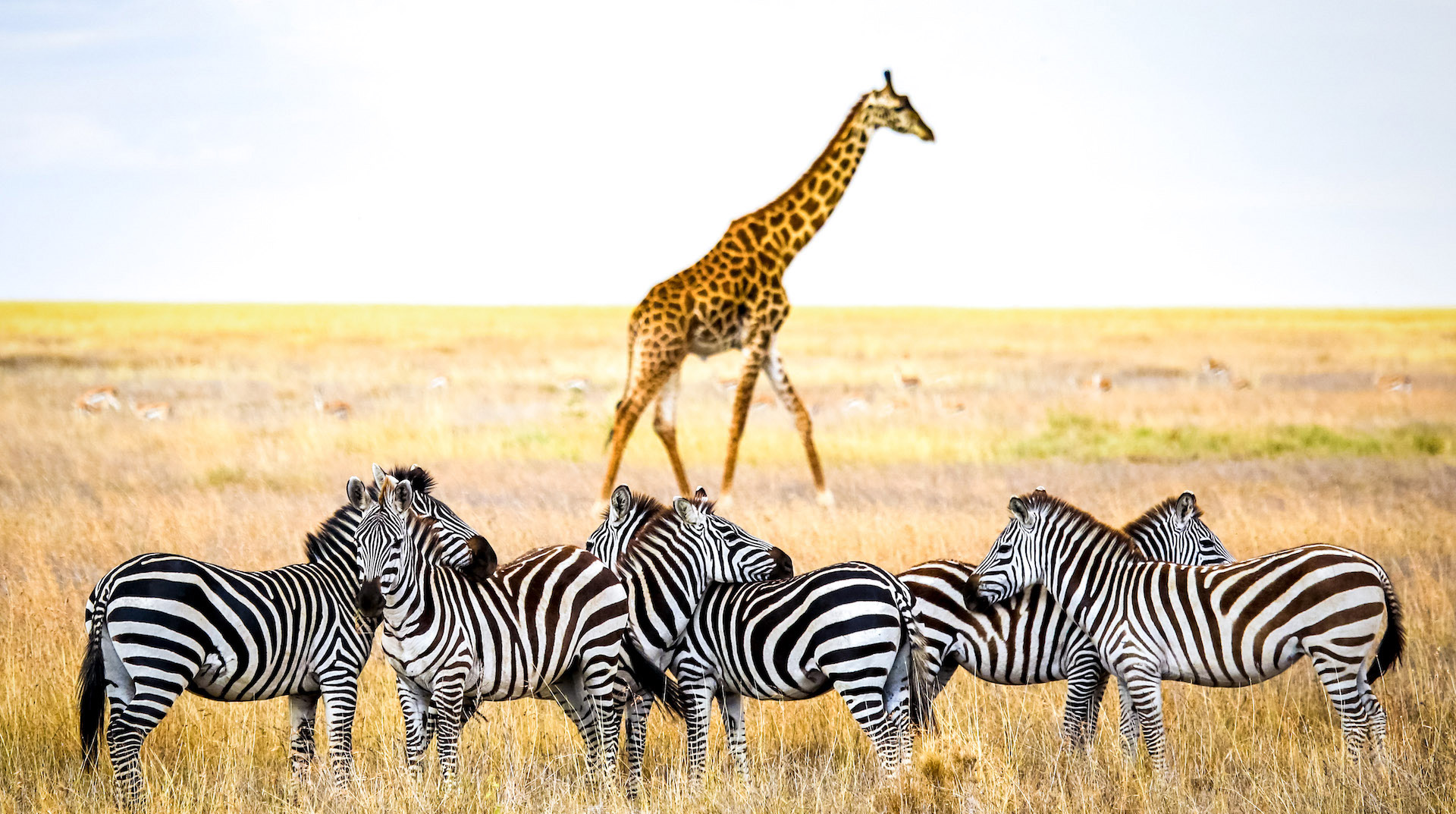
Visitors can encounter the legendary Big Five lion, leopard, elephant, buffalo, and black rhino alongside thousands of zebras, giraffes, wildebeest, cheetahs, hippos, crocodiles, and hundreds of bird species.
Although Tanzania has a reputation for premium safaris, budget travelers can still enjoy these remarkable experiences by making smart choices regarding accommodation, transportation, and travel seasons.
How to Plan a Budget Tanzania Safari
Successfully planning an affordable Tanzania safari starts long before arriving in Tanzania. Understanding where your money goes helps you identify areas where you can save without sacrificing the quality of your experience.
Your safari budget typically includes:
- Park entrance fees
- Accommodation
- Transportation
- Safari vehicle
- Guide
- Meals
- Camping equipment (if applicable)
By choosing group safaris, camping instead of luxury lodges, and traveling during shoulder or low seasons, you can reduce your overall expenses significantly.
Best Budget Safari Destinations
Serengeti National Park
The Serengeti remains Tanzania safari most famous safari destination. While luxury camps dominate many areas, budget camping safaris allow visitors to experience the same incredible wildlife at a fraction of the cost.
Large herds of wildebeest, zebra, gazelle, lions, cheetahs, and hyenas make every game drive unforgettable.
Ngorongoro Crater
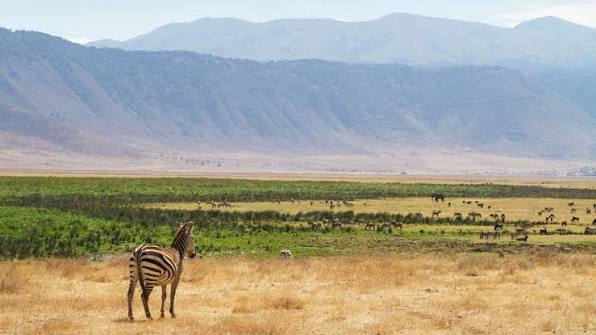
Often described as Africa’s Garden of Eden, the Ngorongoro Crater offers one of the highest concentrations of wildlife anywhere in the world.
Although park fees are relatively high, joining a shared safari dramatically reduces transportation and guide costs.
Tarangire National Park
Tarangire is one of Tanzania’s hidden gems and an excellent choice for budget-conscious travelers.
The park is famous for:
- Massive elephant herds
- Ancient baobab trees
- Lions
- Giraffes
- Hundreds of bird species
Since Tarangire receives fewer visitors than Serengeti, accommodation is often more affordabl
Lake Manyara National Park
Perfect for short safaris, Lake Manyara offers excellent wildlife viewing despite its compact size.
Visitors can enjoy sightings of:
- Tree-climbing lions
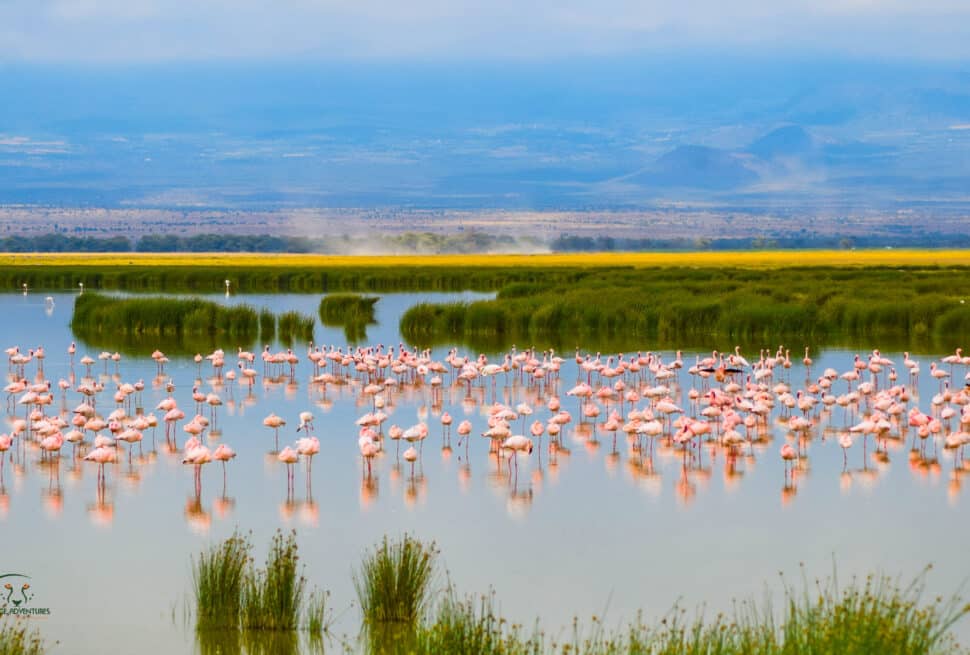
- Flamingos
- Hippos
- Monkeys
- Elephants
Many affordable safari itineraries include Lake Manyara alongside Tarangire and Ngorongoro.
Public vs. Private Campsites
Accommodation plays one of the biggest roles in determining safari costs.
Public Campsites
Public campsites are managed by Tanzania National Parks and provide basic but comfortable facilities.
Most include:
- Shared bathrooms
- Toilets
- Cooking areas
- Picnic tables
- Secure camping grounds
Budget safari operators provide tents, sleeping mattresses, camping chefs, and equipment, making camping both convenient and affordable.
Advantages
- Lowest accommodation costs
- Excellent wildlife atmosphere
- Great opportunity to meet fellow travelers
- Authentic safari experience
Disadvantages
- Shared facilities
- Less privacy
- Basic amenities
Private Campsites
Private campsites offer additional comfort.
These typically include:
- Better washrooms
- Hot showers
- Electricity
- Restaurants
- Swimming pools
- Wi-Fi in some locations
While still much cheaper than luxury lodges, private campsites cost more than public campsites.
If your budget allows, private campsites offer a nice balance between comfort and affordability.
Why Group Joining Safaris Save Money
One of the smartest ways to reduce safari costs is booking a group joining safari Tanzania experience.
Instead of hiring an entire safari vehicle yourself, you’ll share costs with other travelers.
Shared expenses include:
- Vehicle
- Fuel
- Driver-guide
- Park logistics
This often reduces safari prices by hundreds of dollars.
Group safaris also create opportunities to meet travelers from around the world while enjoying the same incredible wildlife viewing.
Most departures begin in Arusha and operate daily.
Cheap Arusha Hostels
Arusha serves as Tanzania’s safari capital.
Arriving one or two days before your safari allows time to recover from flights, organize equipment, and compare tour prices.
Fortunately, the city offers numerous affordable accommodations.
Budget travelers can choose from:
- Backpacker hostels
- Guesthouses
- Budget hotels
- Dormitory accommodation
- Shared apartments
Many cheap Arusha hostels include:
- Free breakfast
- Airport transfers
- Wi-Fi
- Tour booking assistance
- Luggage storage
Staying in Arusha before and after your safari is far cheaper than booking airport hotels or luxury safari lodges.
Understanding Hidden Park Fees
Many first-time visitors only consider safari package prices without realizing additional fees may apply.
Common expenses include:
- National park entrance fees
- Ngorongoro conservation fees
- Crater service fees
- Camping fees
- Vehicle entry fees
- Tourism development levies
Some operators advertise very low prices before adding these mandatory costs later.
Before booking, always ask:
- Are all park fees included?
- Are camping fees included?
- Is drinking water provided?
- Are meals included?
- Are sleeping bags included?
- Are there additional fuel surcharges?
Transparent pricing helps avoid unpleasant surprises.
Low Season Discounts Can Save Hundreds
Timing has a huge impact on safari prices.
High Season
June to October
This period offers exceptional wildlife viewing but attracts larger crowds and higher accommodation prices
Shoulder Season
November and March
These months provide good wildlife viewing while offering better deals on accommodation and safari packages
Low Season
April and May
Although rainfall increases, many parks remain accessible.
Benefits include:
- Lower accommodation prices
- Discounted safari packages
- Fewer tourists
- Beautiful green landscapes
- Excellent birdwatching
If you don’t mind occasional showers, low-season travel provides outstanding value
Is Self-Drive Safari Really Cheaper?
Many travelers assume renting a vehicle will save money.
In reality, self-drive safaris in Tanzania present several challenges.
These include:
- Difficult road conditions
- Navigation challenges
- Vehicle recovery costs
- Wildlife safety concerns
- Park regulations
- Fuel expenses
National parks cover vast remote areas where breakdowns can become expensive.
Professional safari guides also know where animals were recently spotted, greatly increasing your chances of memorable wildlife sightings.
For most first-time visitors, a group safari is usually safer, easier, and surprisingly more economical than self-driving.
Additional Ways to Save Money
Book Directly With Local Operators
Booking directly with reputable Tanzanian safari companies often reduces commission costs charged by international travel agencies.
Travel in Small Groups
Even if you’re traveling with friends or family, sharing one safari vehicle significantly lowers individual expenses.
Pack Essential Gear
Bring your own:
- Reusable water bottle
- Binoculars
- Flashlight
- Warm jacket
- Camera
- Sunscreen
Buying these items after arrival usually costs more.
Limit Domestic Flights
Flying between parks saves time but increases expenses.
Many budget safaris travel by road, allowing visitors to enjoy changing landscapes while reducing costs.
Compare several operators while checking:
- Reviews
- Inclusions
- Vehicle quality
- Guide experience
- Safety record
The cheapest option isn’t always the best value.
What to Pack for a Budget Safari
Packing wisely prevents unnecessary purchases during your trip.
Bring:
- Neutral-colored clothing
- Comfortable hiking shoes
- Hat
- Sunglasses
- Rain jacket
- Camera with spare batteries
- Power bank
- Personal medication
- Refillable water bottle
- Insect repellent
- Light fleece for cool mornings
Most campsites provide basic facilities, so there’s no need to overpack
Conclusion
A Tanzania safari doesn’t have to be a once-in-a-lifetime luxury reserved for wealthy travelers. With thoughtful planning, flexible travel dates, and smart budgeting, anyone can enjoy one of Africa’s greatest wildlife destinations.
Choosing affordable public campsites, joining a group safari, taking advantage of low season discounts, staying in cheap Arusha hostels, and understanding hidden park fees can dramatically reduce your overall expenses without diminishing the experience.
Whether you’re watching elephants beneath giant baobabs in Tarangire, witnessing lions roam the Serengeti plains, or descending into the spectacular Ngorongoro Crater, the memories you create will far outweigh the money you spend.