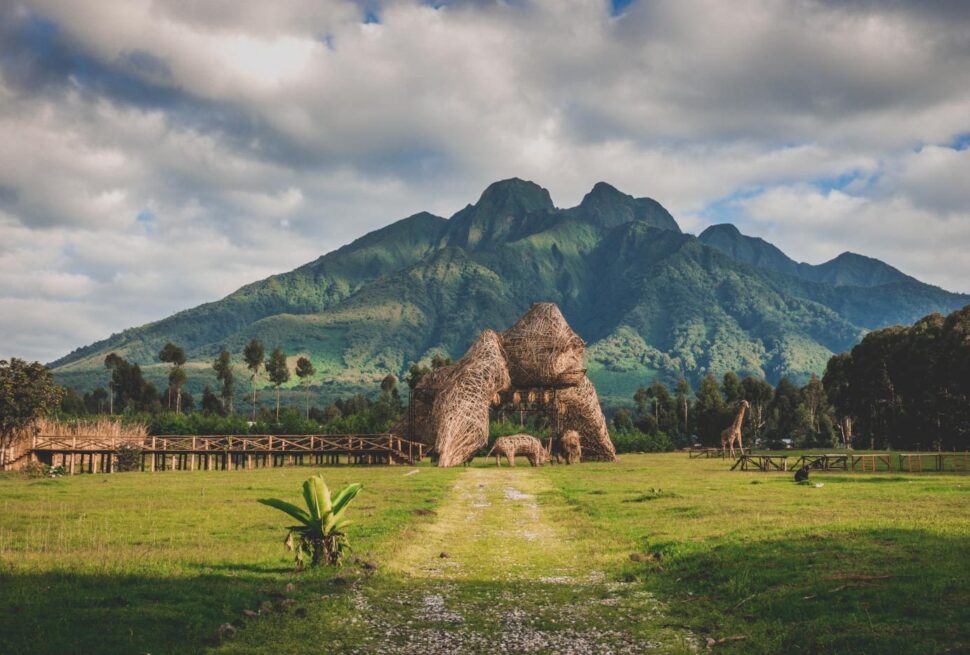

A good Kenya safari itinerary for one week spends two nights in Amboseli, one night by Lake Naivasha or Lake Nakuru and three nights in the Masai Mara, then returns to Nairobi on day seven. That route gives you elephants below Kilimanjaro, Rift Valley lakes and the Mara’s big cats without rushing any of them.
The catch is distance: most Kenyan parks sit four to six hours apart by road, and every extra stop eats into game-drive time. Below we compare four one-week routes we plan from Nairobi, with day-by-day timings, verified park fees, real trip prices and an honest view of who each route suits.
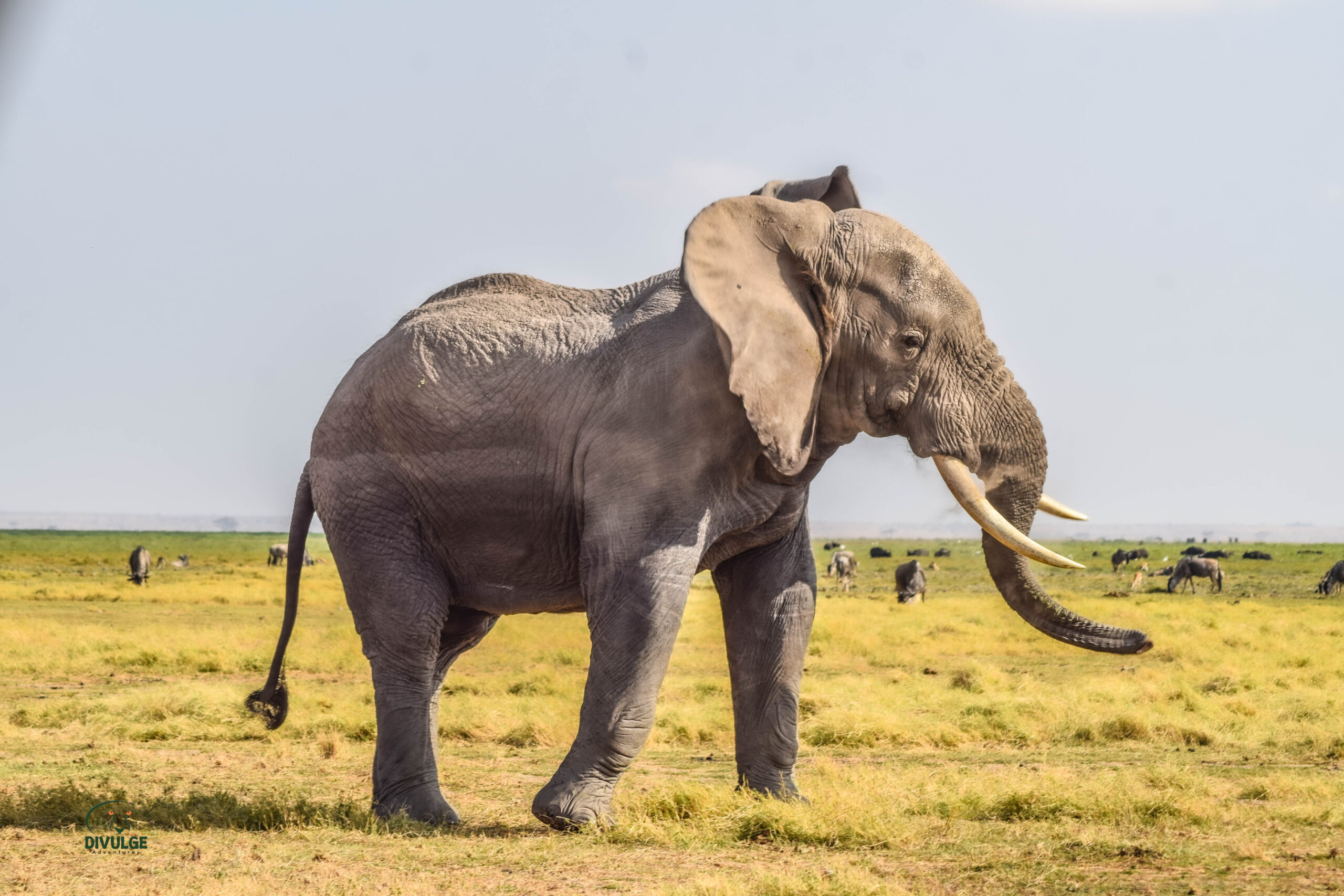
Photo: Divulge Adventures
Quick Facts
- Classic Kenya safari itinerary: Amboseli (2 nights), Naivasha or Nakuru (1 night), Masai Mara (3 nights)
- Typical road transfer: 4 to 5 hours between parks, about 5 hours from the Mara back to Nairobi
- Flight to the Mara: About 40 to 60 minutes from Nairobi’s Wilson Airport to a Mara airstrip
- Park fees, classic route: About US$870 per adult July to December, about US$570 January to June (checked October 2026)
- Migration season: Usually July to October in the Masai Mara; river crossings are never guaranteed
- Wettest months: April and May (long rains), with lighter short rains in November and December
Is One Week Long Enough for a Safari in Kenya?
One week is long enough for a satisfying first safari in Kenya, as long as you pick one circuit and stay at least two nights in your main park. Seven days lets you see three or four very different areas; it does not let you combine the south, the north and the coast without flying.
Ready to go? Book your customized safari instantly on WhatsApp — we'll take it from there.
 Book
Instantly on
The maths is simple. A seven-day trip has six nights, and on almost any one-week Kenya safari itinerary four of the seven days include a long drive. Each transfer still includes a game drive on arrival, but the full days are where most of your best sightings happen. That is why every route below keeps at least two nights, and ideally three, in its headline park.
If you only have five days, trim the Kenya safari itinerary by a stop rather than squeezing it in. If you have nine or ten days, add a second Mara night or a few days at the coast. Our Kenya safari cost guide shows how the length of the trip changes the overall budget.
Four One-Week Routes Compared at a Glance
The four routes below, each a complete Kenya safari itinerary for a week, cover the main choices: the classic southern circuit, the quieter north, a rhino-focused route ending in the Mara Triangle, and a safari-and-beach week. Each one starts and ends in Nairobi and uses a private 4×4 with a driver guide.
| Route | Parks and nights | Best for | Driving |
|---|---|---|---|
| 1. Classic southern circuit | Amboseli 2, Nakuru or Naivasha 1, Masai Mara 3 | First safari, families, migration season | Four transfers of about 4 to 5 hours |
| 2. Northern Kenya | Ol Pejeta 2, Meru 2, Samburu 2 | Repeat visitors, rhinos, the Special Five | About 4 hours per leg, 6 hours home |
| 3. Rhinos and the Mara Triangle | Solio 2, Naivasha 1, Mara Triangle 3 | Rhino lovers, photographers, active travellers | About 4 to 5 hours per leg |
| 4. Safari and beach | Masai Mara 3, Diani 3 | Honeymooners, a first trip with downtime | Flights do most of the work |
Route 1 is the Kenya safari itinerary most people picture. Routes 2 and 3 trade the famous names for fewer vehicles and better rhino sightings, while Route 4 swaps half the safari for the Indian Ocean.
Route 1: The Classic Kenya Safari Itinerary From Nairobi
The classic Kenya safari itinerary links Amboseli, the Rift Valley lakes and the Masai Mara in seven days by road. It suits first-time visitors because each stop looks and feels different: dusty elephant plains, flamingo lakes and a boat ride, then the open grassland of the Mara.
This is the route behind our 7 Days Amboseli, Naivasha, Nakuru and Masai Mara safari, which starts from US$2,711 per adult on its trip page, and the similar 7 Days Sopa Lodges Circuit, from US$2,595 per adult with every night in the same lodge group.

Photo: Divulge Adventures
Days 1 and 2: Amboseli National Park
Day one leaves Nairobi after a briefing for a drive of about four hours to Amboseli, roughly 240 km south-east of the city, with an evening game drive. Day two is a full day among the park’s big elephant herds, with Kilimanjaro on the skyline when the clouds lift, usually early morning, and a walk up Observation Hill over the swamps.
Day 3: Lake Naivasha and Lake Nakuru
Day three is the longest drive of the Kenya safari itinerary, about five hours to Lake Naivasha with a stop at a Great Rift Valley viewpoint. After lunch, a boat ride brings you close to hippos and fish eagles, and some versions add a walk on Crescent Island. You sleep near or inside Lake Nakuru National Park.
Day 4: Lake Nakuru to the Masai Mara
An early game drive in Lake Nakuru gives the best chance of white rhinos and Rothschild’s giraffes, before a drive of about five hours to the Mara for an afternoon game drive. Read our Masai Mara vs Amboseli comparison if you are tempted to give one of the two parks an extra night.
Days 5 to 7: Two full days in the Masai Mara
Days five and six are full days in the reserve, often with a picnic lunch on the plains so you can stay out with the cats, and the option of an early hot air balloon flight. Book Mara camps early for July to October, when you will spend time at the river waiting for crossings; our guide to the best Masai Mara camps by budget helps you choose. Day seven usually includes a Maasai village visit and the five-hour drive back to Nairobi.
Is this Kenya safari itinerary good for children?
This Kenya safari itinerary works well for families with children aged about six and up, because the drives break naturally at lunch stops and every park has a different headline animal. With younger children, consider flying back from the Mara on day seven to cut the longest day in half.
Route 2: Northern Kenya for Rhinos and the Special Five
Northern Kenya trades the Mara’s crowds for rhino sanctuaries, quiet riverine forest and animals you will not find in the south. A northern Kenya safari itinerary gives two nights each to Ol Pejeta Conservancy, Meru National Park and Samburu, which lies about 350 km north of Nairobi on the Ewaso Ng’iro River.
The Special Five of Samburu are Grevy’s zebra, reticulated giraffe, Beisa oryx, Somali ostrich and gerenuk, all adapted to the dry north. Ol Pejeta adds black and white rhinos with Mount Kenya behind them, and Meru, where Elsa the lioness of Born Free was released, is green, rarely busy and excellent for birds.
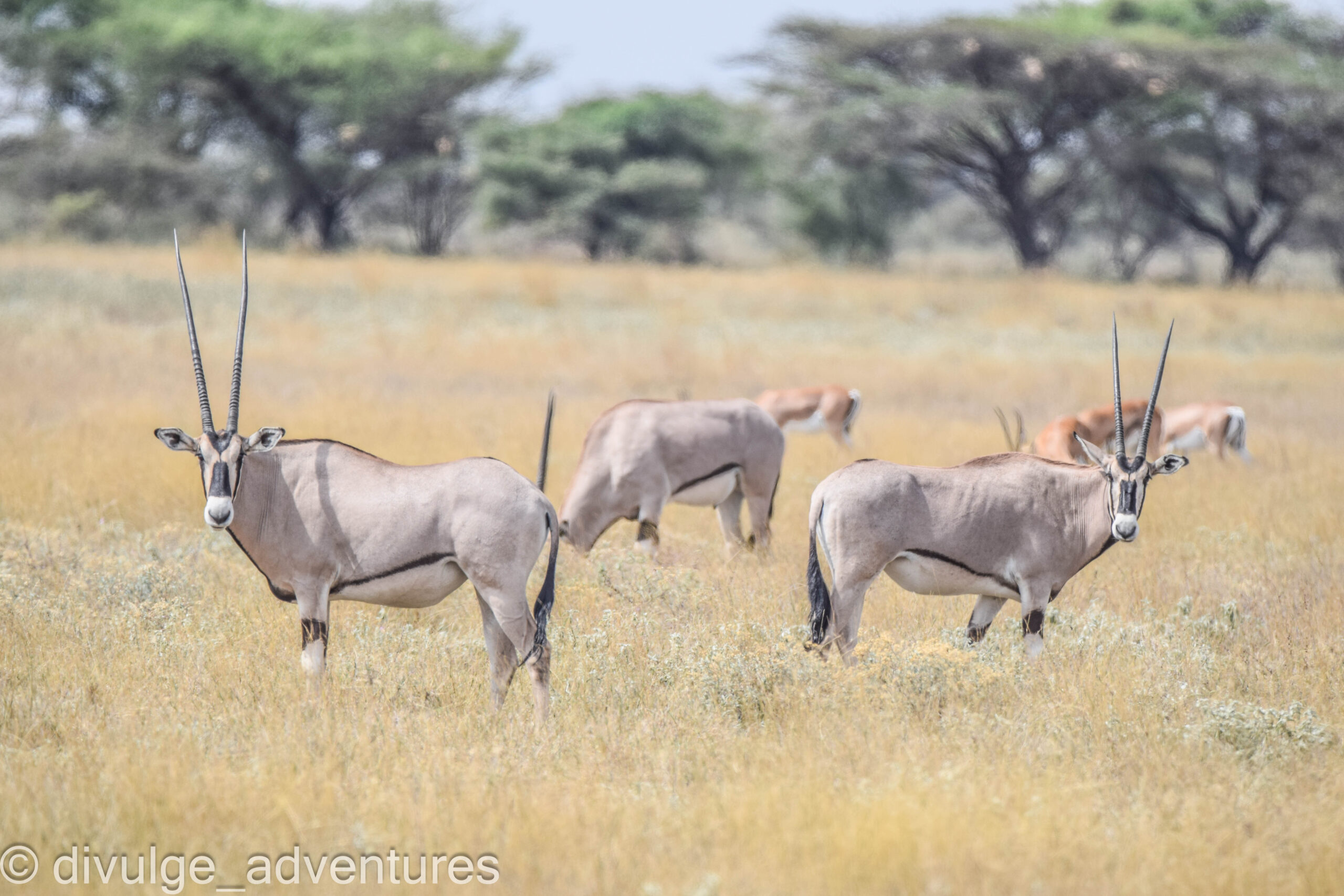
Photo: Divulge Adventures
Each leg on this Kenya safari itinerary is around four hours by road, with about six hours back to Nairobi on the last day. Our 7 Day Special Five Ol Pejeta, Meru and Samburu safari follows exactly this pattern and starts from US$2,915 per adult. Meru’s KWS fee is US$70 per non-resident adult per 24 hours (checked October 2026), lower than Amboseli’s.
The trade-off is the migration: this route has none. If your week falls between July and October and the herds are the reason you are coming, choose Route 1 or Route 3. For background on the north, see our Samburu National Game Reserve guide.
Route 3: Solio, Naivasha and the Mara Triangle
This Kenya safari itinerary swaps Amboseli for Solio Game Reserve, a private rhino sanctuary in central Kenya, and ends in the Mara Triangle, the quieter western sector of the Masai Mara run by the Mara Conservancy. It suits photographers and travellers who would rather see rhinos up close than elephants below Kilimanjaro.
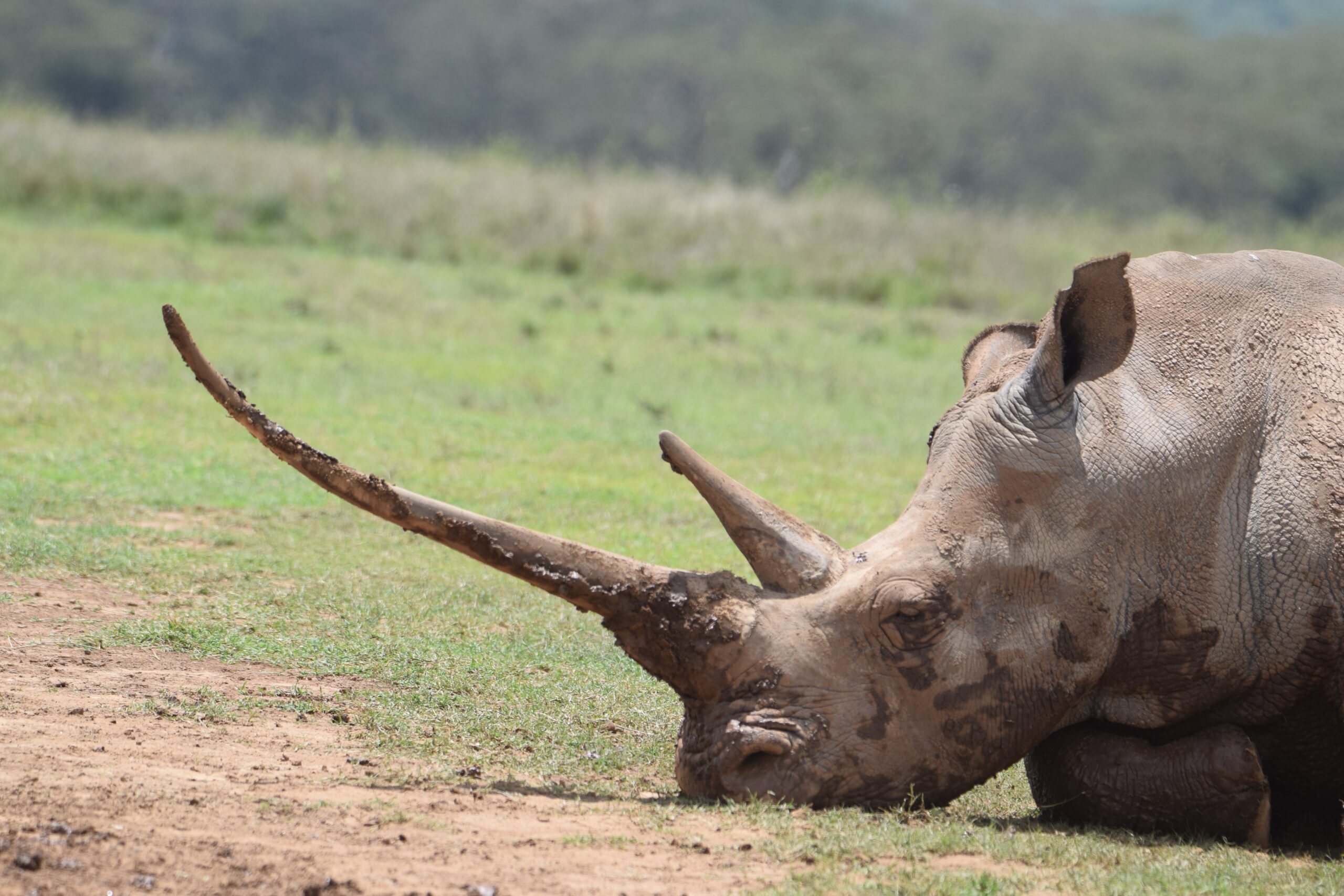
Photo: Divulge Adventures
You drive about four hours to Solio for two nights, then about four hours to Lake Naivasha via Thomson’s Falls for a boat ride and a walk on Crescent Island. Day four starts with cycling through Hell’s Gate National Park before the drive to the Mara Triangle, where days five and six are given to big cats and the river.
Our 7 Day Solio, Naivasha and Masai Mara Triangle safari is priced on request because the lodges vary by season. Our Solio Game Reserve guide explains why so few itineraries include this reserve.
Route 4: How Do You Fit a Beach Into One Week in Kenya?
You fit a beach into a one-week Kenya safari itinerary by flying, not driving. The usual pattern is three nights in the Masai Mara and three nights at Diani on the south coast, with a 40 to 60 minute flight from Wilson Airport into the Mara and a second flight to the coast.
Some scheduled light-aircraft services link Mara airstrips with Diani directly; otherwise you connect through Nairobi. A cheaper option is the Madaraka Express train from Nairobi to Mombasa, which takes roughly five to six hours depending on the service, followed by a road transfer south. Our guide to a Kenya safari by train covers classes and booking.

Photo by Andrew Molo on Unsplash
This split Kenya safari itinerary works best for honeymooners and anyone who wants a slower week. The cost per day is higher because of the flights, but you lose almost no time on the road. See our bush and beach safaris and fly-in safari packages for ready-made versions.
How Much Does a One-Week Kenya Safari Cost?
A private one-week road safari in Kenya on full board starts from about US$2,600 to US$2,900 per adult on our published seven-day trips, before international flights, visas and tips. Park fees are a big share of that, and the Masai Mara fee doubles in the second half of the year.
The Masai Mara National Reserve charges non-resident adults US$100 a day from January to June and US$200 a day from July to December, with children aged 9 to 17 at US$50 (checked October 2026). Kenya Wildlife Service parks charge per 24 hours: US$90 for Amboseli and Lake Nakuru, US$70 for Meru and US$50 for Hell’s Gate, according to the official KWS conservation fee schedule (checked October 2026).
| Park fee on Route 1 | July to December | January to June |
|---|---|---|
| Amboseli, 2 x 24 hours | US$180 | US$180 |
| Lake Nakuru, 1 x 24 hours | US$90 | US$90 |
| Masai Mara reserve, 3 days | US$600 | US$300 |
| Estimated total per adult | About US$870 | About US$570 |
These are estimates per non-resident adult for the classic Kenya safari itinerary; the exact count depends on how your entry and exit times fall. Fees change, so confirm the current rates before you book. Our Kenya park fees guide lists every park and the child rates.
Road safari or fly-in for the Mara?
Flying into the Mara costs more than driving but saves around ten hours on the road across the trip, since the road legs in and out each take about five hours. On a Kenya safari itinerary that ends with an evening flight home, many travellers drive in to see the Rift Valley and fly out on day seven to reach Nairobi by midday.
See our one-week Kenya safaris
Compare seven-day routes through Amboseli, the Rift Valley lakes, the north and the Masai Mara, each run privately with a Land Cruiser and a local driver guide.
When Is the Best Time to Follow Each Route?
The best time for a one-week safari in Kenya is the long dry season from late June to October, followed by the shorter dry spell from January to February. Which month suits your Kenya safari itinerary depends on the route: the migration matters for the Mara, while the north is good in any dry month.
From July to October the wildebeest herds are usually in the Masai Mara, which makes any Mara-based Kenya safari itinerary (Routes 1, 3 and 4) the obvious pick; crossings happen on the animals’ schedule, so two full Mara days help. Our Great Migration month-by-month guide shows where the herds tend to be each month.
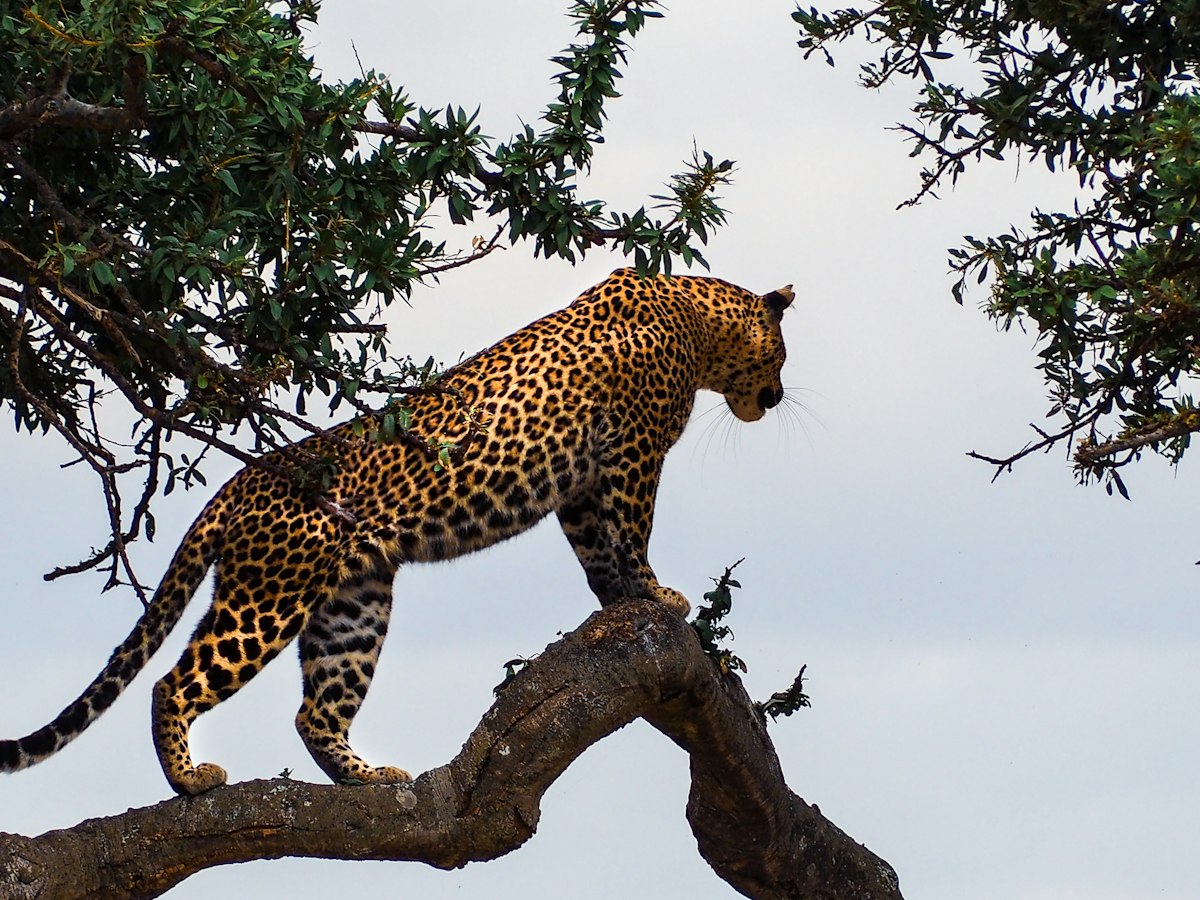
Photo: Divulge Adventures
January and February are dry, warm and cheaper in the Mara because of the lower reserve fee. April and May bring the long rains, muddy tracks and the lowest lodge rates, and a few camps close. November and December see shorter afternoon showers, green grass and many newborn animals, a good time for the northern route.
Insider Tips
- Give the Mara three nights: On any Kenya safari itinerary, two full days there do more for sightings than a fourth park
- Fly one way: Driving in and flying out of the Mara cuts the longest day of the trip
- Watch the Mara fee calendar: Starting a trip on 1 July doubles the reserve fee compared with late June
- Early starts pay: Kilimanjaro is usually clearest at dawn in Amboseli, and cats are most active early
- Pack light: Soft bags of about 15kg suit light aircraft if you add a flight to the Mara or the coast
Let us plan your safari
Tell us your dates, budget and dream sightings, and our Nairobi team will send you a free tailor-made itinerary and quote.
Frequently Asked Questions
What is the best Kenya safari itinerary for one week?
The best Kenya safari itinerary for one week for most first-time visitors is two nights in Amboseli, one night at Lake Naivasha or Nakuru and three nights in the Masai Mara. It mixes elephants below Kilimanjaro, Rift Valley lakes and the Mara’s big cats in a single private road trip.
Is 7 days enough for a safari in Kenya?
Seven days is enough for a rewarding first safari if you limit your Kenya safari itinerary to three or four areas and give the Masai Mara at least two full days. A week will not cover the north and the south together, so choose one circuit, or fly between parks to save the long road transfers.
How much does a 7 day Kenya safari cost?
A 7 day Kenya safari on a private road trip with full board usually starts from roughly US$2,600 to US$2,900 per adult on Divulge’s published one-week trips, before flights and tips. Park fees alone add up to about US$870 per adult on the classic route between July and December, or about US$570 from January to June (checked October 2026).
Should I drive or fly on a one-week Kenya safari?
Driving is cheaper and lets you see the countryside, but the classic one-week Kenya safari itinerary has four transfers of four to five hours each. Flying from Wilson Airport to a Mara airstrip takes about 40 to 60 minutes, so a fly-in Mara stay suits travellers who want more game-drive time and less time on the road.
When is the best month for a one-week Kenya safari?
July to October is the best time for a one-week Kenya safari if you want the Great Migration in the Masai Mara, while January and February offer dry weather and lower Mara fees. The long rains in April and May bring the lowest prices, with greener scenery, muddier tracks and some camps closed.
Final Thoughts
For a first trip, the classic Kenya safari itinerary of Amboseli, the Rift Valley lakes and three nights in the Masai Mara is hard to beat in a week. Choose the north for rhinos and quiet parks, the Solio route for photography, or split the week with Diani if downtime matters as much as wildlife.
Send us your travel month and the animals you most want to see, and we will suggest the Kenya safari itinerary and lodges that fit, with honest advice on driving versus flying.
Torn between Amboseli, the north and the beach for your week?
Chat with a Divulge Adventures safari consultant on WhatsApp for honest advice, a quick answer and a quote built around you.