The Masai Mara vs Amboseli choice comes down to what you most want to see. The Masai Mara is Kenya’s best park for big cats and the Great Migration, while Amboseli is the place for large elephant herds framed by Mount Kilimanjaro. With six days or more, the best answer is usually to visit both.
If you only have room for one park, the decision feels bigger than it is, and most comparisons online repeat the same two lines. Below we compare the Masai Mara vs Amboseli question the way our Nairobi team plans real itineraries: wildlife, seasons, park fees, travel time, crowds and who each park suits, so you can choose with confidence.
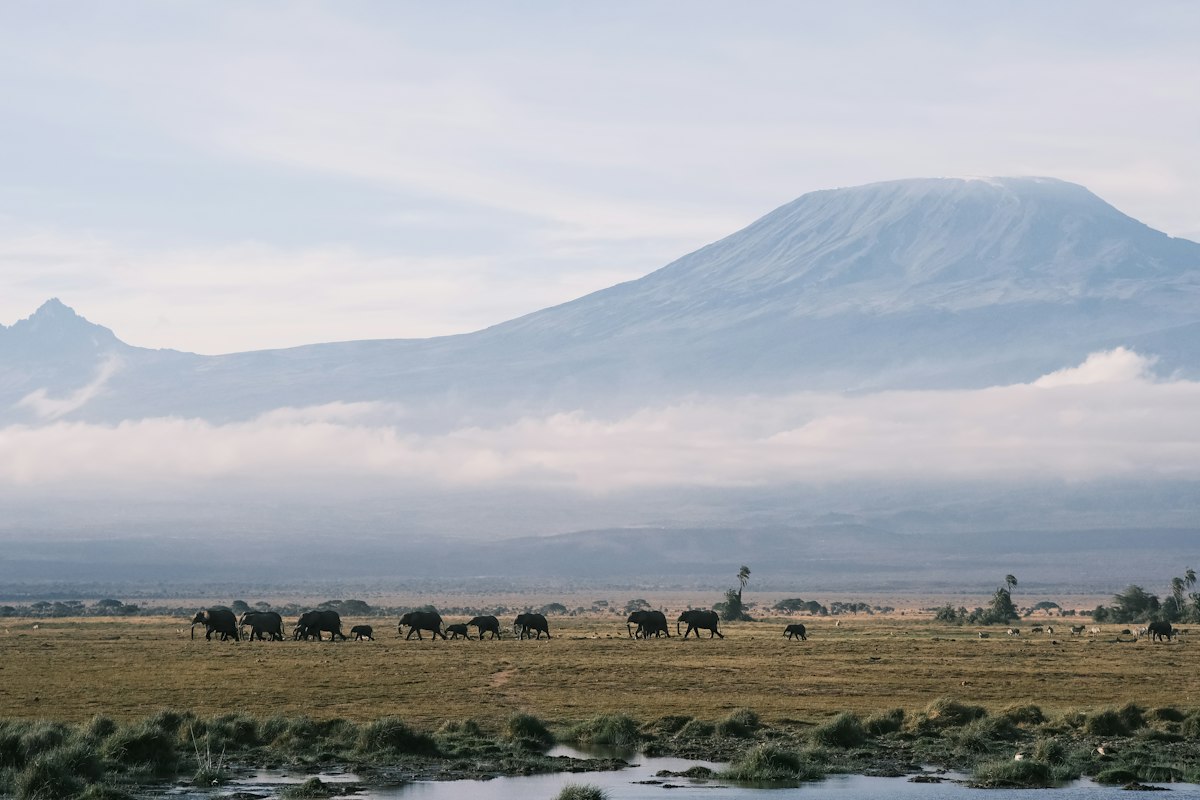
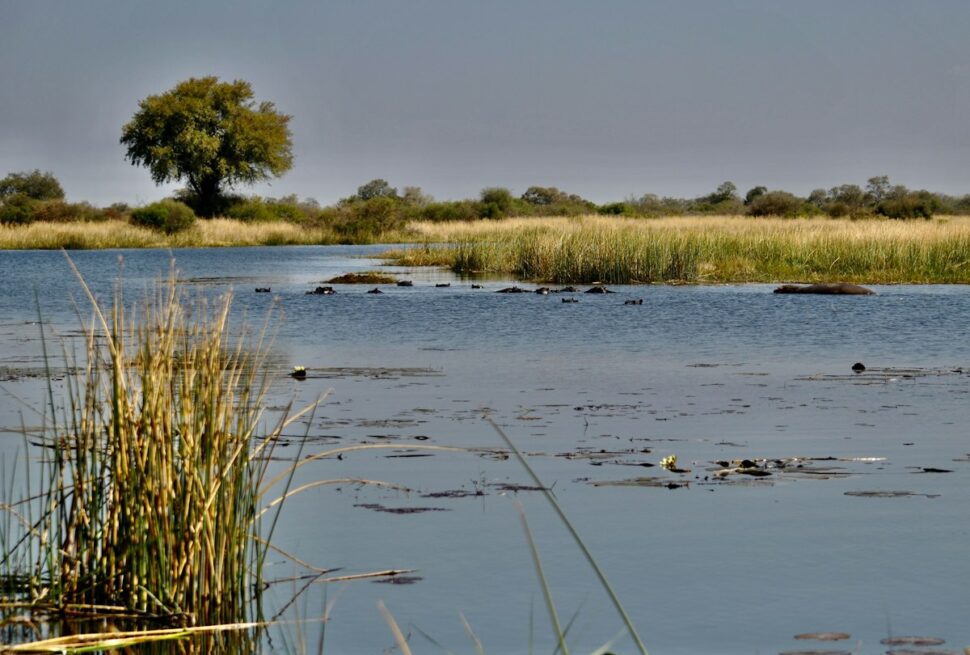
Photo: Divulge Adventures
Quick Facts
- Masai Mara: National reserve in Narok County, south-western Kenya, bordering Tanzania’s Serengeti
- Amboseli: Kenya Wildlife Service national park of 392 km², about 240 km south-east of Nairobi near the Tanzanian border
- Signature sightings: Mara: lion, cheetah, leopard and the migration. Amboseli: elephants beneath Kilimanjaro
- Big Five: All five in the Mara (rhino is scarce); Amboseli has no rhino
- Park fees: Amboseli US$90 per adult per 24 hours; Mara US$200 per day July-December, US$100 January-June (checked October 2026)
- Best for: Mara for a first safari and the migration; Amboseli for elephants, photography and shorter trips
- Masai Mara vs Amboseli verdict: See both if you have six days or more
Masai Mara vs Amboseli at a Glance
The Masai Mara vs Amboseli comparison is really a big-cat park against an elephant park. The Mara is far larger, with rolling grassland, a river system and a ring of private conservancies, while Amboseli is compact, flat and dry, with swamps fed by water from Kilimanjaro that keep elephants close all year.
Ready to go? Book your customized safari instantly on WhatsApp — we'll take it from there.
 Book
Instantly on
That difference shapes every Masai Mara vs Amboseli trade-off, from how many hours you spend driving between sightings to the kind of photographs you bring home. The table below sets out the key points side by side.
| Factor | Masai Mara | Amboseli |
|---|---|---|
| Landscape | Rolling savanna, acacia, the Mara and Talek rivers | Flat plains, dry lake bed and green swamps below Kilimanjaro |
| Headline wildlife | Lion, cheetah, leopard, hyena, the Great Migration | Large elephant herds, buffalo, hippo, wading birds |
| Big Five | All five, rhino scarce | No rhino; leopard rare |
| Adult park fee | US$200 per day Jul-Dec, US$100 Jan-Jun | US$90 per 24 hours year-round |
| Road from Nairobi | About 270-280 km, around 5 hours or more | About 240 km, around 4-5 hours |
| Ideal stay | 3-4 nights | 2 nights |
Fees were checked in October 2026 and change from time to time, so always confirm current rates before booking. For the full breakdown of gates, children’s rates and payment methods, see our guide to Kenya park fees for KWS parks and the Masai Mara.
Which Has Better Wildlife, the Masai Mara or Amboseli?
In the Masai Mara vs Amboseli wildlife match-up, the Masai Mara has better all-round wildlife, especially predators. It is one of Africa’s most reliable places for lion, cheetah and leopard, and it hosts the Great Migration for part of the year. Amboseli has fewer species on show but delivers elephant encounters that few parks anywhere can match.
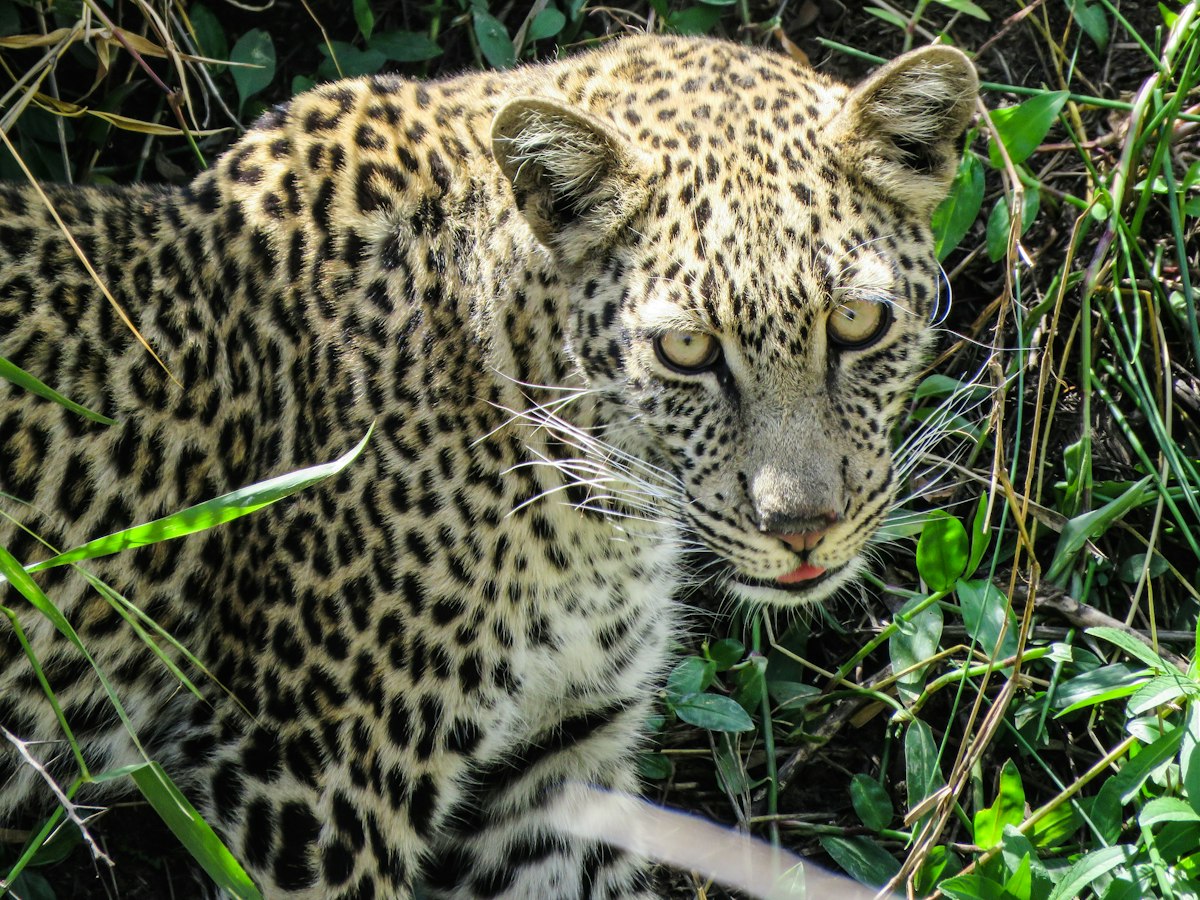
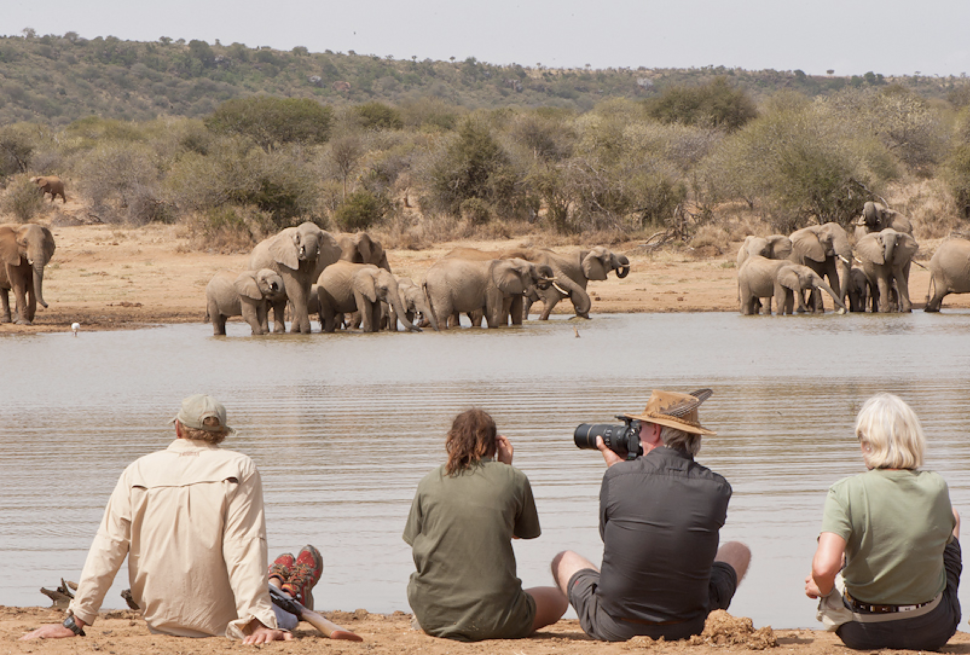
Photo: Divulge Adventures
Masai Mara vs Amboseli for big cats and the migration
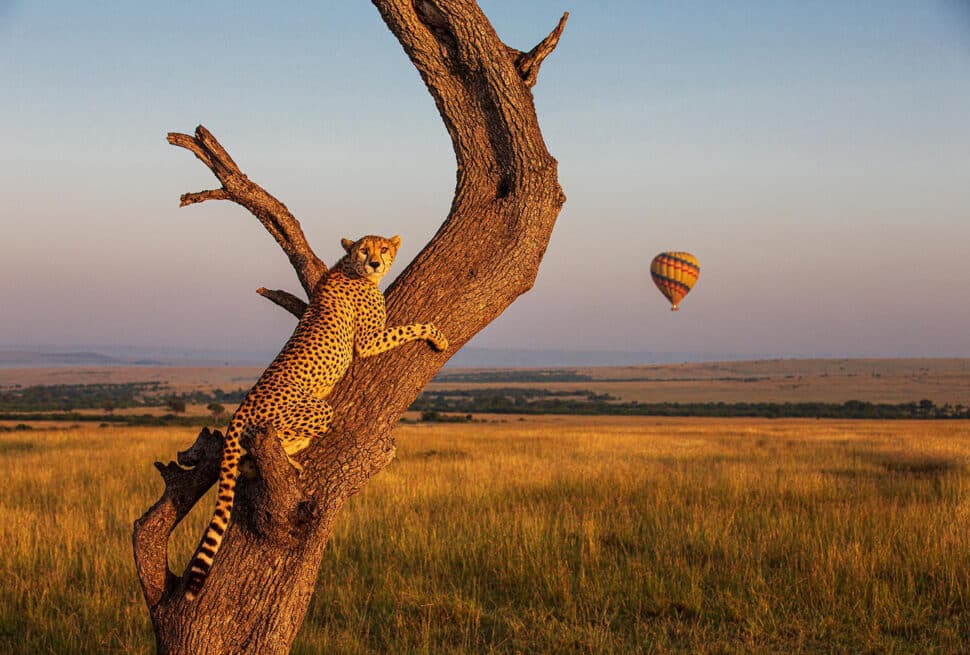
The Masai Mara’s open grassland supports huge numbers of plains game, including topi, Thomson’s gazelle, zebra, giraffe and buffalo, and that prey base keeps lion prides, cheetah and hyena active in plain view. Leopards favour the riverine woodland along the Talek and Mara rivers, and patient guides find them regularly. A small black rhino population survives, but rhino are shy and should be treated as a bonus.
The private conservancies that border the reserve, such as Mara North, Olare Motorogi and Naboisho, add walking safaris, night drives and limits on vehicles at sightings. Our guide to choosing between the Mara reserve and a conservancy explains that trade-off in detail.
Amboseli wildlife: elephants under Kilimanjaro
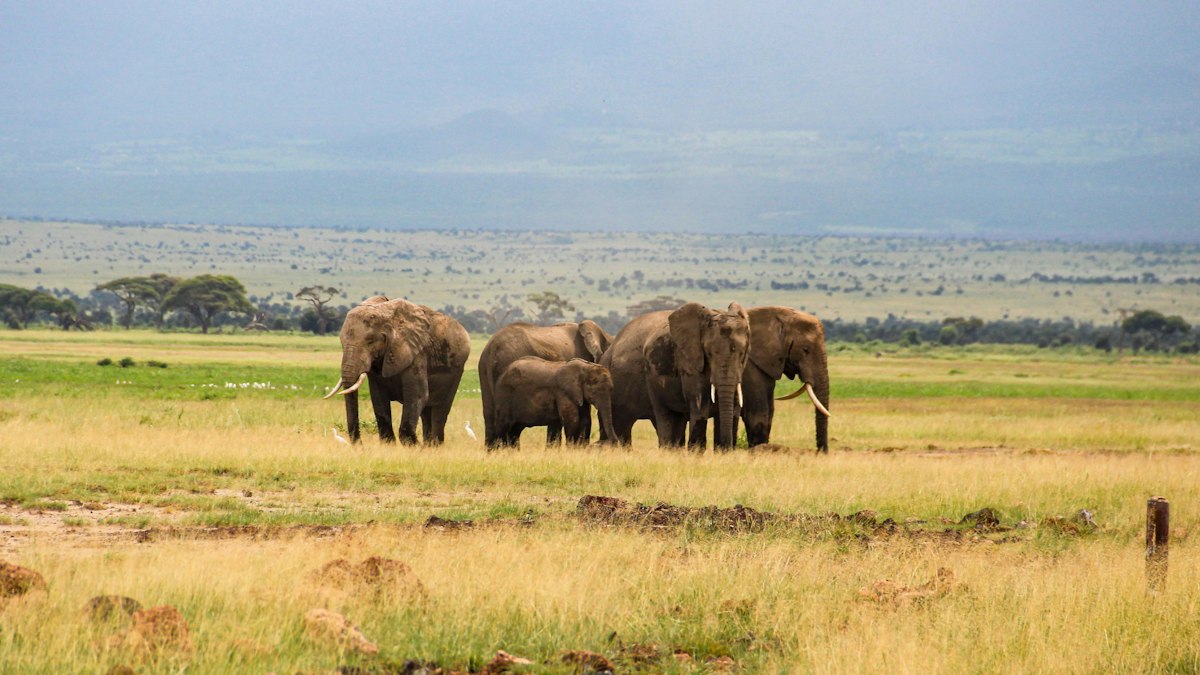
Amboseli wins the Masai Mara vs Amboseli contest for elephants. The wider ecosystem supports around 1,500 of them, according to the Amboseli Trust for Elephants, and Amboseli’s herds are among the most closely studied in the world. Bulls with long tusks often walk between the swamps in the open, which makes for close, unhurried viewing and some of Kenya’s best elephant photography.
Beyond elephants, Amboseli has buffalo, hippo, zebra, wildebeest, giraffe, spotted hyena and lion, plus the slender gerenuk in drier bush. The swamps attract pelicans, herons and, when the lake bed holds water, flamingos. What Amboseli lacks is rhino, and leopard sightings are uncommon. Our list of the top Amboseli attractions covers Observation Hill and the best viewpoints.
When Is the Best Time to Visit the Masai Mara and Amboseli?
The best time for the Masai Mara is July to October, when the Great Migration herds are in Kenya, with January to March a quieter, good-value alternative. Amboseli is best in the dry months of June to October and January to February, when elephants gather at the swamps and Kilimanjaro is often clear at dawn.
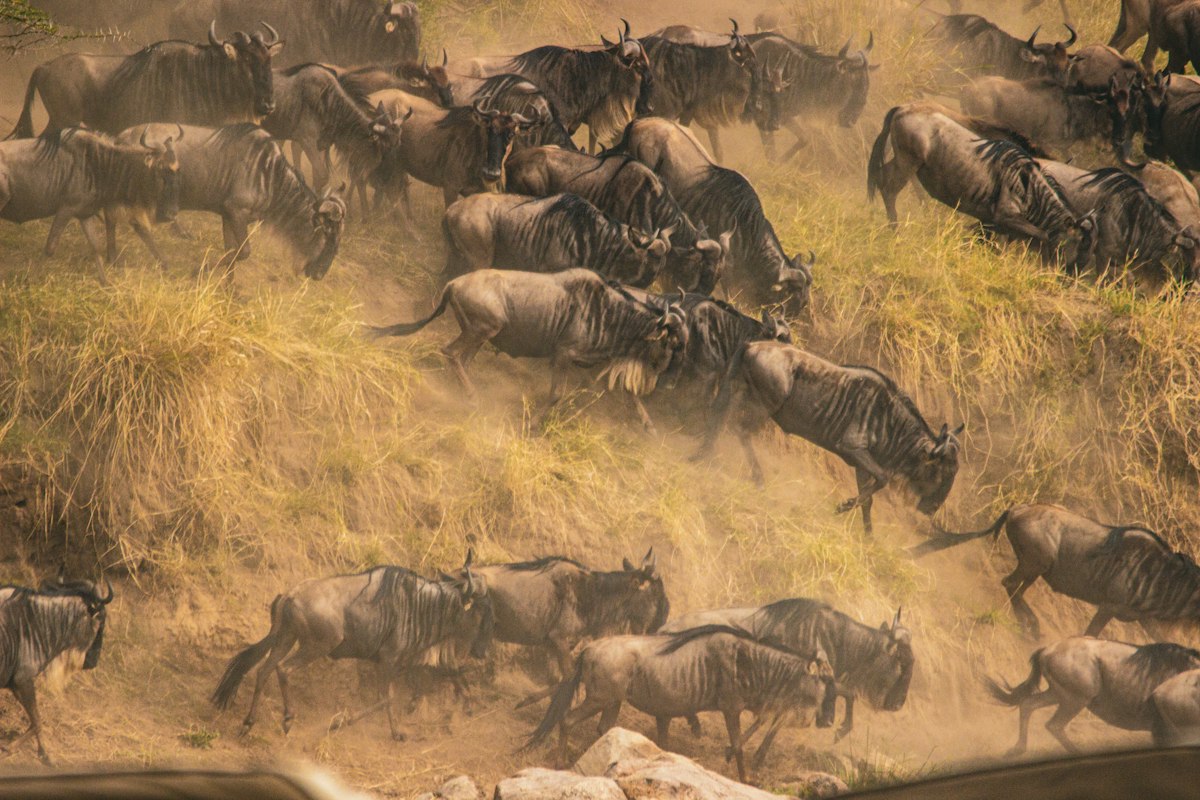
Photo: Divulge Adventures
In a Masai Mara vs Amboseli plan, seasons matter more for the Mara. Amboseli’s elephants stay close to permanent swamps year-round, so a visit works in most months. The Mara changes character through the year: crowded and spectacular during the migration, greener and calmer from November to June, when resident predators still give excellent viewing. Our guide to the best time to visit the Masai Mara goes month by month.
| Months | Masai Mara | Amboseli |
|---|---|---|
| January-March | Dry, quiet, lower reserve fee; strong resident cat viewing | Dry and hot; clear Kilimanjaro mornings; very good |
| April-May | Long rains; lush, few visitors, some camps close | Long rains; swamps full, roads muddy; quietest month for crowds |
| June | Drying out; herds may start arriving late in the month | Dry season begins; good viewing |
| July-October | Great Migration and river crossings; busiest season | Peak dry season; elephants at the swamps; dusty |
| November-December | Short rains, green grass; migration usually moving south | Short rains; green plains, fewer vehicles |
The Masai Mara vs Amboseli timing question has a simple rule of thumb: if your dates fall between July and October, give the Mara the most nights, and if you travel in the green season or want a short break from Nairobi, Amboseli loses less of its appeal. For migration timing, read our Great Wildebeest Migration guide.
How Much Does a Masai Mara vs Amboseli Safari Cost?
Amboseli is usually the cheaper park. Its Kenya Wildlife Service fee is US$90 per non-resident adult per 24 hours all year, while the Masai Mara reserve charges US$200 per adult per day from July to December and US$100 from January to June (checked October 2026). Lodge prices overlap in both parks.
Fees are only part of the Masai Mara vs Amboseli bill. Accommodation, transport and the length of your stay matter more, and both parks offer everything from simple tented camps to high-end lodges. The figures below are our estimates of typical per-person rates per night in a shared room, full board with game drives, and they vary widely by season and property.
| Budget tier | Masai Mara (estimate per person per night) | Amboseli (estimate per person per night) |
|---|---|---|
| Budget camp | About US$150-250 | About US$150-250 |
| Mid-range lodge or tented camp | About US$300-600 | About US$250-500 |
| Luxury camp or conservancy | About US$700-1,500+ | About US$600-1,200+ |
These are estimates, not Divulge prices, and they exclude international flights and tips. In a Mara conservancy the conservancy fee is normally included in the camp rate rather than paid at a gate, which is why conservancy camps look more expensive at first glance. Our Masai Mara entrance fee guide and full Kenya safari cost breakdown show how the numbers add up across a whole trip.
Masai Mara vs Amboseli fees on a 5-night trip
On a five-night Masai Mara vs Amboseli split of three nights in the Mara and two in Amboseli, park fees in August come to roughly US$600 for the Mara plus about US$180-270 for Amboseli per adult, depending on how the 24-hour tickets fall. In February the Mara share halves to about US$300. These are estimates for planning only; confirm current fees before booking.
Why choose? See Amboseli and the Masai Mara on one trip
Skip the Masai Mara vs Amboseli dilemma: our private road safaris pair elephants under Kilimanjaro with the big cats of the Mara, with a 4×4 Land Cruiser, an expert driver guide and itineraries we tailor to your dates.
How Do You Get to the Masai Mara and Amboseli From Nairobi?
Amboseli is the shorter Masai Mara vs Amboseli trip from Nairobi: about 240 km by road, usually four to five hours via Namanga or Emali. The Masai Mara is roughly 270-280 km west, around five hours or more by road through the Rift Valley and Narok. Both parks have airstrips served from Wilson Airport.
On travel time, the Masai Mara vs Amboseli comparison favours Amboseli, and road travel keeps costs down in both cases. The Mara drive is the longer day, though the final stretch of road towards the reserve has been tarmacked, which has cut journey times. Flying takes about an hour to the main Mara airstrips such as Keekorok, Musiara and Kichwa Tembo, and there is a scheduled daily service to Amboseli as well.
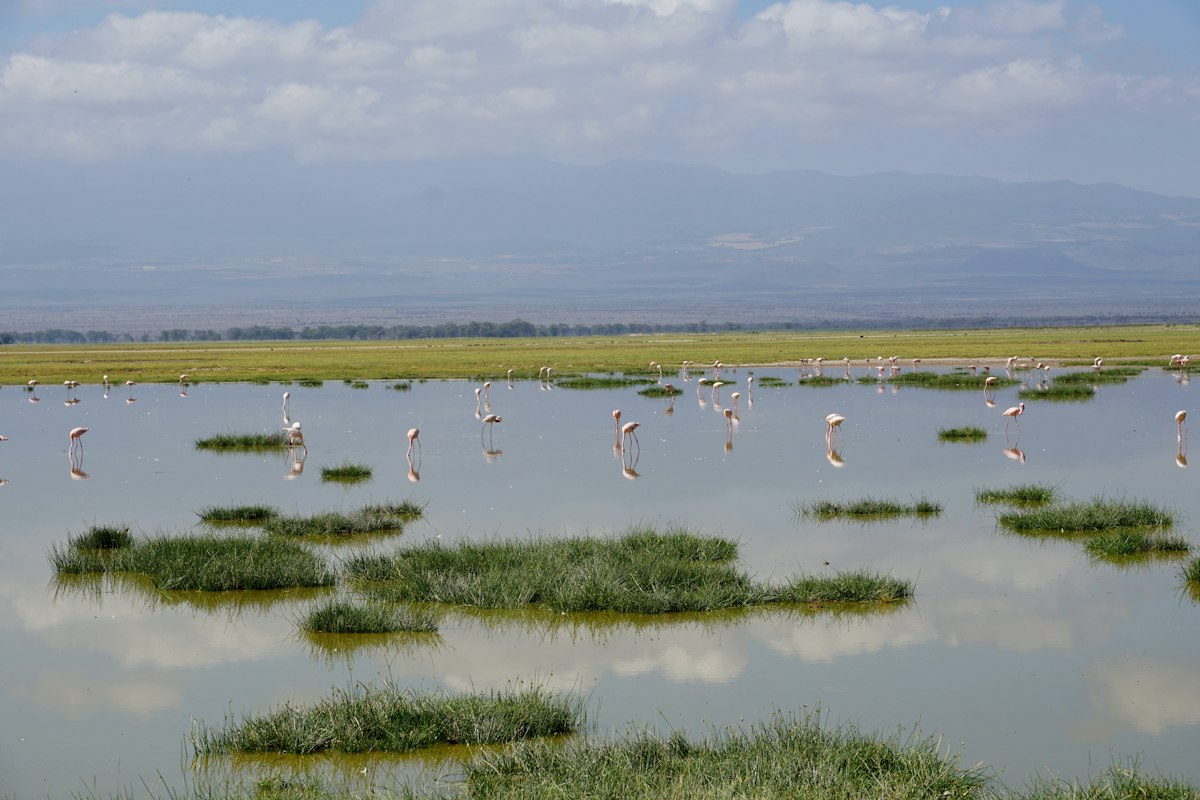
Photo: Divulge Adventures
Fly-in safaris suit travellers short on time or wanting to skip long road days, and our fly-in safari packages combine both parks with scheduled flights. Because Amboseli and the Mara lie on opposite sides of Nairobi, there is no direct road between them that saves much time, which is why itineraries usually break the journey at Lake Naivasha or Lake Nakuru.
Which Park Is Less Crowded?
On crowds, the Masai Mara vs Amboseli answer is that Amboseli generally feels quieter in the July to October peak, because it is off the migration circuit. Its open plains do make vehicles visible. In the Mara, crowds concentrate at river crossings and big-cat sightings inside the main reserve, while the conservancies stay much quieter.
If avoiding vehicles is your main Masai Mara vs Amboseli concern, staying in a Mara conservancy is the most effective step, since conservancies cap the number of vehicles at a sighting. In Amboseli, community land around the park, such as the areas towards Kimana and the Chyulu Hills, has camps that offer guided walks and a more private feel. Visiting either park outside the peak months also makes a clear difference.
Who Should Choose the Masai Mara, and Who Should Choose Amboseli?
The simplest Masai Mara vs Amboseli rule: choose the Mara if this is your first safari, you want lions and cheetahs, or you are travelling between July and October. Choose Amboseli if elephants are your favourite animal, you want Kilimanjaro photographs, or you only have two or three days. Choose both if you have six days or more.

Photo: Divulge Adventures
The Masai Mara suits
The Masai Mara suits first-time visitors who want the classic big-cat safari, migration chasers, families who want plenty of action on every drive, and couples looking for a special stay, from tented camps to some of the best Masai Mara camps at every budget. It is also the better choice for a hot-air balloon flight at dawn.
Amboseli suits
Amboseli suits wildlife photographers, elephant lovers, travellers with limited time who want a two-night trip from Nairobi, and anyone continuing to Tsavo West or the coast. Our 4 Day Amboseli Photography Safari is built around early light on the elephants, while the 3 Day Masai Mara Photography Safari focuses on big cats.
How to Combine the Masai Mara and Amboseli in One Safari
The easiest way to combine the Masai Mara and Amboseli is a six-day or longer road safari: two nights in Amboseli, one night at Lake Naivasha or Lake Nakuru to break the drive, and two or three nights in the Mara. With less time, fly between the parks via Nairobi.
Our 6-Day Best of Amboseli and Masai Mara Safari follows exactly this route, with two nights at Amboseli Sopa Lodge, a night at Lake Nakuru Sopa Lodge and two nights at PrideInn Mara Camp on full board in a private 4×4. Rather than settling the Masai Mara vs Amboseli debate, it gives you both, and starting in Amboseli and finishing in the Mara means the trip builds to its most dramatic wildlife.
| Trip length | Suggested split | Best for |
|---|---|---|
| 3-4 days | Amboseli only, or Masai Mara only | Short breaks from Nairobi |
| 5-6 days | 2 nights Amboseli, 1 night Nakuru or Naivasha, 2-3 nights Mara | First-time visitors wanting both |
| 7-10 days | Add Lake Nakuru, Samburu or Tsavo West | A full Kenya circuit |
Insider Tips
- Book Amboseli at the start: Kilimanjaro is clearest early in the morning, so be on the plains at sunrise on both days
- Time the Mara fee: January to June halves the Mara reserve fee compared with July to December
- Pick a conservancy for privacy: Vehicle limits and walks make Mara conservancies feel far less busy
- Allow for dust: Amboseli is very dusty in the dry season; protect cameras and pack a scarf
- Do not rush the Mara: Two nights is the minimum; three or four give you time for big cats
Let us plan your safari
Tell us your dates, budget and dream sightings, and our Nairobi team will send you a free tailor-made itinerary and quote.
Frequently Asked Questions
Masai Mara vs Amboseli: which is better for a first safari?
In the Masai Mara vs Amboseli choice, most first-time visitors are best served by the Mara, with the widest range of predators and the migration from about July to October. Amboseli is the better pick if elephants and views of Kilimanjaro matter most, and the two parks combine well on one Kenya safari of six days or more.
How many days do you need in the Masai Mara and Amboseli?
Plan at least three nights in the Masai Mara and two nights in Amboseli. The Mara needs time because big cats move over a large area and the drive from Nairobi takes most of a day. Amboseli is smaller and more compact, so two nights cover its swamps, Observation Hill and several Kilimanjaro sunrises.
Can you see the Big Five in Amboseli?
No. Amboseli does not have rhinos, so you cannot see all of the Big Five there. Lion and buffalo are present and elephants are the highlight, but leopard sightings are rare. The Masai Mara has all five, although its small black rhino population is shy, so rhino sightings there are never guaranteed.
Which is cheaper, Masai Mara vs Amboseli?
In Masai Mara vs Amboseli costs, Amboseli is usually cheaper, especially from July to December. Its Kenya Wildlife Service fee is US$90 per non-resident adult per 24 hours, while the Masai Mara reserve charges US$200 per adult per day from July to December and US$100 from January to June (checked October 2026). Lodge prices in both parks range from mid-range to luxury.
Can you visit Amboseli and the Masai Mara on the same trip?
Yes. Amboseli and the Masai Mara pair very well, and many classic Kenya itineraries include both. Because they sit on opposite sides of Nairobi, travellers either drive back through the Nairobi area with a night at Lake Naivasha or Lake Nakuru on the way, or take short light-aircraft flights through Nairobi to save time.
Final Thoughts: Masai Mara vs Amboseli
The Masai Mara vs Amboseli decision is easiest when you start from your wish list: big cats and the migration point to the Mara, elephants and Kilimanjaro point to Amboseli. Fees are confirmed with the Kenya Wildlife Service for Amboseli and with Narok County for the Mara, so check them before you travel.
For most travellers with six days or more, the honest Masai Mara vs Amboseli answer is to see both. Tell us your dates and we will suggest the right split of nights for your season and budget.
Still torn between the Masai Mara and Amboseli?
Chat with a Divulge Adventures safari consultant on WhatsApp for honest advice, a quick answer and a quote built around you.