
As of 2025, the Masai Mara Entrance Fee is categorised into two seasons: January to June and July to December. These changes aim to support conservation efforts while enhancing the visitor experience. Understanding these new entrance fee periods helps travelers better plan their safari budgets and itineraries.
The Masai Mara National Reserve located and under the management of the Narok County, is one of Africa’s most celebrated wildlife destinations, is globally famous for its vast savannahs, abundant wildlife, and the spectacular Great Wildebeest Migration. Located in southwestern Kenya and forming part of the greater Serengeti National Park ecosystem, the Masai Mara offers unparalleled safari experiences—from Big Five sightings to hot air balloon rides.

Masai Mara Entry Fee for Non-Residents (January – June 2025 onwards)
From January 1st to June 30th, the Masai Mara remains a prime safari destination, offering excellent wildlife sightings with fewer crowds compared to the migration season. During this period, the non-resident Masai Mara entrance fee is as follows:
- USD 100 per adult per day
- USD 50 per child (8–17 years) per day
- Free of Charge for those 7 years and below
Masai Mara Entrance fee rates apply to the Main Reserve areas such as Talek, Sekenani, Ololaimutia, Oloololo, and Musiara gates. It’s important to note that the Masai Mara entrance fee grants access to the main reserve only and does not cover the conservancies, which may charge additional or separate fees.
Travelers during this period enjoy lower accommodation rates and a more intimate safari experience, making it an ideal time for photographers, birders, and those seeking tranquility in the wild.
Ready to go? Book your customized safari instantly on WhatsApp — we'll take it from there.
 Book
BookInstantly on
Masai Mara Entrance Fee for Non-Residents (July – December 2025 onwards)
From July 1st to December 31st, the Masai Mara experiences peak tourism due to the Great Wildebeest Migration. This natural phenomenon draws thousands of travelers, and the park adjusts its Masai Mara entrance fee accordingly to manage environmental impact and tourism flow.
For non-residents, the Masai Mara fees for this high season are:
- USD 200 per adult per day
- USD 50 per child (8–17 years) per day
- Free of Charge for those 7 years and below
The Mara entrance fee rate increase reflects the demand and premium wildlife experience offered during these months. It also supports conservation and community initiatives vital for sustaining the reserve’s ecosystem.
Visitors can pre-book park tickets where possible and confirm if their lodge or tour operator includes the Masai Mara entrance fees in their packages.
Key Notes for Mara Entrance Fee
Understanding the Masai Mara Entrance Fee structure. This is for both the January–June and July–December periods is crucial for planning your safari. Whether you’re visiting during the quieter green season or the dramatic migration spectacle. The reserve offers incredible value for an unforgettable African adventure.
Always ensure your tour operator provides transparent details about the Mara entrance fee. Also, check if any additional charges apply for activities such as hot air ballooning, conservancy visits, or night drives. By paying the Mara Entrance Fee, you are not only gaining access to world-class wildlife viewing. You are also contributing to the long-term preservation of one of Earth’s most iconic natural treasures.
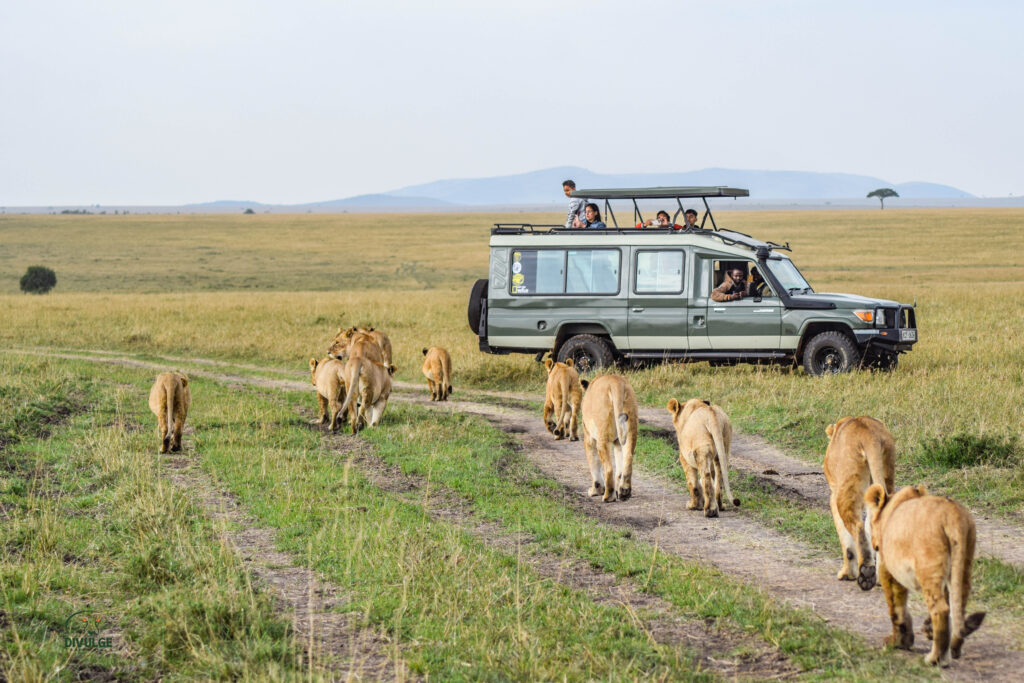
Great Wildebeet Migration
The Great Wildebeest Migration in the Masai Mara National Reserve is a breathtaking display of survival, featuring over 1.5 million animals crossing the crocodile-infested Mara River between July and October. To witness this “World’s Wildlife World Cup,” visitors must pay the Masai Mara Entrance Fee, which is currently structured by season.
For non-resident adults, the Masai Mara Entrance Fee is $100 USD during the low season (January–June) and increases to $200 USD during the peak migration season (July–December). This daily fee grants access to witness one of the Seven Natural Wonders of the World, where vast herds and elite predators collide in nature’s most dramatic arena.