The best Masai Mara camps by budget fall into three tiers: simple tented camps near the gates from roughly US$100-250 per person per night, comfortable mid-range lodges and camps inside the reserve at about US$250-600, and small luxury camps in the private conservancies from around US$700 to well over US$1,500, all estimates.
Choosing between hundreds of Masai Mara camps is harder than it should be. Rates are hidden, maps are vague, and two camps with similar prices can sit in completely different worlds: one in a busy sector of the reserve, another in a quiet conservancy. This guide sorts the Masai Mara camps by budget and by area, explains what you really get at each level, and shows which camps suit migration season, families, honeymooners and photographers.

Quick Facts
- Budget tier: about US$100-250 per person per night, sharing, full board (estimate)
- Mid-range tier: about US$250-600 per person per night, usually inside the reserve (estimate)
- Luxury tier: about US$700 to US$2,000+ per person per night, often all-inclusive in a private conservancy (estimate)
- Reserve fee: US$100 per non-resident adult per day January-June, US$200 July-December (checked October 2026)
- Peak season: July to October, when the Great Migration is in the Mara and camps fill first
- Getting there: about 275 km and five to six hours by road from Nairobi, or roughly 45 minutes by light aircraft
- Book ahead: six to twelve months for August and September at river camps
Where Are the Masai Mara Camps Located?
Masai Mara camps sit in four main zones: inside the Masai Mara National Reserve on the Narok side, in the Mara Triangle to the west, in the private conservancies along the northern and eastern boundaries, and just outside the main gates. Location shapes your price, your crowds and your wildlife more than thread count does.
Before you compare individual Masai Mara camps, decide which zone fits your trip. A camp’s star rating means little if it sits an hour’s drive from where the herds are in your travel month.
Ready to go? Book your customized safari instantly on WhatsApp — we'll take it from there.
 Book
BookInstantly on
Inside the Masai Mara National Reserve
The main reserve is run by Narok County and holds the largest number of lodges, from big hillside properties to classic tented camps along the Mara and Talek rivers. You wake up in the park, so game drives start the moment you leave camp. The trade-off is that the reserve’s central sectors can be busy in peak season, and you pay the daily reserve fee for every day you are inside.
The Mara Triangle
The Mara Triangle is the western part of the reserve, between the Mara River and the Oloololo Escarpment, and it is managed separately by the Mara Conservancy. It has very few lodges, good roads and a reputation for strong river crossings. Fees here run on a 12-hour ticket from 6:00 am to 6:00 pm and are paid by card or M-Pesa, never cash, according to the Mara Triangle conservation fees page. Our guide to the Mara Triangle covers the area in depth.
The private conservancies
Conservancies such as Mara North, Olare Motorogi and Naboisho are leased from Maasai landowners and border the reserve. Camps here are small, vehicle numbers are capped, and activities that are not normally allowed in the reserve, such as night drives and guided walks, are often included. Conservancy fees are usually built into the nightly rate. Our explainer on the reserve versus the conservancies compares the two in detail.
Outside the gates
Many budget Masai Mara camps cluster around Talek, Sekenani and Oloolaimutia, just outside the reserve boundary. You drive into the park each morning, so you pay the reserve fee only on the days you go in, and room rates are far lower. This is the simplest way to see the Mara on a tight budget.
How Much Do Masai Mara Camps Cost Per Night?
Masai Mara camps cost roughly US$100-250 per person per night at budget level, US$250-600 at mid-range and US$700 to well over US$1,500 at luxury conservancy camps. These are estimates for two people sharing on full board; rates are highest from July to October and lowest in April and May.
The table below summarises what each tier usually includes. Remember to add reserve fees where a camp sits inside the national reserve, plus transport and guiding if your camp does not include game drives.
| Tier | Estimated rate per person per night | Typical location | What is usually included |
|---|---|---|---|
| Budget | US$100-250 | Outside Talek, Sekenani or Oloolaimutia gates | Simple en-suite tent, set meals; game drives with your own guide or tour vehicle |
| Mid-range | US$250-600 | Inside the reserve or the Mara Triangle | Full board, pool, Wi-Fi in public areas; drives with your own guide |
| Upper mid-range | US$600-1,000 | Classic camps on the Mara River | Full board or all-inclusive, camp vehicles and guides often available |
| Luxury | US$1,000-2,000+ | Private conservancies or the Oloololo Escarpment | All-inclusive: drinks, drives, conservancy fees, sometimes flights |
Accommodation is only part of the bill. Our breakdown of the full Masai Mara safari cost shows how fees, transport and guiding add up, and the Masai Mara entrance fee guide explains the current reserve charges.
Best Budget Masai Mara Camps: What to Expect
Budget Masai Mara camps are usually permanent tented camps or simple cottages just outside the reserve, with en-suite bathrooms, solar or generator power and set menus. They suit solo travellers, students and anyone who would rather spend money on time in the bush than on comfort.
Standards vary widely at this level, and properties change hands or renovate often, so we prefer to match budget travellers to a camp based on current availability rather than recommend one name for every trip. When you compare budget Masai Mara camps, ask these questions.
How to compare budget Masai Mara camps
- Is the tent en-suite, with hot water at the times you will use it?
- How far is the camp from the nearest gate, and how rough is the road after rain?
- Are meals full board, and is drinking water provided?
- Is the camp fenced or guarded at night, and are you escorted to your tent after dark?
- Are game drives in a shared van or a private 4×4 with a pop-up roof?
One of the budget Masai Mara camps paired with a good private guide often delivers a better safari than an expensive lodge with a rushed shared vehicle. If your budget is tight, spend it on the guide and the 4×4 first.
Best Mid-Range Masai Mara Camps and Lodges
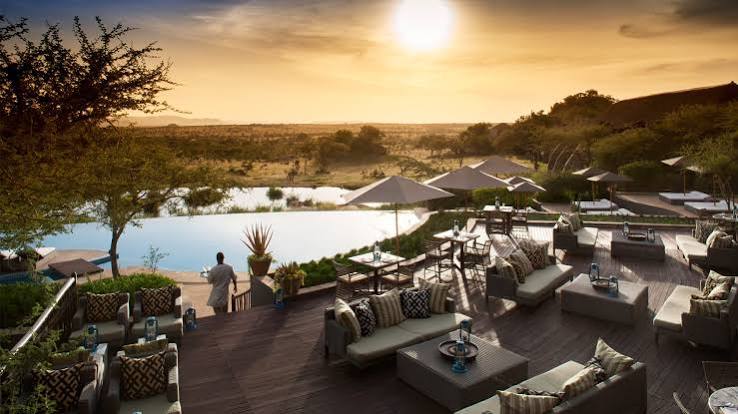
Mid-range Masai Mara camps put you inside the reserve with proper comfort: pools, solid beds, good food and short drives to the wildlife. The three below are well-established properties in different parts of the Mara, each described from its own official information.
Masai Mara Sopa Lodge: value with a hillside view
Masai Mara Sopa Lodge sits high on the slopes of the Oloolaimutia Hills inside the reserve, about 250 km from Nairobi according to the lodge. Its 99 rooms, including 12 suites and four interconnecting rooms, are built in the style of traditional round houses with conical roofs. A central pool, bar and boma dining area make it an easy, sociable base. It suits families, first-timers and groups who want reliable comfort at a sensible price.
Mara Serena Safari Lodge: best for the Mara Triangle
Mara Serena Safari Lodge stands on a bush-covered hill in the Mara Triangle, looking over the plains and the Mara River. The lodge has 74 rooms designed around the shape of a Maasai manyatta, a heated pool, a spa and gym, and has run on solar power since 2019, according to Serena. Its position near the river makes it a strong mid-range choice for crossing season, and nearby Serena airstrip makes fly-in trips simple.
Ashnil Mara Camp: tents on the Mara River
Ashnil Mara Camp lies inside the reserve on the banks of the Mara River, close to crossing points used by the migration. It has 30 tented suites, including interconnecting family tents and tents designed for better accessibility, plus a pool, a wellness centre and wheelchair-friendly pathways. Meals and drinks are all-inclusive. It suits travellers who want a tented feel without giving up hotel-style comfort.
Best Luxury Masai Mara Camps
Luxury Masai Mara camps trade size for exclusivity. Most have fewer than 30 tents, many sit in private conservancies with capped vehicle numbers, and rates usually include drinks, guided activities and conservation fees. These four show the range, from a classic riverside camp to small photographic hideaways.
Governors’ Camp: the classic riverside camp
Governors’ Camp has operated inside the reserve since 1972, on the banks of the Mara River beside Musiara Marsh in the north of the Mara. It has 24 tents, 19 luxury tents and five family tents, entirely under canvas and solar powered. The area is rich in resident wildlife year-round, and the camp welcomes children of all ages, so it suits first-timers and families who want an old-school safari in the heart of the action.
Angama Mara: views from the Oloololo Escarpment
Angama Mara sits on the Oloololo Escarpment about 1,000 feet above the Mara plains, bordering the Mara Triangle. Its 30 tented suites are split into two separate camps of 15, each suite with a floor-to-ceiling glass front facing the valley. The reserve entrance is about ten minutes away by road, and Nairobi is roughly a 45-minute flight. Rates are all-inclusive, and families are welcome year-round. It is a favourite for honeymooners and anyone who wants the view as part of the experience.
Mahali Mzuri: conservancy luxury with a pool
Mahali Mzuri is a camp of 12 tented suites inside the Olare Motorogi Conservancy, facing open grassland. Recently refurbished, it combines local guides on game drives with an infinity pool and outdoor spa treatments. Olare Motorogi limits vehicle numbers, so sightings feel private even in peak season. Read our guide to the Olare Motorogi Conservancy to see what the area offers.
Mara Plains Camp: small and made for photographers
Mara Plains Camp has just seven canvas suites in riverine forest along the Ntiakitiak River in the Olare Motorogi Conservancy, with access to the reserve as well. Professional cameras, lenses and binoculars are provided for guests. Its official site lists rates from US$1,745 per person sharing per night, including meals, drinks, conservation fees and scheduled activities, with scheduled flights from Nairobi included on a two-night minimum (checked October 2026). It suits photographers and big-cat enthusiasts.
For more top-end ideas beyond the Mara, see our round-up of luxury safari lodges across East Africa.
See our Kenya safaris with Masai Mara camps at every budget
Browse tailor-made Kenya itineraries with private 4×4 vehicles, expert local guides and Masai Mara camps chosen to fit your dates and budget.
Which Area Should You Stay In for the Migration?
For the Great Migration, stay near the Mara River from late July to October: the Musiara area in the north, the Mara Triangle, or the river camps of the central reserve. Outside migration season, the conservancies and central plains deliver excellent resident wildlife with fewer vehicles and lower rates.
The herds’ timing shifts every year with the rain, so treat the table below as a guide rather than a promise. Our great migration month by month guide tracks where the herds usually are, and the best time to visit the Masai Mara explains the seasons in more detail.
| Months | What is happening | Best base | Budget tip |
|---|---|---|---|
| January-March | Dry, green season; resident big cats; migration herds in the Serengeti | Conservancies or central reserve | Reserve fee US$100; good value at many camps |
| April-May | Long rains; muddy roads; some camps close | Lodges with good road access | Lowest rates of the year |
| June | Grass growing tall; first herds may arrive late in the month | Central reserve or conservancies | Rates and the US$200 fee rise from July |
| July-October | Migration herds in the Mara; river crossings, peaking August-September | Mara River camps, Musiara, Mara Triangle | Book early; expect peak rates |
| November-December | Short rains; herds move south; quieter roads | Conservancies or central reserve | Shoulder rates at many camps |
Is It Better to Stay Inside or Outside the Masai Mara?
Staying inside the Masai Mara is better if you want the shortest drives to the wildlife and the river; staying outside the gates is better for tight budgets; and a conservancy camp is better for privacy, night drives and walks. Many travellers split their stay between two areas to get both.
Inside the reserve: pros and cons
Masai Mara camps inside the reserve save you up to an hour of driving each way, which matters at dawn when the cats are active. You pay the reserve fee every day, and in peak season popular sightings can draw many vehicles. Night drives are not normally permitted in the national reserve.
Conservancy camps: pros and cons
Conservancy Masai Mara camps cost more, but the fee goes to the Maasai landowners and buys low vehicle density, off-road driving at sightings under conservancy rules, and often walks and night game drives. The trade-off is that river crossings are inside the reserve, so you may drive further to the Mara River in August.
How many nights should you spend at Masai Mara camps?
Three nights is the sweet spot, giving two full days of game drives. In crossing season, four nights improves your odds, because herds can gather on the bank for hours without crossing. A popular plan is two nights in a conservancy and two near the river.
Road or flight to the Mara?
The Masai Mara is about 275 km from Nairobi, five to six hours by road, or about 45 minutes by light aircraft from Wilson Airport to airstrips such as Serena or Keekorok. Driving keeps costs down; flying saves a day and suits short trips and luxury camps. Our fly-in safari packages show how flights fit into an itinerary.
Insider Tips
- Compare like for like: check whether a quote includes reserve or conservancy fees, drinks, game drives and park transfers
- Split your stay: two nights in a conservancy and two near the Mara River gives privacy and crossing chances
- Book river camps early: August and September at Masai Mara camps on the river often fill six to twelve months ahead
- Use the shoulder months: January to March and November bring lower reserve fees or shoulder rates and excellent resident game
- Ask about children: some Masai Mara camps in the conservancies set minimum ages for walks or game drives, so check before you book
- Pack light for flights: light aircraft have strict luggage limits and usually require soft bags, so check your allowance when you book
If you are still building your budget, our Kenya safari cost guide shows how a Mara stay fits into a wider trip, and our Kenya safari packing list covers what to bring for camp life.
Let us plan your safari
Tell us your dates, budget and dream sightings, and our Nairobi team will send you a free tailor-made itinerary and quote.
Frequently Asked Questions
What are the best Masai Mara camps by budget?
The best Masai Mara camps by budget depend on your tier. Budget travellers stay in simple tented camps near the Talek or Sekenani gates. Mid-range picks include Masai Mara Sopa Lodge, Mara Serena Safari Lodge and Ashnil Mara Camp. At the top, Governors’ Camp, Angama Mara, Mahali Mzuri and Mara Plains Camp offer classic or conservancy luxury.
How much does a night at a Masai Mara camp cost?
A night at Masai Mara camps costs roughly US$100-250 per person on a budget, US$250-600 mid-range and US$700 to well over US$1,500 at luxury conservancy camps, sharing and full board. These are estimates; rates rise from July to October. Reserve fees of US$100-200 per adult per day are usually extra unless you stay in a conservancy.
Is it better to stay inside or outside the Masai Mara?
Staying inside the Masai Mara National Reserve puts you closest to the wildlife and saves driving time, but you pay reserve fees every day. Camps just outside the gates are cheaper and suit tight budgets. Camps in the private conservancies cost more but include conservancy fees, limit vehicle numbers and usually allow night drives and guided walks.
Which Masai Mara camps are best for the river crossings?
The best Masai Mara camps for river crossings sit near the Mara River, either in the northern part of the reserve around Musiara or in the Mara Triangle. Ashnil Mara Camp, Governors’ Camp and Mara Serena Safari Lodge are all close to the river. Crossings usually peak in August and September, so book these camps early.
How many nights should I stay at a Masai Mara camp?
Three nights at a Masai Mara camp is the sweet spot for most travellers, giving two full days of game drives. Stay four nights in the migration season if river crossings are your main goal, because herds can wait on the bank for hours or days. Two nights works only if the Mara is one stop on a longer Kenya safari.
Final Thoughts
The right Masai Mara camps for you depend on three things: your budget, your travel month and how much privacy you want. Gate-side tented camps keep costs low, mid-range lodges inside the reserve put you close to the action, and conservancy camps deliver exclusivity and extra activities.
Share your dates and budget with our Nairobi team and we will suggest Masai Mara camps that fit, with honest advice on where the wildlife is likely to be when you travel.
Not sure which Masai Mara camp suits your budget?
Chat with a Divulge Adventures safari consultant on WhatsApp for honest advice, a quick answer and a quote built around you.