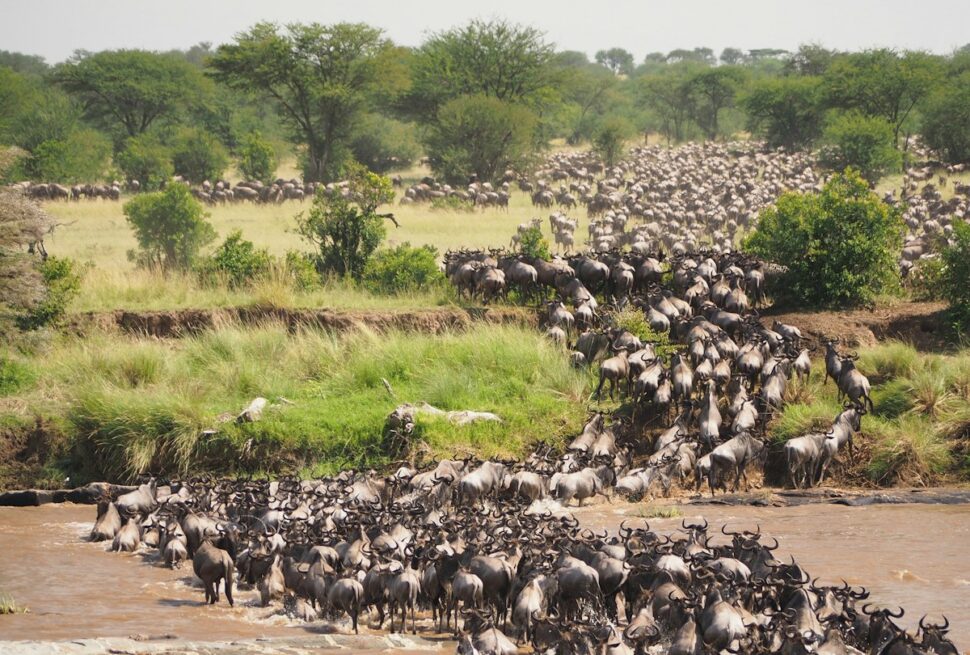

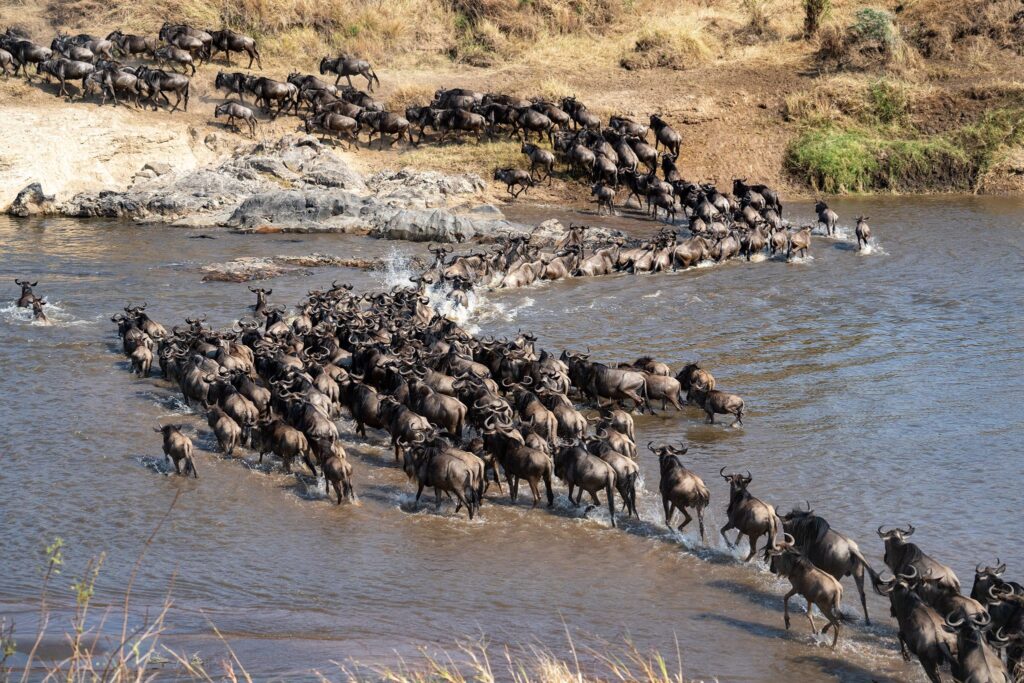
The Great Wildebeest Migration is one of the most extraordinary wildlife spectacles on Earth. Every year, over 1.5 million wildebeests, accompanied by hundreds of thousands of zebras and gazelles, move across the vast plains of Serengeti National Park and Maasai Mara National Reserve in search of fresh grazing and water.
For safari lovers, photographers, and wildlife enthusiasts, witnessing this natural phenomenon is often considered a once-in-a-lifetime experience. The drama of river crossings, predator encounters, and endless moving herds creates unforgettable safari moments that cannot be replicated anywhere else in the world.
As we approach 2026, travelers are already planning ahead to secure the best migration safari experiences. Timing is everything when it comes to the Great Wildebeest Migration, and understanding the migration patterns can make the difference between a good safari and an extraordinary one.
This detailed guide explores the 2026 migration forecast, the science behind the migration, the best months to visit, where to watch the action, photography tips, and why early booking is essential.
The Science of the Search: How the 1.5 Million Herds Follow the Rains
The Great Wildebeest Migration is driven almost entirely by rainfall patterns. Unlike human-made schedules, nature dictates where the herds move. Wildebeests instinctively follow fresh grass and water sources created by seasonal rains across the Serengeti-Mara ecosystem.
Ready to go? Book your customized safari instantly on WhatsApp — we'll take it from there.
 Book
BookInstantly on
The migration operates in a clockwise pattern throughout the year:
- From January to March, the herds gather in the southern Serengeti for calving season.
- As the dry season approaches in May and June, the herds begin moving northward.
- By July, many of the wildebeests reach the Maasai Mara in Kenya.
- During October and November, the herds slowly begin returning south toward Tanzania.
Scientists believe wildebeests use a combination of instinct, scent, distant thunderstorms, and even subtle environmental cues to detect rain hundreds of kilometers away. This natural navigation system allows the animals to survive despite the harsh African climate.
The migration is not a single straight-line movement. It is a continuous cycle where different groups move at different times. Some herds arrive early, while others follow weeks later. River crossings happen unpredictably and depend on herd pressure, weather conditions, predators, and confidence within the group.
This unpredictability is exactly what makes the Great Wildebeest Migration so exciting. Every safari day feels unique.
2026 Migration Calendar
Understanding the seasonal movement of the herds helps travelers choose the best safari dates. While nature can shift slightly depending on rainfall, the following forecast gives a strong indication of what to expect during the 2026 migration season.
July Arrival: Early Scouts and the First Mara River Crossings
July marks the beginning of migration season in the Maasai Mara. This is when the first groups of wildebeests begin arriving from the northern Serengeti.
The early weeks of July are especially exciting because visitors may witness the first dramatic crossings of the Mara River. Smaller “scout herds” test the waters before the massive herds follow behind.
At this stage:
- The grass in the Mara is still fresh and green.
- Predator activity begins increasing significantly.
- River crossings become more frequent toward late July.
- Tourist numbers start rising, but some areas remain relatively quiet.
Because the migration is just beginning, safari-goers often enjoy a balance between excellent wildlife sightings and moderate crowd levels. The first crossings are intense and emotional. Crocodiles wait beneath the muddy water while lions and hyenas patrol the riverbanks. Herds can gather for hours before finally making the dangerous leap into the river. Patience becomes essential during this period because crossings are completely unpredictable.
August & September (The Peak): Mega-Herds Established and Daily River Crossing Windows
August and September are considered the peak months of the Great Wildebeest Migration in the Maasai Mara.
This is when the ecosystem transforms into a wildlife paradise filled with enormous herds stretching across the plains as far as the eye can see. During this period:
- Massive concentrations of wildebeests dominate the Mara.
- Daily river crossing opportunities increase.
- Predator interactions become more dramatic.
- Big cat sightings are exceptional.
- Safari camps operate at full capacity.
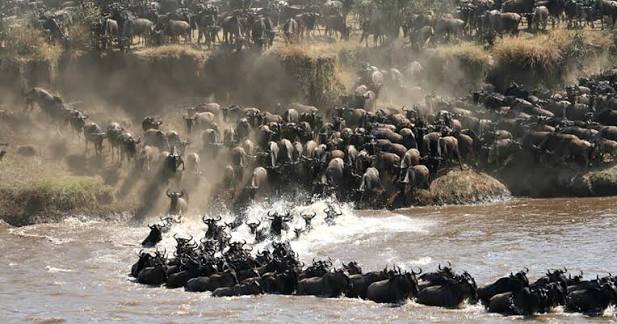
The Mara River becomes the center of attention. Thousands of wildebeests gather nervously along steep riverbanks before suddenly stampeding into crocodile-filled waters. Some crossings last only minutes, while others continue for hours. Dust clouds rise into the air as zebras, wildebeests, and gazelles push forward in massive numbers.
For photographers and filmmakers, this is the golden season. The combination of wildlife density, dramatic action, and golden savannah landscapes creates iconic safari imagery. However, peak season also means higher visitor numbers, especially around famous crossing points. Choosing the right conservancy or camp location becomes extremely important for a quality safari experience.
October: The “Secret” Migration Season—Fewer Crowds, High Predator Action
October is often overlooked, yet many experienced safari travelers consider it one of the best times to witness the Great Wildebeest Migration.
By this point:
- The mega-herds are still present in many areas.
- Crowds begin decreasing significantly.
- Predator activity remains extremely high.
- River crossings still occur, although less frequently.
- Landscapes become beautifully golden and dramatic.
The reduced vehicle density creates a more exclusive safari experience. Instead of competing with multiple vehicles at sightings, visitors often enjoy peaceful wildlife encounters. Predators thrive during October because weakened and exhausted wildebeests become easier targets. Lions, cheetahs, leopards, and hyenas remain highly active throughout the month. For travelers seeking a balance between migration action and fewer crowds, October may actually offer the best overall safari experience.
Where to Watch: Why the Mara Triangle Matters
Not all areas of the Maasai Mara offer the same migration experience. One of the best locations for witnessing the Great Wildebeest Migration is the Mara Triangle.
Located in the northwestern section of the Maasai Mara ecosystem, the Mara Triangle is known for:
- Lower vehicle density.
- Excellent river crossing points.
- Strong conservation management.
- Exceptional predator sightings.
- Stunning landscapes.
Unlike busier sections of the reserve, the Mara Triangle provides a more intimate and authentic safari atmosphere. The area is carefully managed, helping reduce overcrowding during peak migration season. Several major Mara River crossing points are located within or near the Triangle, making it one of the best places to witness dramatic herd movements.
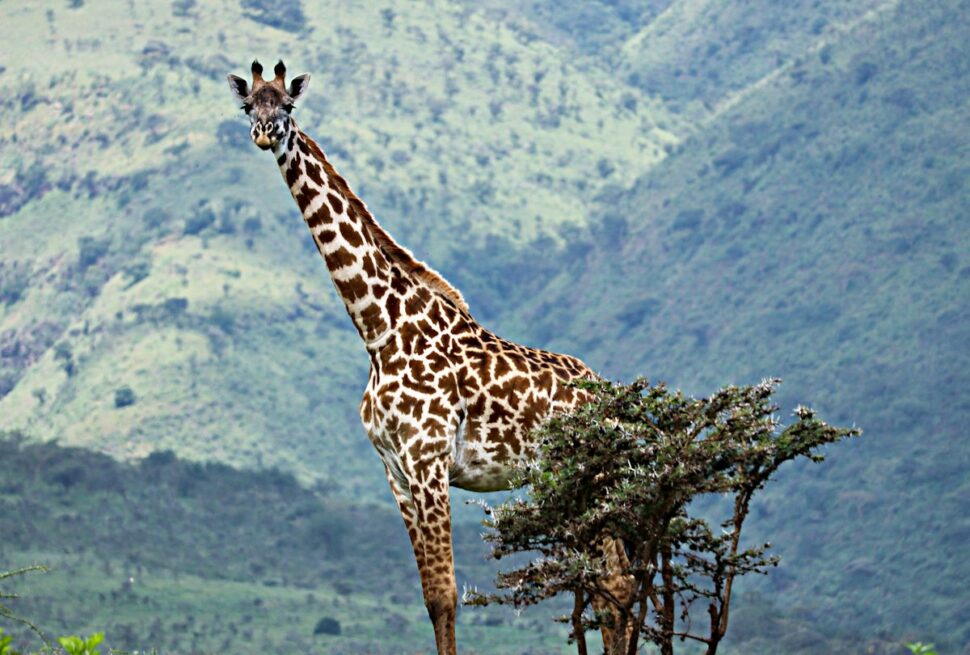
The open plains also make wildlife spotting easier, and visitors frequently encounter elephants, buffaloes, giraffes, lions, cheetahs, and leopards alongside the migration.For photographers, the cleaner backgrounds and fewer vehicles create much better shooting opportunities.
Pro Tips for Photography: Patience at the River and Reading Herd “Scouts”
Photographing the Great Wildebeest Migration requires more than just a good camera. Success often depends on patience, positioning, and understanding animal behavior.
- Be Patient at the River
One of the biggest mistakes first-time safari visitors make is leaving too early. Wildebeests are incredibly cautious before crossings. Herds may gather at the riverbank for hours while waiting for a few brave animals to initiate movement.
Sometimes nothing happens for a long time and then suddenly thousands cross at once. Experienced guides know that patience often leads to the best moments.
2:Watch the “Scout” Wildebeests
Before major crossings happen, a few wildebeests usually move closer to the river edge to investigate. These “scouts” repeatedly approach and retreat while the larger herd watches behind them.
Signs a crossing may happen soon include:
- Increased vocalization.
- Tight clustering near the edge.
- Multiple animals pacing nervously.
- Dust movement from the rear of the herd.
Reading this behavior can help photographers prepare before the action begins.
- Use Fast Camera Settings
River crossings happen very quickly. Use:
- Fast shutter speeds for action shots.
- Continuous shooting mode.
- Telephoto lenses for predator scenes.
- Wide-angle lenses for landscape herd shots.
Morning and late afternoon light generally provide the best photography conditions.
- Focus Beyond the River Crossings
While river crossings are iconic, many incredible migration moments happen away from the river:
- Golden sunset silhouettes.
- Predator hunts.
- Calves following mothers.
- Zebra interactions.
- Dusty mega-herd movements across open plains.
Some of the most emotional safari photographs come from quieter moments rather than dramatic crossings
2026 Booking Window: Why You Need to Book 12–18 Months in Advance
The Great Wildebeest Migration is one of Africa’s most in-demand safari experiences, especially during August and September .Luxury river camps and premium safari lodges often sell out more than a year in advance. Travelers hoping to stay near famous crossing points should ideally begin booking 12–18 months ahead.
Early booking is important because:
- The best camps have limited rooms.
- Prime river-view locations are highly competitive.
- Safari flights fill quickly during peak season.
- Conservancy camps have strict guest limits.
- Rates usually increase closer to travel dates.
Travelers planning a 2026 migration safari should start researching camps and safari operators as early as possible.
Many experienced safari travelers also combine the Maasai Mara with destinations like Amboseli National Park, Lake Nakuru National Park, or Serengeti National Park for a complete East African safari experience.
Conclusion
The Great Wildebeest Migration remains one of the world’s greatest wildlife events a raw, emotional, and breathtaking display of survival in the African wilderness. Whether you visit during the dramatic July arrivals, the peak mega-herd season of August and September, or the quieter predator-rich month of October, every stage of the migration offers something unforgettable.
Planning ahead, choosing the right safari region, and understanding herd behavior can dramatically improve your experience. For travelers dreaming of Africa in 2026, few adventures compare to standing beside the Mara River as thousands of wildebeests charge into crocodile-filled waters beneath the vast African sky.