Lake Manyara National Park: Tanzania’s Scenic Safari Gem
Nestled at the base of the Great Rift Valley escarpment in northern Tanzania, Lake Manyara National Park is one of East Africa’s most beautiful and diverse safari destinations. Known for its breathtaking landscapes, tree-climbing lions, flamingo-filled lake, lush forests, and abundant wildlife, the park offers an unforgettable safari experience within a relatively compact area.
Although smaller than some of Tanzania’s more famous parks like the Serengeti, Lake Manyara National Park surprises visitors with its incredible ecological diversity and scenic beauty. From dense groundwater forests and open grasslands to acacia woodlands and the shimmering alkaline lake itself, the park presents a stunning variety of habitats that support an impressive range of wildlife species.
For travelers exploring Tanzania’s northern safari circuit, Lake Manyara National Park is often the perfect introduction to African safaris. Whether you are searching for elephants in the forest, watching hippos in the water, photographing flamingos along the shoreline, or simply admiring the dramatic Rift Valley scenery, Lake Manyara promises memorable moments at every turn.
This guide explores everything you need to know about Lake Manyara National Park, including its wildlife, landscapes, safari experiences, accommodation options, best time to visit, and why it remains one of Tanzania’s most underrated safari treasures.
Where is Lake Manyara National Park?
Lake Manyara National Park is located in northern Tanzania, approximately 126 kilometers southwest of Arusha, making it one of the most accessible safari parks in the country. The park lies between the Great Rift Valley escarpment and Lake Manyara itself, covering approximately 330 square kilometers, with nearly two-thirds of the park occupied by the lake during the wet season.
Ready to go? Book your customized safari instantly on WhatsApp — we'll take it from there.
 Book
BookInstantly on
Lake Manyara National Park forms part of Tanzania’s famous northern safari circuit, alongside destinations such as:
- Serengeti National Park
- Ngorongoro Conservation Area
- Tarangire National Park
- Arusha National Park
Because of its convenient location, the park is often included in multi-day Tanzania safari itineraries.
The Unique Beauty of Lake Manyara
One of the first things visitors notice about Lake Manyara National Park is its incredible natural beauty. Ernest Hemingway once described the park as “the loveliest I had seen in Africa,” and many travelers still agree with this statement today. The combination of towering Rift Valley cliffs, lush green forests, open savannahs, and the sparkling alkaline lake creates breathtaking scenery unlike anywhere else in Tanzania.
The park’s landscapes change dramatically from one area to another, offering visitors a rich and constantly evolving safari experience.
Some of the park’s most beautiful features include:
- Groundwater forests
- Acacia woodlands
- Open floodplains
- Hot springs
- Alkaline lake shores
- Rift Valley escarpment views
This ecological diversity is one of the reasons Lake Manyara supports such a wide variety of wildlife and bird species.
Wildlife in Lake Manyara National Park
Despite its relatively small size, Lake Manyara National Park is rich in wildlife and offers excellent game-viewing opportunities throughout the year.
- Famous Tree-Climbing Lions
Lake Manyara National Park is internationally famous for its rare tree-climbing lions. Unlike most lions that prefer resting on the ground, these lions are often spotted lounging on acacia tree branches during the heat of the day. Scientists are not entirely certain why the lions developed this behavior, but theories suggest they climb trees to avoid insects and escape the heat.
Spotting tree-climbing lions is considered one of the park’s biggest safari highlights and attracts visitors from around the world.
- Elephants of Lake Manyara
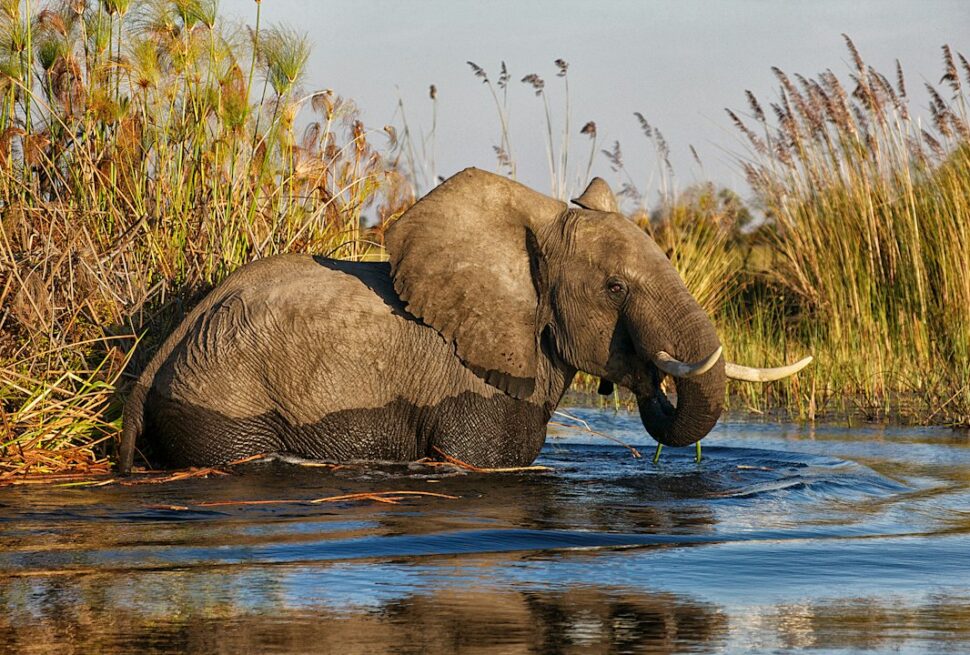
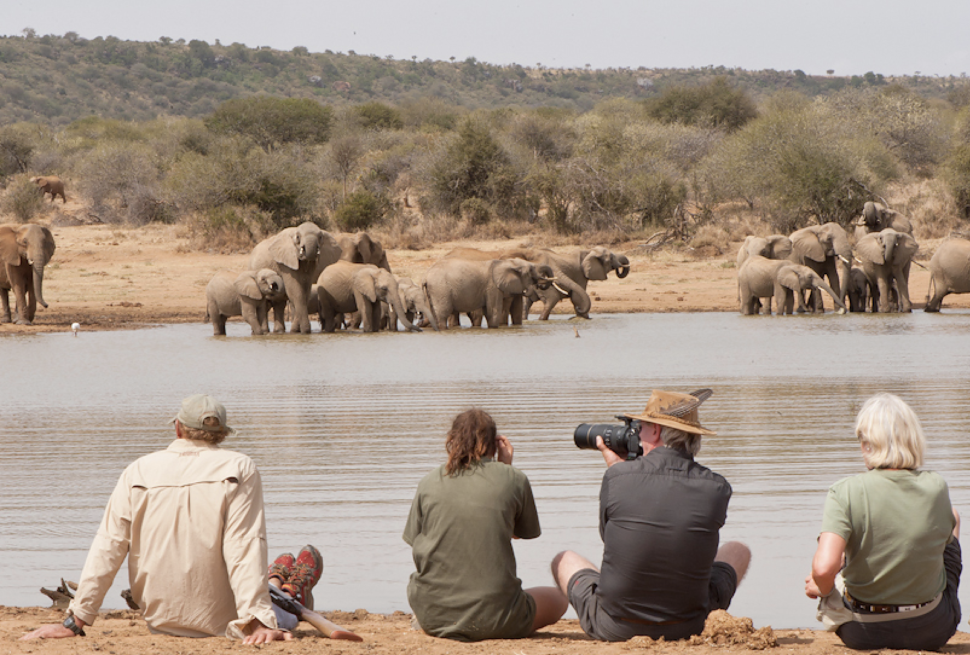
The park is also known for its large elephant population. Manyara’s groundwater forests provide an ideal habitat for elephants, and visitors often encounter family herds moving gracefully through the trees. Seeing elephants up close in the lush forest environment is one of the most magical experiences in the park.
Other Wildlife Species
Lake Manyara National Park supports a wide variety of mammals and predators, including:
- Buffaloes
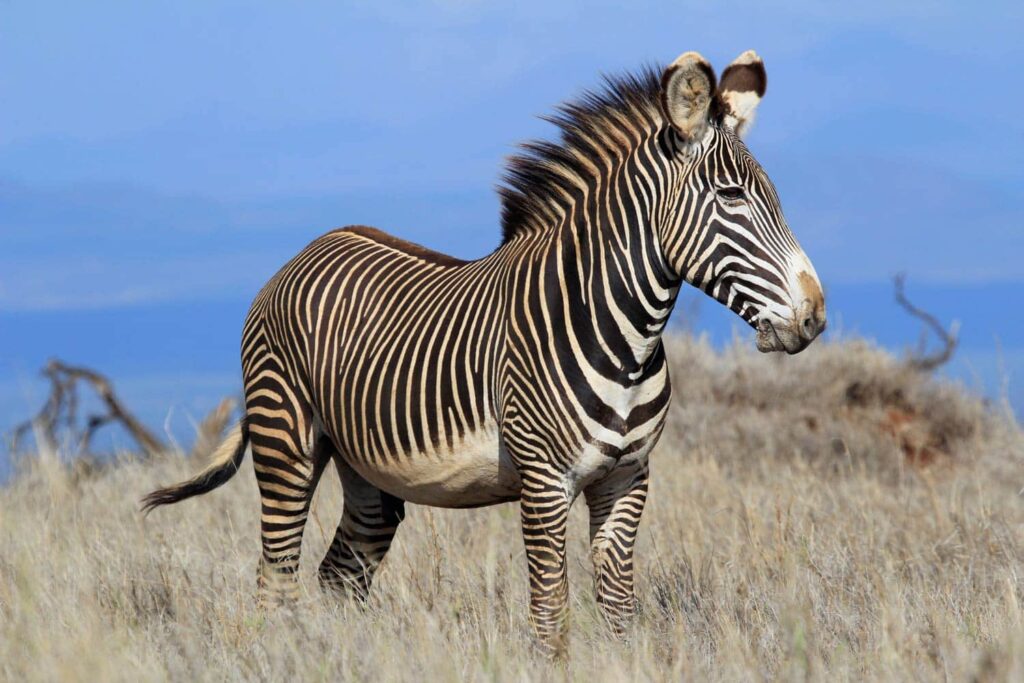
- Zebras
- Giraffes
- Hippos
- Wildebeest
- Baboons
- Blue monkeys
- Warthogs
- Impalas
- Hyenas
- Leopards
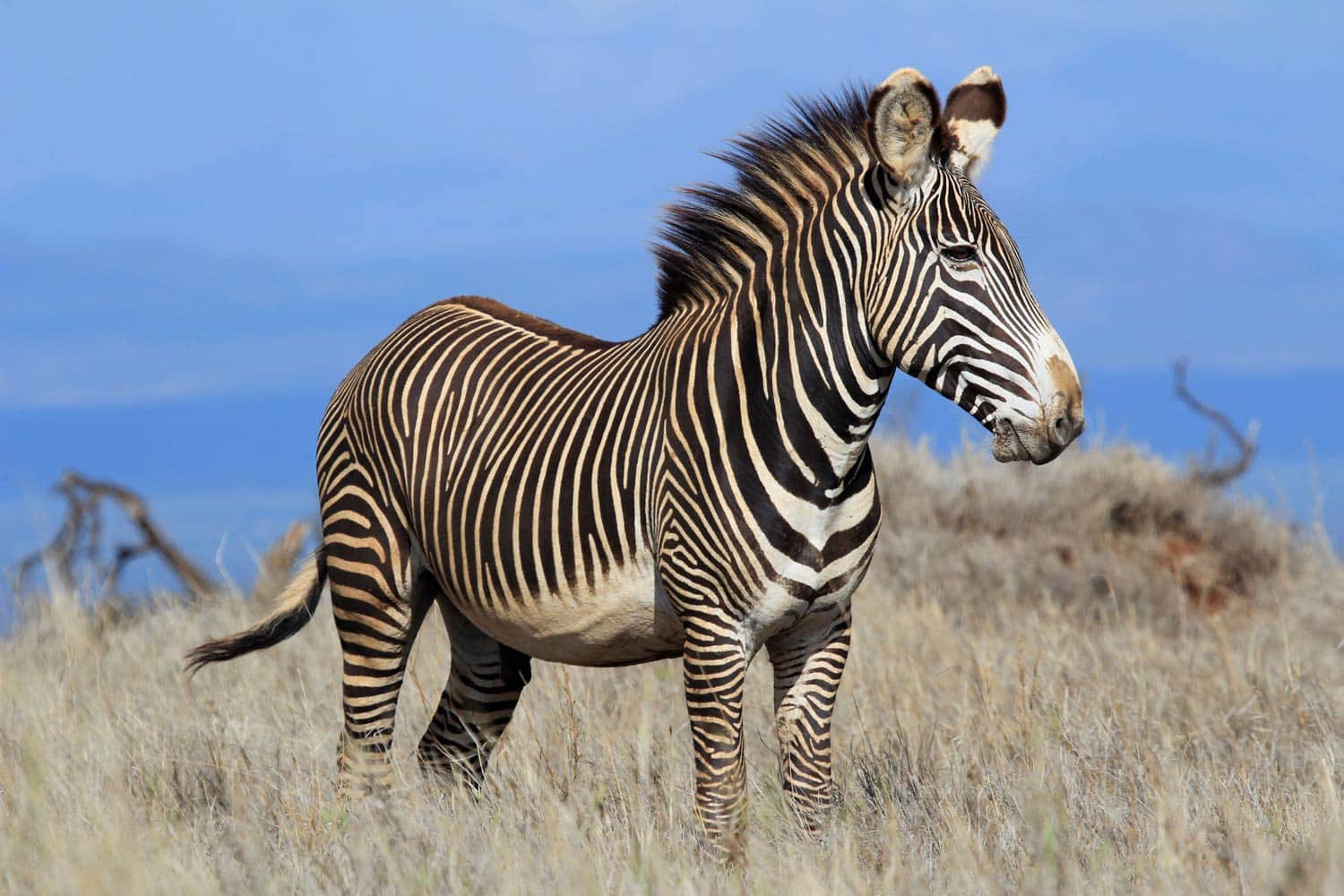
The park is particularly famous for its large baboon population. Troops of baboons are commonly seen near the forest entrance and throughout the park. Although cheetahs are less common here than in Serengeti, predators still thrive within the park’s varied habitats.
- Birdlife in Lake Manyara National Park
Lake Manyara is a paradise for bird lovers and one of the best birdwatching destinations in Tanzania.The park hosts over 400 bird species, making it an excellent destination for both amateur and professional birdwatchers.
- Flamingos and Water Birds
During certain times of the year, thousands of flamingos gather along the alkaline shores of Lake Manyara, creating spectacular pink reflections across the water.
Other water birds commonly found in the park include:
- Pelicans
- Storks
- Herons
- Cormorants
- Spoonbills
- Egyptian geese
The lake provides an important habitat for migratory and resident bird species alike.
- Forest and Savannah Birds
Bird enthusiasts can also spot:
- Hornbills
- Kingfishers
- Eagles
- Vultures
- Bee-eaters
- Lilac-breasted rollers
- Ostriches
The diversity of ecosystems allows for a remarkable variety of birdlife within a relatively small area.
- The Groundwater Forest
One of the park’s most unique attractions is its lush groundwater forest. Fed by underground springs flowing from the Ngorongoro Highlands, the forest remains green throughout the year and provides habitat for monkeys, elephants, birds, and other wildlife. Tall mahogany and fig trees create a cool and peaceful atmosphere, making the forest feel completely different from the open savannah landscapes often associated with African safaris.
Driving through the forest is a refreshing and scenic experience that many visitors remember fondly.
- Hot Springs at Lake Manyara
Lake Manyara National Park is also home to hot springs known locally as “Maji Moto,” meaning “hot water” in Swahili.These geothermal springs are located in the southern part of the park and produce steaming water that bubbles from underground volcanic activity.
The hot springs provide a fascinating geological feature and add to the park’s diverse natural attractions.
Best Time to Visit Lake Manyara National Park
Lake Manyara can be visited throughout the year, but different seasons offer different safari experiences.
- Dry Season (June to October)
The dry season is generally considered the best time for wildlife viewing because animals gather around water sources and vegetation becomes thinner.
Advantages of visiting during this period include:
- Easier wildlife spotting
- Pleasant weather
- Excellent road conditions
- Clear views and photography opportunities
This is also one of the best periods for general Tanzania safaris.
- Green Season (November to May)
The green season transforms the park into a lush paradise with vibrant vegetation and dramatic scenery.
Benefits of visiting during this time include:
- Beautiful green landscapes
- Excellent birdwatching
- Fewer tourists
- Lower accommodation rates
- Stunning photography conditions
Flamingo numbers are often higher during wetter periods when water conditions are ideal.
Safari Experiences in Lake Manyara National Park
Lake Manyara National Park offers a variety of safari activities and experiences for travelers.
- Game Drives
Game drives are the most popular activity in the park.
Because the park is relatively compact, visitors can explore diverse habitats within a short time and enjoy frequent wildlife sightings.
Morning and afternoon game drives provide opportunities to encounter:
- Tree-climbing lions
- Elephant herds
- Hippos in pools
- Flamingos along the lake
- Large baboon troops
- Giraffes and zebras grazing on the plains
The scenic beauty of the park makes every drive enjoyable even between wildlife sightings.
- Canoeing on Lake Manyara
When water levels permit, canoe safaris offer a unique way to experience the lake and observe wildlife from the water. Canoeing allows visitors to get closer to water birds, hippos, and shoreline animals while enjoying peaceful views of the Rift Valley escarpment.
This activity adds a different perspective to the traditional safari experience.
- Cultural Tours
Travelers visiting Lake Manyara often combine their safari with cultural tours to nearby villages and communities.
These experiences may include:
- Visiting local markets
- Learning traditional farming practices
- Exploring Maasai culture
- Sampling local Tanzanian cuisine
Cultural experiences help visitors gain deeper insight into the region’s people and traditions.
- Treetop Walkway
One of the park’s unique attractions is the Lake Manyara Treetop Walkway. This elevated walkway allows visitors to walk among the forest canopy while observing birds, butterflies, and monkeys from above.The experience offers a completely different perspective of the forest ecosystem and is especially enjoyable for families and nature lovers.
Accommodation in Lake Manyara
Lake Manyara offers accommodation options suitable for different budgets and travel styles.
- Luxury Lodges
Luxury lodges near the park provide exceptional comfort combined with stunning views of the Rift Valley and surrounding landscapes.
Guests can enjoy:
- Elegant safari suites
- Swimming pools
- Fine dining
- Spa facilities
- Private balconies
- Personalized safari services
Many luxury properties are designed to blend harmoniously with nature.
- Mid-Range Lodges and Camps
Mid-range accommodations provide comfortable stays with excellent service and safari access. These are popular choices for travelers seeking quality experiences at reasonable prices.
- Budget Campsites and Lodges
Budget travelers can find affordable campsites and guest lodges near the park entrance.
Camping offers a more adventurous safari atmosphere while keeping costs manageable.
Photography Opportunities in Lake Manyara
Lake Manyara National Park is incredibly photogenic and offers outstanding opportunities for wildlife and landscape photography.
Photographers are drawn to:
- Flamingo-filled lake shores
- Tree-climbing lions
- Dense green forests
- Elephant herds
- Rift Valley escarpment views
- Golden sunsets
- Reflections on the lake
The park’s changing landscapes create endless photographic possibilities throughout the day.
Conservation and Sustainability
Lake Manyara National Park plays an important role in wildlife conservation and ecosystem protection in Tanzania.
Conservation efforts focus on:
- Protecting wildlife habitats
- Preserving bird migration routes
- Supporting sustainable tourism
- Preventing poaching
- Educating local communities
Responsible tourism helps contribute to the preservation of the park for future generations
Combining Lake Manyara with Other Safari Destinations
Lake Manyara is commonly combined with other northern Tanzania safari destinations.
Popular safari combinations include:
- Serengeti National Park
- Ngorongoro Conservation Area
- Tarangire National Park
- Arusha National Park
- Zanzibar beach holidays
Because of its location, Lake Manyara is often visited as part of longer safari itineraries ranging from 4 to 10 days or more.
A combined safari and Zanzibar beach holiday remains one of the most popular travel experiences in East Africa.
Travel Tips for Visiting Lake Manyara National Park
If you are planning a visit to Lake Manyara, here are some useful travel tips:
- Bring Binoculars
Birdlife and distant wildlife sightings are best enjoyed with binoculars.
- Wear Neutral-Colored Clothing
Neutral safari clothing helps you blend into the environment and stay comfortable during game drives.
- Carry a Camera
The park’s scenery and wildlife provide endless photography opportunities.
- Start Game Drives Early
Morning safaris often offer the best wildlife activity and cooler temperatures.
- Respect Nature and Wildlife
Always follow your guide’s instructions and avoid disturbing animals.
Why Lake Manyara National Park Should Be on Your Safari Bucket List
Lake Manyara National Park may be smaller than some of Tanzania’s famous safari destinations, but its beauty, diversity, and unique experiences make it truly unforgettable. From spotting tree-climbing lions and watching flamingos along the lake to driving through lush forests filled with elephants and baboons, the park offers a safari experience rich in scenery and wildlife.
Its convenient location, breathtaking landscapes, and diverse ecosystems make it an ideal destination for:
- First-time safari travelers
- Wildlife photographers
- Birdwatchers
- Nature lovers
- Families
- Adventure travelers
Lake Manyara National Park proves that extraordinary safari experiences are not only about size but also about beauty, diversity, and atmosphere. A journey through Lake Manyara is more than just a safari, it is an opportunity to experience one of Tanzania’s most scenic and enchanting natural treasures.