Botswana vs Namibia comes down to what you want most from a safari. Botswana offers water-based, high-density wildlife in the Okavango Delta and Chobe, mostly in small fly-in camps at a higher price. Namibia offers desert scenery, Etosha’s waterholes and road-trip freedom at lower cost. Wildlife-first travellers lean Botswana; landscape lovers lean Namibia.
Both countries are safe, beautifully run and wildly different, which makes the choice harder than it looks. This guide compares Botswana vs Namibia on wildlife, scenery, seasons, park fees, travel logistics and budget, shows who each country suits best, and explains how to combine them in one trip if you cannot decide.
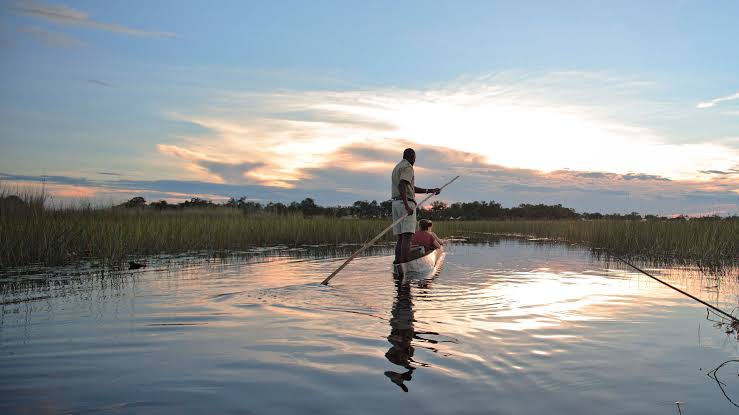
Photo: Divulge Adventures
Quick Facts
- Best for wildlife: Botswana: Okavango Delta, Moremi Game Reserve and Chobe National Park
- Best for scenery: Namibia: Sossusvlei’s red dunes, Deadvlei, the Skeleton Coast and Damaraland
- Best months for both: July to October, the dry season
- Park fees: Chobe and Moremi BWP 270 per adult per day; Etosha and Namib-Naukluft N$280 per non-SADC adult per day (checked October 2026)
- Main gateways: Maun and Kasane in Botswana; Hosea Kutako International Airport near Windhoek in Namibia
- Style of travel: Botswana: fly-in camps and guided drives; Namibia: long road journeys, guided or self-drive
- Ideal length: 7-10 days for one country, 12-14 days to combine both
Botswana vs Namibia: What Is the Main Difference?
The main difference between Botswana vs Namibia is water against desert. Botswana’s safari heartland is the Okavango Delta, a vast inland delta full of channels, floodplains and wildlife. Namibia is one of the driest countries in Africa, where the drama comes from dunes, canyons, empty coastline and animals gathering at Etosha’s waterholes.
Ready to go? Book your customized safari instantly on WhatsApp — we'll take it from there.
 Book
BookInstantly on
That contrast shapes everything else: how you travel, what you see, how much you spend and how a typical day feels. The table below sums up the Botswana vs Namibia comparison before we look at each point in detail.
| Factor | Botswana | Namibia |
|---|---|---|
| Wildlife density | Very high in the Okavango, Moremi and Chobe | High around Etosha’s waterholes, sparse elsewhere |
| Big Five | Lion, leopard, elephant and buffalo are common; rhino is rare | Etosha has lion, leopard, elephant and black rhino; no buffalo in Etosha |
| Scenery | Lush delta channels, floodplains, salt pans | Red dunes, canyons, desert coast, rocky mountains |
| How you travel | Mostly light aircraft between camps | Mostly by road over long distances |
| Typical cost | Higher, especially in private delta camps | Lower, with many mid-range lodges |
| Crowds | Low, thanks to small camps and private concessions | Busier at Sossusvlei and Etosha’s main waterholes |
Botswana vs Namibia: Which Has Better Wildlife?
Botswana has better wildlife overall. The Okavango Delta, Moremi Game Reserve, Khwai and the Chobe riverfront support large elephant herds, lion prides, leopards, wild dogs and abundant antelope, and sightings come thick and fast. Namibia’s best wildlife is concentrated in Etosha National Park, where game viewing is excellent but more limited in variety.
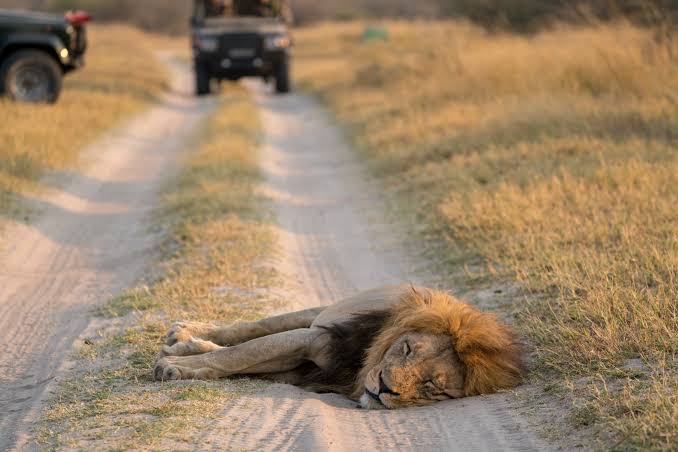
Photo: Divulge Adventures
Wildlife in Botswana
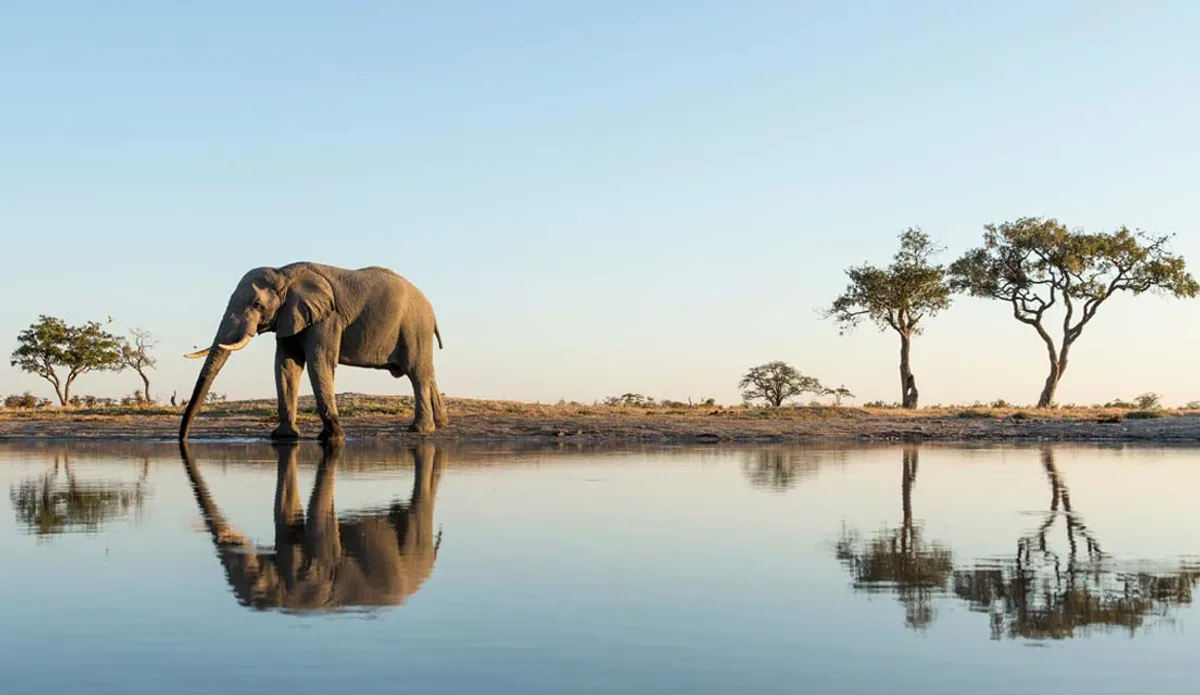
Botswana is famous for elephants, and the Chobe riverfront near Kasane is one of the best places in Africa to watch big herds come down to drink, both from a vehicle and from a boat, the clearest Botswana vs Namibia advantage. Predators are a major draw too, especially in Moremi and the private concessions around the delta, where guides often track lion, leopard and wild dog.
Botswana also gives you ways to see wildlife that Namibia cannot. You can glide through the delta’s channels in a mokoro (a traditional dugout canoe), take boat cruises on the Chobe River, and in many private concessions enjoy night drives and guided walks. Our Okavango Delta vs Chobe comparison explains how these two Botswana areas differ.
Wildlife in Namibia
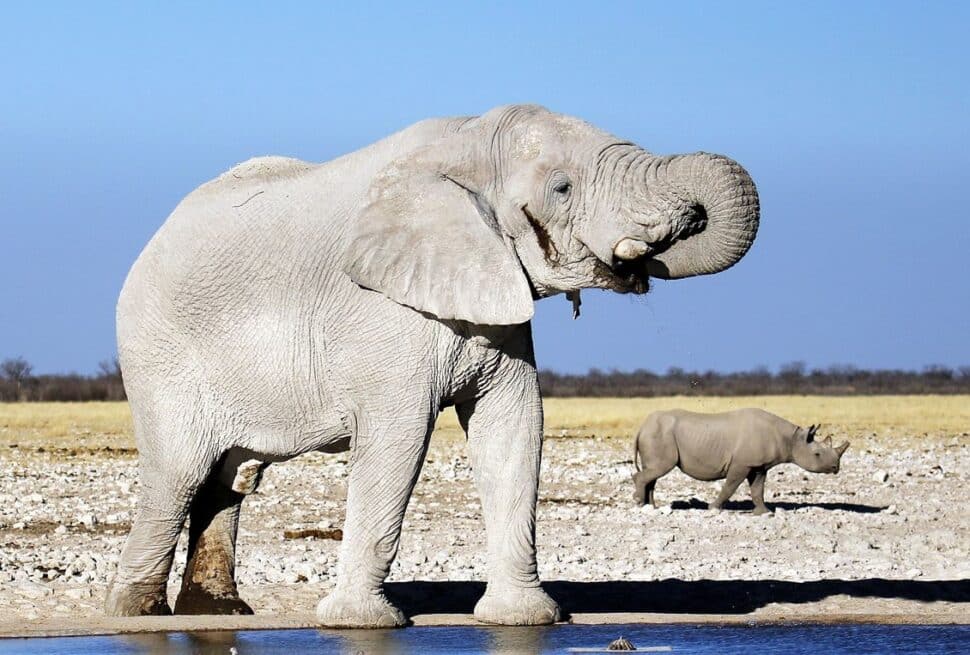
Namibia’s star wildlife destination is Etosha National Park, built around a huge, shimmering salt pan. In the dry season, elephants, lions, giraffes, zebras, springbok and the endangered black rhino gather at floodlit and roadside waterholes, so you can often watch a stream of animals from one spot.
Outside Etosha, wildlife is thinner but fascinating, and this is where Botswana vs Namibia gets interesting. Desert-adapted elephants roam the dry riverbeds of Damaraland and the Kunene region, Cape fur seals crowd the coast at Cape Cross, and flamingos feed in the lagoons around Walvis Bay. For a wildlife-only trip, Botswana wins the Botswana vs Namibia debate; for unusual species in extraordinary settings, Namibia shines.
Botswana vs Namibia Scenery: How Do the Landscapes Compare?
Namibia has the more varied and dramatic landscapes, while Botswana offers greener, gentler wilderness built around water. In Namibia you might climb a red dune at sunrise, walk among dead camel thorn trees in Deadvlei, and drive the misty Skeleton Coast in a single trip. Botswana’s beauty is quieter: papyrus channels, palm islands and open floodplains.
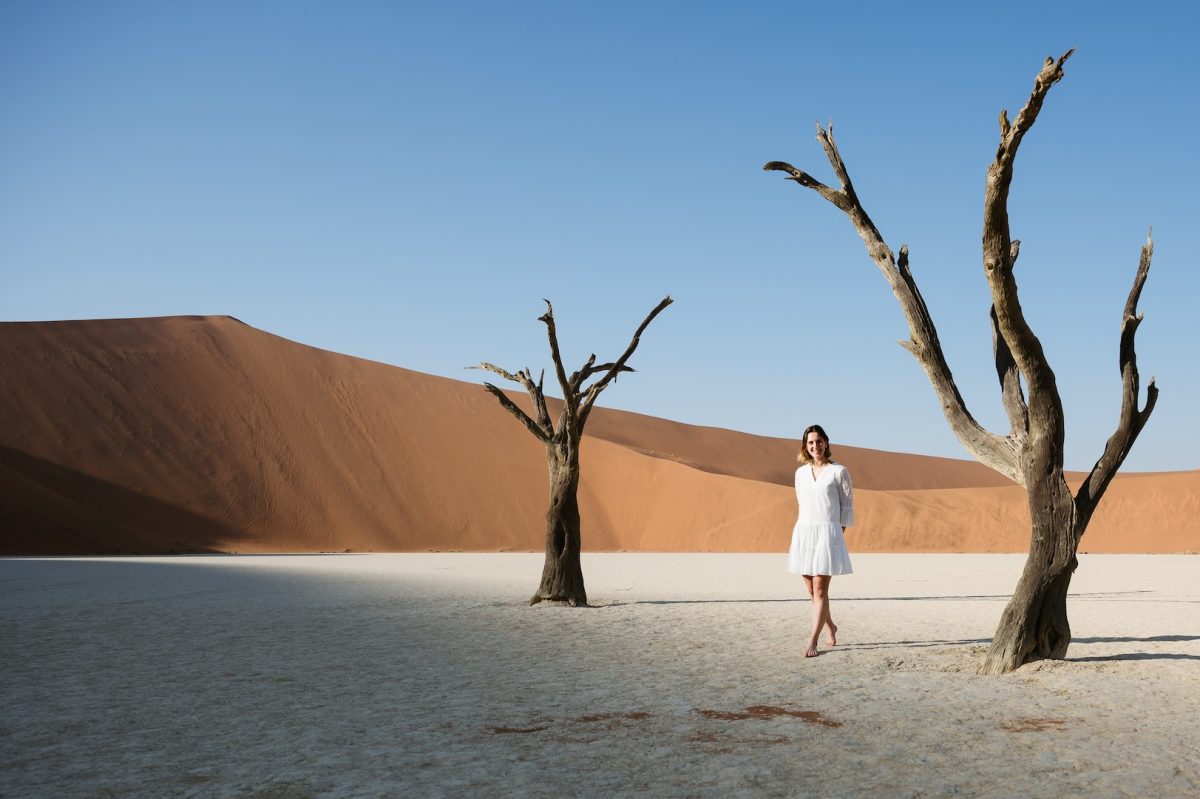
Photo: Divulge Adventures
Botswana vs Namibia Safari Experiences
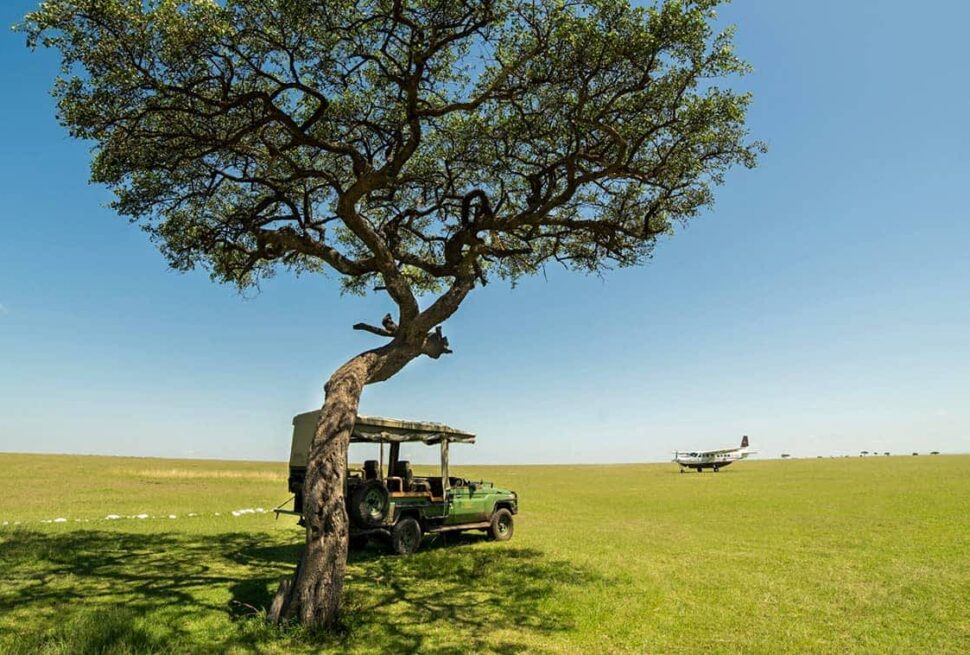
A day in Botswana typically starts with an early game drive or mokoro trip from a small camp, a long lunch and siesta, and an afternoon drive or boat cruise ending with sundowners. Camps are often unfenced, intimate and remote, and most guests fly in by light aircraft.
A day in Namibia often includes more time on the road between regions, broken up by short walks, viewpoints and photo stops. Highlights include climbing Big Daddy or Dune 45 at Sossusvlei, exploring Sesriem Canyon, seeing rock engravings at Twyfelfontein, and stargazing under some of the darkest skies in Africa. Our ultimate Namibia safari guide covers each region in detail.
Botswana vs Namibia Seasons: When Is the Best Time to Visit?
The best time to visit both Botswana and Namibia is the dry season from July to October, when animals concentrate around permanent water and vegetation thins out. May and June are also good, with cooler days. The rains from roughly December to March bring green landscapes, newborn animals and lower prices, but wildlife is more spread out.
The Okavango Delta has a quirk worth knowing: its floodwaters come from rain that falls in the Angolan highlands months earlier, so the delta is usually fullest in the middle of Botswana’s dry season, roughly June to August, which is ideal for mokoro trips. Here is how the Botswana vs Namibia seasons line up through the year.
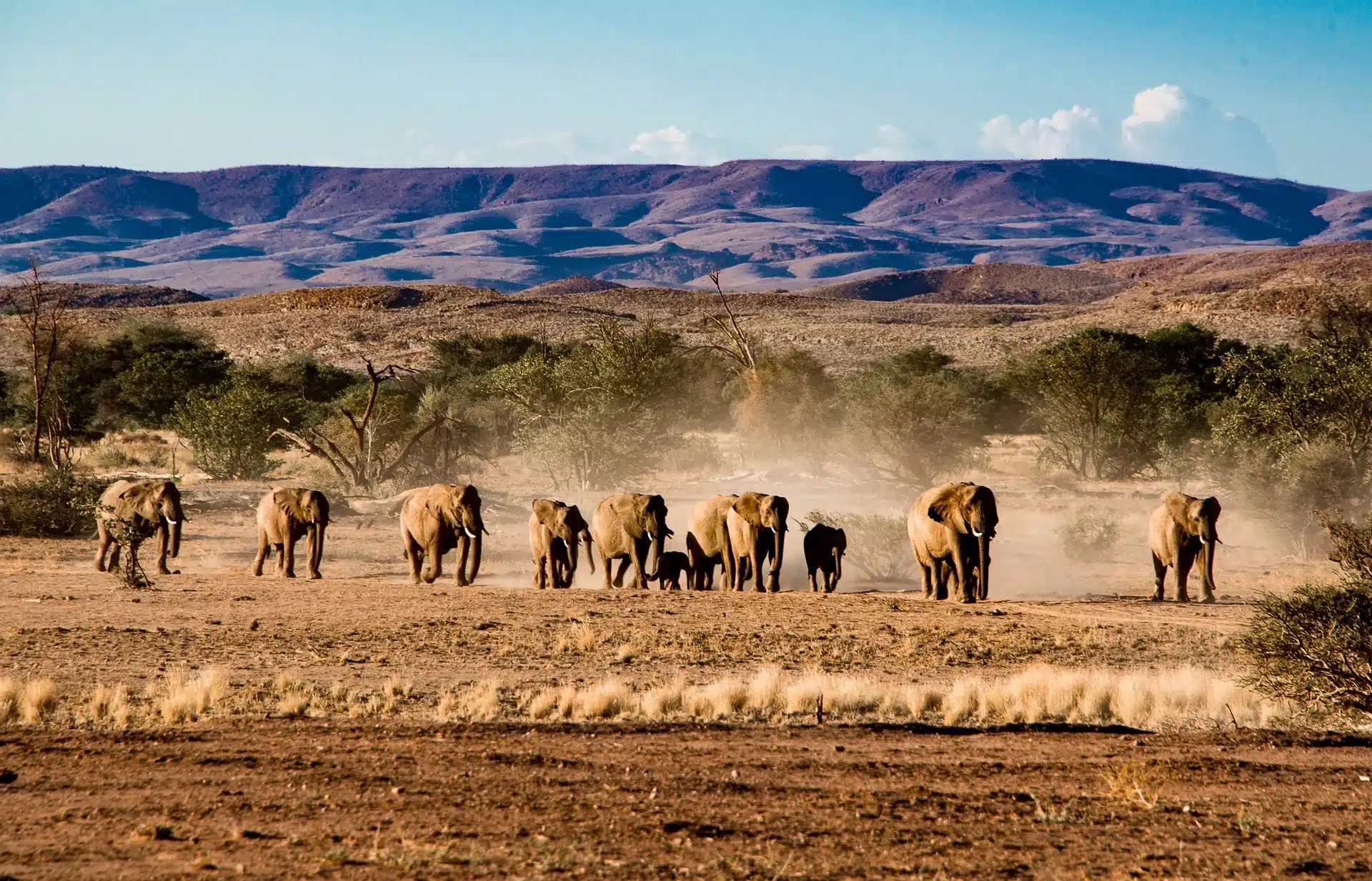
Photo: Divulge Adventures
| Months | Botswana | Namibia |
|---|---|---|
| January-March | Green season: hot, wet, lush; good birding; some delta camps cheaper | Hot with afternoon storms in the north; Etosha green and wildlife dispersed |
| April-May | Rains ending; floods start arriving in the delta; quieter camps | Pleasant temperatures, clear skies, landscapes still green |
| June-August | Peak flood in the delta, cold nights, excellent game viewing | Cool, dry and clear; Etosha waterholes busy; cold desert nights |
| September-October | Hot and very dry; best predator and elephant viewing at the river | Hot and dry; peak Etosha game viewing; dusty and hazy |
| November-December | First rains, calving season, green landscapes returning | Heat builds, first rains in the north, fewer visitors |
If you plan to travel in the wet months, our guide to Botswana in December explains what the green season looks like in the delta and Chobe.
How Much Does a Botswana vs Namibia Safari Cost?
On cost, Botswana vs Namibia is not close: a Namibia safari usually costs much less than a Botswana safari. Namibia has low park fees, good roads and many mid-range lodges. Botswana follows a high-value, low-volume tourism model, so the best delta camps are small, remote, reached by light aircraft and priced accordingly.
Park entry fees are a small part of either budget, but they are worth knowing. The table below shows the main fees for international visitors, which you should confirm before booking because they change.
| Park | Country | Adult entry fee (international visitors) |
|---|---|---|
| Chobe National Park | Botswana | BWP 270 per person per day (checked October 2026) |
| Moremi Game Reserve | Botswana | BWP 270 per person per day (checked October 2026) |
| Etosha National Park | Namibia | N$280 per non-SADC adult per day: N$140 entrance plus N$140 conservation fee (from 1 April 2026) |
| Namib-Naukluft Park (Sossusvlei) | Namibia | N$280 per non-SADC adult per day: N$140 entrance plus N$140 conservation fee (from 1 April 2026) |
Namibia’s fees come from the Government Gazette notice setting Namibia’s park fees, effective 1 April 2026, which also adds a small daily charge per vehicle. Private concessions in Botswana charge their own conservation fees, which are usually built into the camp rate.
Botswana vs Namibia Prices: Why Botswana Costs More
Botswana’s prices reflect its model: few beds, huge private concessions and fly-in access. The most exclusive delta camps sit at the top end of African safari pricing. You can lower costs by focusing on the Chobe riverfront and Kasane, travelling in the green season, or choosing a mobile camping safari through Moremi and Khwai instead of fly-in lodges.
Why Namibia Is Easier on the Budget
Namibia rewards travellers who are happy to spend time on the road. Mid-range lodges and guest farms are plentiful, park fees are modest and fuel is reasonably priced. The trade-off is distance: you will cover hundreds of kilometres between regions, so allow enough days. Our post on guided vs self-drive Namibia safaris weighs up the two ways of doing it.
See our Botswana safaris, from Chobe to the Okavango
Explore tailor-made Botswana itineraries with boat cruises, mokoro trips and game drives in Chobe, Khwai and the Okavango Delta, planned by our Nairobi team.
Botswana vs Namibia Logistics: How Do You Get Around?
Botswana safaris usually start in Maun, the gateway to the Okavango Delta and Moremi, or Kasane, the gateway to Chobe. Namibia safaris usually start at Hosea Kutako International Airport near Windhoek. The biggest Botswana vs Namibia logistics difference is that Botswana travel is mostly by light aircraft, while Namibia travel is mostly by road.
Travelling Within Botswana
Light aircraft link Maun and Kasane with remote delta camps, and luggage on these flights is restricted, usually to a small soft-sided bag, so check your camp’s exact limit before packing. Road travel is possible on a mobile safari through Moremi, Khwai and Savuti, but sand tracks are slow and need an experienced driver.
Travelling Within Namibia
Namibia’s main sights are far apart, connected by a mix of tarred and gravel roads. Driving from Windhoek to Sossusvlei or to Etosha takes most of a day, so a classic loop of Sossusvlei, Swakopmund, Damaraland and Etosha needs at least 8 to 10 days. Gravel driving is tiring, which is one reason our first-time Namibia safari mistakes post recommends fewer, longer stops.
Visas and Health
Entry rules are another Botswana vs Namibia difference. Namibia introduced visas on arrival for many nationalities on 1 April 2025: citizens of countries such as the United States, the United Kingdom, Germany and France pay N$1,600, and the Namibian embassy’s visa fact sheet recommends applying online before you fly. Botswana’s rules depend on your passport, so check current requirements for both countries before booking. Malaria risk is mainly in the north of both countries, including the Okavango and Chobe, while Namibia’s desert south carries little risk; see the CDC travel health advice for Namibia and speak to a travel clinic.
Can You Combine Botswana and Namibia in One Trip?
Yes, Botswana and Namibia combine very well, so the Botswana vs Namibia choice need not be either-or. The two countries meet along the Chobe River, where Namibia’s Zambezi Region (the former Caprivi Strip) faces Chobe National Park. With 12 to 14 days you can see Namibia’s deserts and Etosha, then finish in Botswana’s waterways.
A popular route runs Windhoek, Sossusvlei, Swakopmund, Damaraland and Etosha by road, then a flight or long transfer to Maun for the Okavango Delta and Moremi, finishing at Kasane for Chobe. Victoria Falls in Zimbabwe or Zambia is close to Kasane and makes an easy final stop. Our 5-day Sossusvlei and Etosha tour and 7-day Chobe, Khwai and Okavango safari can be joined into one itinerary.
Botswana vs Namibia: Which Safari Should You Choose?
Choose Botswana if wildlife sightings, water safaris and remote, exclusive camps matter most and your budget allows. Choose Namibia if you want dramatic landscapes, photography, adventure and better value. If you cannot choose, the Botswana vs Namibia answer can be both. With two weeks, combining them gives you the best of each.
Photo: Divulge Adventures
Choose Botswana If You…
Want the most wildlife with the least time in a vehicle, dream of gliding through the Okavango in a mokoro, love elephants and predators, prefer small camps with few other visitors, and are happy to pay more for exclusivity. A short 3-day Okavango Delta mokoro tour is an easy way to add the delta to a wider trip.
Choose Namibia If You…
Love landscapes and photography, enjoy road trips, want a safari that feels like an expedition, travel on a moderate budget, or have already done a classic game-viewing safari. Etosha still delivers excellent wildlife, and a trip such as our 7-day classic Etosha National Park safari or our wider Namibia safari packages pair it with the desert.
Insider Tips
- Book delta camps early: The best Okavango camps are small and fill up many months ahead for July to October
- Do not rush Namibia: Distances are long; two nights per stop makes the trip far more enjoyable
- Pack layers: Desert and delta mornings in June and July can be close to freezing, even when afternoons are warm
- Check luggage limits: Light aircraft in Botswana usually need a small soft bag, not a hard suitcase
- Carry some cash: Small denominations help with tips and park gates in remote areas
- Confirm fees and visas: Park fees and visa rules change; check them shortly before you travel
Let us plan your safari
Tell us your dates, budget and dream sightings, and our Nairobi team will send you a free tailor-made itinerary and quote.
Frequently Asked Questions
Botswana vs Namibia: which is better for a first safari?
Botswana is usually better for a first safari if wildlife is the priority, because the Okavango Delta, Moremi and Chobe give dense game and expert guiding. Namibia suits first-timers who want scenery and a road trip as much as animals. In the Botswana vs Namibia choice, budget and driving time decide it.
Botswana vs Namibia: which is cheaper for a safari?
In the Botswana vs Namibia cost comparison, Namibia is generally cheaper for a safari. Namibia’s park fees are low, at N$280 per non-SADC adult for Etosha or Namib-Naukluft (checked October 2026), and it has many mid-range lodges reachable by road. Botswana’s best areas rely on private fly-in camps with high nightly rates, so a comparable week usually costs noticeably more.
Can you combine Botswana and Namibia on one safari?
Yes, you can combine Botswana and Namibia on one safari, and many travellers do. The usual route links Namibia’s Zambezi Region with the Chobe riverfront near Kasane, often adding Victoria Falls. A popular pattern is Sossusvlei and Etosha by road, then a flight or transfer to Maun or Kasane for the Okavango Delta and Chobe. Allow at least 12 to 14 days.
What is the best month to visit Botswana and Namibia together?
The best months to visit Botswana and Namibia together are July to October. This is the dry season in both countries, so animals gather at the Okavango’s floodwaters, the Chobe River and Etosha’s waterholes, and roads are easy to drive. Nights are cold in June and July, while late September and October bring the hottest days and the best game viewing.
Do I need a visa for Namibia and Botswana?
Many visitors need a visa for Namibia: since 1 April 2025, citizens of countries such as the United States and the United Kingdom pay N$1,600 for a visa, ideally applied for online before travel. Botswana’s rules depend on your passport, and many nationalities can visit without a visa. Check both countries’ current rules for your passport before booking flights.
Final Thoughts
In the Botswana vs Namibia decision, Botswana wins for wildlife density, water safaris and exclusive camps, while Namibia wins for landscapes, adventure and value. Both are at their best from July to October, and they combine beautifully if you have two weeks.
If you are still weighing Botswana vs Namibia, tell us what matters most to you and we will suggest the country, or the combination, that fits your time and budget.
Still deciding between Botswana and Namibia?
Chat with a Divulge Adventures safari consultant on WhatsApp for honest advice, a quick answer and a quote built around you.