A Rwanda vs Tanzania safari choice comes down to what you most want to see. Rwanda is the place for mountain gorillas, golden monkeys and chimpanzees in a small, green country with short drives. Tanzania is the place for big savannah game drives, the Great Migration and the Ngorongoro Crater. Many travellers combine both.
Both countries are excellent, but they deliver very different trips, budgets and daily rhythms, and most comparisons online gloss over those differences. This Rwanda vs Tanzania safari guide sets out the wildlife, costs, seasons, logistics and who each country suits, with fees checked in October 2026, so you can choose with confidence or plan a trip that links the two.
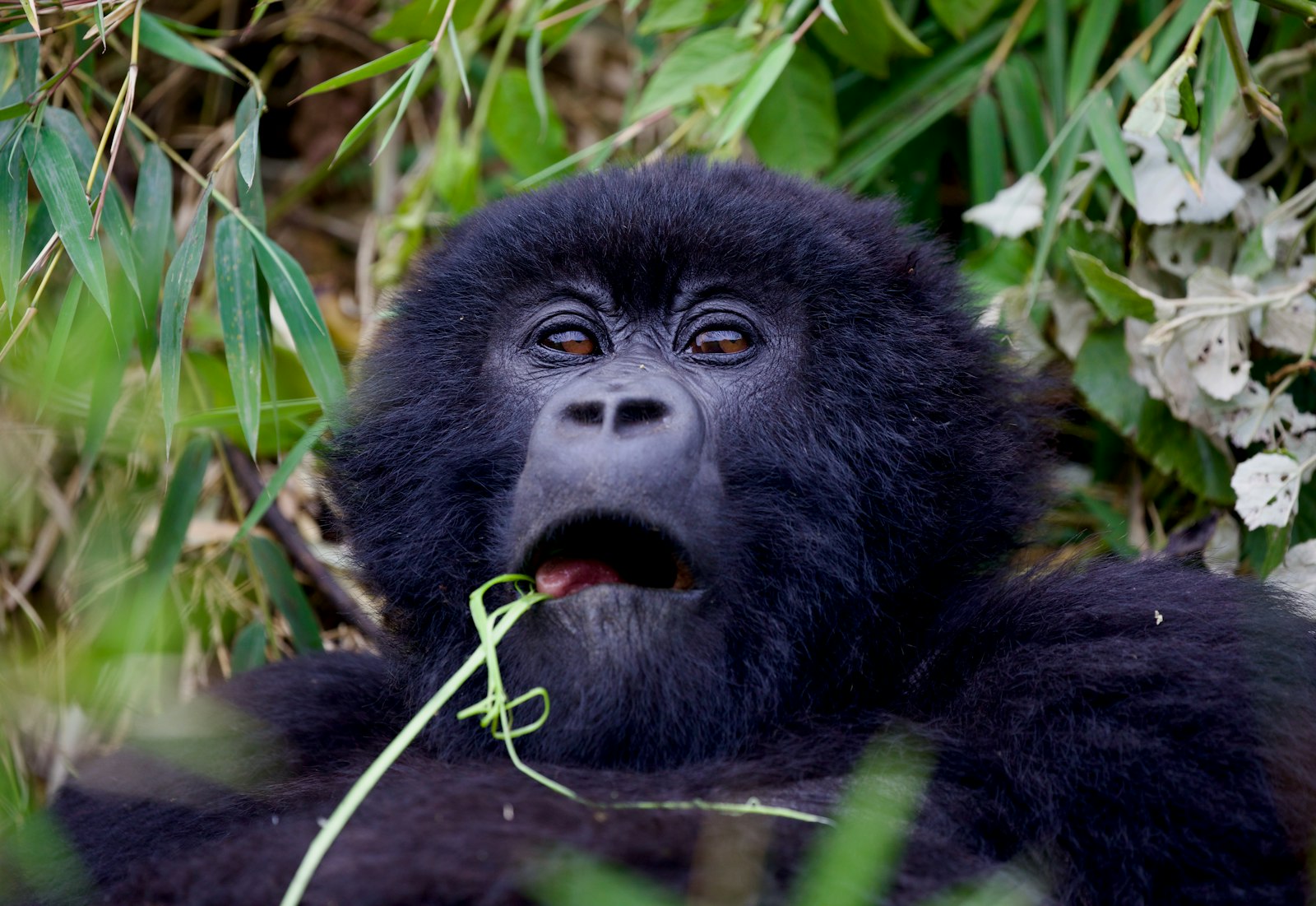
Photo: Divulge Adventures
Quick Facts
- Rwanda’s highlight: Mountain gorilla trekking in Volcanoes National Park, plus golden monkeys, Nyungwe chimpanzees and Big Five game drives in Akagera
- Tanzania’s highlight: The Serengeti and the Great Migration, the Ngorongoro Crater, Tarangire’s elephants and Zanzibar beaches
- Gorilla permit: US$1,500 per person in Rwanda (checked October 2026); Tanzania has no mountain gorillas
- Tanzania park fees: About US$59 to US$83 per adult per 24 hours in the northern parks (checked October 2026)
- Ideal trip length: 3 to 6 days in Rwanda; 6 to 10 days in Tanzania
- Linking flight: RwandAir flies direct between Kigali and Kilimanjaro in roughly 1 hour 45 minutes
Rwanda vs Tanzania Safari at a Glance
The Rwanda vs Tanzania safari difference is primates against plains. Rwanda is a compact primate and forest destination built around an hour with mountain gorillas, while Tanzania is a big-country savannah destination built around long game drives and huge herds. The table below compares the two side by side.
Ready to go? Book your customized safari instantly on WhatsApp — we'll take it from there.
 Book
BookInstantly on
| Factor | Rwanda | Tanzania |
|---|---|---|
| Signature experience | Mountain gorilla trekking | Serengeti game drives and the Great Migration |
| Landscape | Volcanoes, rainforest, terraced hills, Lake Kivu | Open savannah, the Ngorongoro Crater, baobab country, Indian Ocean coast |
| Country size | About 26,000 sq km, so transfers are short | Around 945,000 sq km, so distances are long |
| Typical drive | Kigali to Volcanoes National Park about 2.5 hours | Karatu to the Serengeti about 5 hours |
| Big Five | Yes, in Akagera National Park, with patience | Yes, reliably across the northern circuit |
| Daily pace | Early starts, hikes on foot, then free afternoons | Long game drives from dawn to late afternoon |
| Beach add-on | Lake Kivu (freshwater) | Zanzibar and the Indian Ocean coast |
Neither side of the Rwanda vs Tanzania safari debate is better in every way. A Rwanda vs Tanzania safari decision gets easier once you rank three things: how much you want gorillas, how much you want big cats and herds, and how much time you have.
What Wildlife Will You See in Rwanda vs Tanzania?
On a Rwanda vs Tanzania safari, Rwanda offers primates first: mountain gorillas, golden monkeys and chimpanzees, plus a smaller savannah park. Tanzania offers sheer volume of plains game, from wildebeest and zebra herds to lions, cheetahs, leopards and elephants, with chimpanzees only in remote western parks and no mountain gorillas at all.
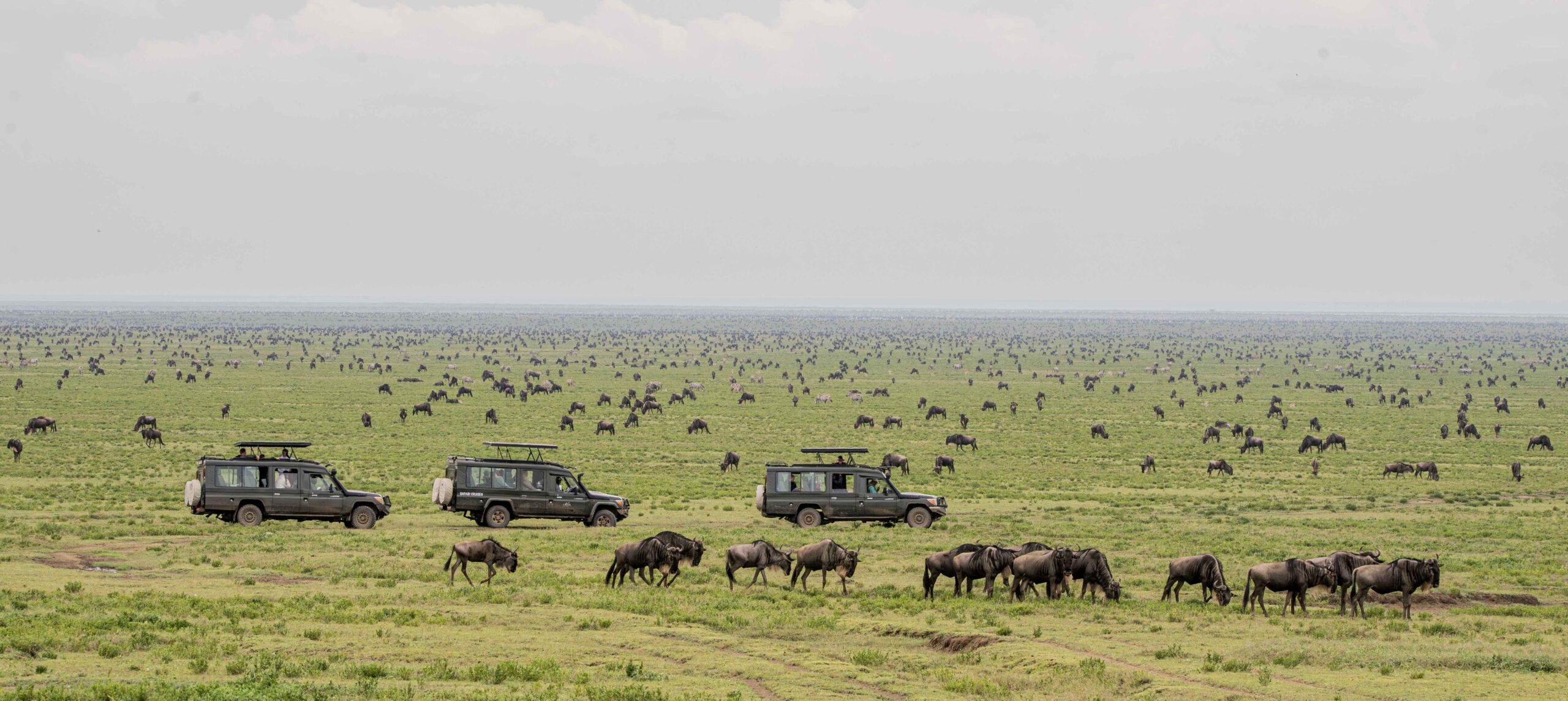
Photo: Divulge Adventures
Rwanda: gorillas, monkeys and chimpanzees
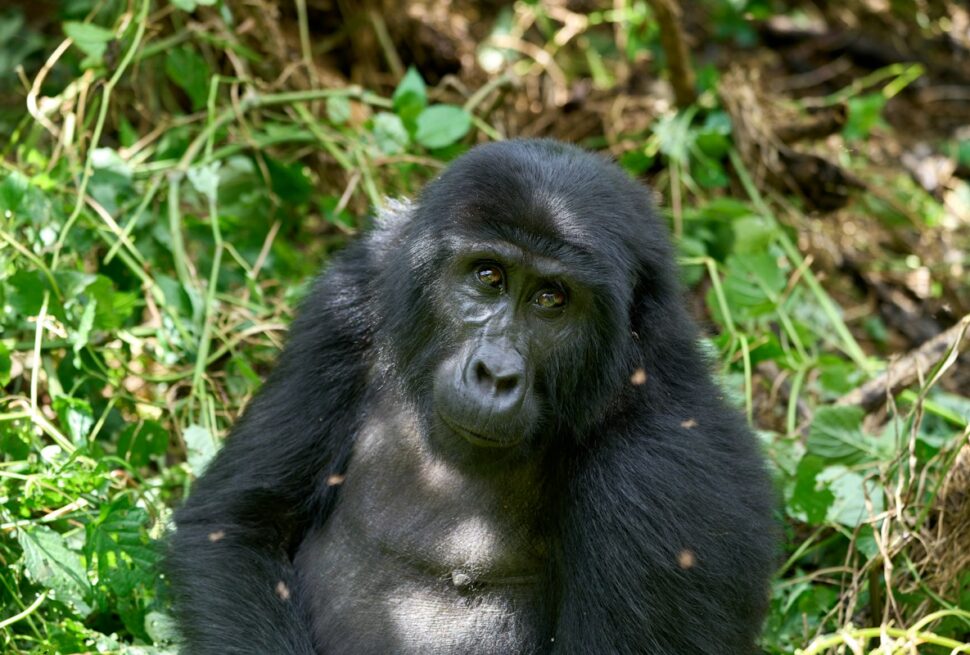
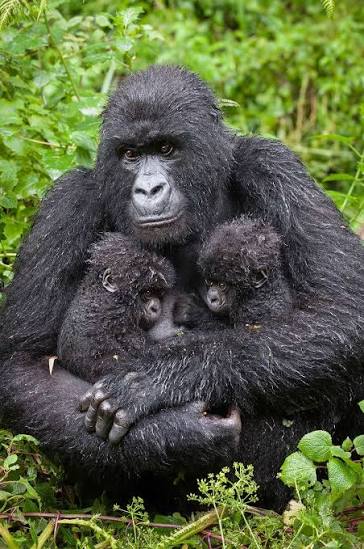
Volcanoes National Park, in the Virunga mountains of north-west Rwanda, is home to habituated mountain gorilla families. A trek can take about one to six hours in total, and once the trackers find your group you spend one hour with the gorillas. Our complete guide to gorilla trekking in Rwanda covers fitness, porters and what happens on the day.
The same park offers golden monkey trekking in the bamboo forest, explained in our golden monkey trekking guide. In the south-west, Nyungwe Forest National Park adds chimpanzee trekking and a canopy walk, and in the east Akagera National Park adds classic game drives with elephants, giraffes, zebras, buffaloes, lions and rhinos.
Tanzania: the Serengeti, the crater and the migration
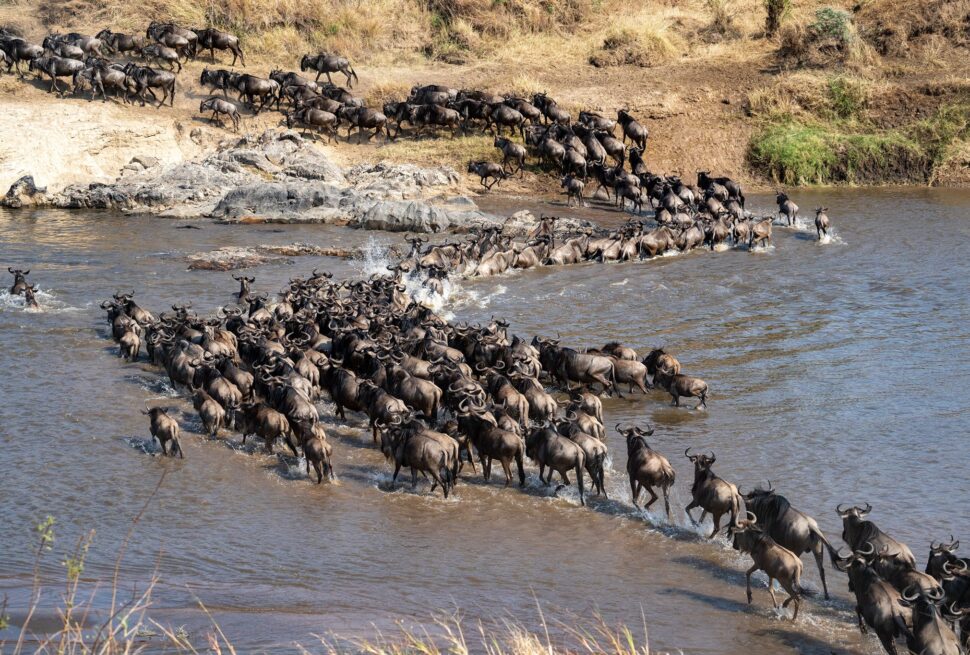
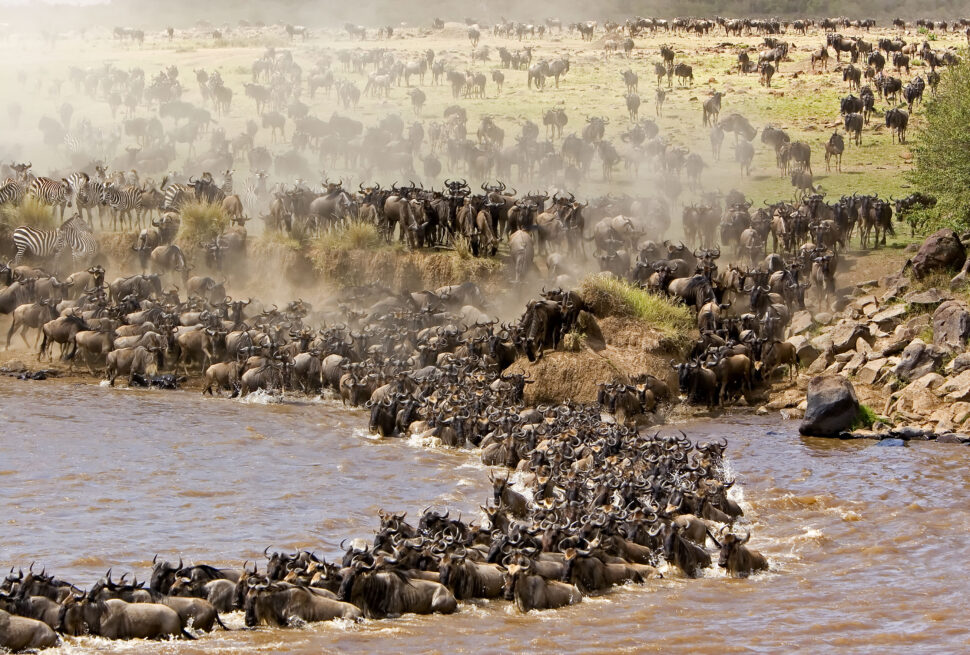
The Serengeti covers about 14,750 sq km and holds the largest share of the Great Migration for most of the year: calving on the southern plains around Ndutu from roughly January to March, and Mara River crossings in the north from about July to October. Our Great Migration month by month guide shows where the herds usually are.
The Ngorongoro Crater adds one of Africa’s densest concentrations of wildlife in a single caldera, including black rhinos, while Tarangire is known for big elephant herds in the dry season. If big cats decide your Rwanda vs Tanzania safari, Tanzania wins clearly; Akagera is rewarding but far smaller and quieter.
Which Is More Expensive, Rwanda or Tanzania?
A Rwanda vs Tanzania safari cost comparison usually shows Rwanda as more expensive per day, because the gorilla permit alone costs US$1,500 per person (checked October 2026). Tanzania costs less per day in park fees, but a good Tanzania safari usually lasts longer, so the total price of each trip often ends up in a similar range.
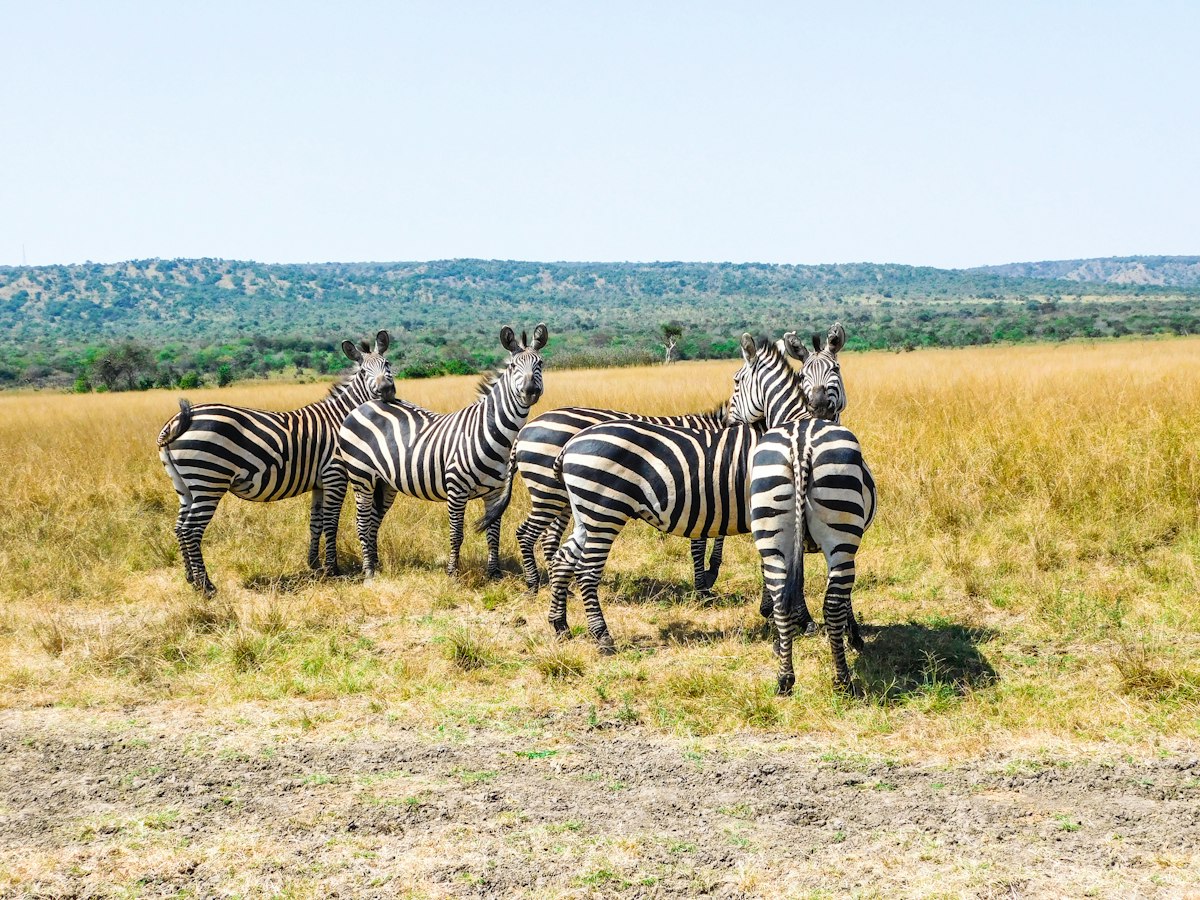
Photo: Divulge Adventures
Rwanda vs Tanzania safari costs per person
The table below gives realistic Rwanda vs Tanzania safari estimates per person sharing, for a private safari with a driver guide, park fees and accommodation. They are planning ranges built from the official fees in this guide and typical published lodge rate bands, not Divulge package prices, and they exclude international flights.
| Budget tier | Rwanda, 4-6 days | Tanzania, 6-8 days |
|---|---|---|
| Budget | About US$2,800 to US$4,000 (permit included) | About US$2,000 to US$3,200 with simple lodges or camping |
| Mid-range | About US$4,000 to US$6,500 | About US$3,200 to US$5,500 |
| Luxury | About US$9,000 to US$20,000 or more | About US$7,000 to US$15,000 or more |
In Rwanda the fixed costs are the gorilla permit and, if you add a savannah park, Akagera’s entry. African Parks’ published price list for Akagera charges international visitors US$100 per person for a day or one night and US$150 for two nights, with boat trips on Lake Ihema from US$35 (checked October 2026 on the official Akagera pricing sheet). Our Rwanda gorilla permit guide explains the 30% low-season discount rules.
In Tanzania the Serengeti charges US$82.60 per adult per 24 hours from 16 May to 14 March and US$70.80 in the low season, Ngorongoro charges US$70.80 plus a US$295 crater service fee per vehicle, and Tarangire and Lake Manyara charge US$59 (checked October 2026). Our full Tanzania park fees breakdown works through a sample itinerary. Fees change, so confirm them before you book.
The practical takeaway for a Rwanda vs Tanzania safari budget is that Rwanda concentrates its cost into a few unforgettable days, while Tanzania spreads a similar spend across a longer trip with more hours of game viewing.
Leaning towards gorillas? See our Rwanda gorilla safaris
Tailor-made Rwanda trips with gorilla permits arranged, private 4×4 transport, English-speaking driver guides and the option to add Akagera, Nyungwe or a flight on to Tanzania.
When Is the Best Time for a Rwanda or Tanzania Safari?
The best time for a Rwanda vs Tanzania safari is the long dry season, from June to September, with a second good window from December to February. Rwanda’s gorillas can be trekked all year, while Tanzania’s best months depend on where the migration is. Both countries are wettest from March to May.
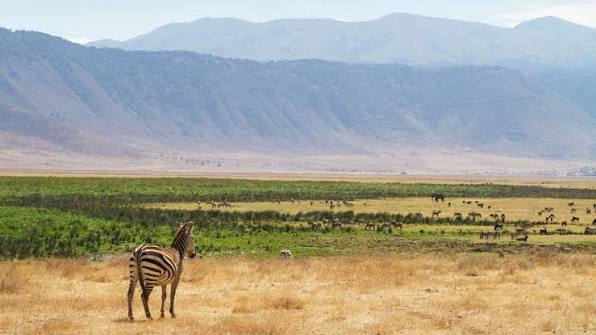
Photo: Divulge Adventures
| Months | Rwanda | Tanzania |
|---|---|---|
| January-February | Short dry spell, good trekking | Calving season in the southern Serengeti, green and busy with predators |
| March-May | Long rains, muddy trails, permit discount window | Long rains; some camps close, quieter parks and lower Serengeti fees mid-March to mid-May |
| June-September | Peak dry season, easiest trails, book permits early | Peak season; migration moves north, Mara River crossings from about July |
| October-November | Short rains begin, lush forest, discounts from November | Crossings continue into October; herds start moving south with the short rains |
| December | Drier spell, popular over the holidays | Herds arrive on the southern plains; festive season pricing |
A Rwanda vs Tanzania safari in the rainy months still works. Gorilla trekking runs all year, and the 30% permit discount for qualifying low-season bookings from November to May can save US$450 per person. In Tanzania, January and February are excellent for calving, and our best time to visit Tanzania guide covers each park.
How Many Days Do You Need in Rwanda and Tanzania?
For a Rwanda vs Tanzania safari, most travellers need three to six days in Rwanda and six to ten days in Tanzania. Rwanda’s main sites sit within a few hours of Kigali, so a short gorilla trip works well, while Tanzania’s parks are far apart and reward slower itineraries with two or three nights in the Serengeti.

Photo: Divulge Adventures
Getting around Rwanda
Rwanda’s roads are paved and well kept. Kigali to Musanze, the base for Volcanoes National Park, takes about 2.5 hours by road, and a 6-day Rwanda safari with gorillas and Akagera fits in the gorilla trek, golden monkeys and two nights in the savannah without rushing. With more time you can add Nyungwe’s chimpanzees and Lake Kivu.
Getting around Tanzania
Northern Tanzania safaris start in Arusha, near Kilimanjaro International Airport. The drive from Karatu to the central Serengeti takes about five hours through the Ngorongoro Conservation Area, so many travellers fly one way by light aircraft. Our Tanzania northern circuit itinerary shows how to pace a 7 to 10 day route.
Can You Combine Rwanda and Tanzania on One Safari?
Yes, Rwanda and Tanzania combine well because RwandAir flies direct between Kigali and Kilimanjaro, a flight of roughly 1 hour 45 minutes on a few days each week. A combined trip of 10 to 14 days gives you gorillas and the Serengeti without backtracking through Nairobi.
Rather than treating it as a Rwanda vs Tanzania safari choice, the most common combined route starts in Kigali with two or three nights near Volcanoes National Park, then flies to Kilimanjaro for six to eight days on the northern circuit, finishing in Zanzibar if you want a beach. Flight days shape the itinerary, so we build the safari around the current schedule.
| Days | Where | Highlight |
|---|---|---|
| 1-2 | Kigali and Musanze | Kigali city tour, drive to Volcanoes National Park |
| 3-4 | Volcanoes National Park | Gorilla trek, golden monkeys or a cultural visit |
| 5 | Kigali to Kilimanjaro | Flight to northern Tanzania, transfer to Arusha |
| 6-7 | Tarangire and Karatu | Elephant herds and a highland lodge |
| 8-10 | Serengeti | Two or three nights following the migration |
| 11-12 | Ngorongoro Crater, Arusha | Crater descent, then fly home or on to Zanzibar |
Remember the paperwork. The East Africa Tourist Visa covers Kenya, Uganda and Rwanda, but not Tanzania, so you need separate entry for each country. Our Tanzania visa guide explains the eVisa and visa on arrival.
Insider Tips
- Book gorilla permits first: Permits for June to September and late December sell out early; secure them before you fix the Tanzania dates
- Check the entry rules: The UK government’s Rwanda advice lists a free 30-day visa on arrival for Commonwealth citizens; US citizens pay US$50 (checked October 2026)
- Match the migration: If herds matter most in your Rwanda vs Tanzania safari plans, choose Tanzania months first, then slot Rwanda’s gorillas around them
- Pack for both climates: Rwanda’s mountains are cool and wet; bring waterproofs and gloves for the trek and light layers for the Serengeti
- Fly one leg in Tanzania: A light aircraft flight out of the Serengeti saves a long day on rough roads
- Age limits: Gorilla trekking is for ages 15 and over, so families with younger children may prefer Tanzania
Which Should You Choose: Rwanda or Tanzania?
The right Rwanda vs Tanzania safari choice depends on priorities. Choose Rwanda if mountain gorillas are your top priority and you have under a week, and choose Tanzania if you want big cats, huge herds and long game drives. Choose both if you have 10 days or more.
Rwanda suits
In a Rwanda vs Tanzania safari decision, Rwanda suits couples and solo travellers with limited time, repeat safari-goers who have already seen the plains, hikers who enjoy a physical day on foot, and travellers who like a clean, compact, easy-to-navigate country with very short transfers between parks.
Tanzania suits
On the other side of the Rwanda vs Tanzania safari decision, Tanzania suits first-time safari-goers, families with children under 15, photographers chasing the migration and predators, and anyone who wants to finish with a beach. Our 8-day mid-range Tanzania safari shows a classic route, and you can browse all our Tanzania safari packages.
A Rwanda vs Tanzania safari is rarely a wrong choice either way. The bigger mistake is trying to squeeze too much into too few days, so be realistic about time and pace.
Let us plan your safari
Tell us your dates, budget and dream sightings, and our Nairobi team will send you a free tailor-made itinerary and quote.
Frequently Asked Questions
Is Rwanda or Tanzania better for a first safari?
Tanzania is usually the better first safari for travellers who want classic savannah game drives, the Great Migration and lots of big cats. Rwanda suits first-timers whose main dream is mountain gorillas and who prefer short drives and a compact country. In a Rwanda vs Tanzania safari decision, many first-timers choose Tanzania, then return for Rwanda’s gorillas.
Is a Rwanda safari more expensive than a Tanzania safari?
A Rwanda safari usually costs more per day than a Tanzania safari, mainly because the Rwanda gorilla permit is US$1,500 per person (checked October 2026). Tanzania’s park fees are lower per day, from about US$59 to US$83 per adult per 24 hours, but Tanzania trips tend to be longer, so total costs can end up similar.
Can you see the Big Five in Rwanda?
Yes, you can see the Big Five in Rwanda at Akagera National Park in the east of the country, where lions and rhinos have been reintroduced alongside elephants, buffaloes and leopards. Akagera is smaller and quieter than the Serengeti, so sightings take more patience, but it makes a Rwanda vs Tanzania safari choice less clear-cut.
Can you combine Rwanda and Tanzania on one safari?
Yes, you can combine Rwanda and Tanzania on one safari by flying between Kigali and Kilimanjaro, a direct RwandAir flight of roughly 1 hour 45 minutes. A typical combination spends three to four days in Rwanda for gorillas, then five to seven days on Tanzania’s northern circuit. Check current flight days, as schedules change.
Do I need a separate visa for Rwanda and Tanzania?
Yes, Rwanda and Tanzania each need their own entry arrangements, because Tanzania is not part of the East Africa Tourist Visa. British and other Commonwealth citizens currently get a free 30-day Rwanda visa on arrival, while most nationalities pay US$50 for a Tanzania visa (checked October 2026). Always confirm current rules before you travel.
Final Thoughts
The Rwanda vs Tanzania safari question has a simple answer: Rwanda for gorillas in a short, intimate trip, Tanzania for the Serengeti, the migration and classic game drives. With ten days or more, the direct Kigali to Kilimanjaro flight lets you enjoy both.
Before you book, check the latest entry rules on the UK government Rwanda entry requirements page and send us your dates for a tailor-made plan.
Still torn between gorillas in Rwanda and the Serengeti in Tanzania?
Chat with a Divulge Adventures safari consultant on WhatsApp for honest advice, a quick answer and a quote built around you.