Is Kenya safe for safari? Yes: the main safari areas, including the Masai Mara, Amboseli, Tsavo, Lake Nakuru, Laikipia and Samburu, sit well away from the regions that the UK and US governments warn against, and organised safaris with a licensed guide run normally. The real risks are petty crime in cities, road travel and simple wildlife rules.
Headlines about advisories, protests or an imported Ebola case can make Kenya sound riskier than it feels in the parks. This guide, written by our team in Nairobi, explains what the official warnings actually cover, where the safari circuits sit in relation to them, the health picture this month, and the practical habits that keep a Kenya safari trouble-free.

Photo: Divulge Adventures
Quick Facts
- US advisory: Level 2 of 4, “Exercise increased caution”, issued 28 July 2026 (checked October 2026)
- Areas to avoid: the Somali border counties, Lamu County away from the islands, the coast north of Malindi and parts of the far north-west
- Is Kenya safe for safari: yes; none of the main circuit parks lie inside these warning zones
- Ebola: three confirmed imported-linked cases, all in Nairobi contacts of one traveller from the DR Congo; no community spread reported (checked October 2026)
- Biggest everyday risks: road accidents, bag snatching in cities, and ignoring wildlife rules
- Park rule to know: stay in the vehicle except at designated points and keep at least 20 metres from animals
Is Kenya Safe for Safari Right Now?
Kenya is safe for safari right now for travellers on an organised trip to the main parks. Both the UK and US governments keep Kenya open to tourism and focus their warnings on specific border and coastal areas, not on the national parks and reserves that make up a classic safari itinerary.
Ready to go? Book your customized safari instantly on WhatsApp — we'll take it from there.
 Book
BookInstantly on
The US State Department rates Kenya at Level 2, “Exercise increased caution” (issued 28 July 2026, checked October 2026). The reasons it lists are crime, kidnapping, terrorism, unrest, limited medical services outside big towns and traffic safety. For anyone asking is Kenya safe for safari, Level 2 means taking normal care, not cancelling. You can read the full wording on the US State Department Kenya travel advisory.
The UK Foreign, Commonwealth and Development Office (FCDO) updated its Kenya advice on 7 October 2026 to add Ebola information and said that update did not widen its existing area warnings. Its official Kenya travel advice is the page your travel insurer will look at, so check it again in the week before you fly.
Is Kenya safe for safari compared with other East African countries?
When guests ask us is Kenya safe for safari compared with Tanzania, our answer is that Kenya’s safari regions carry a similar everyday risk profile to the Tanzanian northern circuit: the parks themselves are calm, and most problems happen in cities or on the roads. What sets Kenya apart is that its warning zones are clearly mapped, so a safari planner can route around them with no loss of wildlife.
Where in Kenya Should Tourists Avoid?
Tourists should avoid Kenya’s far north-east along the Somali border, most of Lamu County, the coast north of Malindi and the far north-west near Ethiopia and South Sudan. These remote areas see terrorism, banditry or cross-border clashes, and no standard safari itinerary goes there.
Photo: Divulge Adventures
The table below sets the official warning areas against the places travellers actually go on safari. It is built from the US advisory (issued July 2026) and the FCDO advice as reported after its 7 October 2026 update, both checked in October 2026. Confirm the current maps before you book, as these zones change.
| Area | Official advice | Does a safari go there? |
|---|---|---|
| Mandera, Wajir and Garissa counties (Somali border) | UK: against all or all but essential travel; US: Level 4, do not travel | No |
| Lamu County (outside Lamu and Manda islands) | UK: against all travel; US: Level 4 for the whole county | No |
| Tana River County and the coast north of Malindi | US: Level 4 except Tsavo National Park; UK: all but essential travel within 15 km of the coast between the Tana and Galana rivers | No (Tsavo is excluded from the US warning) |
| West Pokot, western Turkana and the Ethiopian border strip | US: Level 4 (banditry and cross-border incursions) | No |
| Eastleigh and Kibera in Nairobi | US: Level 4 (crime and kidnapping) | No |
| Masai Mara, Amboseli, Tsavo, Nakuru, Naivasha, Laikipia, Samburu | Not in any UK or US warning zone | Yes: the core safari circuit |
So is Kenya safe for safari in the north? In Samburu and Laikipia, yes: they are in northern Kenya, yet they are not in the warning areas, which lie several hundred kilometres further north and east. Our Samburu National Game Reserve guide covers that region in more detail.
Is the Masai Mara Safe for Tourists?
The Masai Mara is safe for tourists and is Kenya’s busiest safari area. It lies in Narok County in the south-west, far from every official warning zone, and visitors spend their time on guided game drives and inside staffed camps, which keeps exposure to crime very low.
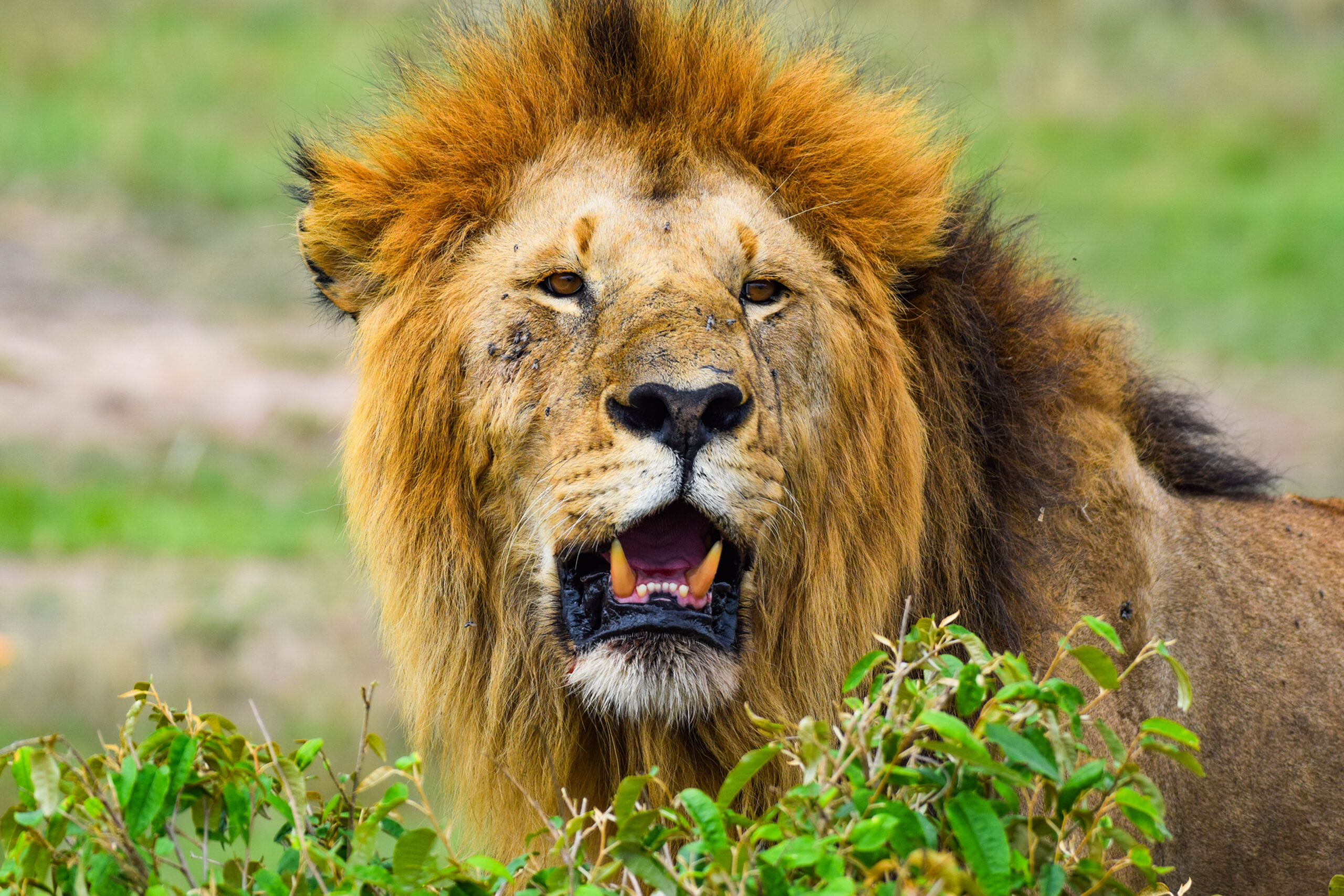
Photo: Divulge Adventures
Is Kenya safe for safari in the Mara at the height of the migration? Yes; the realistic questions there are about wildlife and camp life rather than people. Most camps are unfenced, so animals can walk through at night, which is why staff escort guests to and from their tents after dark. Follow that rule every time.
Choosing between the main reserve and the private conservancies also affects how your days feel. Conservancies limit vehicle numbers and allow guided walks and night drives. Our guide to the Masai Mara reserve versus the conservancies explains the trade-offs.
How Safe Are the Animals on a Kenya Safari?
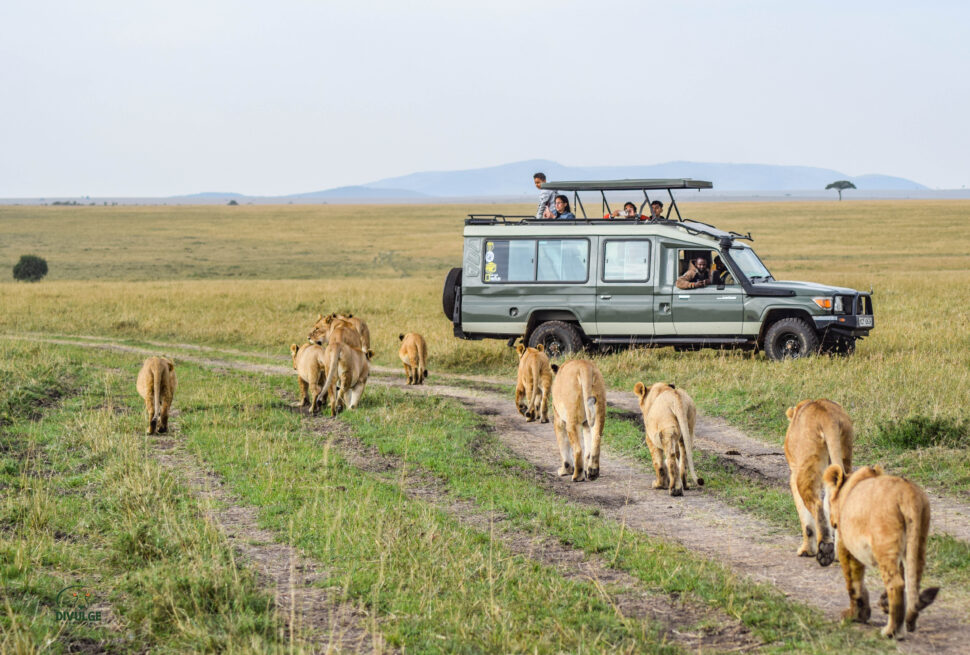
Wildlife incidents involving safari guests in Kenya are rare, and almost all follow a broken rule: leaving the vehicle, walking alone in an unfenced camp or approaching animals on foot. So is Kenya safe for safari around lions and elephants? Inside a vehicle with a professional guide, yes: the animals treat the vehicle as part of the landscape.
The Kenya Wildlife Service sets clear rules for visitors to its parks, and our guides follow the same standards in the Mara and the conservancies (checked October 2026). The ones that matter most for your safety are below; you can read more on the Kenya Wildlife Service website.
- Stay in your vehicle except at designated picnic sites, viewpoints and toilets.
- Keep a minimum distance of about 20 metres from animals and never crowd a sighting.
- Never feed animals; baboons and monkeys that learn to expect food become aggressive.
- Keep quiet, and do not hoot or bang the vehicle to make an animal move.
- Leave the park by 6pm unless you are staying overnight inside it.
What Are the Real Risks on a Kenya Safari?
The real risks on a Kenya safari are road accidents, opportunistic theft in Nairobi and other towns, sun and dehydration, and malaria. Is Kenya safe for safari once these are managed? Yes, and each is easy to reduce with the right vehicle, driver and habits.
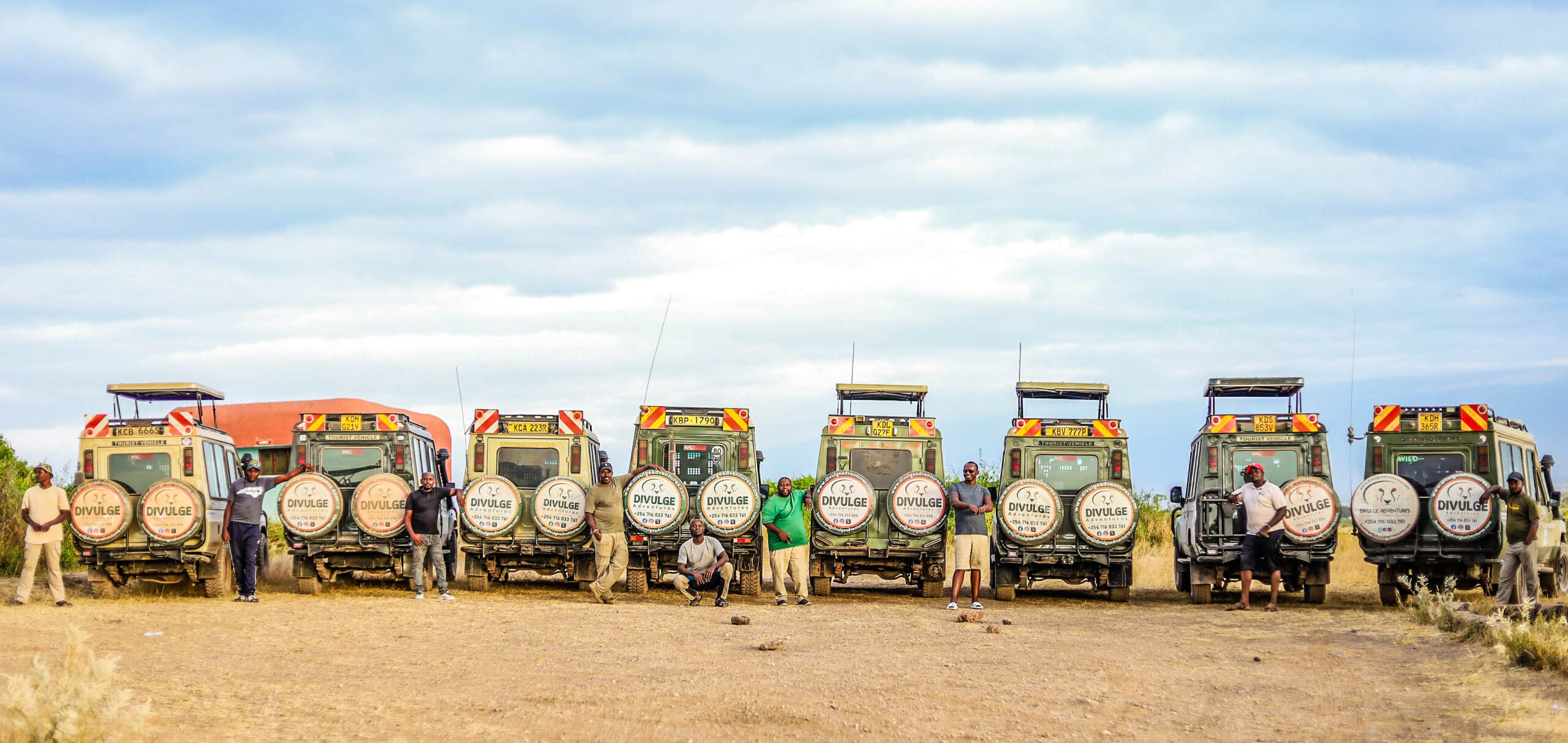
Photo: Divulge Adventures
Road safety
Ask a Nairobi guide “is Kenya safe for safari?” and they will talk about roads before lions. Road travel is the single biggest risk, and the US advisory names traffic accidents as a major cause of injury and death for its citizens in Kenya. The fix is simple: an experienced safari driver-guide, a well-maintained 4×4, no driving after dark, and a short internal flight for the longest legs if your budget allows.
Crime in Nairobi and other towns
Is Kenya safe for safari travellers in the cities? Crime against visitors is mostly opportunistic: phone snatching from car windows, pickpocketing in crowds and bag theft. Keep car windows up and phones out of sight in traffic, use hotel or app-booked taxis rather than hailing cars, and avoid walking around the city centre after dark. A Nairobi stopover spent between your hotel, the national park and a few booked visits is low-risk.
Health and the sun
Malaria is present in most safari areas below about 1,800 metres, so take your doctor’s advice on tablets and pack repellent. Our guide to Kenya safari vaccinations and malaria advice covers what to arrange before you travel. Equatorial sun is strong, so drink water and use sunscreen.
Is Kenya Safe for Safari After the Ebola Cases?
Kenya is still safe for safari after the October 2026 Ebola cases, according to the latest official information. All three confirmed cases are linked to one Kenyan traveller who fell ill in the Democratic Republic of the Congo, and the World Health Organization advises against any travel or trade restrictions on Kenya.
The WHO Africa office reports that the patient flew into Nairobi from Kampala on 3 October 2026 and died on 5 October, and that the case was confirmed as Bundibugyo virus disease, a form of Ebola. A third case, a close relative already in quarantine, was confirmed on 16 October. Kenya’s Health Ministry says there is no community spread and the risk to the public remains low (all checked October 2026).
Ebola spreads through direct contact with the blood or body fluids of a sick person, not through the air. Is Kenya safe for safari while this is monitored? A trip spent in the parks carries very little exposure. The practical changes are at the border: the US advisory notes that travellers arriving from the DR Congo, South Sudan, Uganda and several neighbouring countries, including Tanzania and Rwanda, must complete an electronic health surveillance form and may face temperature checks. If you are combining Kenya with Uganda, Rwanda or Tanzania, allow a little extra time at arrival.
How Do You Plan a Safe Kenya Safari?
You plan a safe Kenya safari by booking with a licensed local operator, keeping the itinerary inside the main safari circuit, buying travel insurance that covers medical evacuation, and checking official travel advice before you fly. Those four steps answer most of the “is Kenya safe for safari” worry before you land.
A typical safe first-timer’s week: one night in Nairobi near the airport or in a quiet suburb, then Amboseli for elephants against Kilimanjaro, and the Masai Mara for big cats, with daylight road transfers or a short flight back to the city. Our Kenya eTA guide explains the entry paperwork, and our Kenya park fees guide lists what each park charges.
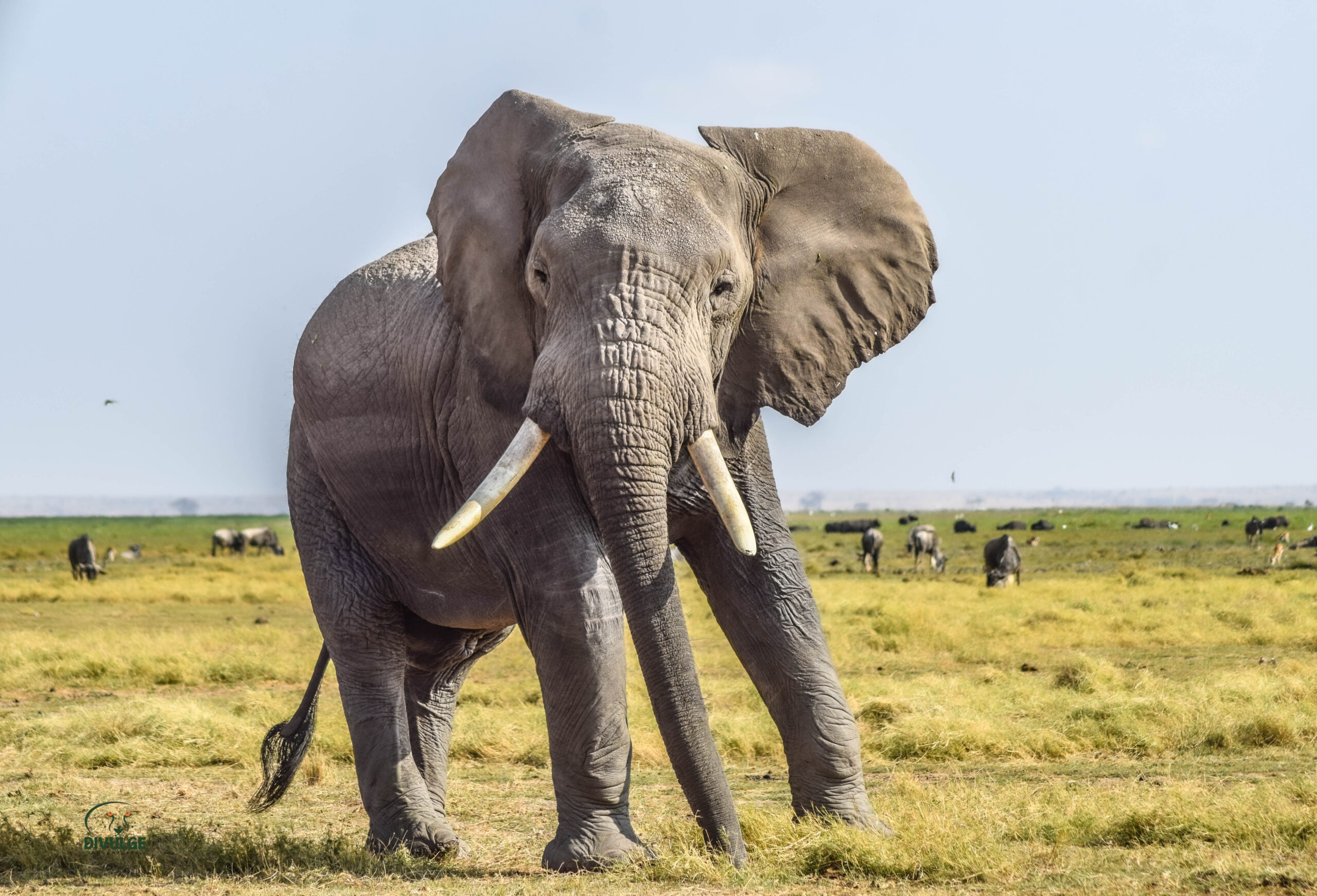
Photo: Divulge Adventures
Insurance is the step people skip. Make sure your policy covers medical evacuation from remote parks, and consider adding cover from the Flying Doctors air ambulance service, which can fly patients from bush airstrips to hospital in Nairobi. Our safari travel insurance page explains what to look for.
Is Kenya safe for safari with children or travelling solo?
Is Kenya safe for safari with children or alone? Yes, with a few adjustments. Families should look for camps that accept children and offer family tents, and keep children close in unfenced camps. Solo travellers, including women travelling alone, are well looked after on a private guided safari. See our guides to family safari planning and solo female safaris.
Travel the safe classic: Amboseli and the Masai Mara
Our 6-day itinerary keeps you on Kenya’s core safari circuit with a private vehicle, an experienced driver-guide and daylight transfers, and we tailor it to your dates.
Is Kenya Safe for Safari Every Day? Tips From Our Nairobi Team
Yes, if small habits are built into each day. The tips below are the ones our guides repeat to guests on almost every trip, and none of them gets in the way of enjoying the wildlife.
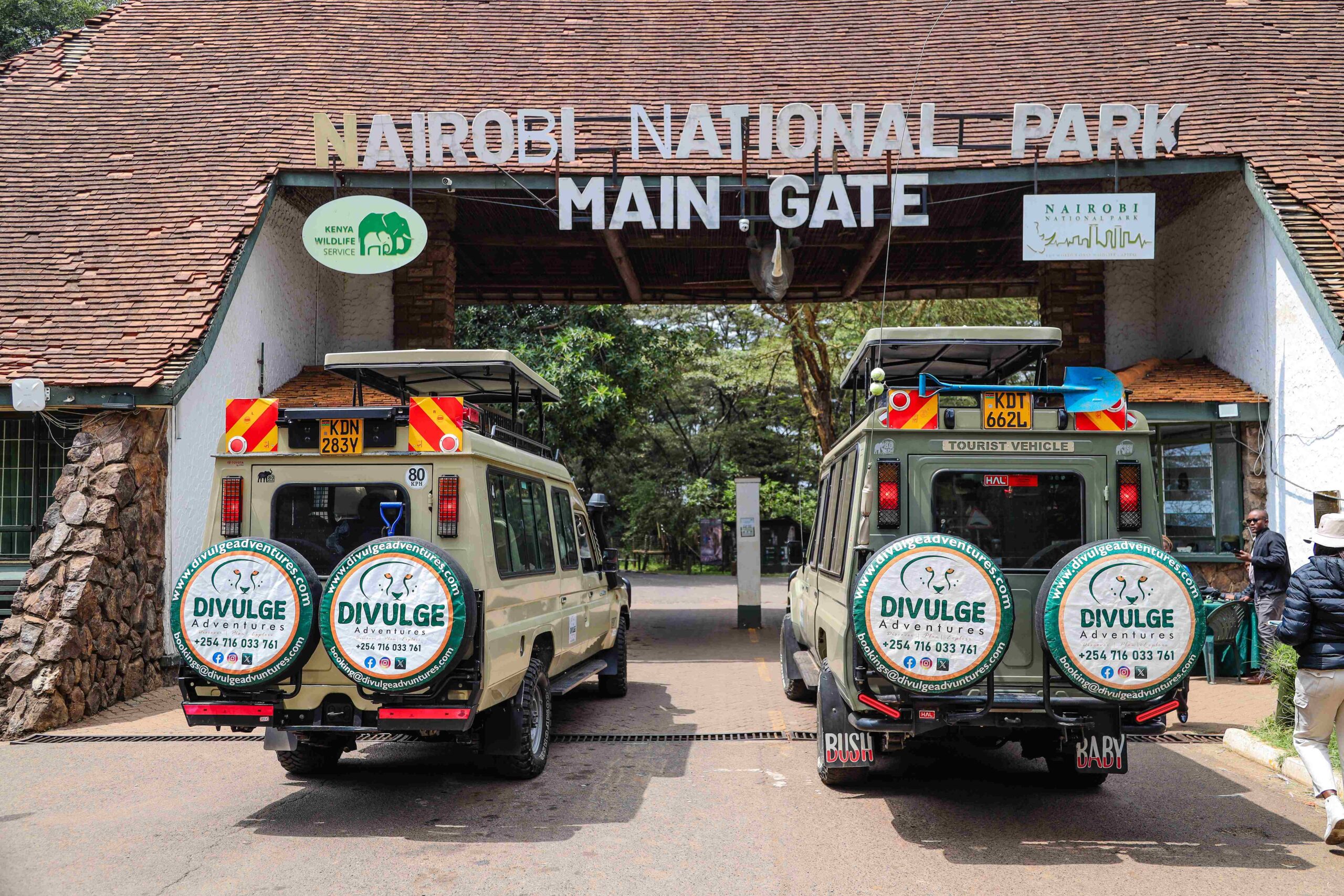
Photo: Divulge Adventures
Insider Tips
- Check advice twice: read the FCDO or State Department page when you book and again a week before you fly.
- Register your trip: sign up for your embassy’s alert service so you hear about protests or changes quickly.
- Avoid demonstrations: if a protest is announced in Nairobi, stay at your hotel or leave for the parks early; your guide will reroute if needed.
- Copy your documents: keep photos of your passport, eTA and insurance on your phone and in your email.
- Use the escort: always ask for a camp escort after dark, even for short walks.
- Lock it away: use the in-room safe and carry only the cash you need for the day.
Protests do happen in Kenya, usually in central Nairobi and other big towns, and the US advisory notes that some turn violent. They rarely affect the parks, but they can slow airport transfers, so build a little slack into arrival and departure days. A local operator watching the news for you is one of the best safety tools you have.
Let us plan your safari
Tell us your dates, budget and dream sightings, and our Nairobi team will send you a free tailor-made itinerary and quote.
Frequently Asked Questions
Is Kenya safe for safari for first-time visitors?
Is Kenya safe for safari for first-timers? Yes, with a licensed operator on the main circuit of the Masai Mara, Amboseli, Tsavo, Nakuru, Laikipia and Samburu. The US rates Kenya at Level 2, and both the US and UK limit warnings to remote border and coastal areas (checked October 2026).
Is Nairobi safe for tourists before a safari?
Nairobi is safe for a short stopover if you take normal big-city care. Stay in a reputable hotel, use booked or app taxis, keep phones out of sight in traffic and avoid walking around the centre after dark. The US advisory lists the Eastleigh and Kibera neighbourhoods as do-not-travel areas, and visitors have no reason to go there.
Do I need to worry about Ebola on a Kenya safari?
Is Kenya safe for safari despite Ebola? Yes, the risk on a safari is low. The three cases confirmed in October 2026 are all linked to one traveller from the DR Congo and his close contacts in Nairobi, with no community spread reported. The World Health Organization advises against travel restrictions on Kenya. Check the latest official advice and any arrival health forms before you fly.
Is it safe to self-drive on safari in Kenya?
Is Kenya safe for safari as a self-drive? It is possible but carries more risk than a guided safari, because road accidents are the leading danger for visitors and park tracks can be rough and poorly signed. You also lose a guide’s wildlife knowledge. If you do self-drive, use a well-equipped 4×4, never drive after dark and follow all park rules and exit times.
Will my travel insurance cover a Kenya safari?
Is Kenya safe for safari in your insurer’s eyes? Usually yes: most policies cover a Kenya safari as long as you do not travel against official government advice, so stay out of the warning areas listed by the FCDO or State Department. Check that your policy includes medical evacuation from remote parks, and consider Flying Doctors cover for air ambulance flights from bush airstrips to Nairobi.
Final Thoughts: Is Kenya Safe for Safari?
For most travellers the honest answer to “is Kenya safe for safari” is yes. The official warnings cover remote border and coastal areas that no safari visits, the Ebola cases are contained to known contacts in Nairobi, and the everyday risks are managed with a good guide, daylight driving and sensible city habits.
If you would like a route that stays inside Kenya’s safe and spectacular safari circuit, explore our Kenya safari packages or ask us for a tailor-made plan, and we will keep an eye on the latest advice for you right up to your travel dates.
Still asking is Kenya safe for safari on your dates?
Chat with a Divulge Adventures safari consultant on WhatsApp for honest advice, a quick answer and a quote built around you.