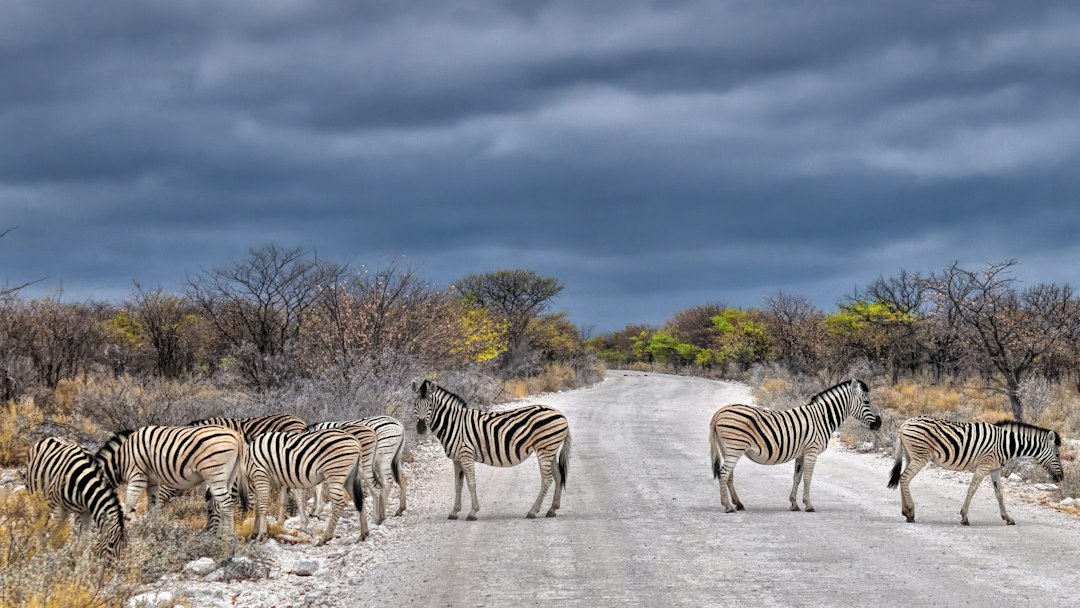
Namibia in January is green season: warm, bright and greener than most people expect. Etosha averages 33°C highs and about 95 mm of rain over 14 days, mostly in short afternoon storms, while Sossusvlei stays almost dry at 30°C and the coast sits at 22°C. Game spreads out, but birds and newborn springbok make up for it.
The worry most people bring to Namibia in January is simple: will rain ruin the trip? Usually it does not, but it does change how you plan. This guide covers each region as it really is in January, the fees and entry rules we confirmed this month, a route that makes the most of the season, and who would honestly be happier going in another month.

Photo by Colin Watts on Unsplash
Quick Facts
- Season: Midsummer and the heart of the green season in the north
- Etosha: About 33°C highs, 19°C lows, 95 mm of rain on roughly 14 days
- Sossusvlei: About 30°C highs, 16°C lows, around 9 mm of rain, 11 hours of sunshine a day
- Coast: Swakopmund about 22°C by day and 16°C at night, sea around 17°C
- Park fee: N$280 per foreign adult per day at Etosha and Namib-Naukluft (checked October 2026)
- Visa: N$1,600 for non-African visitors who need one, including UK passport holders (checked October 2026)
- Best for: Birders, photographers, repeat visitors and anyone who prefers quieter roads to peak-season crowds
What Is the Weather Like in Namibia in January?
The weather in Namibia in January splits the country in two. The north and north-east are hot, humid and showery, with most rain falling in afternoon thunderstorms. The south and the Namib Desert stay dry and sunny, and the Atlantic coast is cool and often hazy. Long dry spells between storms are normal everywhere.
Ready to go? Book your customized safari instantly on WhatsApp — we'll take it from there.
 Book
Instantly on

Photo by Lucas Chizzali on Unsplash
Namibia lies in the southern hemisphere, so January is the middle of summer. A typical day around Etosha starts clear and fresh, heats up by late morning, and builds towering clouds after lunch. A storm might roll through at 4pm, cool everything by ten degrees and leave a spectacular sunset behind it. Then the next two days may be completely dry.
The table below shows Namibia in January region by region, using long-term averages from weather2travel’s Etosha climate data and its matching pages for Sossusvlei and Swakopmund (checked October 2026). Treat them as a guide: rains vary a lot from year to year in Namibia.
| Area | Day / night | Rain | What it means |
|---|---|---|---|
| Etosha | 33°C / 19°C | About 95 mm, 14 days | Green bush, afternoon storms, game spread away from the waterholes |
| Sossusvlei | 30°C / 16°C | About 9 mm, 2 days | Dry and very sunny; dunes are best at sunrise |
| Swakopmund | 22°C / 16°C | About 2 mm | Mild, sometimes misty, a welcome break from the heat |
| Zambezi Region | Hot and humid | One of the wettest months | Lush and beautiful, but muddy tracks and the highest malaria risk |
How January compares with December and February
Etosha in January is slightly cooler by day than December (33°C against 35°C) but gets almost twice the rain (95 mm against 56 mm). February is wetter again, at about 113 mm. In practice, that makes January the month when the northern landscape turns properly green, while roads and camps are still easy to manage. If you are weighing up the whole year, our month-by-month guide to the best time to visit Namibia sets January against the dry winter months.
Is Etosha Worth Visiting in January?
Etosha is worth visiting in January if you want birds, babies and green scenery more than guaranteed crowds of animals at one waterhole. Rain fills pools across the plains, so elephants, zebras and antelope no longer need the permanent springs and spread out. You will still see plenty, but sightings take more driving and patience than in September.
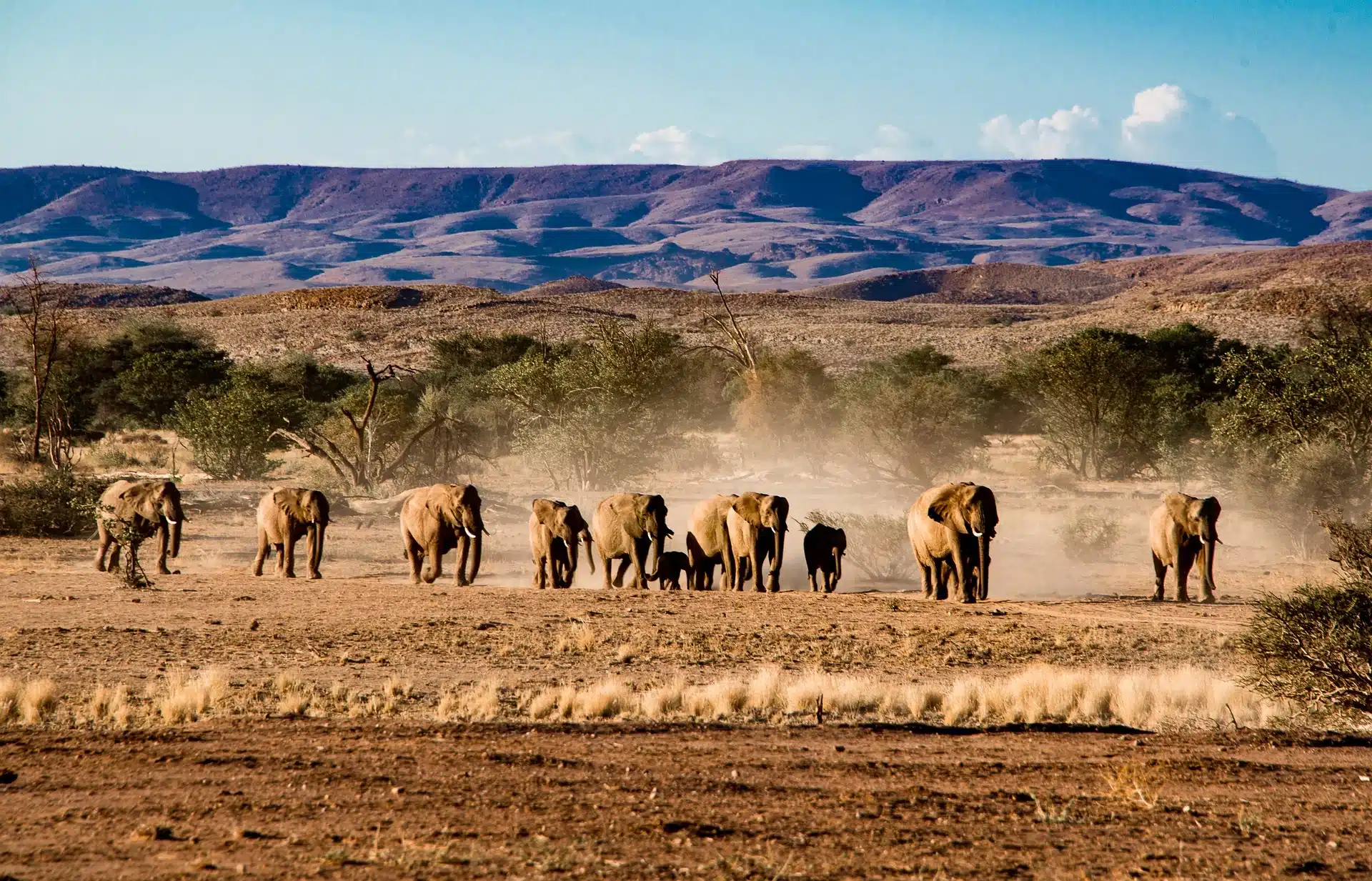
Photo: Divulge Adventures
The trade-off is worth understanding before you book Namibia in January. In the dry season, Etosha works like a theatre: you park at a waterhole and the animals come to you. In January the stage is the whole park. The upside is that the plains look alive, the light is softer after storms, and you share sightings with far fewer vehicles.
Newborn animals and summer birds
Summer is calving time for many of Etosha’s grazers, so Namibia in January often brings young springbok, wildebeest and zebra foals onto the short green grass. Predators follow that easy food. It is also the peak of the birding year, when migrant species arrive from Europe and further north in Africa and resident birds put on breeding colours.
In particularly good rainy seasons, the vast Etosha Pan, covering about 4,800 square kilometres, floods with a thin layer of salty water. When that happens, flamingos arrive in their thousands to breed, along with great white pelicans. It does not happen every year, so treat it as a bonus rather than a reason to book.
How to work Etosha in Namibia in January
The best way to see Etosha in Namibia in January is to drive early, rest at midday and go out again late in the afternoon, keeping an eye on the clouds. Stay inside the park or right beside a gate so you lose no time on transfers. Ask your guide which waterholes stay busy after rain; some permanent springs still draw lions and rhino at night, and the floodlit waterholes at the rest camps are worth an hour after dinner. Our 7-Day Classic Etosha National Park safari stays inside the park for exactly this reason.
Sossusvlei and the Namib Desert in January
Sossusvlei in January is dry, sunny and hot, with about 11 hours of sunshine a day and highs around 30°C, though the sand gets far hotter. Rain is rare, so the main job in Namibia in January is beating the heat by reaching the dunes at first light.
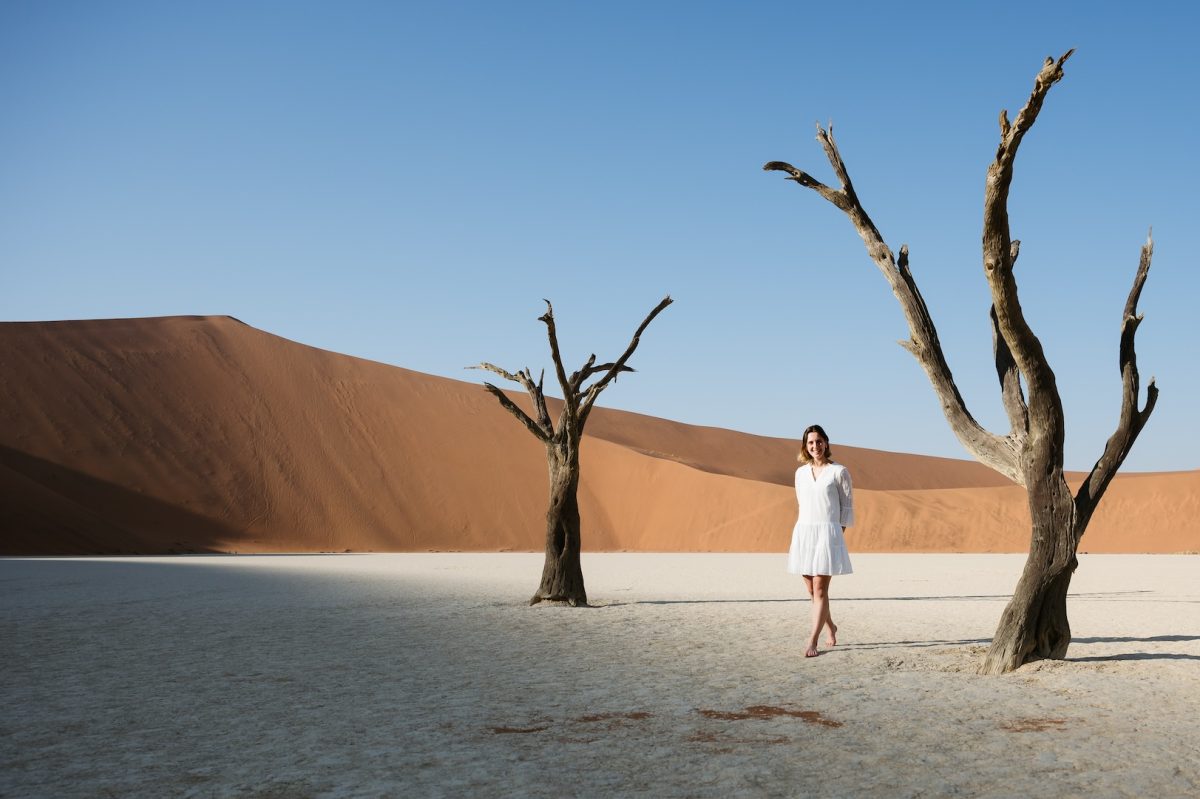
Photo: Divulge Adventures
From September to April the main Sesriem gate opens at 06:00 and closes at 18:00, while guests at the camps inside the gate can use the inner gate from 05:00 to 19:00 (checked October 2026). That extra hour is what gets you to Dune 45, 45 km from the gate, or Big Daddy for sunrise before the day visitors arrive. The last stretch to Sossusvlei and Deadvlei is deep sand, so unless you are in a 4×4, take the shuttle from the 2×4 car park.
A January morning in the dunes
Leave camp in the dark with at least two litres of water each, climb for sunrise, and walk into Deadvlei by 8am while the dead camel thorn trees still throw long shadows. Be back at the vehicle by about 10am. In the rare year when a big storm reaches the Namib, the Tsauchab River can flow and briefly fill Sossusvlei itself with water; it is a famous sight, but impossible to plan for. Our 5-Day Sossusvlei and Etosha Tour pairs the dunes with Etosha in one short trip.
The Coast and the Zambezi Region in January
The coast is the coolest part of Namibia in January, with Swakopmund averaging 22°C by day and almost no rain. The cold Benguela Current brings morning mist. The far north-east Zambezi Region, by contrast, is in its wettest stretch and suits only travellers happy with mud and humidity.

Photo by Birger Strahl on Unsplash
Two nights in Swakopmund or Walvis Bay are the easiest way to recover from desert heat during Namibia in January. Mornings suit a boat trip on Walvis Bay lagoon to see seals, dolphins and pelicans, or a 4×4 run to Sandwich Harbour, where the dunes drop straight into the Atlantic. After the busy New Year week, the coast quietens down noticeably, and restaurants and activities are easier to book.
Should you include the Zambezi Region?
Most first-time visitors to Namibia in January should leave the Zambezi Region (the old Caprivi Strip) for the dry months. The rivers and floodplains look wonderful, but some sandy tracks turn to mud, and this is the part of the country with the highest malaria risk. If you want green Africa and water in January, we would rather pair Namibia with Botswana; our guide to Botswana in January explains what the green season looks like there.
How Much Does Namibia in January Cost?
The fixed costs of Namibia in January match the rest of the year: N$280 per foreign adult per day at Etosha and Namib-Naukluft, plus a N$1,600 visa for many non-African visitors (checked October 2026). January can help on accommodation, as lodges outside the festive week are easier to book than in the winter peak.
Namibia raised its park fees sharply from 1 April 2026, when the top-tier parks went from N$150 to N$280 per foreign adult per day, as reported by Tourism Update in January 2026. The table lists the costs we could confirm in October 2026. Fees and visa rules change, so check again before you travel.
| Cost | Amount | Notes |
|---|---|---|
| Visa (non-African visitors who need one) | N$1,600 per adult | E-visa online or visa on arrival at main entry points such as Hosea Kutako Airport (checked October 2026) |
| Etosha park fee | N$280 per foreign adult per day | Since 1 April 2026; SADC adults pay N$180 (checked October 2026) |
| Namib-Naukluft park fee | N$280 per foreign adult per day | Same top-tier rate, also used for Skeleton Coast and Cape Cross (checked October 2026) |
| Vehicle fee (2-10 seats) | N$60 per day | Paid per vehicle in the parks (checked October 2026) |
Beyond these, the price of Namibia in January depends on two choices: guided or self-drive, and lodges inside the parks or on private land beside them. Long distances mean a guided trip often costs less per day than people expect once fuel, a 4×4 and the risk of getting stuck after rain are counted. Our article on guided versus self-drive Namibia safaris sets out those trade-offs honestly.
Plan a green-season Namibia safari
Browse our Etosha, Sossusvlei and coast itineraries, each one adjustable to January’s heat and storms, with private guiding and lodges chosen for early starts.
Which Route Works Best in January?
The route that works best for Namibia in January runs south to north: start in the dry Namib at Sossusvlei, cool off on the coast at Swakopmund, then finish in green Etosha. That order puts the most reliable weather first and leaves the showery north for the end, when a lost afternoon to rain matters least.
| Days | Where | Why in January |
|---|---|---|
| 1 | Windhoek | Arrive, sort the visa and rest; the highlands are milder than the north |
| 2-4 | Sossusvlei and Sesriem | Dry, clear mornings for dunes and Deadvlei |
| 5-6 | Swakopmund and Walvis Bay | Cool coastal air, lagoon cruise, Sandwich Harbour |
| 7 | Damaraland | Breaks the long drive north; rock landscapes look striking after rain |
| 8-10 | Etosha | Green plains, young animals, top birding; plan drives around the storms |
Ten days is comfortable for this loop through Namibia in January; seven works if you skip Damaraland and accept longer drives. Build in one spare half-day in Etosha in case an afternoon storm cuts a drive short. Our post on mistakes first-time Namibia travellers make explains why trying to fit too much in is the most common one.
Who should choose another month?
Choose the dry season instead if your top priority is easy, concentrated game viewing, particularly lots of predator sightings at waterholes. July to October is better for that. January is also a poor fit for anyone who struggles with heat, or for self-drivers nervous about wet gravel roads. And if you are travelling in late December rather than January, read our guide to Namibia in December, since the festive weeks bring busier towns and less rain.
Entry Rules and Health Before You Fly
Visitors from many countries, including the UK, now need a visa for Namibia in January or any other month. Apply through the government’s Ministry of Home Affairs online visa portal, or get a visa on arrival at main entry points such as Hosea Kutako International Airport. Some smaller airports and borders cannot process e-visas.
Passports need at least six months’ validity and three blank pages, and children need a full birth certificate (plus a consent letter where only one parent travels). Check the UK government’s Namibia entry requirements or your own country’s advice before you go.
Namibia in January falls in the higher-risk malaria season in the north. The CDC malaria information for Namibia lists the affected regions, which include the Etosha area and the Zambezi Region. Speak to a travel clinic about tablets well before you fly, use repellent and cover up from dusk.
Insider Tips
- Start early everywhere: plan the best game drives and dune climbs before 10am
- Watch the sky after lunch: storms build fast in the north, so head back before dark clouds reach you
- Pack a light rain jacket: plus a fleece for Swakopmund evenings and desert dawns
- Protect your camera: a dry bag or plastic cover saves gear during a sudden downpour
- Bring binoculars: January is the best birding month of the year in Etosha
- Book the coast early for New Year: after the first week of January it is much quieter
Let us plan your safari
Tell us your dates, budget and dream sightings, and our Nairobi team will send you a free tailor-made itinerary and quote.
Frequently Asked Questions
Is January a good time to visit Namibia?
January is a good time to visit Namibia for birders, photographers and travellers who like quiet parks and green scenery. The desert and coast stay dry, while Etosha gets afternoon storms and game spreads out. If your main goal is easy, concentrated wildlife viewing at waterholes, the dry months from July to October suit you better.
Does it rain a lot in Namibia in January?
Rain in Namibia in January falls mainly in the north and north-east. Etosha averages about 95 mm over roughly 14 days, usually as short afternoon thunderstorms with sunshine in between. Sossusvlei gets only around 9 mm and Swakopmund almost none, so most trips lose very little time to the weather.
Can you see animals in Etosha in January?
You can see plenty of animals in Etosha in January, including elephants, zebras, springbok, giraffes and lions, but they are more spread out than in the dry season because rainwater pools across the plains. January is also when many grazers have young, and it is the peak of the birding year, with migrant species present.
How hot is Sossusvlei in January?
Sossusvlei in January averages highs of about 30°C and lows of about 16°C, with around 11 hours of sunshine a day and an extreme UV index. The sand heats up much more than the air, so visit the dunes and Deadvlei at sunrise, carry at least two litres of water each and be finished by mid-morning.
Do I need a visa for Namibia in January?
Many visitors need a visa for Namibia, including UK passport holders. Non-African visitors pay N$1,600 per adult for an e-visa or a visa on arrival at main entry points such as Hosea Kutako International Airport (checked October 2026). Rules and fees are reviewed regularly, so confirm with official sources before you book.
Final Thoughts
Namibia in January rewards travellers who swap the idea of crowded waterholes for green plains, newborn animals, dry desert mornings and some of the best skies of the year. Start in the south, finish in Etosha, keep your mornings early and your afternoons flexible, and the rain becomes part of the show rather than a problem.
If you are thinking about Namibia in January, tell us your dates and what you most want to see, and we will shape a route that fits the season and your pace.
Wondering whether the January rains suit your Namibia plans?
Chat with a Divulge Adventures safari consultant on WhatsApp for honest advice, a quick answer and a quote built around you.