There are seven main Kilimanjaro routes to Uhuru Peak (5,895 m): Marangu, Machame, Lemosho, Shira, Rongai, the Northern Circuit and Umbwe. For most first-time climbers the best choice is a 7 or 8 day Lemosho or Machame climb, because the extra days and the climb-high, sleep-low profile give your body time to adjust to altitude.
The trouble is that every operator praises its favourite path, and the numbers you find online rarely line up. This guide sets the Kilimanjaro routes side by side on the things that decide how your climb goes: days on the mountain, acclimatisation, scenery, crowds, comfort and what the park fees add up to, so you can pick with confidence.
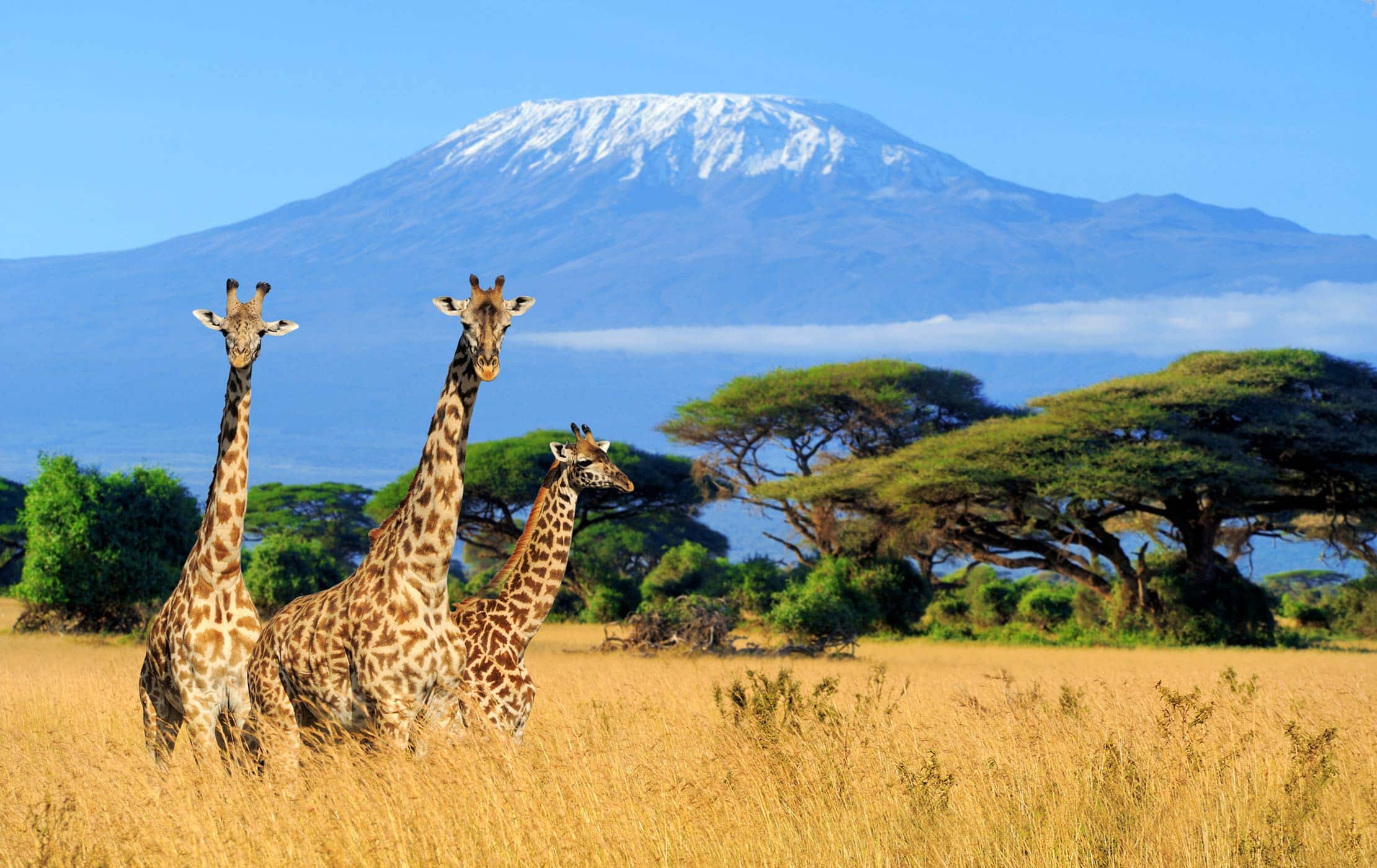
Photo: Divulge Adventures
Quick Facts
- Summit: Uhuru Peak, 5,895 m, on the Kibo crater rim
- Main Kilimanjaro routes: Marangu, Machame, Lemosho, Shira, Rongai, Northern Circuit, Umbwe (Mweka is used only for the descent)
- Typical length: 5 to 9 days on the mountain, roughly 53 to 98 km depending on the route
- Best all-rounders: Lemosho (8 days) and Machame (7 days)
- Only hut route: Marangu, with dormitory huts at Mandara, Horombo and Kibo
- Park conservation fee: US$70 per adult per day plus 18% VAT, so US$82.60 (checked October 2026)
- Nearest airport: Kilimanjaro International Airport, about an hour’s drive from most trailheads
What Are the Main Kilimanjaro Routes?
The main Kilimanjaro routes are seven trails that start from different gates around the mountain and meet near the summit. Five approach from the south and west (Marangu, Machame, Umbwe, Lemosho and Shira), one from the north-east (Rongai), and the Northern Circuit wraps around the quiet northern slopes.
Ready to go? Book your customized safari instantly on WhatsApp — we'll take it from there.
 Book
Instantly on
Distances vary by a few kilometres between sources, so treat them as a guide to how long and gradual these Kilimanjaro routes are.
| Route | Days | Approx. distance | Best for |
|---|---|---|---|
| Marangu | 5-6 | About 72 km | Climbers who want hut beds and a gentle gradient |
| Machame | 6-7 | About 62 km | Fit first-timers who want scenery on a sensible budget |
| Lemosho | 7-8 | About 70 km | Most first-timers: quiet start, strong summit odds |
| Shira | 7-8 | About 56 km | Experienced trekkers already used to altitude |
| Rongai | 6-7 | About 73 km | Quieter trails and the rainy months, from the north |
| Northern Circuit | 9 | About 90-98 km | Anyone with time who wants the best acclimatisation |
| Umbwe | 5-6 | About 53 km | Strong, experienced hikers only (steep and short) |
Mweka is the eighth name you will see. It is a descent-only trail used by Machame, Lemosho, Shira, Umbwe and the Northern Circuit, so you come down a different way from the one you climbed. Marangu climbers return on the same path, and Rongai climbers usually descend via Marangu.
Which Route Gives You the Best Chance of Reaching the Summit?
The route that gives you the best chance of reaching Uhuru Peak is the one with the most days and a climb-high, sleep-low profile. In practice that means the Northern Circuit, Lemosho on 8 days or Machame on 7 days. Short climbs on Marangu, Umbwe or a 6 day Machame leave little time to adjust.

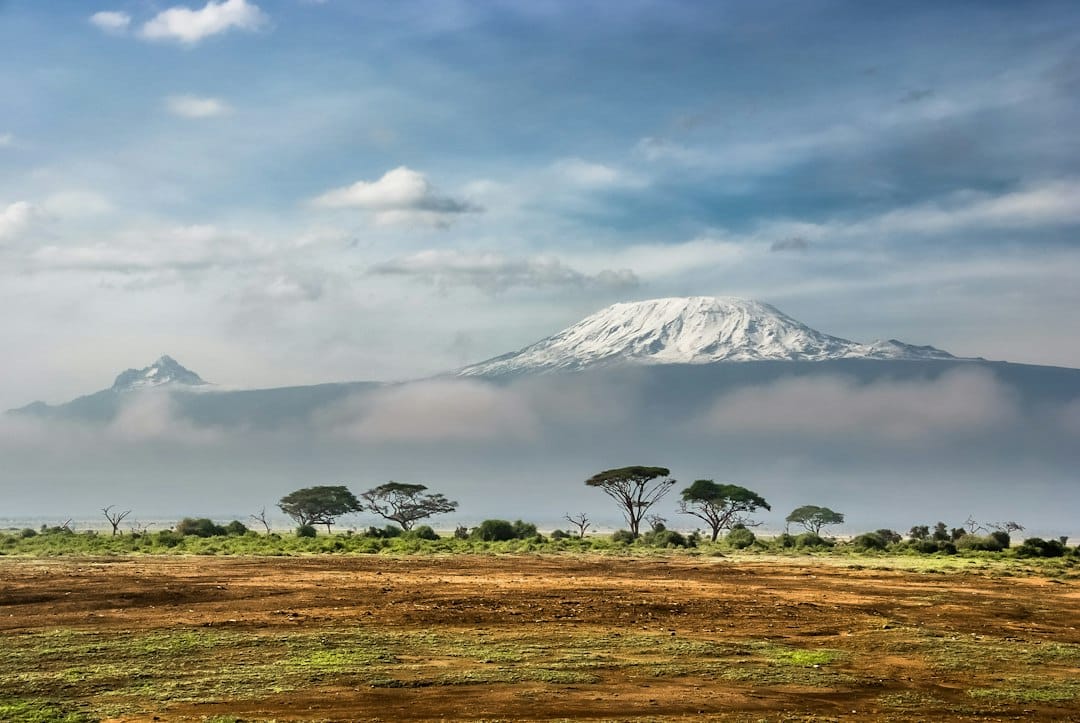
Photo by Harshil Gudka on Unsplash
Altitude, not fitness, turns most climbers back. Above about 2,500 m the body needs time to make more red blood cells and adjust its breathing, and the CDC’s advice on high-altitude travel and altitude illness is clear that a slow ascent is the best prevention. Every extra day on the mountain helps, which is why you will see operators publish higher success rates for their longer itineraries.
Profile matters as much as length. On Machame and Lemosho, day three or four takes you up to Lava Tower at about 4,630 m for lunch, then down to Barranco Camp at about 3,976 m to sleep. That small detour does a lot of the work. Rongai and Marangu climb more steadily without that dip, so they need an extra day to match it.
Do longer Kilimanjaro routes cost much more?
Longer Kilimanjaro routes cost more mainly because park fees are charged per day and per night, and the crew is paid for each extra day. The difference between a 6 and an 8 day climb is usually a few hundred US dollars per person, which is small compared with flights and a far lower chance of turning back.
How the Seven Kilimanjaro Routes Compare, One by One
Each of the seven Kilimanjaro routes has a clear character. The short notes below cover where it starts, how the days are spread, what you see and who it suits, so you can rule routes out quickly before you speak to an operator about dates.
Marangu: the hut route
Marangu is the only one of the Kilimanjaro routes with sleeping huts, so you do not camp. Climbers sleep in shared dormitory huts at Mandara (about 2,720 m), Horombo (about 3,760 m) and Kibo (about 4,730 m), then go up and down on the same trail. It is gentle and popular in the rains, but on 5 days its acclimatisation is weak. Book 6 days with an extra night at Horombo.
Machame: scenery on a sensible budget
Machame climbs through rainforest to Machame Camp, crosses the Shira Plateau to Shira Cave Camp (about 3,810 m), then traverses the southern slopes via Lava Tower, Barranco, Karanga (about 3,995 m) and Barafu (about 4,670 m). It is one of the most scenic climbs and the busiest in peak months. Choose 7 days rather than 6. Our post on altitude sickness on the Machame route goes through that ascent in more detail.

Photo by Yoad Shejtman on Unsplash
Lemosho: the quiet western approach
Lemosho starts on the western side, with registration at Londorossi Gate (about 2,360 m) and a first night at Mti Mkubwa (about 2,895 m) in the forest. It crosses the full Shira Plateau, passes Moir Hut (about 4,206 m) and joins the Machame trail at Lava Tower. The first two days are far quieter than Machame, the views are superb, and on 8 days it is our usual pick for first-timers.
Shira: a high start
Shira shares much of its line with Lemosho but starts with a drive high onto the plateau, so you sleep at around 3,500 m on the first night. That suits trekkers fresh from Mount Meru or Mount Kenya, but it is hard on anyone arriving from sea level.
Rongai: from the north, close to Kenya
Of all the Kilimanjaro routes, Rongai is the only one that begins on the northern side, close to the Kenyan border, where it is usually drier. It is quiet, with a steady gradient and camps below Mawenzi, and it suits climbers travelling in the shoulder months. The trade-off is a weaker climb-high, sleep-low profile, so take 7 days.
Northern Circuit: the longest and quietest
The Northern Circuit starts like Lemosho, then swings around the remote northern slopes instead of the busy southern traverse. At about 9 days it is the longest of the Kilimanjaro routes, with the most time to acclimatise, the fewest people and views north towards Kenya. It is the strongest choice if you have the days and budget.
Umbwe: steep and short
Umbwe is the steepest and shortest of the Kilimanjaro routes, climbing hard through forest on the south before joining the Machame trail near Barranco. It is very quiet because most climbers avoid it, and for good reason: the fast gain in height leaves little time to acclimatise. Only consider it if you have recent high-altitude experience.
How Much Are Park Fees on Each Route?
Kilimanjaro park fees for a non-resident adult come to roughly US$875 for a 6 day Marangu climb and about US$955 to US$1,240 for 7 to 9 day camping climbs, before the operator’s costs. Fees are charged per day, per night and once per climb, and 18% VAT applies to each.
The figures below use the 2026 Tanzania National Parks (TANAPA) tariff as reported in spring 2026: a US$70 daily conservation fee, US$50 a night camping, US$60 a night in huts and a US$20 rescue fee, each plus VAT (checked October 2026). TANAPA reviews its tariffs from time to time, so confirm on the Tanzania National Parks website or with us before you book. Our guide to Tanzania park fees covers the safari parks too.
| Climb | Days and nights | Estimated park fees per person |
|---|---|---|
| Marangu (huts) | 6 days, 5 nights | About US$875 |
| Machame or Rongai | 7 days, 6 nights | About US$955 |
| Lemosho or Shira | 8 days, 7 nights | About US$1,100 |
| Northern Circuit | 9 days, 8 nights | About US$1,240 |
These estimates for the Kilimanjaro routes cover park fees only. A full climb price also covers the guide and crew wages, crew park fees, food, tents, transfers and hotel nights in Moshi or Arusha, and you should budget separately for tips. If you are combining the climb with a safari, our breakdown of safari costs helps you plan the rest of the trip.
Ready to choose your route up Kilimanjaro?
See our mountain climbing packages, with climbs planned around your fitness, your dates and how many days you can give the mountain.
What Is Summit Night Like on Each Route?
Summit night on all Kilimanjaro routes starts around midnight from a high camp and takes roughly 6 to 8 hours to reach Uhuru Peak. Southern and western climbs set out from Barafu Camp and reach the crater rim at Stella Point; Marangu and Rongai climbers leave Kibo Hut and reach the rim at Gilman’s Point.

Photo by Daniel Vargas on Unsplash
Both summit paths are long, cold and slow, on loose scree, with temperatures well below freezing. The Northern Circuit usually joins one of these lines for the final push.
After the summit, the descent is the part people underestimate. From Uhuru Peak on the Mweka trail you drop back to Barafu, then on to Mweka Camp (about 3,100 m), often a 12 to 14 hour day in total. Walking poles and knees in good shape make a real difference. Our month-by-month guide to Kilimanjaro weather explains how the season changes summit night.
Which Kilimanjaro routes are best in the rainy season?
In the wetter months, Rongai is the usual choice because the northern slopes get less rain, and Marangu’s huts keep you dry at night. The long rains of April and May are the hardest time on any route, and November brings shorter, lighter rains.
How Do You Get to the Trailheads From Nairobi or Arusha?
Most climbers fly into Kilimanjaro International Airport and spend a night in Moshi or Arusha before driving to the gate. Moshi is closest to the gates for the southern Kilimanjaro routes (Marangu, Machame, Umbwe and the Mweka exit); the western Lemosho and Shira starts at Londorossi are a longer drive, and Rongai means a drive round to the north.
From Nairobi you can fly to Kilimanjaro in about an hour or travel by shuttle via the Namanga border to Moshi, which usually takes six to eight hours with the crossing. Read up on the Tanzania visa and yellow fever requirements for Kenya and Tanzania before you go, especially if you are arriving overland from Kenya.
Many climbers add a few days in Kenya first. A trek such as our 5 day Mount Kenya Sirimon to Chogoria traverse is a strong warm-up for any of the Kilimanjaro routes, and after the climb a 5 day northern Tanzania safari is an easy way to rest your legs while watching wildlife. Check that your travel insurance covers trekking to 6,000 m.
Insider Tips
- Add a day: If you are torn between 6 and 7 days, or 7 and 8, take the longer climb. It costs less than a failed summit.
- Pick the quiet start: Lemosho and Rongai are the Kilimanjaro routes that avoid the crowded first days of Machame and Marangu in July, August and the Christmas weeks.
- Pre-acclimatise: A few days on Mount Meru or Mount Kenya before the climb helps, especially on Shira or Umbwe.
- Ask about the descent: Check whether your route comes down via Mweka or Marangu, and plan your hotel pick-up around it.
- Watch for warning signs: A worsening headache, confusion or loss of balance means going down, whatever the route.
- Book early for peak months: July to September and late December fill fastest, so secure your dates months ahead.
Let us plan your safari
Tell us your dates, budget and dream sightings, and our Nairobi team will send you a free tailor-made itinerary and quote.
Frequently Asked Questions
Which is the easiest of the Kilimanjaro routes?
Marangu and Rongai are usually called the easiest Kilimanjaro routes because their gradients are the gentlest. Easy is not the same as likely to summit, though. Both climb steadily without a climb-high, sleep-low day, so book 6 days on Marangu or 7 days on Rongai to give your body time to adjust to altitude.
Which Kilimanjaro route has the best views?
Lemosho and the Northern Circuit are widely seen as the most scenic Kilimanjaro routes. Lemosho crosses the whole Shira Plateau and the southern traverse past the Barranco Wall, while the Northern Circuit adds the remote northern slopes and views towards Kenya. Machame shares most of Lemosho’s best scenery from day two onwards.
How many days do you need to climb Kilimanjaro?
Most climbers need 7 or 8 days on the mountain to climb Kilimanjaro with a good chance of reaching the summit. Routes can be done in 5 or 6 days, but shorter climbs give the body less time to acclimatise. Add a night in Moshi or Arusha before and after the climb for flights and kit checks.
Can beginners climb Kilimanjaro without experience?
Yes, beginners with no climbing experience reach the summit of Kilimanjaro on most routes, because no ropes or technical skills are needed apart from on rare variants. What matters is reasonable fitness, a slow pace and enough days. Choose Lemosho on 8 days or Machame on 7, and avoid Umbwe and Shira.
Which Kilimanjaro route is the least crowded?
The Northern Circuit, Rongai and Umbwe are the least crowded Kilimanjaro routes. Lemosho is also quiet for its first two or three days, then joins the busier Machame trail at Lava Tower. Machame and Marangu see the most climbers, especially in July, August, September and over the Christmas and New Year weeks.
Final Thoughts
The best of the Kilimanjaro routes for most people is the one that gives you enough days: Lemosho on 8 days, Machame on 7, or the Northern Circuit if you have time. Marangu and Rongai suit the rains and gentler legs, while Shira and Umbwe are for climbers who already know how they handle altitude.
Tell us how many days you have, when you want to travel and whether you would like to add a safari or a few days on Zanzibar, and we will match you with the right route and a full plan.
Stuck between Lemosho, Machame and Rongai?
Chat with a Divulge Adventures safari consultant on WhatsApp for honest advice, a quick answer and a quote built around you.