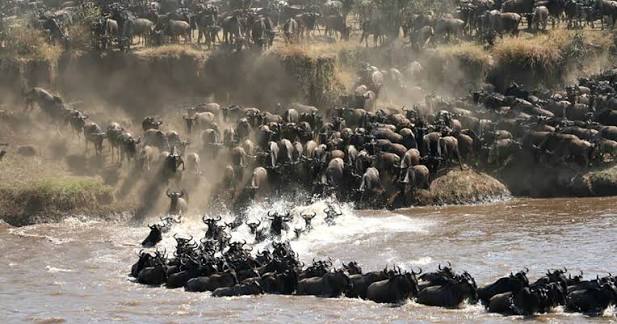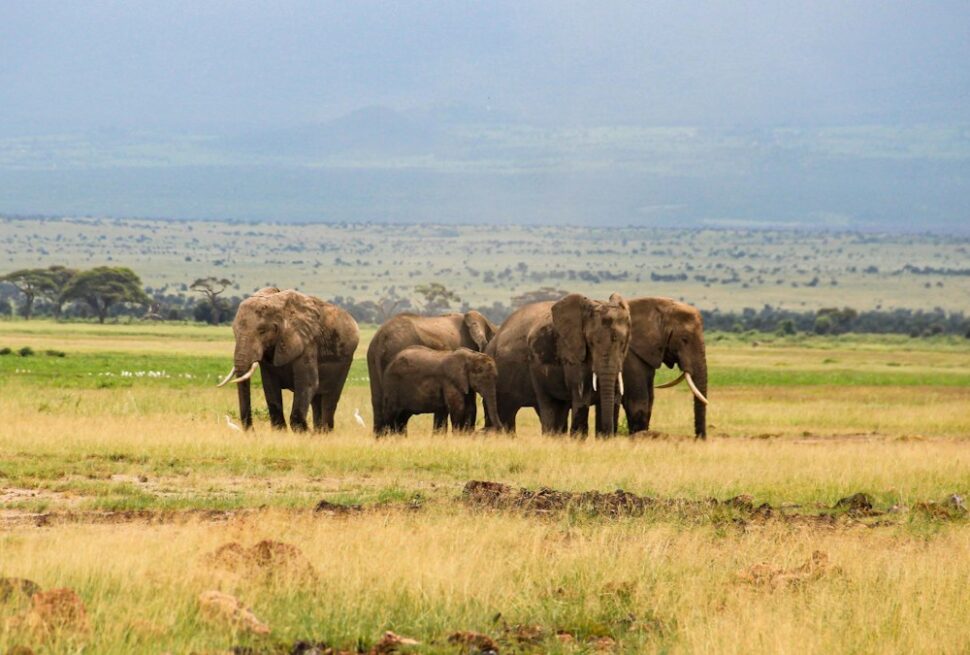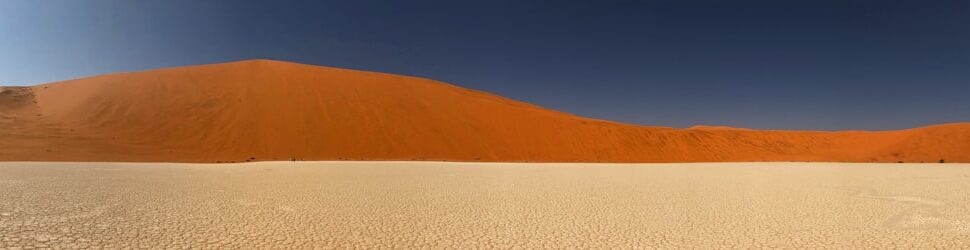

Samburu vs Masai Mara comes down to what you want to see: the Masai Mara is Kenya’s big-cat and migration country, with vast open grassland and, from July to October, the wildebeest herds. Samburu is hot, dry northern bush along the Ewaso Ng’iro River, with rare species found nowhere in the south and far fewer vehicles.
Both reserves sit on most lists of Kenya’s best parks, which makes choosing hard when you only have a week. This Samburu vs Masai Mara guide compares wildlife, seasons, costs, travel times and crowds side by side, and shows who each park suits, so you can pick one, or plan both, with confidence.
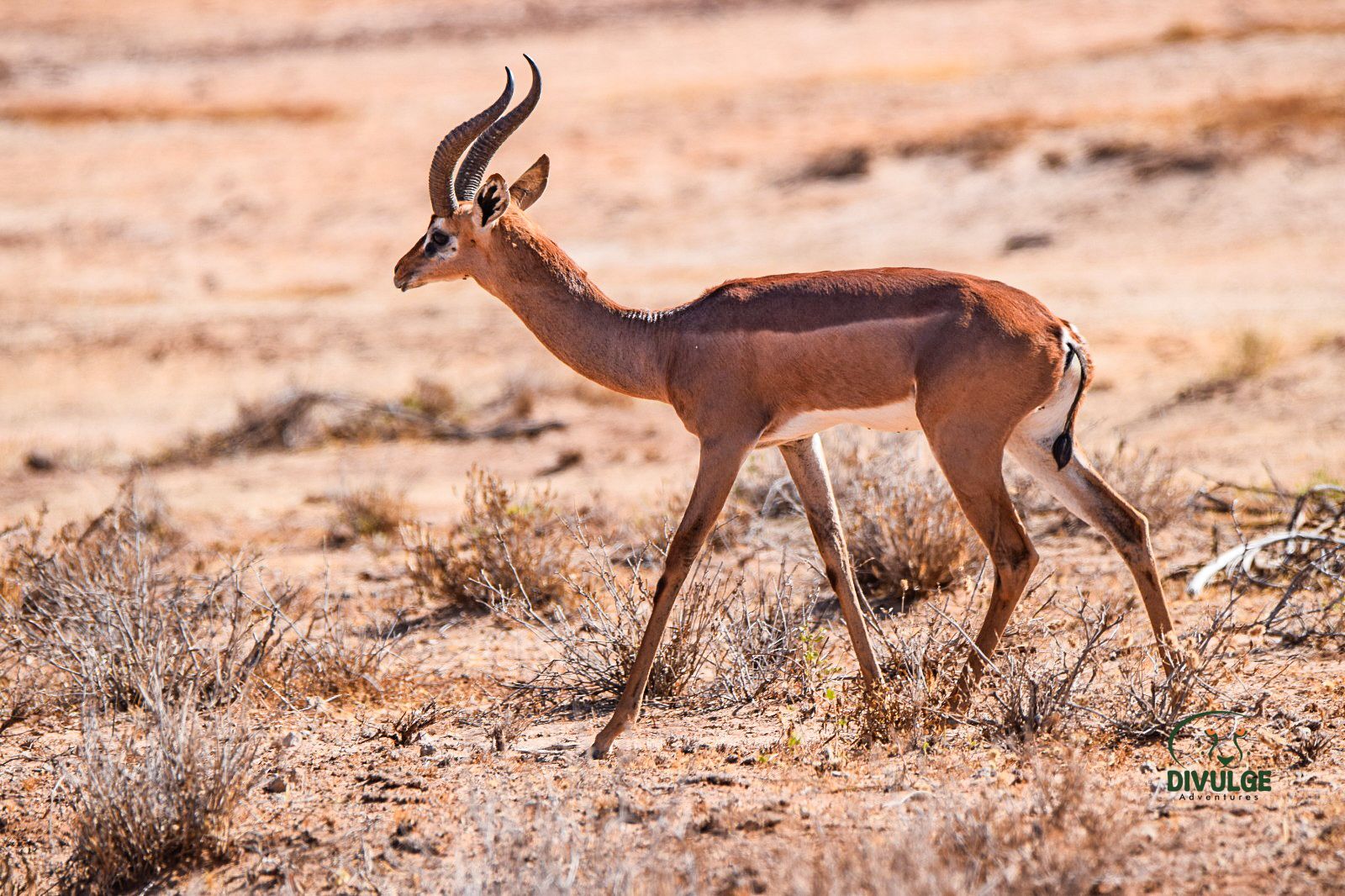
Photo: Divulge Adventures
Quick Facts
- Samburu National Reserve: 165 km² in Samburu County, about 350 km north of Nairobi on the Ewaso Ng’iro River, 800-1,230 m above sea level
- Masai Mara National Reserve: about 1,510 km² in Narok County, south-western Kenya, roughly 270-280 km west of Nairobi and bordering Tanzania’s Serengeti
- Signature wildlife: Samburu: the Special Five and elephants on the river. Mara: lions, cheetahs, leopards and the Great Migration
- Best months: Samburu: June to October and January to March. Mara: July to October for the migration, good all year for cats
- Mara park fee: US$200 per adult per day July-December, US$100 January-June (checked October 2026)
- Getting there: Both about 5-6 hours by road from Nairobi, or about an hour by light aircraft from Wilson Airport
Samburu vs Masai Mara at a Glance
The Samburu vs Masai Mara choice is a choice between two very different landscapes. The Mara is rolling green and gold grassland, while Samburu is semi-arid scrub, doum palms and red earth, with a single river that pulls every animal in during the dry months. The table below sums up how the two compare.
Ready to go? Book your customized safari instantly on WhatsApp — we'll take it from there.
 Book
Instantly on
| Factor | Samburu | Masai Mara |
|---|---|---|
| Landscape | Dry bush, rocky hills, doum palms, the Ewaso Ng’iro River | Open savanna, acacia, the Mara and Talek rivers |
| Headline wildlife | Grevy’s zebra, reticulated giraffe, beisa oryx, gerenuk, Somali ostrich, elephants | Lions, cheetahs, leopards, hyenas, wildebeest and zebra herds |
| Size | 165 km² (plus Buffalo Springs and Shaba next door) | About 1,510 km², plus the surrounding conservancies |
| Crowds | Quiet; few vehicles at most sightings | Busy in the main reserve from July to October |
| Climate | Hot, often 29-32°C by day | Milder, with cool mornings on the higher plains |
| Best for | Repeat visitors, photographers, people who dislike crowds | First safaris, big cats, the migration |
Read the table as a summary, not a verdict. In the Samburu vs Masai Mara debate there is no wrong answer, only a better fit for your dates, your budget and the animals at the top of your list.
Which Has Better Wildlife, Samburu or the Masai Mara?
In the Samburu vs Masai Mara wildlife contest, the Mara has more animals by sheer numbers and the best big-cat viewing in Kenya, while Samburu has five rarer dry-country species missing from the Mara. If you want volume, pick the Mara. If you want species you cannot tick off anywhere in the south, pick Samburu.
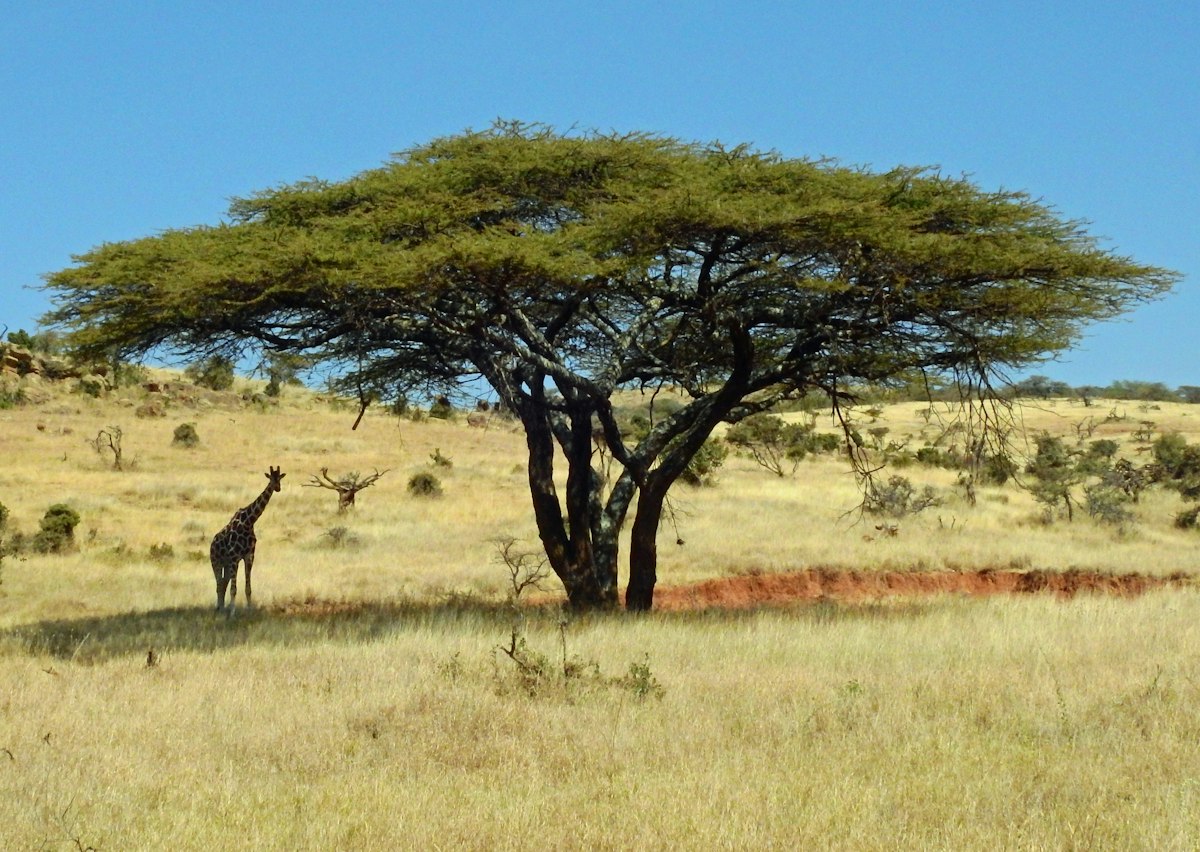
Photo: Divulge Adventures
Samburu: the Special Five and river elephants
Samburu is the home of the Samburu Special Five: the reticulated giraffe with its crisp net pattern, Grevy’s zebra with narrow stripes and big round ears, the beisa oryx, the long-necked gerenuk that feeds standing on its hind legs, and the blue-legged Somali ostrich. None of them lives in the Masai Mara, and for many repeat visitors that alone settles Samburu vs Masai Mara.
Elephants are the other draw. Save the Elephants runs a research centre on the edge of Samburu and knows more than 900 individual elephants that use the reserves along the river, so herds here are relaxed and well studied. Leopards are seen regularly in the riverine forest, and lions and cheetahs are present, though in smaller numbers than in the south.
Masai Mara: big cats and the Great Migration
The Masai Mara is where most people see their first lion pride hunting in open grass. Cheetahs, leopards and spotted hyenas are all seen on a typical three-day stay, and the river crossings from roughly July to October are one of the great wildlife events on earth. Our Great Migration month-by-month guide shows where the herds usually are in each month.
One more point for the Samburu vs Masai Mara wildlife tally: neither park is a good bet for rhino. The Mara has a small black rhino population that is hard to find, and rhino is not a realistic Samburu sighting, so add Ol Pejeta if the Big Five matter to you.
When Is the Best Time to Visit Samburu and the Masai Mara?
The best time for both parks is the long dry season from June to October, when Samburu’s wildlife gathers at the river and the Mara hosts the migration. January to March is a second dry window, excellent in Samburu and good in the Mara for cats and calving plains game, with lower Mara fees.

Photo: Divulge Adventures
Samburu is semi-arid and its rains come in two bursts: April is usually the wettest month and November has the most rainy days, while June to September is very dry. Daytime highs stay around 29-32°C all year, which matters in Samburu vs Masai Mara planning if you struggle in heat. The Mara follows a similar two-season pattern but is greener and cooler, and our month-by-month Masai Mara guide covers it in detail.
| Months | Samburu | Masai Mara |
|---|---|---|
| January-March | Dry and hot; animals close to the river | Dry, green plains, good cats, lower park fee |
| April-May | Long rains, April the wettest; some camps close | Long rains; muddy tracks, lowest prices |
| June | Very dry, game builds up on the river | Herds often arriving from the Serengeti late in the month |
| July-October | Peak dry season, excellent viewing | Migration season and river crossings, busiest months |
| November-December | Short rains, November the wettest by rain days | Short rains, green and quieter; fee still US$200 a day |
For a single trip that does justice to both, July to October is the strongest Samburu vs Masai Mara combination. If you are travelling in February, both are excellent and you save on the Mara fee.
How Much Does a Samburu vs Masai Mara Safari Cost?
A Samburu vs Masai Mara safari costs roughly the same per night at the same lodge tier, but the parks differ in fees and transport. The Mara’s reserve fee is the bigger fee, at US$200 per adult per day from July to December and US$100 from January to June (checked October 2026).
Samburu is a county-run reserve with its own daily fee, which is lower than the Mara’s high-season rate; because county fees can change with a new finance act, we confirm the exact figure in your quote. Over a week, the Samburu vs Masai Mara fee gap is widest from July to December. Our guide to Kenya park fees explains who sets which fee and how they add up across a trip.
Samburu vs Masai Mara costs per night
| Budget tier | Samburu (estimate per person per night) | Masai Mara (estimate per person per night) |
|---|---|---|
| Budget camp | About US$150-250 | About US$150-250 |
| Mid-range lodge or tented camp | About US$300-550 | About US$300-600 |
| Luxury camp or conservancy | About US$700 and up | About US$800 and up |
These are estimates for accommodation with meals, before park fees and transport, and they rise in July to October. The Mara has a far wider spread of camps; see our Masai Mara camps by budget for real examples at each level. The hidden cost in Samburu is distance: a fly-in adds air fares, and a road trip adds a driving day each way.
See Samburu and the Masai Mara in one trip
Our 6 day Samburu and Masai Mara fly-in safari pairs the Special Five with three nights of big cats, with flights, guiding and park logistics handled from Nairobi.
How Far Apart Are Samburu and the Masai Mara?
Distance is the practical side of Samburu vs Masai Mara: the two reserves are on opposite sides of Nairobi, so getting between them means passing through or around the capital. Each park is about five to six hours by road from Nairobi, and driving directly from one to the other takes a long, tiring day we do not recommend.

Photo by David Clode on Unsplash
By road
The road north to Samburu runs on tarmac through Nanyuki and Isiolo, past Mount Kenya, and makes it easy to add Ol Pejeta or Laikipia on the way. The road to the Mara drops into the Rift Valley through Narok, and the final stretch to the reserve gates can be rough. If you are driving both, a night at Lake Nakuru or Lake Naivasha in the middle turns the transfer into part of the safari.
By air
Flights from Nairobi’s Wilson Airport take roughly 50-70 minutes to the Samburu airstrips and about 40-60 minutes to the main Mara strips, depending on stops, which is why most Samburu vs Masai Mara combinations fly. Moving between the two by air usually means a connection at Wilson or a multi-stop routing, so allow most of a morning. Our fly-in safari packages handle these connections for you, and the 3 day Samburu fly-in safari is a neat add-on if you already have Mara plans.
Which Park Is Less Crowded?
On crowds, Samburu vs Masai Mara is barely a contest: Samburu is far quieter. Its remoteness and smaller number of camps mean you often share a sighting with only one or two vehicles, while the main Mara reserve can draw a long line of vehicles to a crossing or a cheetah in August.
The Mara’s crowd problem has a fix: the private conservancies around the reserve cap vehicle numbers and allow night drives and walks. Our Masai Mara reserve vs conservancy guide explains the trade-offs. In the Samburu vs Masai Mara comparison, a conservancy stay narrows the gap on crowds but adds to the price.
Samburu’s busiest spots are the river loops in the dry season, and even then the feel is quieter and slower. That calm, plus the heat haze and warm light, is why many photographers rank it among their favourite Kenyan parks.
Who Should Choose Samburu, and Who Should Choose the Masai Mara?
Choose the Masai Mara if this is your first safari, if lions and cheetahs top your list, or if you are travelling between July and October. Choose Samburu if you have done the Mara before, want rare species and quiet sightings, or do not mind heat in exchange for character.
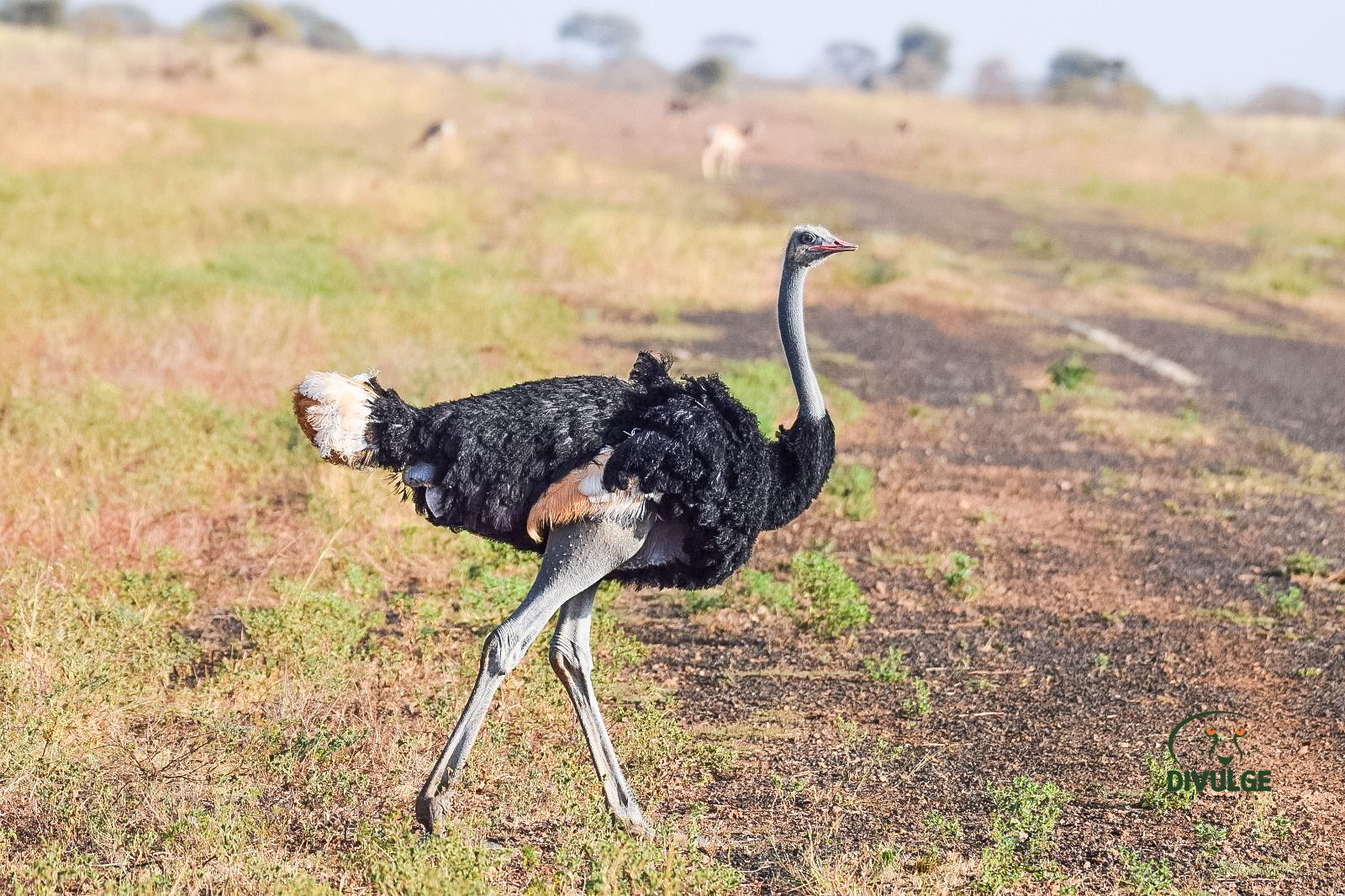
Photo: Divulge Adventures
The Masai Mara suits
First-time visitors, families who want guaranteed action on short game drives, honeymooners after classic savanna scenery, and anyone chasing the river crossings. It is also the easier park for a short trip, since there are more flights and more camps at every price. Compare it with Kenya’s other headline park in our Masai Mara vs Amboseli guide.
Samburu suits
Repeat visitors, birders, wildlife photographers and travellers who want to understand Kenya beyond the postcard; for them, Samburu vs Masai Mara usually tips north. Samburu also fits neatly into a northern circuit with Ol Pejeta and Meru, as on our 7 day Ol Pejeta, Meru and Samburu safari. For more on the reserve itself, read our Samburu National Game Reserve guide.
How to Combine Samburu and the Masai Mara
The best answer to Samburu vs Masai Mara is often both. Two or three nights in Samburu followed by three nights in the Mara gives you the Special Five, big cats and, in season, the migration, in six to eight days. Fly between them, or drive with a stop in Laikipia or the Rift Valley lakes.
| Trip length | Suggested split | Travel style |
|---|---|---|
| 6 days | 2 nights Samburu, 3 nights Masai Mara | Fly-in, connecting via Wilson Airport |
| 8 days | 2 nights Samburu, 1 Ol Pejeta, 1 Lake Nakuru or Naivasha, 3 Masai Mara | Road safari with a private 4×4 |
| 10 days | Add Amboseli for elephants under Kilimanjaro | Road, or road with one flight |
Our guide to planning a one-week Kenya safari lays out four route options with timings, including a Samburu vs Masai Mara split, and every route can be tailored on our Kenya safari page.
Insider Tips
- Do Samburu first: its slower pace eases you into safari life, and the Mara makes a grand finale
- Pack for both climates: light cotton for Samburu’s 30°C days, a fleece for 6am Mara drives
- Time the Mara fee: January to June halves the Mara reserve fee to US$100 a day
- Weigh your bags: light aircraft between the parks usually limit soft bags, so check the allowance before you pack
- Protect against malaria: both reserves are in malaria areas; see the CDC advice for Kenya and your doctor
- Ask about the river: in Samburu, camps on the Ewaso Ng’iro give you elephants at the door in the dry season
Let us plan your safari
Tell us your dates, budget and dream sightings, and our Nairobi team will send you a free tailor-made itinerary and quote.
Frequently Asked Questions
Samburu vs Masai Mara: which is better for a first safari?
For most first safaris, the Masai Mara wins the Samburu vs Masai Mara question, because its open plains give reliable lion, cheetah and plains-game sightings and, from July to October, the migration. Samburu can suit a first safari too if you want something different, but it works best paired with the Mara.
How many days do you need in Samburu and the Masai Mara?
Plan two to three nights in Samburu and three nights in the Masai Mara. Two nights in Samburu covers the Special Five and the river, while three Mara nights give two full days for big cats and, in season, a river crossing. With the travel between them, six to eight days is a comfortable total for both parks.
Is Samburu cheaper than the Masai Mara?
Samburu is usually a little cheaper than the Masai Mara in park fees, because the Mara reserve charges US$200 per adult per day from July to December (checked October 2026) and Samburu’s county fee is lower. Lodge rates are broadly similar by tier. The bigger cost in Samburu is getting there, especially if you fly in.
Can you see the Big Five in Samburu?
Samburu gives you four of the Big Five: elephant, buffalo, lion and leopard, with leopards often seen along the Ewaso Ng’iro River. Rhino is not a realistic sighting in Samburu, so travellers who want all five usually add Ol Pejeta or another rhino sanctuary in Laikipia on the way north or south.
Can you combine Samburu and the Masai Mara in one trip?
Yes, and a Samburu vs Masai Mara combination works well because the contrast is the main reason to do it. Most travellers fly between them via Nairobi’s Wilson Airport, which takes about half a day. By road, break the long journey with a night or two in Ol Pejeta, Lake Nakuru or Lake Naivasha rather than driving it in one day.
Final Thoughts
If you can only choose one, the Masai Mara is the safer pick for a first safari and the obvious one from July to October, while Samburu rewards travellers who want rare animals and quiet sightings.
The Samburu vs Masai Mara question disappears if you have six days or more: the two parks are so different that together they show you two Kenyas.
Tell us your dates and what you most want to see, and we will answer Samburu vs Masai Mara for your trip, with the split, the camps and the flights that fit.
Torn between Samburu and the Masai Mara?
Chat with a Divulge Adventures safari consultant on WhatsApp for honest advice, a quick answer and a quote built around you.