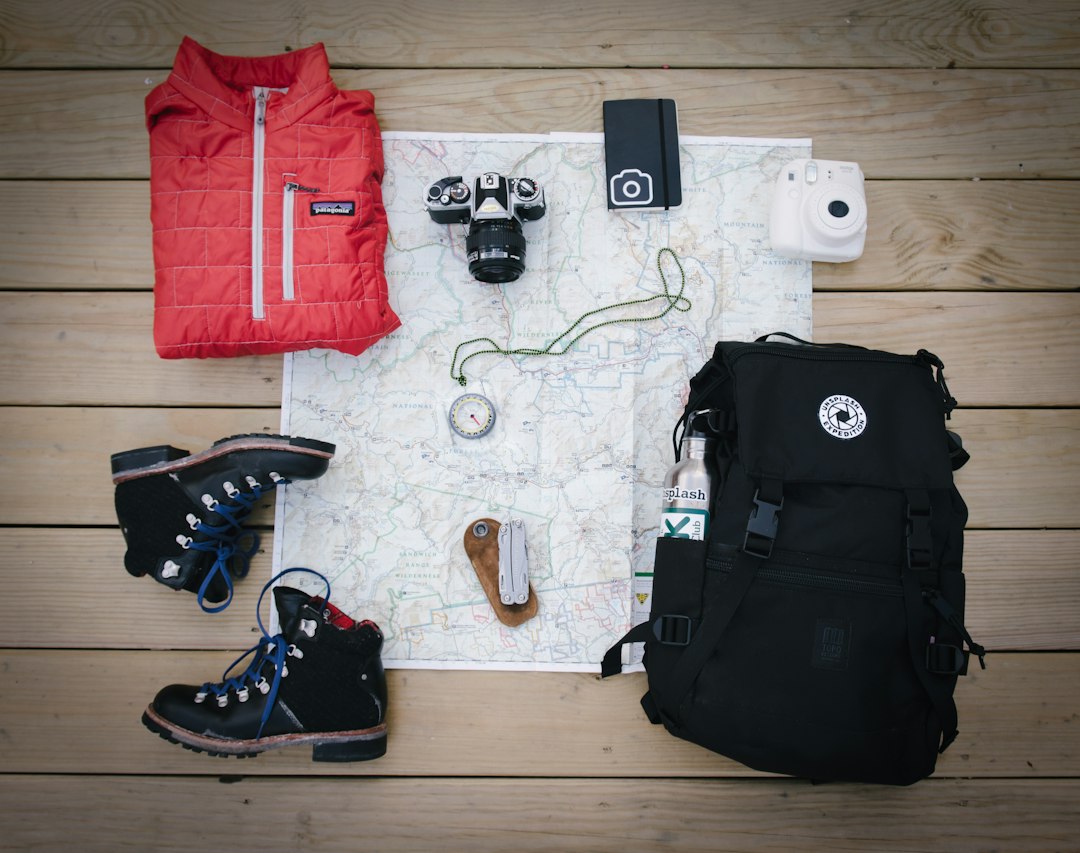
A good gorilla trekking packing list is short: waterproof hiking boots, long trousers and gaiters, a long-sleeved shirt, gardening gloves, a light rain jacket, a warm layer, 2 litres of water and a small daypack. Mountain gorillas live in steep, wet montane forest, so the kit is about grip, rain and nettles rather than fashion.
Most first-time trekkers either overpack or bring the wrong thing, such as trainers with no tread or a white shirt that ends the day brown. This is our gorilla trekking packing list from Nairobi, item by item: what to wear, what goes in your daypack, how weather changes the kit, and what you can leave at home or hire on the day.

Photo: Divulge Adventures
Quick Facts
- Where you trek: Bwindi Impenetrable and Mgahinga in Uganda, Volcanoes National Park in Rwanda
- Terrain: Steep, muddy, often trail-less forest; Bwindi lies at about 1,190 to 2,600 metres
- Weather: Bwindi averages roughly 7-15°C at night and 20-27°C by day, with rain in every month
- Wettest months: March-May and September-November
- Minimum age: 15 years for gorilla tracking in Uganda (UWA)
- Time with gorillas: One hour once your group reaches the family
- Top of the gorilla trekking packing list: Waterproof boots, gardening gloves, rain jacket
What Should Be on a Gorilla Trekking Packing List?
A complete gorilla trekking packing list covers three things: clothing that handles mud and nettles, a daypack with water, food and rain protection, and paperwork for the morning briefing. Everything else is optional. The table below sorts each item by how much it matters on the trail itself.
Ready to go? Book your customized safari instantly on WhatsApp — we'll take it from there.

Instantly on
We built this list around how a trek actually runs. You meet the rangers at the park office around 7am, hear the briefing, then drive to a trailhead and walk until the trackers find the family. That could be 45 minutes away or five hours, so a sensible gorilla trekking packing list assumes the long version.
| Item | Why it matters | Priority |
|---|---|---|
| Waterproof hiking boots | Grip and ankle support on wet, steep slopes | Must have |
| Gardening gloves | Grab vines and roots without nettle stings or thorns | Must have |
| Long trousers and gaiters | Keep out mud, safari ants and nettles | Must have |
| Long-sleeved shirt (neutral colour) | Nettle and scratch protection; blends into the forest | Must have |
| Light rain jacket | Showers arrive fast, even in the drier months | Must have |
| 2 litres of water and a packed lunch | Treks can run most of the day | Must have |
| Passport and permit | Checked at the park briefing | Must have |
| Warm fleece or light down layer | Cold, damp early mornings at altitude | Recommended |
| Daypack with rain cover | Keeps camera, food and spare layers dry | Recommended |
| Insect repellent and sun cream | Midges and ants in the forest, strong sun in clearings | Recommended |
| Cash in small notes | Porter fees and tips for guides and trackers | Recommended |
| Camera with spare battery | No flash allowed; light is dim under the canopy | Optional |
If you are adding gorillas to a wider safari, our Kenya safari packing list covers the savannah side of the bag. The good news is that most of it overlaps, so a gorilla trekking packing list mainly adds boots, gloves and gaiters.
What to Wear for Gorilla Trekking, From Boots to Gloves
Clothing is the heart of any gorilla trekking packing list, and it should be long, tough and dull in colour. Think of gardening in the rain on a hillside: sturdy boots, trousers you do not mind ruining, long sleeves and gloves. Muted greens, browns and khaki suit the forest and show the mud less.

Photo by Clay Banks on Unsplash
Footwear: the one item not to compromise on
Waterproof, ankle-height hiking boots with deep lugs are the single most important item on a gorilla trekking packing list. Trails in Bwindi and the Virungas are clay and leaf litter on steep gradients, and smooth soles slide. Break them in at home with a few long walks, because blisters on day one of a three-trek trip are miserable. Bring two pairs of thick hiking socks, one for the trek and one dry pair waiting in the vehicle.
Trousers, gaiters and the safari ant problem
Long, quick-dry hiking trousers are better than jeans, which get heavy when wet. Tuck them into gaiters, or at least into your socks. Safari ants cross the trails in columns and climb anything they touch, and a gap at the ankle is how they get in. Gaiters also keep mud and nettles off your shins, which is why we treat them as part of the core kit rather than an extra.
Long sleeves and gardening gloves
A long-sleeved shirt in a breathable fabric protects your arms from stinging nettles and thorny bramble. Pair it with cheap gardening gloves with rubber or leather palms. You will grab branches, roots and bamboo constantly on the steep sections, and gloves save your hands. They are the item travellers most often forget, and the one they most often say they wish they had packed.
How Wet and Cold Does It Get in Bwindi and Volcanoes?
Bwindi is a rainforest that gets roughly 1,000 to 2,000 mm of rain a year, with the heaviest rain in March-May and September-November. Mornings are cool and damp, days are mild, and a shower can roll in at any hour. Rwanda’s Volcanoes National Park sits higher on the volcano slopes and often feels colder.

Photo by Walter Martin on Unsplash
Research records from the Institute of Tropical Forest Conservation put Bwindi’s altitude at roughly 1,190 to 2,560 metres, and the park’s mean temperatures run from about 7-15°C at night to 20-27°C in the day. That spread is why a gorilla trekking packing list favours layers over one heavy jacket. You start cold, warm up fast on the first climb, then cool again while you stand still with the gorillas for an hour.
Rain gear that actually works in the forest
Rain gear is where a gorilla trekking packing list earns its keep. Bring a lightweight, breathable rain jacket with a hood, not a plastic poncho that snags on every branch. In the wetter months add waterproof over-trousers or very quick-dry trousers, a rain cover for your daypack and a couple of dry bags for your phone, passport and camera. If you are travelling at the start of the year, our guide to Uganda in January explains how the drier spell affects trail conditions.
Layers for the early start
A thin fleece or packable down layer over your shirt is enough for most mornings. Take it off on the first climb, tie it to your pack, then put it back on when you stop with the family.
The Daypack: What Goes In on Trek Morning
The daypack is the second half of your gorilla trekking packing list. It should hold 20-30 litres and carry water, lunch, a rain jacket, a warm layer, your documents and your camera. Keep it light, because you carry it uphill through dense vegetation, or hire a porter at the trailhead to carry it for you.
Pack 2 litres of water per person, the packed lunch your lodge prepares, and energy snacks such as nuts or bars. Add insect repellent, sun cream, a small first-aid kit with plasters and blister patches, any personal medication, hand sanitiser and a few tissues. Your passport and permit go in a dry bag, because rangers check them at the briefing.

Photo: Divulge Adventures
Cash in small notes is worth carrying too. Porters are paid directly, and many trekkers tip their guide and trackers at the end. Our post on how hard gorilla trekking really is explains how tough the hike can be, which helps you decide whether a porter is worth it for you; we usually suggest one, since it also supports local families living around the park.
A gorilla trekking packing list for photographers
Flash photography is not allowed with the gorillas, and the forest floor is dim, so a camera that handles low light well matters more than a long lens. A mid-range zoom of roughly 24-200mm covers most situations, since guides keep groups about seven metres back but the gorillas often move closer. Bring a spare battery, a soft lens cloth for misted lenses and a rain sleeve. Leave the tripod behind; there is rarely room to set one up.
Can You Use One Packing List for Uganda and Rwanda?
Yes, one gorilla trekking packing list works for both countries, with two small changes. Pack plastic-free for Rwanda, and pack light and soft-sided if you fly into Uganda’s south-west on a light aircraft. The forest, the mud and the clothing needs are the same on both sides of the border.
Rwanda has banned plastic bags since 2008, and the Visit Rwanda guidance on the plastic ban says any plastic bags found in your luggage will be confiscated on arrival. Swap any plastic on your gorilla trekking packing list for fabric pouches, packing cubes or dry bags. It is a sensible habit for Uganda too, where many lodges have gone plastic-free.

Photo: Divulge Adventures
Small planes that serve the airstrips near Bwindi have strict, low weight limits and usually ask for soft bags, so check the allowance printed on your ticket before you buy new kit. If you are going by road from Kigali or Entebbe, space is less of a worry. For trek rules, sectors and permits, read our Bwindi gorilla trekking guide, and if you are leaning towards Rwanda, our Rwanda gorilla permit guide and guide to gorilla trekking in Rwanda cover the booking side.
| Situation | What to add or change |
|---|---|
| Rwanda trek | No plastic bags; use fabric pouches or dry bags |
| Light-aircraft flight to Bwindi | Soft duffel, check the weight limit on your ticket |
| Rainy season (Mar-May, Sep-Nov) | Waterproof trousers, pack cover, spare socks |
| Chimpanzee trek on the same trip | Same kit works for chimpanzee trekking in Kibale |
Packed and ready? See our Bwindi gorilla safari
Our 4-day Bwindi trip covers the drive, lodge nights and a guided trek to a habituated gorilla family, with a Nairobi team to sort permits and timing for you.
Insider Tips
- Wear old clothes: Mud stains are permanent, so trek in kit you will not miss
- Tick it off: Check your gorilla trekking packing list the night before, not at 6am
- Two pairs of socks: One for the trail, one dry pair waiting in the vehicle
- Gloves in your pocket: Put them on before the first steep section, not halfway up
- Hire a porter: It lightens your load and supports families around the park
- Stay well: Rangers can stop you trekking with a cold or flu, to protect the gorillas
- Keep the camera ready: Gorillas move off quickly; have it out before the last approach
What Not to Pack, and What You Can Get on the Day
A gorilla trekking packing list is also about what to leave out. Skip anything bright, noisy or scented: white or neon clothing, strong perfume, drones and plastic bags. Walking sticks are usually handed out at the briefing, and porters are hired at the trailhead, so neither needs to come from home.
Some lodges near the trailheads lend rubber boots, gaiters or rain jackets, but sizes and stock vary, so treat that as a backup rather than a plan. If you would rather someone else checks the details, see our gorilla trekking safaris or the wider Uganda safari packages, where we match lodges, permits and kit advice to your dates.
Let us plan your safari
Tell us your dates, budget and dream sightings, and our Nairobi team will send you a free tailor-made itinerary and quote.
Frequently Asked Questions
What should I wear for gorilla trekking?
For gorilla trekking, wear broken-in waterproof hiking boots, long trousers tucked into gaiters, a long-sleeved shirt in green, brown or khaki, and gardening gloves. Add a light rain jacket and a warm layer for the early start. Long sleeves and gloves matter because nettles and thorny vines line many trails.
Do I need gloves for gorilla trekking?
Yes, gloves are one of the most useful items on any gorilla trekking packing list. Simple gardening gloves with grippy palms protect your hands when you grab branches, roots and vines on steep, muddy slopes, and they stop nettle stings. Cheap rubber-palmed gloves are ideal, since they come back muddy and often torn.
How much water should I carry on a gorilla trek?
Carry at least 2 litres of water per person, the heaviest item on any gorilla trekking packing list, plus a packed lunch and snacks. Treks can last from about two hours to most of the day, depending on where the gorilla family has moved overnight. A porter can carry the extra weight if your daypack feels heavy.
Can I hire gear for gorilla trekking in Uganda or Rwanda?
Walking sticks are handed out at most trekking briefings in Uganda and Rwanda, and porters can be hired at the trailhead to carry your daypack. Some lodges lend gaiters, rain jackets or rubber boots, but stock and sizes vary, so it is safer to bring your own boots, gloves and rain gear rather than relying on hiring them in the forest.
Is a gorilla trekking packing list different in the rainy season?
A gorilla trekking packing list for the rainy season needs more waterproofing rather than different items. Pack a breathable rain jacket, waterproof trousers or quick-dry trousers, a rain cover for your daypack, dry bags for your camera and phone, and a spare pair of socks. Gaiters become close to essential, because trails turn to slippery mud in the March-May and September-November rains.
Final Thoughts
The best gorilla trekking packing list is the one that keeps you dry, gripped and sting-free for a long, muddy morning: proper boots, gaiters, long sleeves, gloves, a rain jacket and plenty of water. Get those right and the rest barely matters once you are standing an hour with a gorilla family.
If you are still choosing dates or deciding between Uganda and Rwanda, send us a message and we will help you match the trek, the season and your gorilla trekking packing list. A permit is the hard part to secure, so it pays to plan early.
Not sure if your boots and rain gear are up to a gorilla trek?
Chat with a Divulge Adventures safari consultant on WhatsApp for honest advice, a quick answer and a quote built around you.

