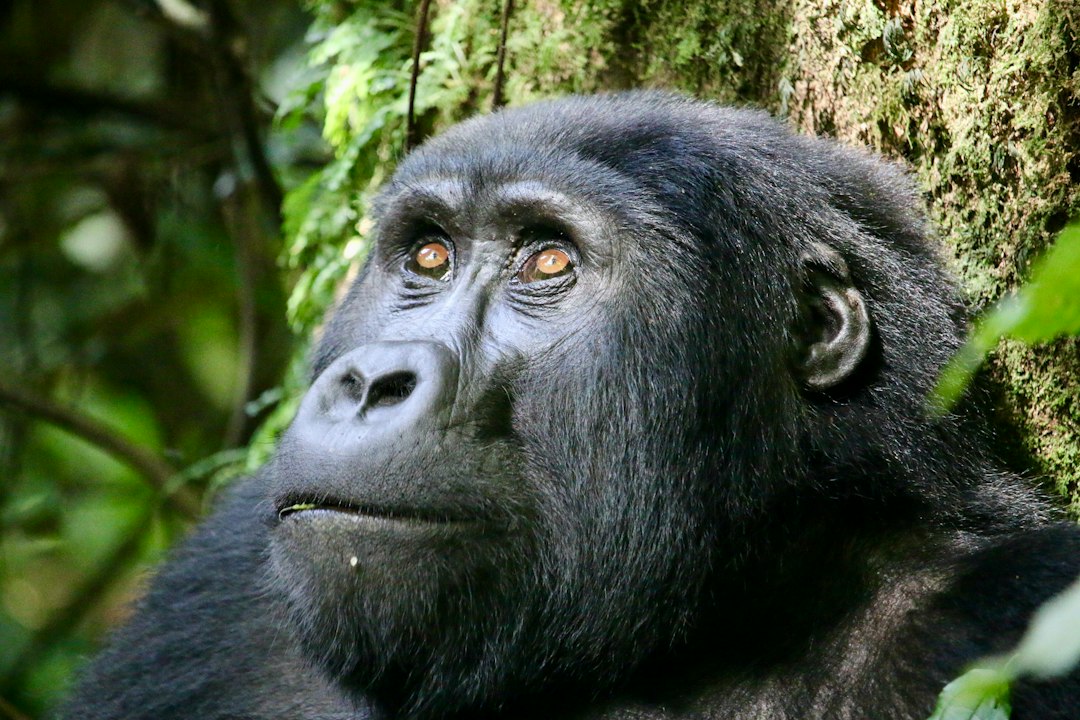
Uganda in January is one of the best times of year for a safari. The dry season is under way, forest trails in Bwindi and Kibale are at their firmest, and animals in Murchison Falls and Queen Elizabeth stay close to water. Expect warm, mostly sunny days, cool forest mornings and steady demand for gorilla permits.
The catch is that January rewards early planning. Permits for the first week of the year go quickly, Uganda Wildlife Authority fees change from 1 January 2027 for some activities, and the drives between parks are long. Below you will find the weather by region, which parks to prioritise, verified fees, two sample routes and the booking details that matter for a January trip.

Photo by Leila Boujnane on Unsplash
Quick Facts
- Season: main dry season, usually from mid-December to February
- Weather: warm, mostly dry days in the savannah parks; cool mornings in Bwindi, which rises to about 2,600 m
- Gorilla permit: US$800 per person for foreign non-residents (checked October 2026)
- Chimp permit (Kibale): US$250 under the current tariff; US$300 for treks from 1 January 2027 (checked October 2026)
- Crowds: busy in the first week of January, noticeably quieter from mid-month
- Ideal length: 7-9 days for gorillas, chimps and one or two savannah parks
- Visa: US$50 single-entry tourist visa, applied for online before travel (checked October 2026)
Is Uganda in January a Good Time for a Safari?
Uganda in January is an excellent time for a safari. It falls in the longer of the two dry seasons, so roads and forest paths are in good shape, game viewing in the savannah parks is easier and the country still looks green from the November rains. The main drawback is demand for permits and popular lodges.
Ready to go? Book your customized safari instantly on WhatsApp — we'll take it from there.
 Book
Instantly on

Photo: Divulge Adventures
Uganda straddles the equator, so seasons are defined by rain rather than temperature. The long rains usually fall around March to May and the short rains around October and November. Uganda in January sits in the gap between them, which is why it ranks with July and August for reliable trekking weather.
The trade-offs of Uganda in January are modest: hot, dusty afternoons in the north and a festive rush in the first days of the month. Travel from about the second week and you get the same weather with fewer vehicles at sightings.
Weather in Uganda in January, Region by Region
Weather in Uganda in January depends far more on altitude than on the date. The southwestern highlands are cool and occasionally damp, the western savannah is warm and dry, and the far north is hot. Plan your packing around the forest treks and your game drives around the midday heat.
| Region | Parks | What January feels like |
|---|---|---|
| Southwest highlands | Bwindi, Mgahinga, Lake Bunyonyi | Cool, fresh mornings, warm middays and the odd short shower; higher sectors such as Ruhija feel chilly at dawn |
| Western Rift Valley | Queen Elizabeth, Kibale, Semuliki | Warm and mostly dry; Kibale forest stays humid under the canopy |
| North and northwest | Murchison Falls, Kidepo Valley | Hot, dry afternoons and dusty tracks; wildlife concentrates near the Nile and the valley pools |
| Lake Victoria basin | Entebbe, Kampala, Mabamba wetland | Warm and humid, with occasional storms off the lake |
Southwest: Bwindi and Mgahinga
Bwindi Impenetrable National Park spans roughly 1,160 to 2,600 m, so the forest holds moisture and mist can sit in the valleys at sunrise even in Uganda in January. A light rain jacket and a fleece are enough, and the steep trail sections dry out faster than in the wet months.
North: Murchison Falls and Kidepo Valley
Murchison Falls and Kidepo Valley are the hottest parks on a route through Uganda in January. Game drives run best from sunrise to late morning and after about 4pm, with midday kept for the pool or the boat trip. Dust is common by late January, so pack a scarf and a camera cover.
Gorilla and Chimpanzee Trekking in January
Gorilla and chimpanzee trekking are at their most comfortable in January because the trails are drier and visibility in the forest is good. The hour you spend with a habituated gorilla family is the same in any month, but the walk to reach them is usually easier now than in April or November.
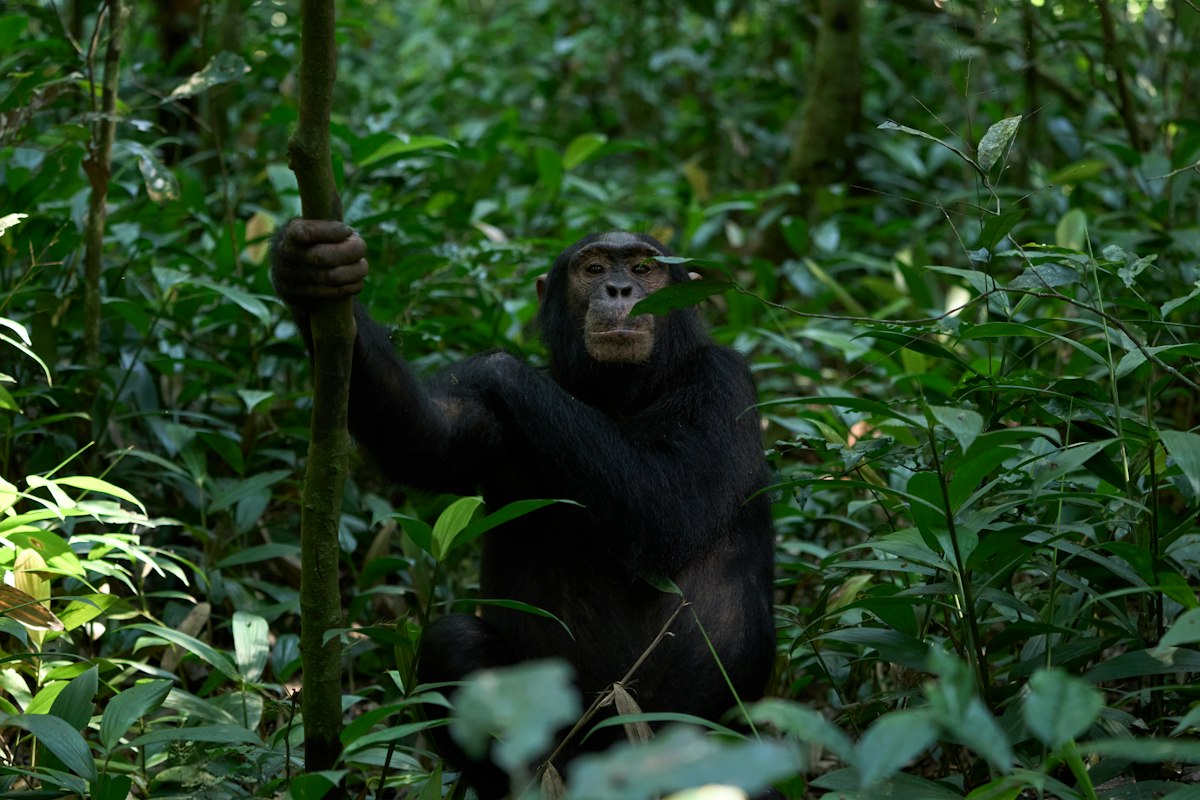
Photo: Divulge Adventures
Bwindi has four trekking sectors: Buhoma in the north, Ruhija in the east, and Rushaga and Nkuringo in the south. The sector on your permit decides where you sleep, so for Uganda in January book the permit first and the lodge second. Our guide to Bwindi gorilla trekking sectors and costs explains how each one differs, and if you are worried about the climb, read how hard gorilla trekking really is before you pick a sector.
Gorilla permits for Uganda in January
A gorilla permit for Uganda in January costs US$800 per person for foreign non-residents, and the gorilla habituation experience costs US$1,500 under the current tariff (both checked October 2026 on the Uganda Wildlife Authority rates page). January is not a discount month; the reduced low-season permits apply only in April, May and November. Trekkers must be at least 15 years old.
Uganda Wildlife Authority published tariff changes for 2026-2027 this year, and reports differ on whether the gorilla permit rises for 2027 or stays at US$800. The price follows the trek date, so confirm it for your exact date when booking Uganda in January.
Chimpanzee trekking in Kibale
Kibale National Park is the most reliable place to see chimpanzees, and the dry trails of Uganda in January make the walks easier. The Kibale chimpanzee permit is US$250 under the current tariff and is widely reported to rise to US$300 for treks from 1 January 2027 (checked October 2026). That change affects almost every trip to Uganda in January, so budget for the higher rate. Our Kibale chimpanzee trekking guide covers start times, group sizes and the habituation option.
Which Savannah Parks Shine in January?
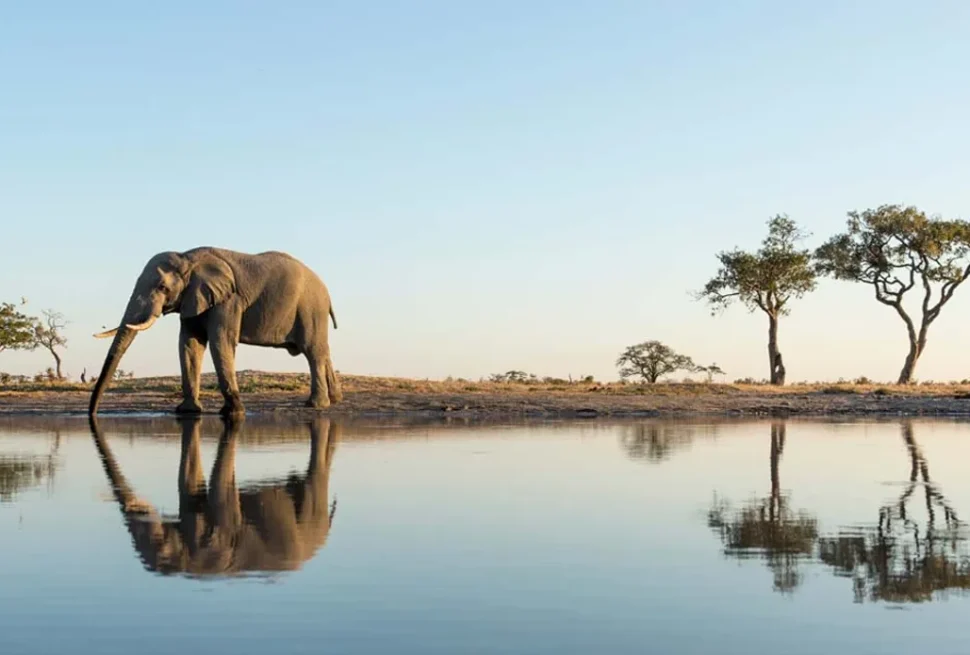
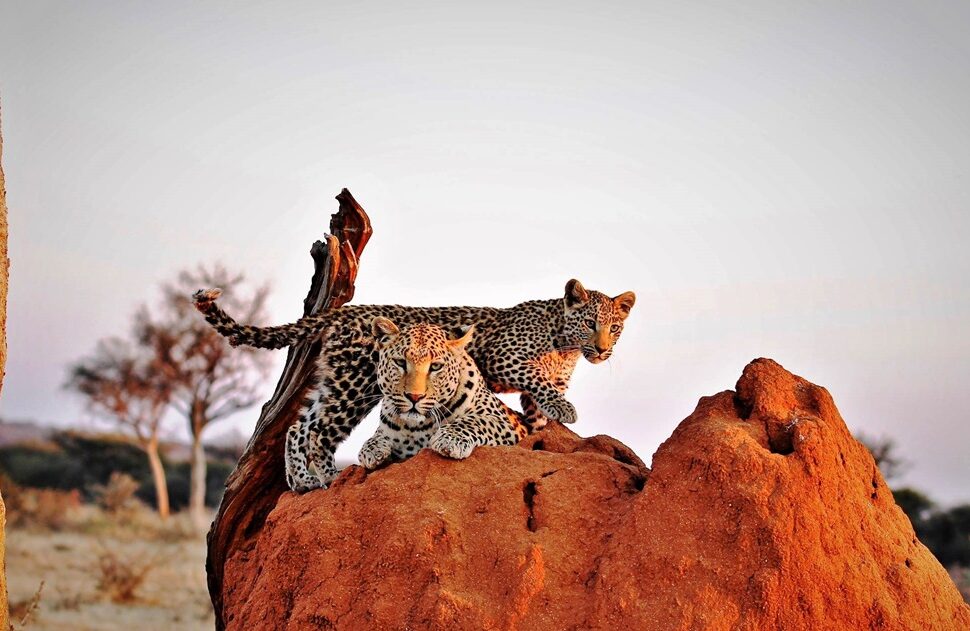
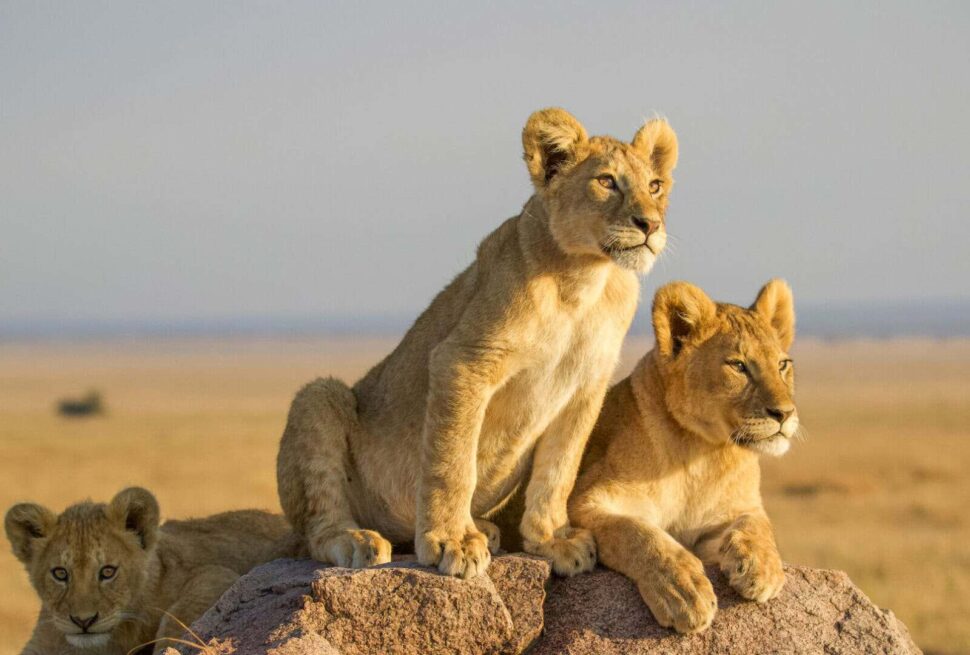
Murchison Falls and Queen Elizabeth National Park are the two savannah parks that shine most in January. Dry weather pulls elephants, buffalo, hippos and antelope towards the Nile, the Kazinga Channel and the crater lakes, and shorter grass makes lions and leopards easier to find.

Photo by Ivan Sabayuki on Unsplash
Murchison Falls National Park
Murchison Falls is Uganda’s largest national park, split by the Victoria Nile as it squeezes through a narrow gorge on its way to Lake Albert. In Uganda in January the northern grasslands hold giraffe, Uganda kob, buffalo and lion, and the launch trip to the base of the falls is calm. The park entrance fee is US$45 per day and the launch trip US$30 per person (checked October 2026).
Queen Elizabeth National Park
Queen Elizabeth National Park combines savannah, crater lakes and the Kazinga Channel, which links Lake George and Lake Edward. Uganda in January is ideal for the channel boat trip, when hippos, buffalo and elephants come down to drink. The southern Ishasha sector is known for lions that rest in fig trees, and it sits on the road to Bwindi’s Buhoma sector.
Kidepo Valley and Lake Mburo
Kidepo Valley, in the far northeast, is remote, with cheetah, ostrich and big buffalo herds, and is usually reached by air. Lake Mburo, between Kampala and Bwindi, makes a good overnight stop for zebra, eland and a walking safari. Our round-up of the best national parks to visit in Uganda compares all of them.
Birding in Uganda’s Dry Season
January is a rewarding month for birding in Uganda because resident species are joined by migrants from Europe and Asia, which usually stay from around November until March or April. Uganda has recorded more than 1,000 bird species, and dry weather makes forest birding far more comfortable than in the rains.
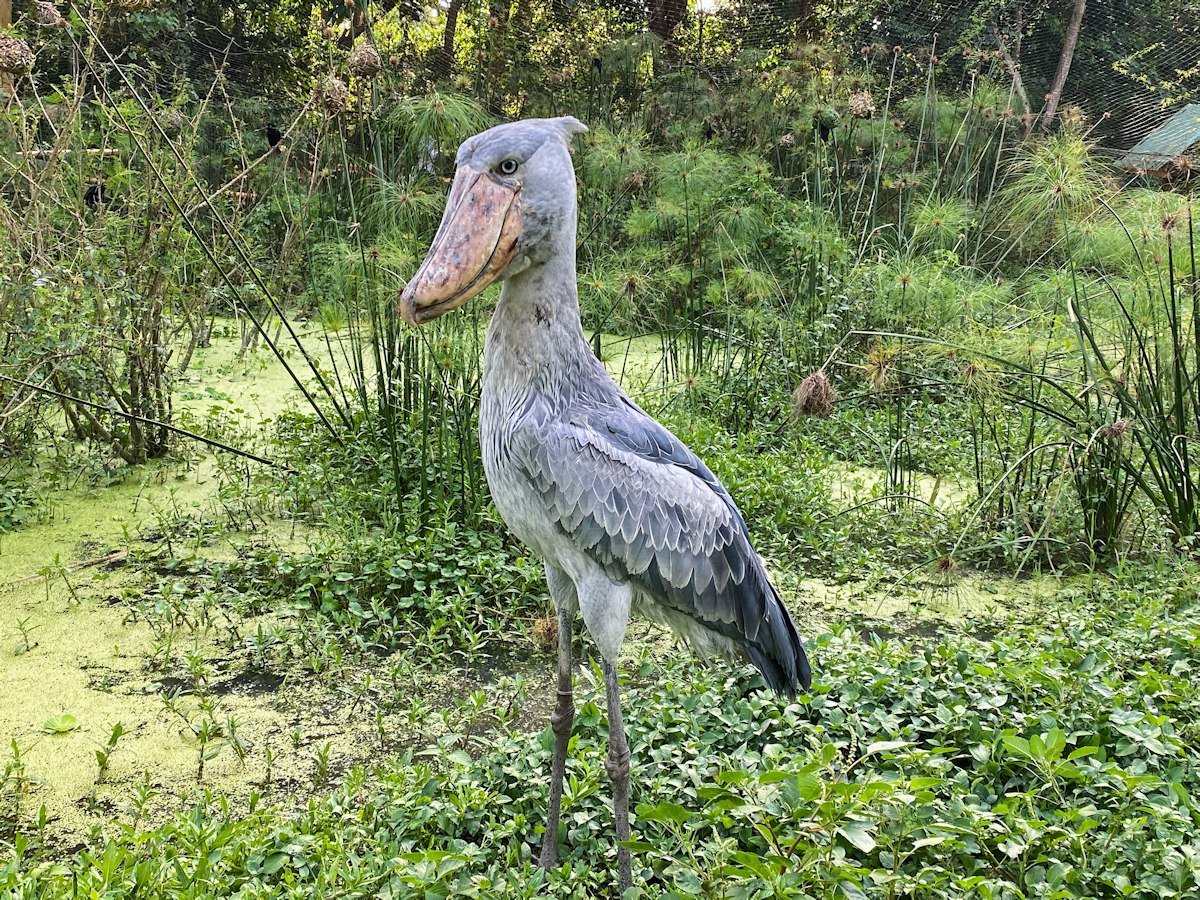
Photo: Divulge Adventures
The shoebill is the bird most visitors want, and the Mabamba wetland near Entebbe is the easiest place to look for one by canoe, often on the first or last day of a trip to Uganda in January. Bwindi’s Ruhija sector is excellent for Albertine Rift endemics. Keen birders can look at our birding safaris or the 17-day Uganda shoebill birding safari, which shows how much ground a dedicated trip can cover.
How Much Does a January Safari in Uganda Cost?
Seven days in Uganda in January with one gorilla and one chimp trek costs roughly US$3,000-4,000 per person on a budget, US$4,500-6,500 mid-range and US$8,000 or more at the top end. These are our estimates for two sharing, with permits, vehicle and guide.
Permits are the largest fixed cost and they do not change with your lodge choice. The table below shows the main official fees, checked October 2026, so you can see what every trip includes before accommodation is added.
| Fee | Price (foreign non-resident) | Notes |
|---|---|---|
| Gorilla trekking permit | US$800 | Bwindi or Mgahinga; confirm the rate for 2027 trek dates |
| Gorilla habituation experience | US$1,500 | Up to four hours with a family being habituated |
| Chimpanzee trekking, Kibale | US$250 now; US$300 from 1 January 2027 | January 2027 treks fall under the new rate |
| Park entrance, Murchison Falls | US$45 per day | Valid 24 hours from entry |
| Park entrance, Queen Elizabeth, Bwindi, Kibale and others | US$40 per day | Category A parks; often covered within permit days |
| Murchison Falls launch trip | US$30 | Boat trip to the base of the falls |
| Uganda tourist visa | US$50 | Single entry, applied for online |
Accommodation is the big variable. As a rough guide, simple lodges cost about US$100-200 per person per night with meals, mid-range lodges about US$250-450 and luxury lodges from about US$600 to well over US$1,000. These are estimates; Uganda in January is high season, so lodges rarely discount.
Scheduled domestic flights link Entebbe with airstrips near Bwindi, Queen Elizabeth, Murchison Falls and Kidepo. Many travellers fly one leg, usually Bwindi back to Entebbe, and drive the rest.
See our 9-day gorilla and chimpanzee safari
Murchison Falls, Kibale chimps, the Kazinga Channel and a Bwindi gorilla trek in one route, with a private vehicle and driver-guide, ready to tailor to your January dates.
How Many Days Do You Need? Two Sample Routes
Seven to nine days is the sweet spot for Uganda in January. Four days is enough for a gorilla trek from Entebbe, but the road distances are long: Kampala to Murchison Falls or to Kibale is roughly five to six hours each, and Bwindi to Entebbe can take nine hours or more by road.

| Day | 7-day primate and savannah route | 9-day classic route |
|---|---|---|
| 1 | Arrive Entebbe; optional Mabamba shoebill canoe | Arrive Entebbe |
| 2 | Drive to Kibale | Ziwa Rhino Sanctuary, on to Murchison Falls |
| 3 | Chimpanzee trek; Bigodi wetland walk | Game drive and Nile launch trip |
| 4 | Drive to Queen Elizabeth; Kazinga Channel boat trip | Drive to Kibale |
| 5 | Morning game drive; Ishasha in the afternoon | Chimpanzee trek |
| 6 | Drive to Bwindi; gorilla trek the next morning | Queen Elizabeth and Kazinga Channel |
| 7 | Gorilla trek, then fly or drive back to Entebbe | Ishasha, on to Bwindi |
| 8 | – | Gorilla trek |
| 9 | – | Lake Bunyonyi or fly back to Entebbe |
Short on time? Our 4-day gorilla trekking safari to Bwindi goes straight to the gorillas and adds Lake Bunyonyi. If you are deciding between this month and the festive season, our guide to a Uganda safari in December covers the busier weeks either side of Christmas.
Booking timing for Uganda in January
For the first week of Uganda in January, book gorilla permits and lodges four to six months ahead. For mid- to late January, three months is usually enough, though popular Bwindi lodges fill first. Fix your trek date before booking flights, as it sets the whole route.
Insider Tips
- Travel after the first week: mid-January gives the same dry weather with fewer vehicles and easier permit availability
- Budget for the chimp rise: use US$300 for any Kibale trek from 1 January 2027
- Fly the longest leg: a one-way flight from the Bwindi area saves a full day on the road
- Pack for two climates: Uganda in January needs a fleece and rain jacket for the forest and a sun hat for Murchison
- Hire a porter: local porters carry your daypack and give a steadier hand on steep trail sections
- Protect your camera: dust is common on northern tracks by late January; a dry bag or cover helps
Visas, Health and Insurance for a January Trip
Most visitors need a visa for Uganda, and the single-entry tourist visa costs US$50 through the official online portal (checked October 2026). The Uganda immigration tourist visa page lists the documents, including a passport valid for six months, your itinerary and accommodation bookings.
If you are also visiting Kenya or Rwanda, the East Africa Tourist Visa can cover all three countries for US$100 and may work out cheaper. In October 2026, Uganda’s immigration authority announced that a yellow fever certificate is no longer required to enter the country. Vaccination is still recommended for Uganda, and our page on yellow fever requirements for Kenya and Tanzania explains why you may need the certificate if you continue your trip there.
Malaria is present across most of the country, so speak to a travel health clinic before visiting Uganda in January. Finally, choose travel insurance that covers trekking and medical evacuation, as gorilla trekking takes you into remote forest hours from the nearest hospital.
Let us plan your safari
Tell us your dates, budget and dream sightings, and our Nairobi team will send you a free tailor-made itinerary and quote.
Frequently Asked Questions
Is January a good month to visit Uganda?
Yes. Uganda in January sits in the main dry season, so gorilla and chimpanzee trails are firmer, savannah wildlife gathers near rivers and lakes, and migrant birds are still present. The trade-offs are higher demand for gorilla permits in the first week of the month and hot, dusty afternoons in Murchison Falls and Kidepo Valley.
How much is a gorilla permit in Uganda in January?
A Uganda gorilla trekking permit costs US$800 per person for foreign non-residents under the current Uganda Wildlife Authority tariff (checked October 2026). January is not one of the discounted low-season months, which are April, May and November. Some early-2026 reports mentioned a rise for 2027, so confirm the rate for your exact trek date before paying.
Does it rain in Uganda in January?
Uganda in January is usually one of the driest times of year, but Bwindi and Mgahinga are mountain rainforests where a short shower can fall in any month. In the savannah parks, rain is uncommon and brief. Pack a light waterproof jacket for the forest treks rather than planning around rain.
Do I need a yellow fever certificate for Uganda?
Uganda’s immigration authority announced in October 2026 that a yellow fever certificate is no longer required for entry. Vaccination is still widely advised for travellers to Uganda, and Kenya or Tanzania may ask for proof if you travel on from Uganda. Check the current rules for every country on your route before you fly.
How many days do I need for a Uganda safari in January?
Seven to nine days works well for Uganda in January. Four days covers a gorilla trek from Entebbe, seven days adds chimpanzees in Kibale and game drives in Queen Elizabeth, and nine days lets you start in Murchison Falls. Uganda’s long road transfers mean that rushing a short trip costs more time than it saves.
Final Thoughts
Few months suit a safari as well as Uganda in January: dry trails for the gorillas and chimps, animals gathered at the water in the savannah parks and migrant birds still in residence. Plan seven to nine days, allow for the January 2027 chimp permit increase and secure your gorilla permit before anything else.
When you are ready to compare routes, start with our Uganda safari packages and we will shape one around your January dates.
Wondering if gorilla permits are still open for your January dates?
Chat with a Divulge Adventures safari consultant on WhatsApp for honest advice, a quick answer and a quote built around you.