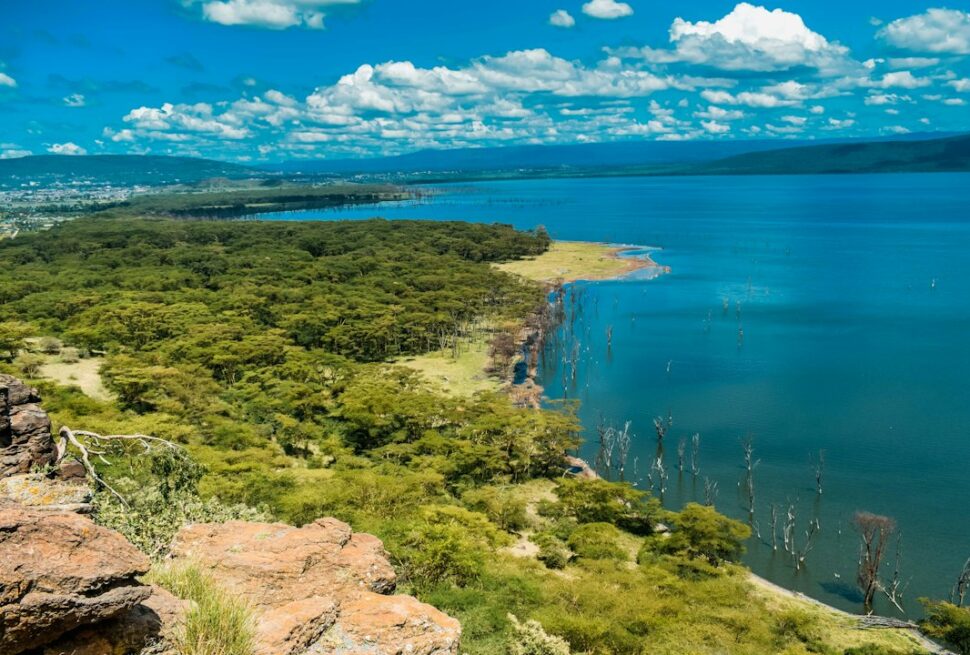
A Botswana family safari works best for children aged about six and over, built around Chobe’s river boats, a few nights in the Okavango Delta and, for younger children, a camp in the Makgadikgadi pans where all ages are welcome. Choose camps by your children’s ages first, then choose the route.
The difficulty for parents is that Botswana’s best camps are small, remote and full of age rules that are rarely written in one place. This guide gathers them: which areas suit which ages, how a private group of families fits into vehicles and tents, health and document rules for children, and what drives the price. If you are bringing more than one family, our family group safari planning page explains how we build these trips.

Quick Facts
- Best ages: About 6 and over for most Okavango camps; all ages at selected camps and in Kasane lodges
- Easiest first stop: Chobe National Park from Kasane: boat cruises and short game drives
- Walking and mokoro: Walking usually 12+ (sometimes 16+); mokoro age rules vary by camp
- Malaria: Highest in Chobe and Ngamiland (Okavango), and from November to June (NHS, checked November 2026)
- Children’s papers: Passport plus a certified copy of the birth certificate; consent letter if a parent is absent
- Light aircraft bags: Soft bags, typically about 20kg per person including hand luggage
- Ideal length: 7 to 10 nights across two or three areas
What Age Do Children Need to Be for a Safari in Botswana?
A Botswana family safari has no national minimum age, but camps set their own rules, stricter than in Kenya or Tanzania. Most Okavango camps take children from about six on shared game drives, walking usually needs 12 or more, and under-sixes often need a private vehicle.
The reason is that Botswana’s camps are unfenced and small, with elephants, buffalo and hippos walking between the tents. Age limits protect children and other guests, which is why planning a Botswana family safari starts with each camp’s rules.
Ready to go? Book your customized safari instantly on WhatsApp — we'll take it from there.

Instantly on
How the age rules usually break down
| Activity | Typical age rule | What it means for families |
|---|---|---|
| Shared game drives | About 6 and over at most Okavango camps | Younger children need a private vehicle or a camp that welcomes all ages |
| Private game drives | Often no age limit | Shorter drives at your family’s pace; the extra cost is shared across a group |
| Boat cruises (Chobe, Delta) | Usually open to all ages | A gentle first safari activity with life jackets on board |
| Mokoro (dugout canoe) | Varies by camp | Ask each camp; some take older children only |
| Walking safaris | Usually 12+, sometimes 16+ | Best saved for teenagers |
| Horse riding (Makgadikgadi) | Set by the camp and rider ability | Ask before booking; riders must be competent |
Safari vehicles do not carry car seats, and most camps ask children under 16 to share with a parent, so family tents (two sleeping areas joined by a bathroom) are the first thing we look for on a Botswana family safari.
Which Parts of Botswana Suit Families Best?
Chobe, the Okavango Delta and the Makgadikgadi pans are the three best areas for a Botswana family safari, and each suits different ages. Chobe is easiest for young children, the Delta suits children of six and over, and the Makgadikgadi has camps that welcome all ages.

| Area | Best for ages | Why families like it |
|---|---|---|
| Chobe riverfront and Kasane | All ages | Boat cruises past elephants, short drives, lodges with pools; Victoria Falls is a short transfer away |
| Okavango Delta (Moremi, Khwai) | 6+ (walking 12+) | Mokoro, boat trips, predators; small camps that feel like your own |
| Makgadikgadi pans | All ages at selected camps | Meerkats, wide open pans, horse riding and quad biking for older children |
| Savuti and Linyanti | 8+ on camping trips | Big elephant numbers and lion prides; better for older, patient children |
Chobe: the gentlest start
Chobe National Park is the easiest place to begin a Botswana family safari because so much of it happens from a boat. Elephants drink and cross the river in the afternoons, and children can move about without sitting still for three hours. Kasane has larger lodges with pools and family rooms. Our Chobe safari guide covers the river and the park roads in more detail.
The Okavango Delta: for children who can sit still
The Okavango Delta is the heart of most Botswana family safari plans: water channels, papyrus islands and red lechwe splashing across floodplains. Camps are small, which children love, but many set an age of six or more. If you are weighing the two, our Okavango Delta vs Chobe comparison explains the trade-offs.
How Does a Private Safari for Several Families Work?
A private Botswana family safari for several families gives your group its own vehicles, guides and often a whole camp. Each family keeps its own tent, children ride with friends their age, and the timetable bends to nap times. It beats joining strangers on a scheduled tour. Our group safaris team builds these trips for families, friends and reunions.

Vehicles and seating
Open safari vehicles in Botswana usually take six or seven guests. For two families of four, two vehicles work far better than one crowded truck: younger children can head back early while older ones stay for the sundowner. On a bigger Botswana family safari we plan one vehicle per family or per age band.
Rooming and taking over a camp
Many Botswana camps have only eight to twelve tents, so three or four families can fill one. Booking the whole camp means your group sets meal times and children play freely. For larger groups or tighter budgets, a private mobile camping trip gives the same feeling: the crew sets up a camp only for you.
That is how our 7 day Botswana family camping safari through Moremi, Khwai and Savuti runs. It suits children of about eight and over, and several families can share it, each paying separately. For mixed ages or grandparents who prefer proper beds, the 7 day Botswana celebration safari in Chobe, Moremi and Khwai uses lodges and tented camps instead. You can see how we handle quotes, deposits and flights for groups on how to organise a group safari.
What Can Children Do on Safari Apart From Game Drives?
Children on a Botswana family safari can watch meerkats at a few feet, ride in a dugout canoe, learn to read tracks and sleep under clear night skies. Mixing these with short game drives keeps them interested, and the Makgadikgadi and the Delta offer the widest choice.

In the Makgadikgadi, Camp Kalahari welcomes children of all ages and has two family tents linked by a shared bathroom, according to its official page. Its activities include visits to habituated meerkats, walks with Zu/’hoasi Bushmen to learn how they find food and water, horse riding and guided quad biking across the salt pans. It is open all year, which makes it a good last stop after the Delta.
Activities by age
- Under 6: Chobe river cruises, short private drives, pools and nature walks inside lodge grounds, meerkats in the Makgadikgadi.
- Ages 6 to 11: Shared or private game drives, boat trips in the Delta, track-reading lessons, junior ranger style activities where camps offer them.
- Ages 12 and over: Walking safaris where allowed, mokoro trips, longer drives and night-sky sessions.
Give children a job on a Botswana family safari: an animal checklist, their own binoculars or a cheap camera turns a slow afternoon into a treasure hunt.
When Is the Best Time for a Botswana Family Safari?
The best time for a Botswana family safari is the dry season, from about May to October, when animals gather at water and mosquitoes are fewer. July and August suit northern school holidays, while December brings rain, heat and higher malaria risk.
Our best time to visit Botswana guide goes month by month.

| School holiday | Botswana conditions | Family verdict |
|---|---|---|
| Easter (March-April) | End of the rains; green, lush, warm | Good value and quiet, but malaria risk is still higher |
| Summer (July-August) | Dry, cool mornings, Delta floods high | The classic choice; book a year ahead for small camps |
| October half-term | Hot and very dry; huge elephant herds at the rivers | Great game, but midday heat is tiring for small children |
| Christmas (December) | Rain, heat, newborn animals | Better for teenagers; consider the Makgadikgadi for zebra herds |
Mornings in June and July can be close to freezing on an open vehicle, while October heat makes a long midday rest essential on a Botswana family safari.
How Much Does a Botswana Family Safari Cost?
A Botswana family safari costs more per night than a Kenyan or Tanzanian one, because Botswana runs small camps, high fees and light-aircraft transfers. The price depends on the season, the camp tier, the number of flights and how many people share each vehicle and tent.
Government park fees are only part of the bill. The non-resident park entry fee is P380 per adult per day, and the government has proposed raising it to P500, as reported by the Botswana Daily News (checked November 2026). Confirm the current rate before you book, because the rise could take effect at short notice.
| Cost driver | Why it matters | How families save |
|---|---|---|
| Season | Dry-season (June-October) rates are the highest | Travel in April-May or November for lower rates |
| Camp tier | Luxury camps cost several times more than mobile camping | Mix one luxury camp with lodge or camping nights |
| Light aircraft | Each hop between camps adds a seat for every child | Spend three nights per camp to cut flights |
| Child policies | Many camps discount children who share with parents | Use family tents and ask for child rates |
| Group size | Vehicles and guides cost the same however many ride | Share with other families; we offer the seventh place free for every six paying travellers |
Budgeting a Botswana family safari for a group
For a group, the cheapest Botswana family safari is a private mobile camping trip, where the crew, vehicle and chef are split between everyone. Lodge-based trips with flights cost more but save long drives with small children. We quote every group individually, because ages and rooming change the price more than the route.
Bringing two or more families to Botswana?
See how we plan private family group safaris: vehicles matched to your children’s ages, family tents, whole-camp bookings and separate payments for each family.
Health, Documents and Safety for Children in Botswana
Children on a Botswana family safari need a passport, a certified copy of their birth certificate, malaria advice and, if arriving from a yellow fever country, a vaccination certificate. See a travel clinic six to eight weeks before you fly.
Malaria
The NHS Fit for Travel page for Botswana says malaria risk is present all year, is highest from November to June, and is highest in the northern districts of Chobe and Ngamiland, which include the Okavango Delta (checked November 2026). Discuss your Botswana family safari route with the clinic, and use repellent, long sleeves at dusk and nets at every camp.
Birth certificates and consent letters
The Government of Canada’s Botswana travel advice says children under 18 must show a valid passport and a certified copy of their original birth certificate, plus written consent from any parent who is not travelling (checked November 2026). Airlines can refuse boarding without them. Proof of yellow fever vaccination is needed only if you arrive from, or transit through an airport in, a country with yellow fever risk, which can include a stop in East Africa.
Flying in light aircraft
Flights between camps use small planes with tight luggage limits, typically about 20kg per person including hand luggage, in soft bags. Every child on a Botswana family safari needs their own seat, so pack light and use camp laundry.
For general advice on keeping children safe around wildlife, read our family safari safety guide. If this is your first time in the country, our Botswana safari guide for first-timers explains the regions and how the camps work, and our Botswana safari packages show the routes we run.
Insider Tips
- Book early: Family tents are few; for July and August, book 9 to 12 months ahead
- Ask three questions: Minimum age for each activity, whether a private vehicle is needed, and the child rate
- Slow the pace: Three nights per camp beats two; children settle and you fly less
- End with fun: Finish in the Makgadikgadi or at Victoria Falls rather than on a long transfer
- Pack layers: Winter mornings are cold on open vehicles; bring hats, gloves and fleeces
- Keep copies: Carry certified birth certificate copies for each child in hand luggage
Let us plan your family group safari
Tell us your dates, the number of families and every child’s age, and our Nairobi team will send a free tailor-made group itinerary and quote.
Frequently Asked Questions
What is the minimum age for a Botswana family safari?
A Botswana family safari has no national age limit; each camp sets its own. Many Okavango camps accept children from about six on shared game drives, and walking usually needs 12 or older. Younger children can still go with a private vehicle or at camps that welcome all ages, such as Camp Kalahari.
Is Botswana safe for a safari with children?
A Botswana family safari is one of the calmer safari choices for children, with small camps, experienced guides and low traffic in the reserves. The real risks are wildlife around unfenced camps, malaria in the north and long transfers. Children must stay with an adult at all times, be escorted after dark and follow the guide’s instructions. Choosing the right camp for their age removes most of the worry.
Is there malaria in the Okavango Delta and Chobe?
Yes. The NHS travel health service says malaria risk in Botswana is present all year, is highest from November to June, and is highest in the northern districts of Chobe and Ngamiland, which includes the Okavango Delta. Speak to a travel clinic about antimalarial tablets for every family member, and use repellent, long sleeves and nets in the evenings.
What documents do children need to enter Botswana?
Children under 18 entering Botswana should carry a valid passport and a certified copy of their original birth certificate, according to the Government of Canada’s travel advice. If one parent is not travelling, bring that parent’s written consent too. Rules can change, so confirm with the Botswana embassy or your airline a few weeks before you fly.
Can several families share one Botswana safari?
Several families can share a Botswana family safari very well, either by taking over a small camp or by travelling as a private mobile camping group. Each family keeps its own tent or room and can pay separately, while the group shares vehicles, guides and meals. Larger parties are split across two vehicles so children of similar ages ride together.
Final Thoughts
A Botswana family safari rewards families who plan around their children rather than a famous camp: Chobe’s boats for the youngest, the Delta for children of six and over, and the Makgadikgadi for everyone. Get the age rules, the malaria advice and the birth certificates sorted early, and the trip becomes the one your children talk about for years.
Send us your children’s ages and dates, and we will shape a Botswana family safari where every member of your group is welcome.
Not sure which Botswana camps take children your age?
Chat with a Divulge Adventures safari consultant on WhatsApp for honest advice, a quick answer and a quote built around you.