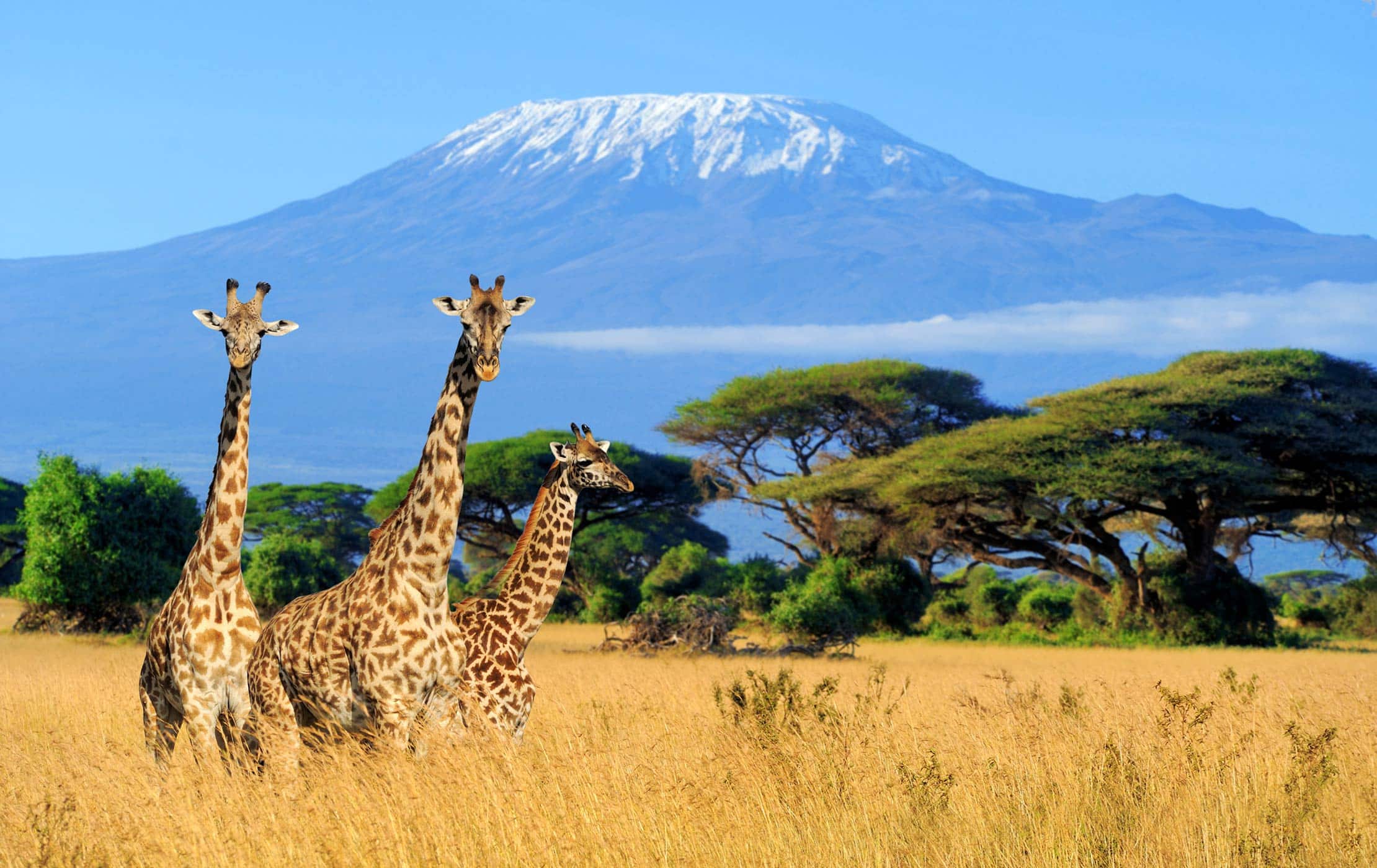
Standing at 5,895 meters (19,341 feet), Mount Kilimanjaro is Africa’s highest peak and one of the world’s most sought-after trekking destinations. Every year, thousands of adventurers arrive in Tanzania with dreams of reaching Uhuru Peak. While many focus on physical fitness and packing the right gear, one challenge catches most climbers by surprise altitude sickness.
If you’re researching the mount kilimanjaro machame route success rate, you’ve probably noticed that the Machame Route is considered one of the best options for first-time trekkers seeking a balance between adventure and a high summit success rate. However, reaching the summit isn’t guaranteed. Your biggest obstacle won’t necessarily be steep trails or cold temperatures it will be how your body reacts to high altitude.
This guide explains the reality of climbing mount Kilimanjaro via the Machame Route, how to reduce the risk of altitude sickness, how to prepare physically and mentally, what to pack, and what every climber should know before starting the journey.
Why Choose the Machame Route?
The Machame Route, often nicknamed the “Whiskey Route,” is famous for its spectacular scenery and gradual altitude profile. Most itineraries take between six and seven days, allowing climbers more time to acclimatize than shorter routes.
The trail passes through several unique ecological zones, including:
- Rainforest
- Moorland
- Alpine desert
- Arctic summit zone
Unlike the Marangu Route, Machame follows the “climb high, sleep low” principle. Climbers gain altitude during the day before descending slightly to sleep, helping the body adapt to lower oxygen levels.
This approach contributes to the relatively high mount kilimanjaro machame route success rate, especially for trekkers choosing the seven-day itinerary.
The Brutal Truth About Altitude Sickness
The mount Kilimanjaro Altitude sickness doesn’t discriminate.
Young athletes, marathon runners, experienced hikers, and beginners can all experience symptoms.
Above 2,500 meters, oxygen levels begin to decrease significantly. By the time you reach Uhuru Peak, the air contains roughly half the oxygen available at sea level.
Common symptoms include:
- Headaches
- Nausea
- Fatigue
- Dizziness
- Loss of appetite
- Difficulty sleeping
- Shortness of breath
Many trekkers underestimate these symptoms, assuming they are simply tired. However, altitude sickness can worsen quickly if ignored.
Serious conditions include:
- High Altitude Pulmonary Edema (HAPE)
- High Altitude Cerebral Edema (HACE)
These medical emergencies require immediate descent.
The good news is that most climbers never develop severe altitude illness because guides closely monitor symptoms and follow strict safety procedures.
Understanding the Mount Kilimanjaro Machame Route Success Rate
Success rates vary depending on the number of trekking days.
Approximate averages include:
- 6-day Machame Route: 60–75%
- 7-day Machame Route: 85–90%
The additional acclimatization day significantly improves summit success.
Several factors influence these numbers:
- Proper pacing
- Hydration
- Weather conditions
- Overall health
- Guide experience
- Mental determination
Choosing a reputable operator with experienced guides greatly increases your chances of standing on Africa’s rooftop.
Acclimatization Schedule Breakdown
Proper acclimatization is the key to preventing altitude sickness.
Day 1 – Machame Gate to Machame Camp
The trek begins in lush rainforest.
Altitude gain is moderate, allowing your body to begin adapting naturally.
Day 2 – Machame Camp to Shira Camp
Vegetation becomes sparse as you enter the moorlands.
Drink plenty of water and maintain a slow, steady pace.
Day 3 – Shira Camp to Lava Tower then Barranco Camp
This is the most important acclimatization day.
You climb to approximately 4,600 meters at Lava Tower before descending to Barranco Camp.
Although physically demanding, this “climb high, sleep low” strategy dramatically improves acclimatization.
Day 4 – Barranco Camp to Karanga Camp
You’ll tackle the famous Barranco Wall before hiking across valleys and ridges.
Although shorter, today’s trek continues the gradual adaptation process.
Day 5 – Karanga Camp to Barafu Camp
This is your final camp before the summit attempt.
Rest, hydrate, eat as much as possible, and prepare mentally for summit night.
Day 6 – Summit Night
Most climbers begin around midnight.
Temperatures often fall well below freezing while oxygen levels are at their lowest.
Slow, controlled walking becomes essential.
Mount Kilimanjaro Altitude Sickness Prevention
Preventing altitude sickness requires discipline rather than athletic ability.
Here are the most effective strategies.
Walk Pole Pole
“Pole Pole” means “slowly, slowly” in Swahili.
Your guides will repeat this phrase constantly.
Moving slowly conserves energy and helps your body adapt to changing altitude.
Stay Hydrated
Aim to drink 3–4 liters of water daily.
Dehydration makes altitude symptoms worse.
Eat Regularly
Even if you lose your appetite, continue eating carbohydrates and light meals.
Your body needs energy to acclimatize.
Avoid Alcohol
Alcohol contributes to dehydration and interferes with acclimatization.
Avoid it before and during the climb.
Consider Medication
Some climbers use acetazolamide (Diamox) after consulting their doctor.
It can reduce the likelihood of altitude sickness but should never replace proper acclimatization.
Physical Training Regimens
Many people assume Kilimanjaro requires technical climbing skills.
It doesn’t.
However, good fitness significantly improves your experience.
Ideally, begin training three months before your climb.
Focus on:
Cardiovascular Training
Include activities such as:
- Hiking
- Running
- Cycling
- Swimming
- Stair climbing
Aim for 30–60 minutes, four to five times weekly.
Strength Training
Strengthen your:
- Legs
- Core
- Back
- Shoulders
Exercises include:
- Squats
- Lunges
- Step-ups
- Planks
- Deadlifts
Practice Hiking
Weekend hikes carrying a backpack prepare both muscles and joints.
Train on uneven terrain whenever possible.
Best Packing List for Kili
Packing correctly can make or break your trek.
Clothing
- Waterproof jacket
- Waterproof trousers
- Thermal base layers
- Fleece jacket
- Down jacket
- Hiking trousers
- Warm hat
- Sun hat
- Gloves
- Thick hiking socks
Footwear
- Broken-in hiking boots
- Camp shoes
- Gaiters (optional)
Equipment
- Trekking poles
- Headlamp
- Spare batteries
- Sleeping bag rated below freezing
- Daypack
- Duffel bag
Personal Items
- Sunscreen
- Sunglasses
- Lip balm
- Water bottles
- Hydration bladder
- Wet wipes
- Personal medication
- Snacks
Packing light while carrying all essentials is the ideal balance.
Lemosho Route Comparison
Many trekkers debate between Machame and the Lemosho Route.
Machame Route
Advantages:
- Excellent scenery
- High success rate
- More affordable
- Popular social atmosphere
Disadvantages:
- Busier trails
- Steeper early days
Lemosho Route
Advantages:
- Better acclimatization
- Fewer crowds
- More wilderness experience
- Highest summit success rates
Disadvantages:
- More expensive
- Longer itinerary
If your priority is maximizing summit success and enjoying a quieter trek, Lemosho may be the better option. If you want a scenic adventure with excellent value, Machame remains one of the top choices.
Summit Night Mental Preparation
Most Mount Kilimanjaro climbers say summit night is harder mentally than physically.
You begin hiking around midnight.
The trail is dark.
The temperature is freezing.
Every step feels slower than the last.
Mental preparation becomes your greatest asset.
Remember these strategies:
- Focus on one step at a time.
- Don’t constantly ask how far remains.
- Celebrate small milestones.
- Trust your guides.
- Stay positive even when tired.
Many successful climbers admit they questioned quitting several times before reaching Stella Point.
Persistence often makes the difference.
Watching the sunrise over Africa from Uhuru Peak makes every difficult step worthwhile.
Mount Kilimanjaro Porter Guidelines
Porters are the unsung heroes of every Kilimanjaro expedition.
They carry camping equipment, prepare meals, fetch water, and ensure climbers remain safe and comfortable throughout the journey.
Treat your crew respectfully.
Typical team members include:
- Lead guide
- Assistant guides
- Cook
- Porters
Tipping is an important part of Kilimanjaro climbing culture.
Although recommendations vary slightly among operators, many groups budget approximately:
- Lead guide: US$20–25 per day (shared by the group)
- Assistant guide: US$15–20 per day
- Cook: US$12–15 per day
- Porter: US$8–10 per day
Confirm your operator’s recommended tipping policy before the trek, as guidelines may differ.
A fair tip recognizes the crew’s hard work and helps support local livelihoods.
Final Tips for a Successful Kilimanjaro Climb
Success on Kilimanjaro isn’t about being the fastest or strongest climber.
It’s about listening to your guides, respecting the mountain, and allowing your body enough time to adjust.
Choose a seven-day Machame itinerary if your schedule allows. Drink plenty of water, eat consistently, train well before your trip, and arrive with realistic expectations.
Most importantly, don’t underestimate altitude. It is the single greatest challenge on Kilimanjaro, but with proper preparation and patience, it can be managed safely.
Conclusion
Climbing Mount Kilimanjaro via the Machame Route is one of Africa’s greatest adventures. The stunning landscapes, supportive climbing teams, and unforgettable summit sunrise make the journey truly life-changing. While altitude sickness remains the biggest obstacle, understanding the risks and following proven acclimatization strategies can greatly improve your chances of success.
Whether you’re comparing routes, creating the best packing list for Kili, or preparing mentally for summit night, careful planning is your strongest advantage. Respect the mountain, trust your guides, and embrace the “pole pole” philosophy. With the right preparation, you’ll not only increase your mount kilimanjaro machame route success rate but also enjoy one of the most rewarding trekking experiences on Earth.