A Kenya vs Uganda safari comes down to what you most want to see. Kenya is the stronger choice for big cats, huge open plains and the Great Migration in the Masai Mara from July to October. Uganda wins for mountain gorillas and chimpanzees in rainforest, with fewer vehicles and a wilder, greener feel. Many travellers end up doing both.
Most Kenya vs Uganda safari comparisons stop at “gorillas versus lions”, but your travel month, time on the road, permit budget and fitness matter just as much. This guide sets the two countries side by side on wildlife, seasons, costs, travel times and visas.

Photo: Divulge Adventures
Quick Facts
- Choose Kenya for: the Big Five on open plains, the Mara migration (July-October), short drives and easy flights
- Choose Uganda for: mountain gorillas in Bwindi, chimpanzees in Kibale, tree-climbing lions and the shoebill
- Headline permits: Uganda gorilla permit US$800; Masai Mara reserve fee US$100-200 per day by season (checked October 2026)
- Driest months: Kenya: January-February and June-October; Uganda: December-February and June-September
- In one line: a Kenya vs Uganda safari is plains and predators versus forests and primates
- Flight between them: Nairobi to Entebbe nonstop in roughly 1 hour 15 minutes to 1 hour 30 minutes
- One visa for both: the East Africa Tourist Visa covers Kenya, Uganda and Rwanda for US$100
Kenya vs Uganda Safari: Which Country Suits You?
Kenya suits travellers who want classic big-game viewing with the least effort, while Uganda suits those who put primates first. If this is your first safari and you dream of lions and endless grassland, start your Kenya vs Uganda safari planning with Kenya. If the gorillas are the reason you are going, Uganda is the place.
Ready to go? Book your customized safari instantly on WhatsApp — we'll take it from there.
 Book
Instantly on
Kenya’s parks are well connected by road and light aircraft, so a week covers a lot. Uganda’s highlights are spread across the west, from the Nile at Murchison Falls to Kibale’s crater lakes and the forest of Bwindi, so you drive more but the days are more varied.
Choose Kenya if…
You have a week or less, you want to see the migration, you are travelling with young children who cannot join a gorilla trek (the minimum age is 15), or you want a beach extension on the Indian Ocean. Our Kenya safari packages cover the Mara, Amboseli, Samburu and the lakes.
Choose Uganda if…
You want to spend an hour with a gorilla family, you love birds and forests, or you have been on safari before. Then Uganda is the clear winner of the Kenya vs Uganda safari question, and our Uganda safari tours combine gorillas and chimps with savannah parks.
Is a Kenya vs Uganda safari really an either-or choice?
Not always. The two capitals are a short flight apart and one visa covers both, so a Kenya vs Uganda safari can become a Kenya and Uganda safari if you have 10 days or more. We explain how to link them further down.
Which Has Better Wildlife, Kenya or Uganda?
Kenya has better classic savannah wildlife, with denser herds, more predators and far easier big-cat sightings. Uganda has the better primates and arguably the better birds, but its savannah parks hold fewer animals and can feel quieter. So the wildlife winner in a Kenya vs Uganda safari depends on which animals top your list.

Photo: Divulge Adventures
Kenya’s strongest card is the Masai Mara, where resident lions and cheetahs share the plains with plains game all year, and the wildebeest herds arrive from Tanzania between roughly July and October (see our Great Migration month-by-month guide). Amboseli adds big-tusked elephants beneath Kilimanjaro, and Samburu has dry-country species such as Grevy’s zebra, reticulated giraffe and gerenuk.
Uganda’s savannah parks are Queen Elizabeth, Murchison Falls, Lake Mburo and remote Kidepo Valley. Queen Elizabeth has the Ishasha lions that rest in fig trees and the Kazinga Channel boat cruise, while Murchison Falls has Rothschild’s giraffe (see the best national parks in Uganda).
Can you see the Big Five in Uganda?
You can see the Big Five in Uganda, but not in one park. Rhinos are found only at Ziwa Rhino Sanctuary between Kampala and Murchison Falls, where you track white rhinos on foot with rangers. Leopards are elusive in Uganda’s thicker bush, while Kenya’s open country makes them easier to spot, one of the clearest Kenya vs Uganda safari differences for predator fans.
| Wildlife | Kenya | Uganda |
|---|---|---|
| Lion, cheetah, leopard | Excellent, especially in the Masai Mara | Lions in Queen Elizabeth and Murchison; cheetah only in Kidepo |
| Great Migration | Masai Mara, roughly July-October | None |
| Mountain gorillas | None | Bwindi and Mgahinga |
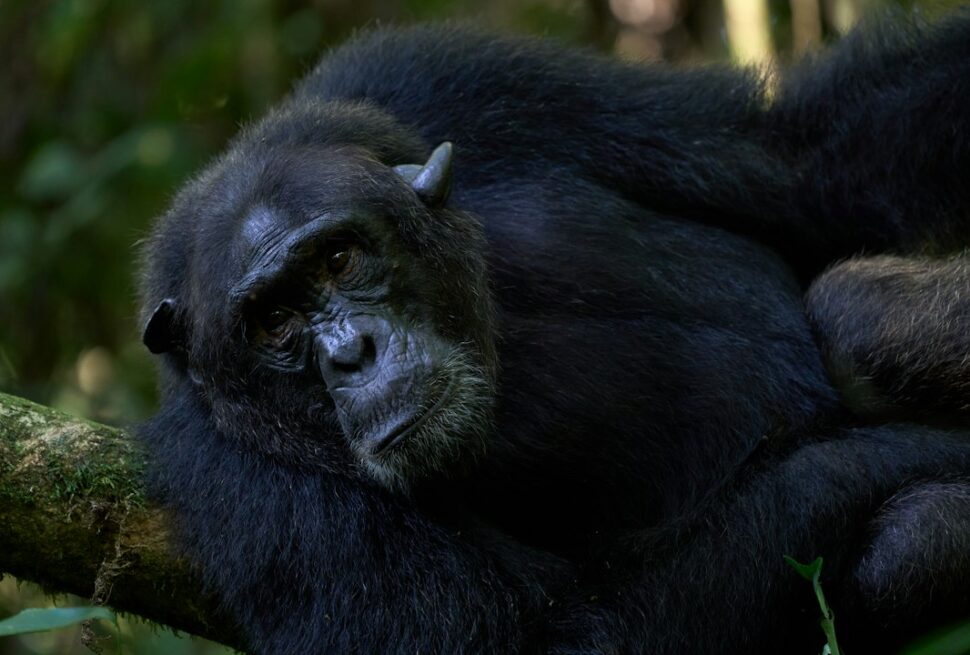
| Chimpanzees | Only in sanctuaries, not wild treks | Kibale, plus Budongo and Kyambura Gorge |
| Rhinos | Ol Pejeta, Lake Nakuru, the Mara and others | Ziwa Rhino Sanctuary only |
Where Can You Trek Gorillas and Chimpanzees?
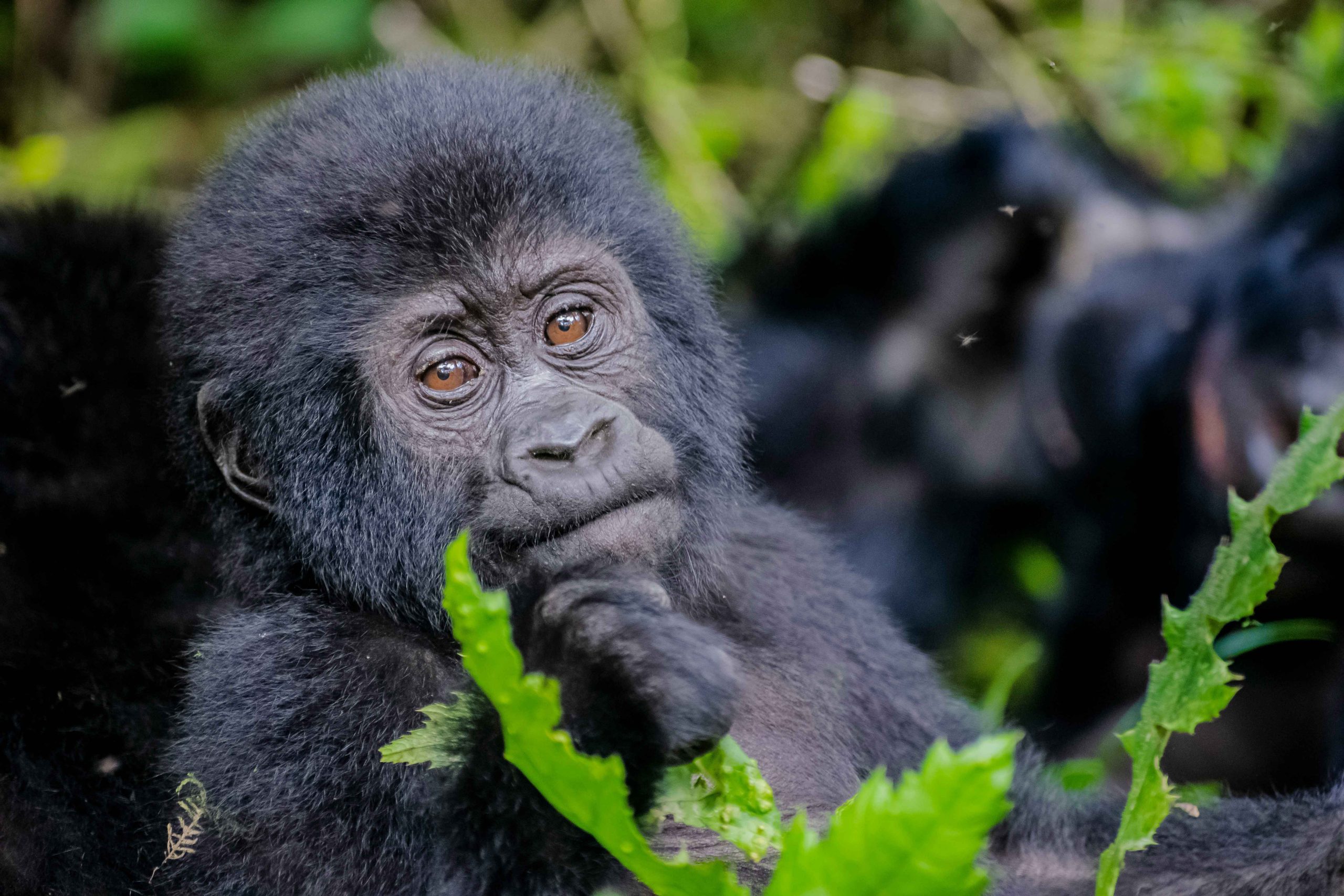
You can trek wild mountain gorillas and chimpanzees in Uganda but not in Kenya, which has no wild gorillas and no chimpanzee trekking. That single fact settles many a Kenya vs Uganda safari debate. Uganda’s gorillas live in Bwindi Impenetrable and Mgahinga Gorilla national parks in the far south-west.
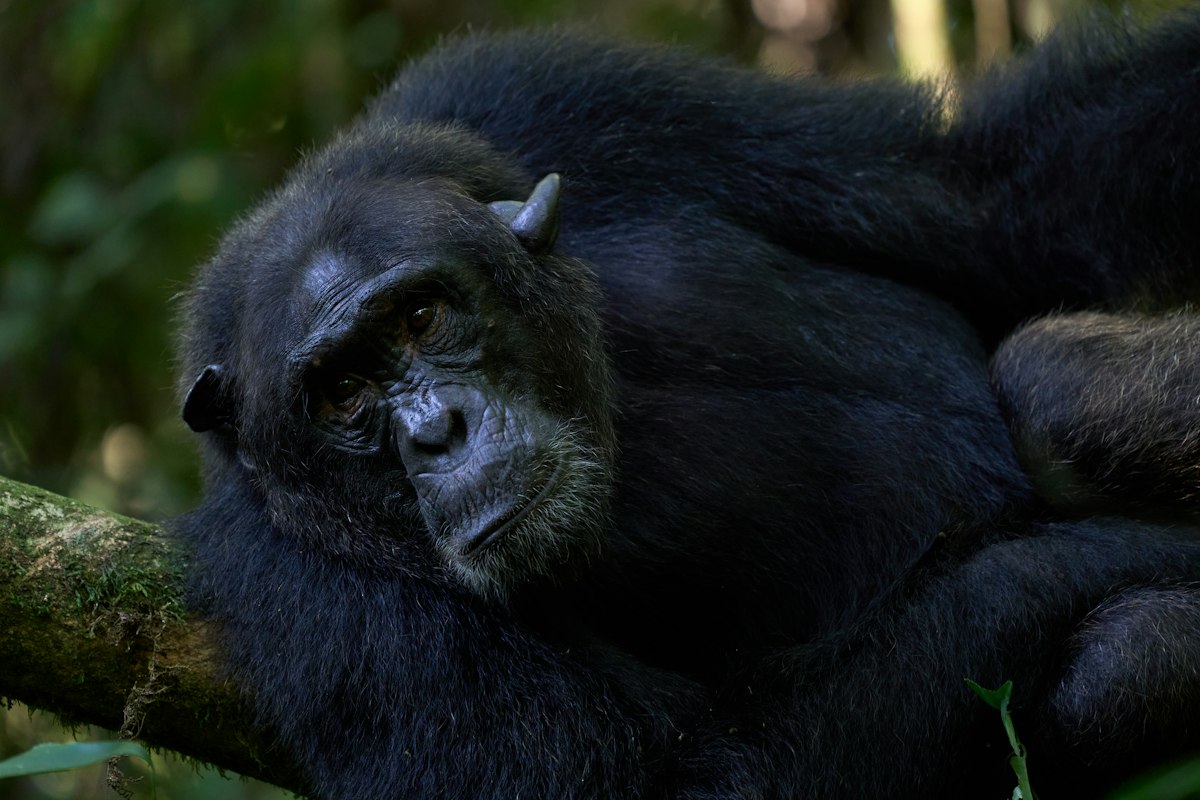
Photo: Divulge Adventures
A Uganda gorilla trekking permit costs US$800 per foreign non-resident under the current Uganda Wildlife Authority tariff, and the gorilla habituation experience US$1,500 (checked October 2026). Reports say the permit rises to US$1,000 for treks from 1 January 2027, so confirm the rate for your dates. It is often the deciding cost in a Kenya vs Uganda safari.
Bwindi rises to around 2,600 m, so expect steep, muddy slopes and one to six hours of walking. Read our posts on Bwindi gorilla trekking and how hard gorilla trekking really is.
Chimpanzee trekking in Kibale costs US$250 and is widely reported to rise to US$300 from 1 January 2027 (checked October 2026); see our Kibale chimpanzee trekking guide. In Kenya, primates mean colobus and other monkeys, a pleasant extra rather than a headline.
When Is the Best Time for a Safari in Kenya or Uganda?
For a Kenya vs Uganda safari, the best time is the drier months: January to February and June to October in Kenya, and December to February and June to September in Uganda. Kenya’s peak is July to October for the migration. Uganda’s gorilla treks run all year, but dry months make the forest trails easier.

Photo: Divulge Adventures
In Kenya, the long rains of April and May turn some tracks to mud and several camps close, while November’s short rains usually fall as afternoon showers. Uganda sits on the equator and is greener all year, with wetter spells from March to May and around October and November.
| Months | Kenya | Uganda |
|---|---|---|
| January-February | Dry and warm; lower Mara fee; good all-round game | Dry season; good trekking; permits book up early |
| March-May | Long rains, wettest in April-May; lowest prices | Wetter; muddy trails; some lodges offer low-season rates |
| June | Dry season starts; herds gather in the south of the Mara | Dry season starts; good gorilla and chimp trekking |
| July-October | Great Migration in the Mara; peak demand and peak Mara fee | Dry through September; rain returns around October |
| November-December | Short rains in November; festive peak in late December | Wet November; dry season returns in December |
Fixed on July or August? Both countries shine, and your Kenya vs Uganda safari can easily become a combined trip. In April or May, Kenya’s low rates are good value, while Uganda’s treks run but are harder going.
How Much Does a Kenya vs Uganda Safari Cost?
A week in Kenya usually costs less than a week in Uganda that includes a gorilla trek, mainly because the gorilla permit adds US$800 per person on its own. Without gorillas, the two are similar. Our estimates below are per person sharing, for seven days with a private vehicle and guide, before international flights.
Park fees drive much of the difference. The Masai Mara reserve charges non-resident adults US$100 a day from January to June and US$200 from July to December, and Amboseli US$90 (checked October 2026; see our Kenya park fees guide). Uganda’s Queen Elizabeth and Murchison Falls charge US$45 a day.
| Budget tier | 7-day Kenya safari (estimate) | 7-day Uganda safari with 1 gorilla and 1 chimp trek (estimate) |
|---|---|---|
| Budget | About US$1,800-2,800 | About US$3,000-4,000 |
| Mid-range | About US$3,000-4,500 | About US$4,500-6,500 |
| Luxury | About US$6,000 and up | About US$8,000 and up |
These Kenya vs Uganda safari figures are estimates, not Divulge package prices, and they move with season, lodge choice and whether you drive or fly. For a deeper breakdown of Kenya, see our Kenya safari cost guide. Fees and permit prices change often, so confirm current figures before you book.
See a Uganda gorillas, chimps and savannah itinerary
Our 7 day Uganda primate and wildlife safari links Kibale’s chimpanzees, the Kazinga Channel in Queen Elizabeth and a gorilla trek in Bwindi, with a private driver-guide throughout.
Birding, Boat Trips and Other Experiences
Birding is one area where a Kenya vs Uganda safari is close: more than 1,000 species are recorded in each country, but Uganda has the edge for rare forest birds and the shoebill. Kenya is stronger for flamingo lakes and raptors over open plains. Beyond birds, each country has experiences the other cannot match.
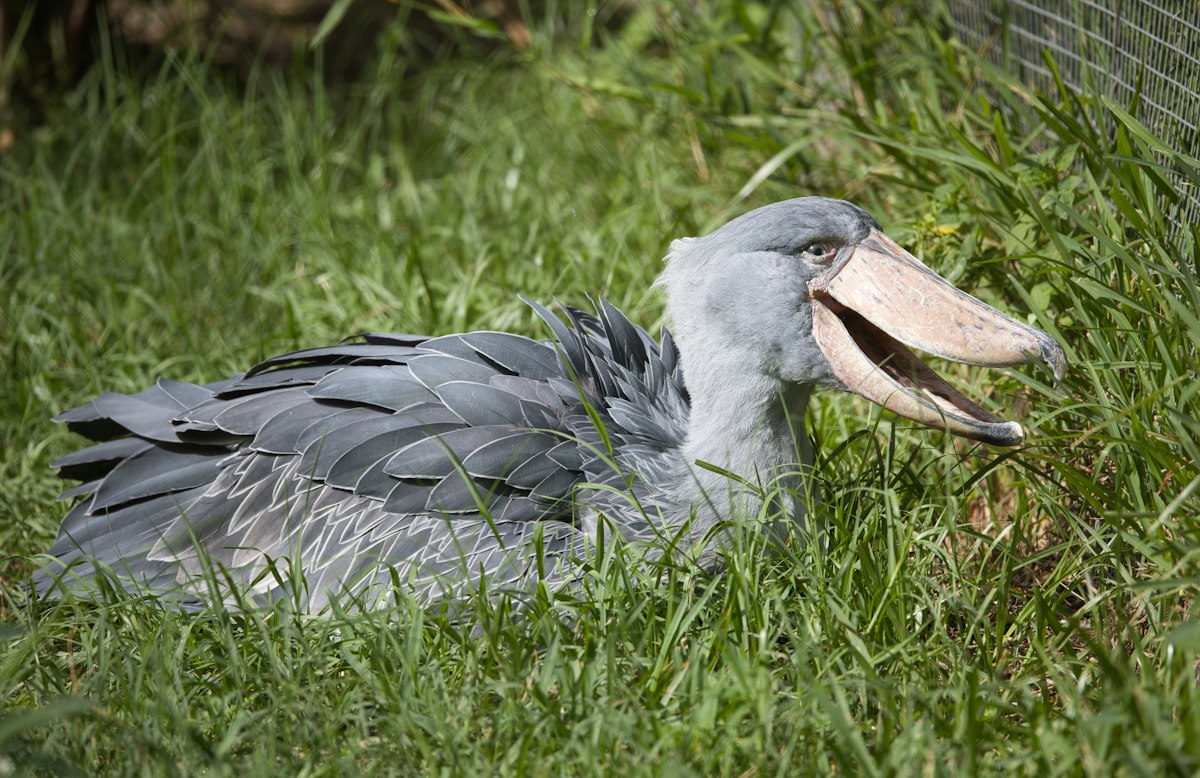
Photo: Divulge Adventures
In Uganda you can look for the shoebill by canoe in Mabamba Swamp near Entebbe, take the Kazinga Channel cruise or the launch up the Nile to Murchison Falls, and find Albertine Rift birds in Bwindi. Keen birders can see our birding safaris.
Kenya offers hot air balloon flights over the Mara, Maasai cultural visits, walking and night drives in private conservancies, and an easy beach extension to Diani or Watamu. A Kenya vs Uganda safari for a family often tilts to Kenya for these shorter, lower-effort activities.
Can You Combine Kenya and Uganda in One Trip?
Yes, Kenya and Uganda combine well in 10 to 14 days, linked by a flight between Nairobi and Entebbe. A popular shape is five or six days in Kenya for the Mara and one other park, then five to seven days in Uganda for chimps, Queen Elizabeth and gorillas.
How long does it take to get around each country?
Travel time is an underrated Kenya vs Uganda safari factor. The Masai Mara is five to six hours by road from Nairobi or about an hour by air, and our 6 day Amboseli and Masai Mara safari fits two big parks and the Rift Valley lakes into under a week. In Uganda, Kampala to Murchison Falls or Kibale takes five to six hours, and Bwindi to Entebbe nine or more, so many travellers fly one leg.
Kenya vs Uganda safari visas and health rules
For Kenya alone, most visitors apply for an electronic travel authorisation on the official Kenya eTA website from US$30 (checked October 2026; see our Kenya eTA guide). Uganda’s single-entry tourist eVisa is US$50. If you visit both, the East Africa Tourist Visa costs US$100, covers Kenya, Uganda and Rwanda for 90 days with multiple entries, and must be issued by the country you enter first.
Uganda dropped its yellow fever certificate entry rule in October 2026, but Kenya can ask for one from travellers arriving from risk countries, which include Uganda. See our yellow fever requirements page and the CDC advice for Uganda, and confirm before you travel.
Insider Tips
- Book gorilla permits first: permits for the dry months sell out months ahead, so secure them before flights
- Watch the 2027 price rise: if you are trekking from January 2027, budget for the reported US$1,000 gorilla and US$300 chimp rates
- Mind the Mara calendar: January to June halves the Mara reserve fee, a big saving on a three-night stay
- Kenya first, Uganda second: you settle into safari life on the plains before the harder forest treks
- Fly the longest Uganda leg: a light-aircraft hop to or from the Bwindi area saves a full day in the vehicle
Let us plan your safari
Tell us your dates, budget and dream sightings, and our Nairobi team will send you a free tailor-made itinerary and quote.
Frequently Asked Questions
Is Kenya or Uganda better for a first safari?
Kenya is usually better for a first safari, because its parks deliver lions, elephants and big herds quickly on short drives. Uganda is better for a first safari only if mountain gorillas are your main reason to travel. In most Kenya vs Uganda safari decisions for first-timers, Kenya comes first and Uganda is added for the gorillas.
Can you see gorillas in Kenya?
No, Kenya has no wild mountain gorillas and no gorilla trekking. To see gorillas from Kenya, fly from Nairobi to Entebbe for Bwindi or Mgahinga in Uganda, or to Kigali for Volcanoes National Park in Rwanda. The Nairobi to Entebbe flight takes roughly 1 hour 15 minutes to 1 hour 30 minutes, so a gorilla extension is easy to add.
Is a Uganda safari more expensive than a Kenya safari?
A Uganda safari is usually more expensive than a Kenya safari of the same length when it includes a gorilla trek, because the Uganda gorilla permit is US$800 per person (checked October 2026). Without gorillas, costs are broadly similar. In Kenya, the Masai Mara fee of US$200 a day from July to December is the biggest park cost.
How many days do you need for Kenya and Uganda together?
Plan at least 10 days for Kenya and Uganda together, and 12 to 14 days for a relaxed pace. That allows about five days in Kenya for the Masai Mara and one other park, a flight to Entebbe, and five to seven days in Uganda for chimpanzees in Kibale, Queen Elizabeth National Park and a gorilla trek in Bwindi.
Do I need two visas for Kenya and Uganda?
You do not need two separate visas for Kenya and Uganda if you buy the East Africa Tourist Visa, which costs US$100 and covers Kenya, Uganda and Rwanda for 90 days with multiple entries. Apply to the country you will enter first. Otherwise you need a Kenya eTA from US$30 and a Uganda eVisa of US$50 (checked October 2026).
Final Thoughts
Our honest verdict on a Kenya vs Uganda safari: pick Kenya for big cats, open plains and the migration, and pick Uganda when gorillas and chimpanzees matter most. If you have ten days or more, there is no need to choose, because a short flight joins the two.
Tell us your month, budget and the animals you most want to see, and our Nairobi team will tell you plainly which side of the Kenya vs Uganda safari choice, or which mix of both, fits you best.
Still torn on your Kenya vs Uganda safari?
Chat with a Divulge Adventures safari consultant on WhatsApp for honest advice, a quick answer and a quote built around you.