Planning an African adventure is incredibly exciting, but executing a flawless trip to Southwest Africa requires a unique set of operating guidelines compared to traditional safari destinations. If you are currently organizing your adventure, absorbing experienced first time Namibia safari advice is the best way to bypass costly logistical hurdles. Understanding specific namibia safari rules and mechanical vehicle requirements beforehand will ensure your safety out in the harsh desert terrain. Because the landscape is so vast, looking at all your available namibia safari options early is paramount.
To help you prepare seamlessly, we have compiled an essential list of hidden insights travelers wish they had known before booking their flights. From comparing different guided namibia safaris to building a comprehensive namibia safari packing list, these structural insights will transform your upcoming trip into a stress-free success.
If this is your first time Namibia safari, skipping detailed preparation can turn a dream vacation into an incredibly challenging ordeal.
1. The Vast Driving Distances Are Deceiving
The massive scale of Southwest Africa’s landscapes is difficult to comprehend until you are physically behind the wheel. Distances between major highlights like the Sossusvlei dunes and Etosha National Park require full days of intense driving across completely uninhabited terrain.
Many travelers planning a first time Namibia safari make the mistake of over-scheduling their itineraries, cramming too many remote destinations into a single week. This leaves them exhausted and spending their entire vacation looking through a dusty windshield instead of viewing wildlife. To bypass this common issue, a popular strategy is booking organized guided namibia safaris, where professional drivers manage the vast distances while you relax. If you prefer autonomy, analyze your namibia safari options carefully and limit your travel to a maximum of 300 kilometers per day. For a first time Namibia safari, pacing your route is the ultimate key to enjoyment.
2. You Must Book Etosha Accommodations Months in Advance
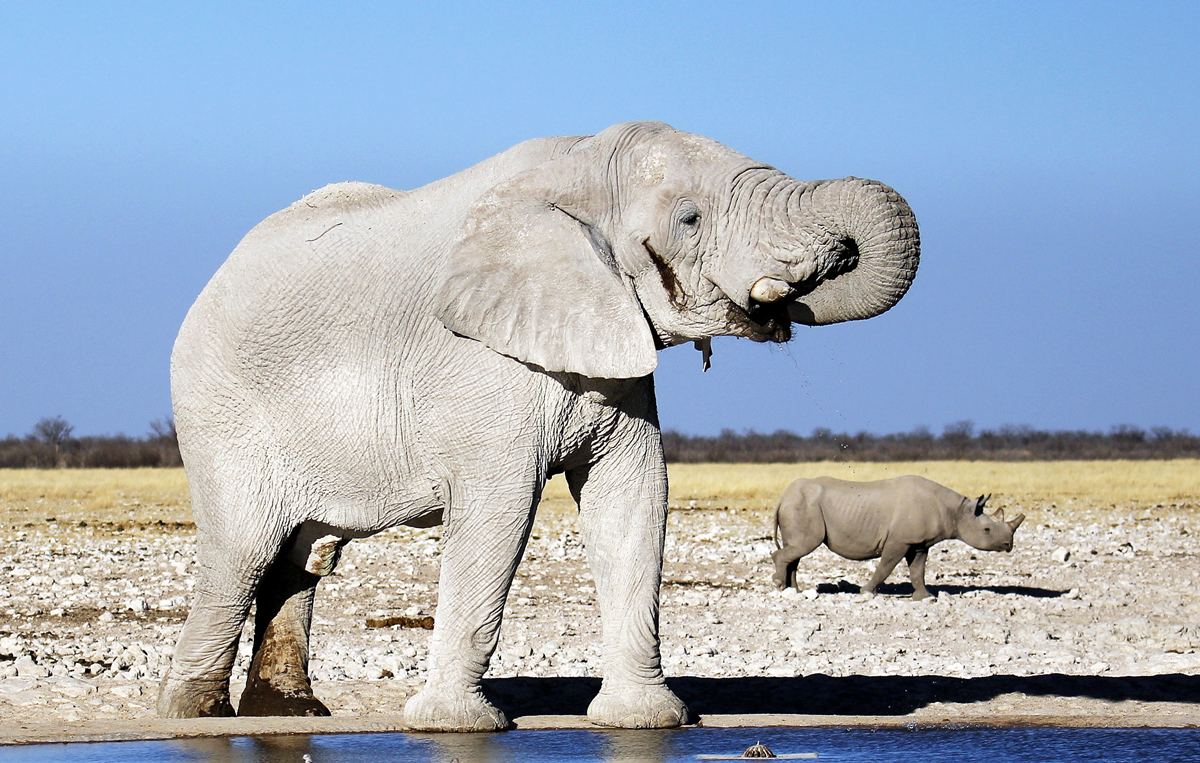
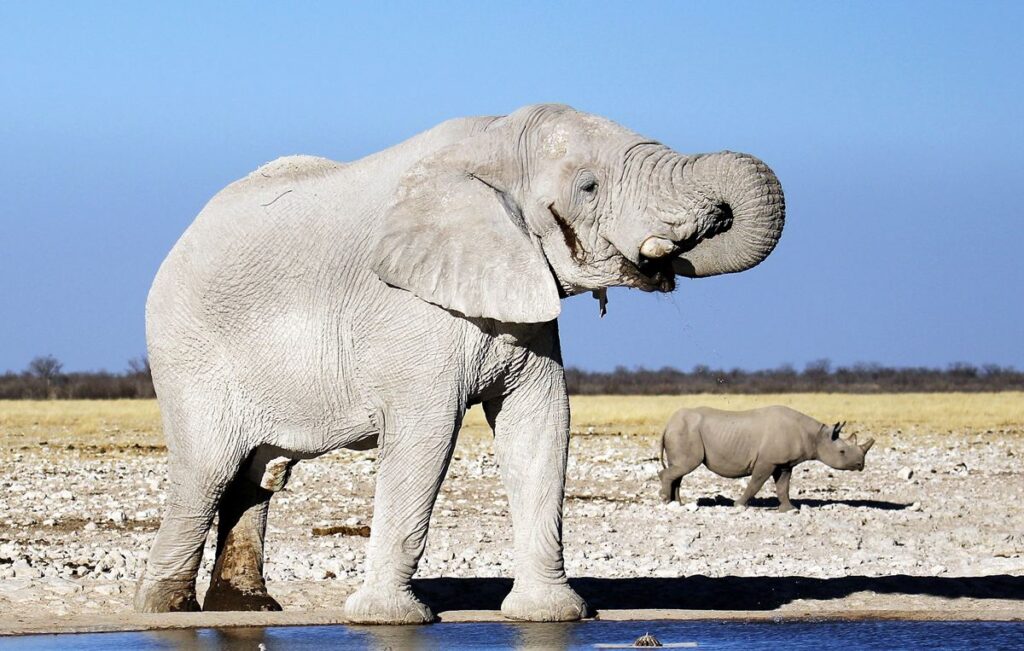
Etosha National Park is the undisputed crown jewel of local wildlife viewing, but overnight lodging options inside the park gates are strictly limited. The properties managed by Namibia Wildlife Resorts (NWR) such as Okaukuejo, Halali, and Namutoni re highly coveted because they feature floodlit waterholes where black rhinos and lions congregate throughout the night.
Because tourist demand vastly outstrips supply, these prime chalets and campsites regularly book out 9 to 12 months ahead of time. If you are organizing a first time Namibia safari, secure your national park lodging permits before purchasing your international flights. If you wait until the last minute, you will be forced to look at alternative namibia safari options outside the park fences, adding hours of tedious transit time to your morning game drives. Evaluating your accommodation namibia safari options early is just as important as studying the official namibia safari rules regarding gate entry.
3. The Extreme Desert Temperatures Drop Rapidly at Night
When people think of the Namib Desert, they envision blazing sun, shimmering heatwaves, and scorching orange sand dunes. While daytime temperatures during the dry winter months are incredibly pleasant, the dry desert air holds absolutely no moisture to retain that heat once the sun slips below the horizon.
As a result, nighttime temperatures frequently plunge directly down to freezing (0°C / 32°F). If you are embarking on a first time Namibia safari, your standard namibia safari packing list must cater to both weather extremes. Bring lightweight, breathable linen clothing for hot afternoon game drives, alongside heavy fleece jackets, thermal base layers, beanies, and gloves. Ensuring your namibia safari packing list protects you during freezing early-morning open-vehicle safaris is an essential comfort secret. Do not pack lightly; a comprehensive namibia safari packing list is your best defense against the volatile desert climate.
4. Why Gravel Roads Strictly Require a 4×4 Vehicle
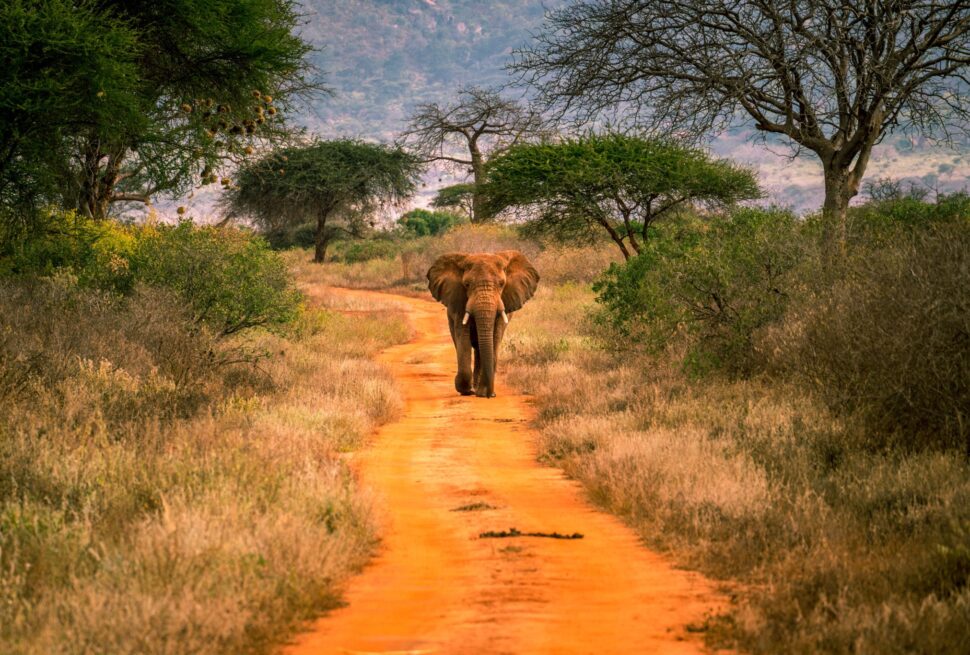
While the primary highway arteries are smoothly paved tar macadam, the secondary routes connecting major safari attractions consist entirely of unpaved gravel, sand, and rough calcrete layers. Driving on these loose surfaces requires strict adherence to seasonal namibia safari rules regarding tire traction; cars can slide out easily if you take corners too quickly or brake abruptly on the pebbles.
A common pitfall for a first time Namibia safari is attempting to cut travel costs by renting a standard two-wheel-drive sedan. Standard cars lack the necessary ground clearance to clear sharp rocky outcrops, which violates basic safety recommendations outlined in standard namibia safari rules. Investing in a high-clearance 4×4 vehicle provides essential safety, better traction control, and complete peace of mind. Following these driving-focused namibia safari rules will keep you safe in the wilderness.
5. Fuel, Cash, and Mobile Signals Are Extremely Scarce
Do not expect to stream videos, check social media, or find operational fuel pumps while driving through the interior. Outside of major urban hubs like Windhoek or Swakopmund, cellular network coverage drops off entirely, and service stations can be hours apart.
Staying safe requires complete independence from live cellular data. Fill your fuel tank completely every single time you pass an operational service station, regardless of how full your gauge appears. Furthermore, always carry extra physical cash; remote country stations regularly suffer from downed credit card payment terminals.
6. Dust Protection Gear Is Mandatory for Electronics
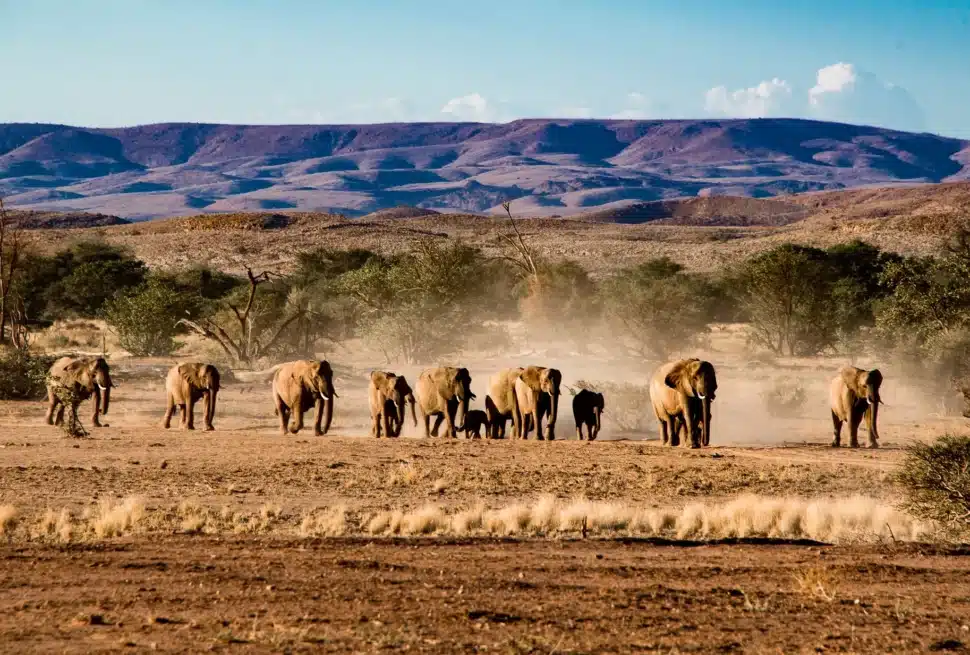
The fine, powdery desert dust of the Namib is incredibly invasive. The moment you roll down your car window to snap a quick photo of an oryx or a desert elephant, a cloud of fine silt will blanket the interior of your vehicle.
Left unprotected, this grit can easily jam camera lens mechanisms, scratch delicate sensors, and ruin mobile phone charging ports. Make sure your namibia safari packing list includes tightly sealed, dust-proof dry bags or heavy-duty ziplock sleeves to protect your valuable electronic gear whenever you are moving down unpaved roads.
7. Guided Safaris Offer an Effortless Alternative to Driving
If the thought of changing flat tires, navigating without cell service, and driving long distances on gravel sounds overwhelming, exploring professional guided namibia safaris is an exceptional route. Choosing this path removes the logistical stress entirely.
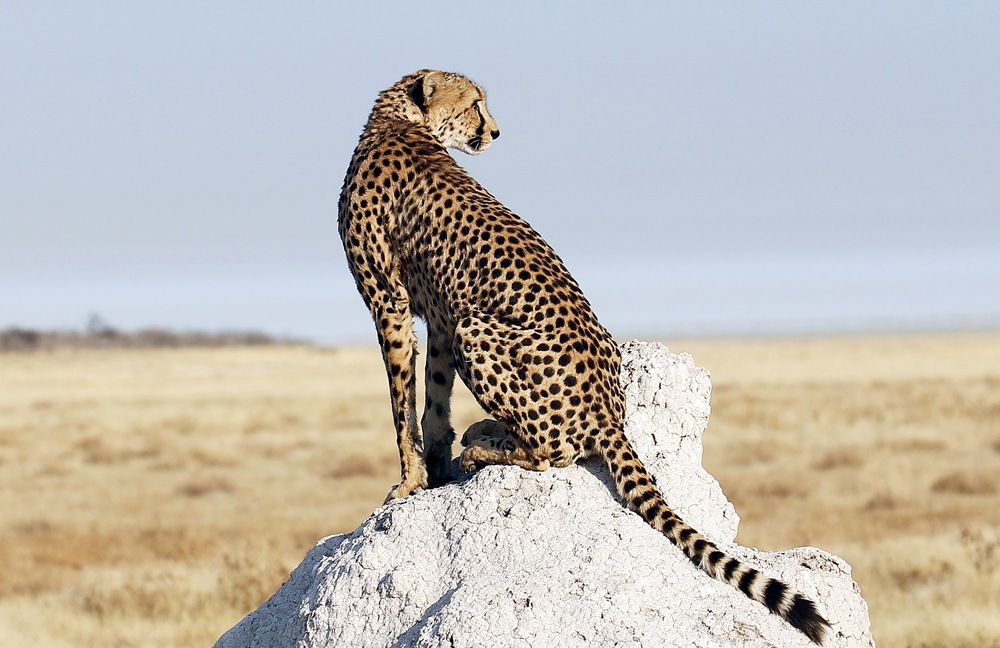
By leaning on experienced operators, you can compare different namibia safari options, ranging from small budget group overland trucks to private luxury fly-in tours. Professional drivers handle all the roadside variables, navigate the rough terrain flawlessly, and use their expert tracking skills to locate elusive wildlife that untrained eyes would completely miss. Ultimately, investing in guided namibia safaris ensures you get the exact style of adventure that matches your personal comfort zone. For many travelers, premium guided namibia safaris offer the perfect balance of luxury and raw wilderness immersion.