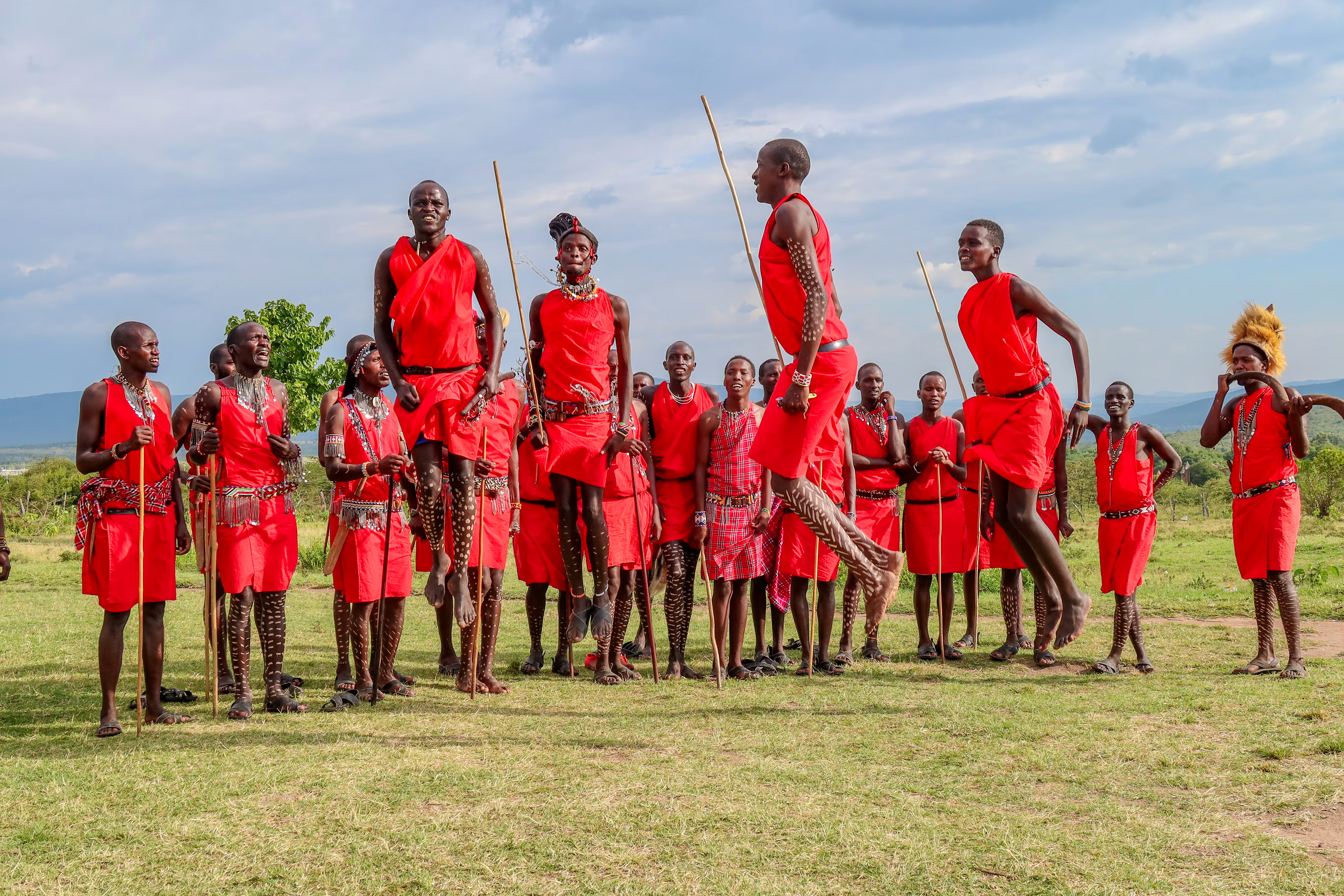
A Botswana photography safari for a group works best when every photographer has a window seat, the itinerary includes the Khwai area for off-road and night photography, and the trip falls between June and October, when water and wildlife meet. Camera clubs of 6 to 16 people suit two to four vehicles.
Club organisers face a different job from a couple booking a holiday: you must keep a dozen photographers with long lenses happy, fair and on budget, and get their kit onto small aircraft. This guide covers vehicles, seasons, areas, luggage and pricing logic, and our club and society safaris page shows how we run trips for camera clubs from our Nairobi office.

Quick Facts
- Best months: June to October for water and concentrated wildlife; November to March for green landscapes and storm light
- Group size: 6 to 16 members works well, in two to four vehicles
- Main areas: Moremi Game Reserve, the Khwai area and the Okavango Delta channels
- Off-road and night drives: Not allowed in Moremi; allowed in Khwai with qualified guides
- Getting there: International flights connect to Maun, the gateway for the Delta and Moremi
- Light aircraft luggage: Usually 20 kg per person including hand luggage, soft bags (checked November 2026)
- Group deal: One free place for every six paying travellers on our group bookings
Why Choose a Botswana Photography Safari for Your Club?
Botswana suits club photography because it combines low vehicle numbers, water-based scenes and areas where guides may leave the road. A Botswana photography safari can mix floodplain game drives, mokoro trips at water level and night drives, which few East African parks allow in a single trip.
Botswana’s tourism model favours fewer visitors paying more, so on a Botswana photography safari many sightings are shared with only a handful of vehicles. When twelve members arrive at a leopard in four vehicles, you need space to reposition without blocking anyone’s frame. The Okavango Delta, a UNESCO World Heritage Site, also gives you reflections, papyrus channels and aerial patterns that look nothing like savannah portfolios from Kenya or Tanzania.
Ready to go? Book your customized safari instantly on WhatsApp — we'll take it from there.

Instantly on
A private group trip also beats booking members onto a scheduled photo tour with strangers. Your club sets the pace, decides how long to wait at a sighting and runs its own evening image reviews. Our group safaris are built that way: one group, its own vehicles and guides, and an itinerary agreed with the organiser before anyone pays.
What does a Botswana photography safari offer that East Africa does not?
The biggest differences are water and access. In the Delta you can photograph from a mokoro just above the waterline, and in Khwai guides can drive off-road to a better angle or follow wild dogs after dark. In most Kenyan and Tanzanian national parks, vehicles stay on roads and night drives are not permitted.
Where Should a Club Photography Trip Go in Northern Botswana?
Most club itineraries combine Moremi Game Reserve with the Khwai area and, where time allows, a stretch further east such as Savuti or Chobe. Moremi gives classic floodplain scenery, while Khwai adds the freedom to work sightings closely. Five to eight nights covers both without rushing.

Moremi covers about 4,871 km² of the eastern Delta and is the backbone of almost every Botswana photography safari. Its lagoons, mopane woodland and open floodplains are superb in early light, but the reserve’s rules shape how you shoot: no off-road driving, no night drives and gates that open at sunrise and close at sunset. Plan Moremi days around golden hour at known water points.
The Khwai area on Moremi’s north-eastern edge is where predators often become portfolios. Off-road driving and night drives are allowed there with qualified guides, so a photographer can ask for a lower angle on a lion pride or follow a hunting pack. Our 8 day Botswana photography club safari spends three nights in Khwai for exactly that reason, after two in Moremi and before a final night in the Kaziikini area.
Clubs with an elephant or bird focus can add the Chobe riverfront, where boat-based photography gives eye-level views of herds drinking and crossing. Our Chobe safari guide explains the riverfront and how it differs from the Delta, and our Okavango Delta vs Chobe comparison helps if members disagree.
| Area | Best for photographers | Rules to plan around |
|---|---|---|
| Moremi Game Reserve | Floodplains, lagoons, reflections, big herds in early light | On-road only, no night drives, sunrise-to-sunset gates |
| Khwai area | Predators, low angles, night sightings | Off-road and night drives allowed with qualified guides |
| Okavango Delta channels | Mokoro photography, water lilies, frogs, birds at eye level | Water levels decide which channels are open |
| Chobe riverfront | Elephants and buffalo at the river, boat-based angles | Busier in peak season; a boat suits small groups |
When Is the Best Time for a Botswana Photography Safari?
The best time for a Botswana photography safari is June to October, when the Okavango flood is high, the surrounding bush dries out and animals concentrate near water. November to March trades reliability for drama: storm clouds, green backdrops and newborn animals, with more rain and some areas harder to reach.
The Delta’s water does not come from local rain. Summer rains in Angola’s highlands feed the Okavango River, and the water takes about four months to travel south, reaching the Delta around April and peaking around July. That is why the Delta is fullest in Botswana’s dry winter, an unusual mix for photographers: high water and clear skies at the same time.

| Months | What photographers get | Trade-offs for a group |
|---|---|---|
| December to March | Green landscapes, storm skies, newborn antelope, migrant birds | Rain showers, some sandy and wet roads, lower water in the Delta |
| April to May | Rising water, fresh colour, fewer vehicles | Weather still changing; some channels only just filling |
| June to August | High water, mokoro trips, crisp light, animals near water | Very cold early mornings in open vehicles; busier camps |
| September to October | Concentrated wildlife, dust and hazy golden light | Heat by midday; the busiest and priciest time to book |
| November | First storms, dramatic skies, many young animals | Unsettled weather; good value but less predictable |
Our month-by-month guide to the best time to visit Botswana goes deeper on weather and prices. For a club planning a Botswana photography safari, the simplest advice is to pick the look you want first, then book a year or more ahead if you are travelling between July and October, because small camps fill quickly and a group needs several rooms on the same nights.
How Should Vehicles and Rooms Work for a Group of Photographers?
Vehicles for a Botswana photography safari should carry fewer people than on a standard safari, ideally three or four photographers each, so everyone has a side of the vehicle and room for a long lens. Rooms usually follow members’ preferences: twins for friends sharing, singles for those who want them.

The seating plan matters more on a Botswana photography safari than most organisers expect. With three people, each member has a whole row; with four, two rows are shared but the middle seats stay free for bags.
| Club size | Vehicles we would plan | Photographers per vehicle |
|---|---|---|
| 6 members | 2 vehicles | 3 each, a row for each person |
| 8 members | 2 vehicles | 4 each |
| 12 members | 3 or 4 vehicles | 3 or 4 each |
| 16 members | 4 vehicles | 4 each; or split into two departures |
Who looks after the group on a Botswana photography safari?
Each vehicle has its own guide, and we name one point of contact for the organiser from enquiry to departure. Members can arrive on different flights and pay separately. Our page on how to organise a group safari explains the steps from first brief to final rooming list, and the Botswana safari guide for first-timers covers entry basics for members who have not been before.
Safety is part of every Botswana photography safari we plan, not an afterthought. Camps in northern Botswana are unfenced, so guides brief everyone on walking between tents after dark, and photographers must stay seated in vehicles at sightings. On mokoro trips, members should carry one body and one lens in a dry bag rather than a full kit.
How Much Does a Group Photography Safari in Botswana Cost?
A group photography safari in Botswana is priced on request because the total depends on your dates, number of travellers, room types and how many vehicles you take. Park and concession fees, accommodation, meals, game drives, mokoro trips and sundowners are typically included in the package on our club itinerary.
The main cost levers for a Botswana photography safari are season, vehicle ratio and flights. Fewer photographers per vehicle means more vehicles and guides to share across the group, so a trip with three per vehicle costs more per head than one with four. July to October is the most expensive window; May and November usually give better value. Flights into Maun and any light-aircraft transfers are quoted separately.
Park fees are also worth watching. Botswana’s government proposed raising the non-resident park entry fee from P380 to P500 in early 2026, but the increase was postponed (checked November 2026). Confirm the current fees with us before you set member prices.
Plan a camera club trip to Botswana
See how we run club and society safaris: private vehicles with fewer photographers each, flexible payments for members and a free place for every six paying travellers.
What Gear Should Club Members Pack for Botswana?
Club members on a Botswana photography safari should pack a long zoom such as a 150-600 mm lens, a wide-angle for landscapes, spare batteries, plenty of memory cards and a dust cover, all in soft bags. Light aircraft usually allow 20 kg per person including hand luggage.

The 20 kg limit, with soft bags about 30 by 35 by 70 cm, comes from Mack Air’s traveller information (checked November 2026), and other Botswana air operators set similar limits. Camera bodies and lenses count towards it, so members carrying big glass should leave heavy tripods at home and use bean bags instead, which can be filled locally. If someone cannot cut their kit, we can price an extra seat.
On a Botswana photography safari, charging is usually possible at camps, though some run on solar power with limited sockets, so a multi-port USB charger helps a group of twelve. Drone flying in Botswana needs advance permission, and most wildlife areas do not allow it, so leave drones out unless we have confirmed otherwise in writing. The trip excludes camera equipment and any drone permit costs.
Insider Tips
- Seat rotation: Swap vehicle teams daily so every member works with each guide
- Mokoro kit: One body and one mid-range zoom in a dry bag; leave the 600 mm in camp
- Cold mornings: June to August starts near freezing in open vehicles: pack gloves that work a shutter
- Image reviews: Book a camp with a shared area and screen or bring a small projector
- Back-ups: Two copies of every card each night; a small SSD weighs little
- Booking window: For July to October, start planning a year ahead so the group gets rooms together
Let us plan your safari
Tell us your dates, budget and dream sightings, and our Nairobi team will send you a free tailor-made itinerary and quote.
If your club prefers a broader trip with fewer photography-specific stops, our 7 day Moremi, Khwai and Savuti safari covers similar ground at a game-drive pace, and the Okavango Delta safari planner explains flood months and camp styles. You can also browse all our Botswana safari packages or our wildlife photography safaris in other countries.
Frequently Asked Questions
How many people can join a Botswana photography safari as one group?
A Botswana photography safari for a club works well with 6 to 16 members in two to four vehicles, so each photographer keeps a side to shoot from. Bigger clubs can split into two departures on different dates. Light aircraft and small camps are the real limits, so size the group around them.
When is the best time for a Botswana photography safari?
June to October is the most reliable time for a Botswana photography safari, because water is high in the Okavango and animals gather near it as the bush dries. November to March brings storm skies, green backdrops and newborn animals, with more rain and some wet roads. Clubs that want both looks often choose May or November.
Can you do night drives and off-road driving in Moremi Game Reserve?
No. Moremi Game Reserve does not allow off-road driving or night drives, and gates open only from sunrise to sunset. The neighbouring Khwai area allows both with qualified guides, which is why most photography itineraries combine Moremi’s floodplains with several nights in Khwai for predators, low angles and after-dark sightings.
What luggage can photographers take on Okavango light aircraft?
Botswana light aircraft usually allow 20 kg per passenger including hand luggage, in soft bags about 30 by 35 by 70 cm, according to Mack Air’s traveller information (checked November 2026). Long lenses and bodies count towards that total. Check your airline’s rules before packing, and ask us about buying an extra seat for heavy kit.
How does group pricing work for a club photography safari?
Group pricing for a Botswana photography safari depends on dates, the number of travellers, room types and how many vehicles you need. On our group bookings the seventh place is free for every six paying travellers, and each member can pay separately. A 30 to 40% deposit holds the places and the balance is due 2 to 4 weeks before travel.
Final Thoughts
For most camera clubs, the strongest Botswana photography safari pairs two nights of Moremi floodplains with three in Khwai, three or four photographers per vehicle and dates between June and October. Get the vehicle plan and the luggage rules right early and the rest of the trip falls into place.
Send us your club’s size, preferred months and the shots members most want, and we will shape a draft Botswana photography safari itinerary around them.
How many vehicles would your camera club need in Botswana?
Chat with a Divulge Adventures safari consultant on WhatsApp for honest advice, a quick answer and a quote built around you.